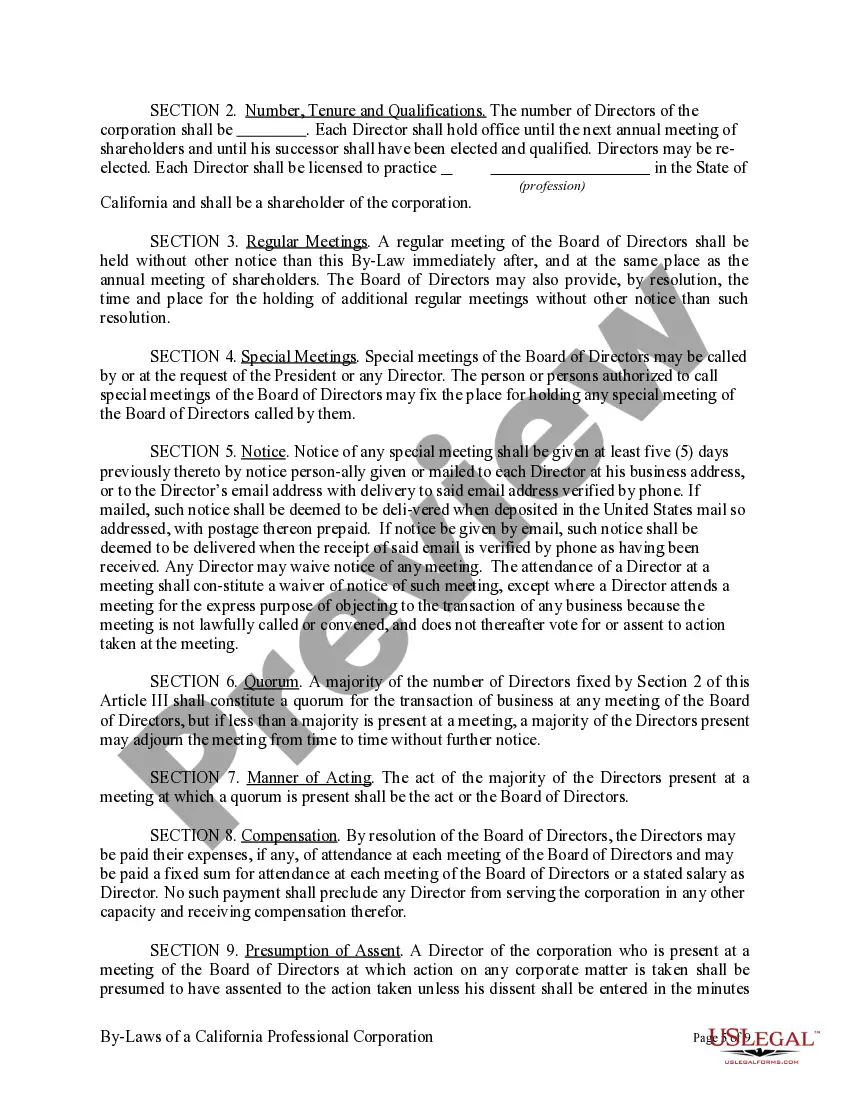
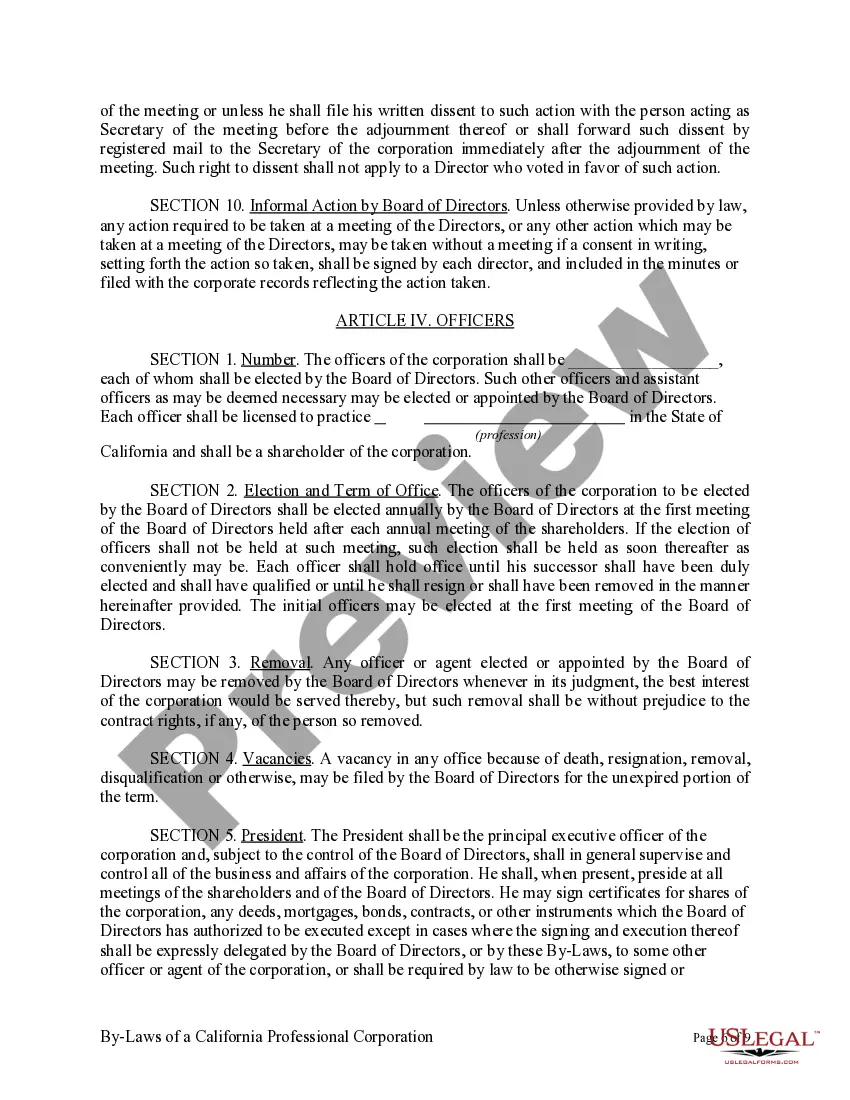
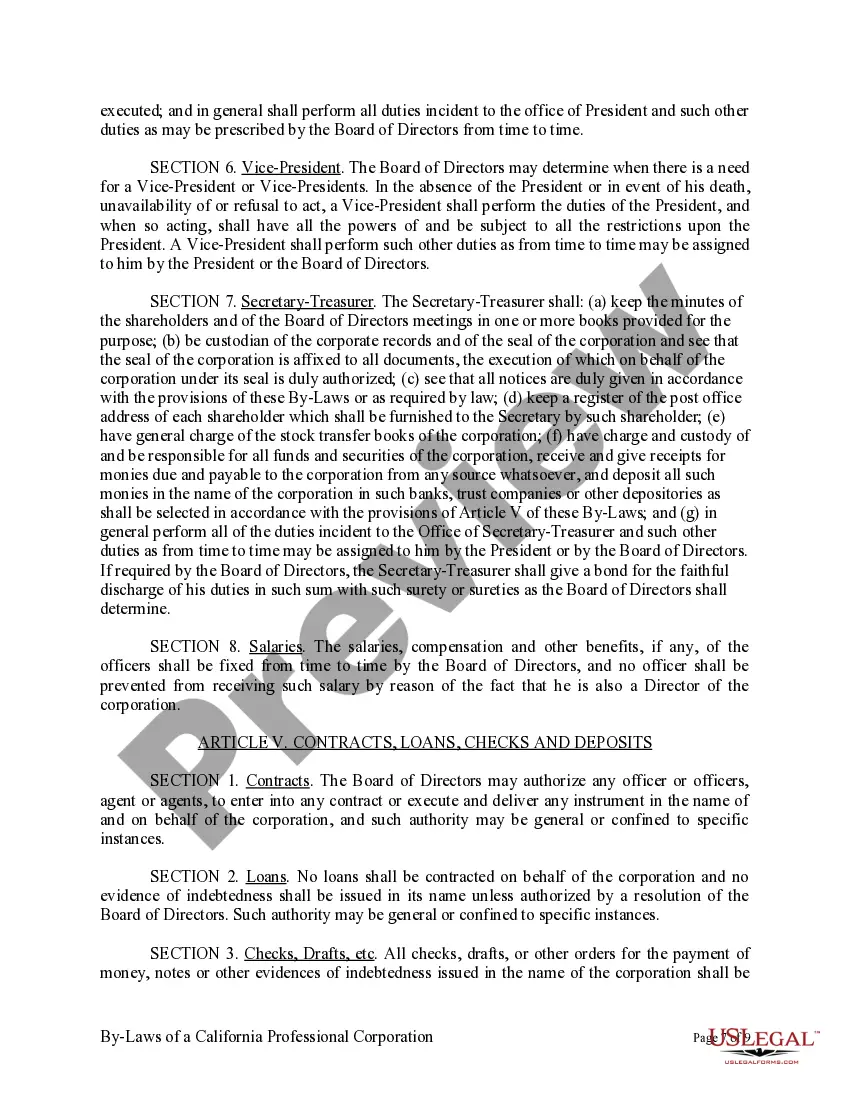
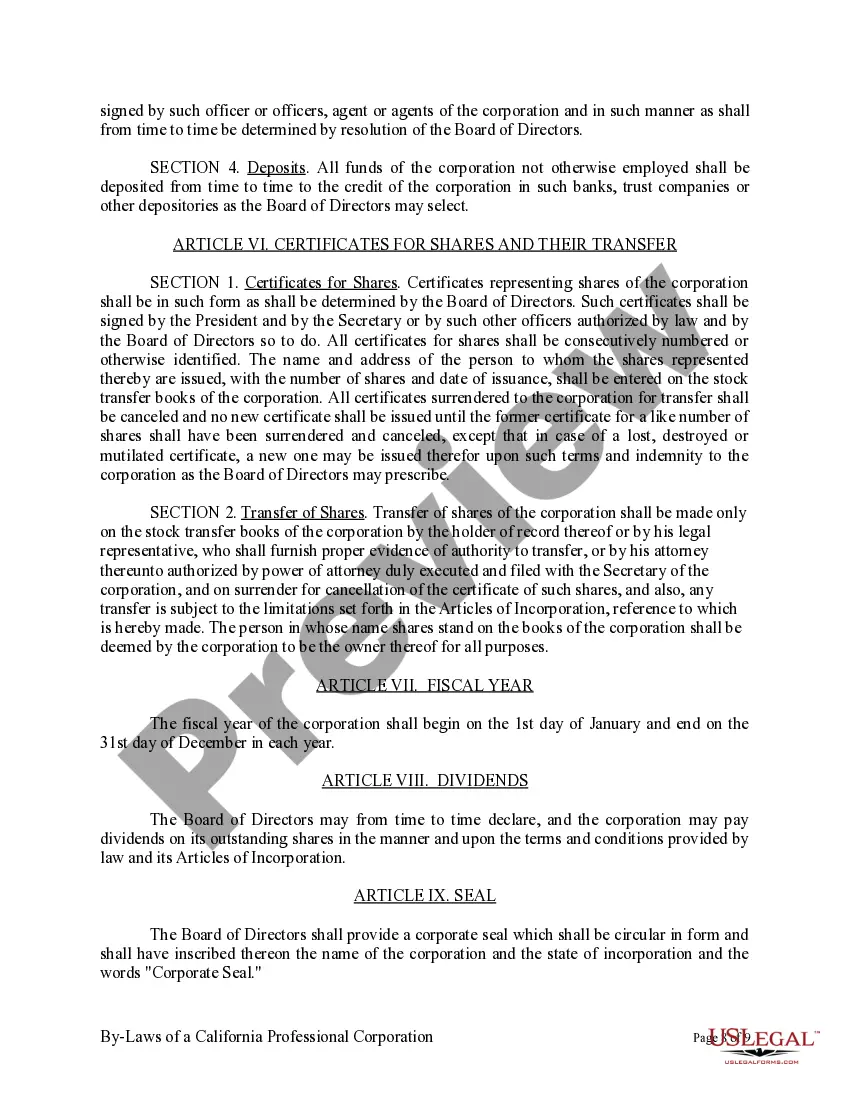
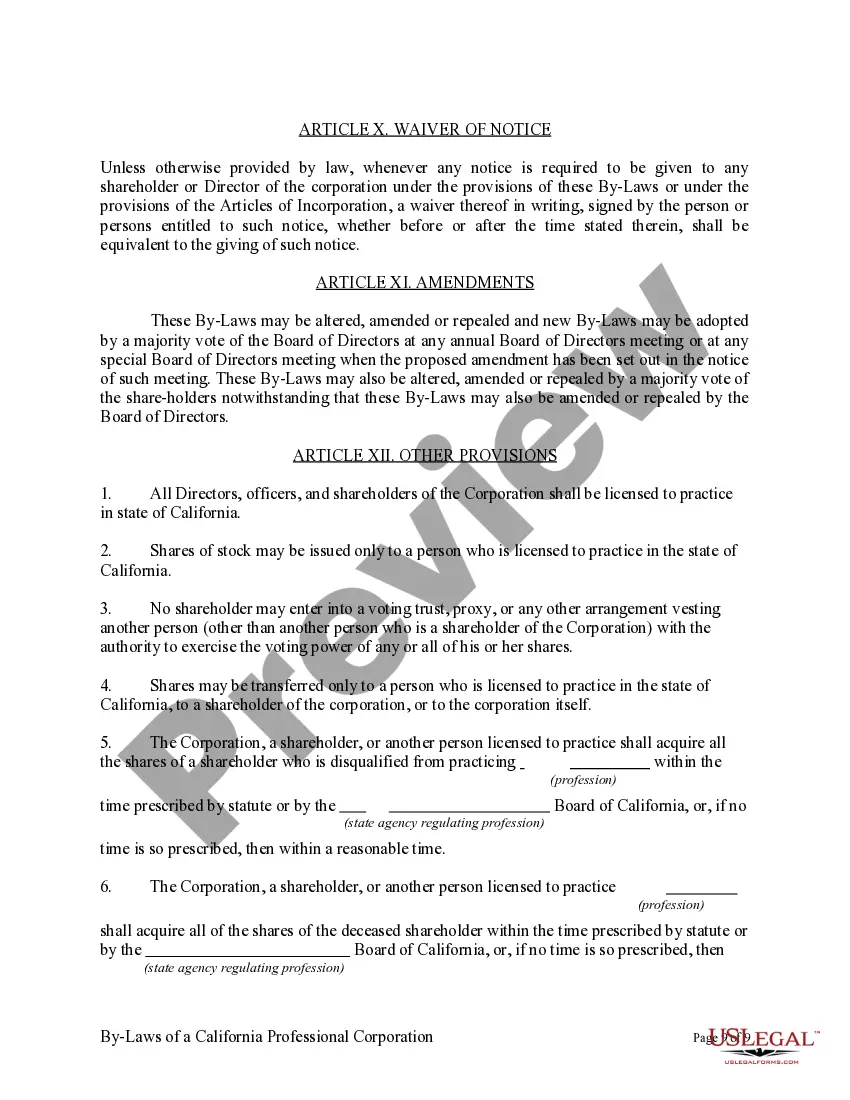
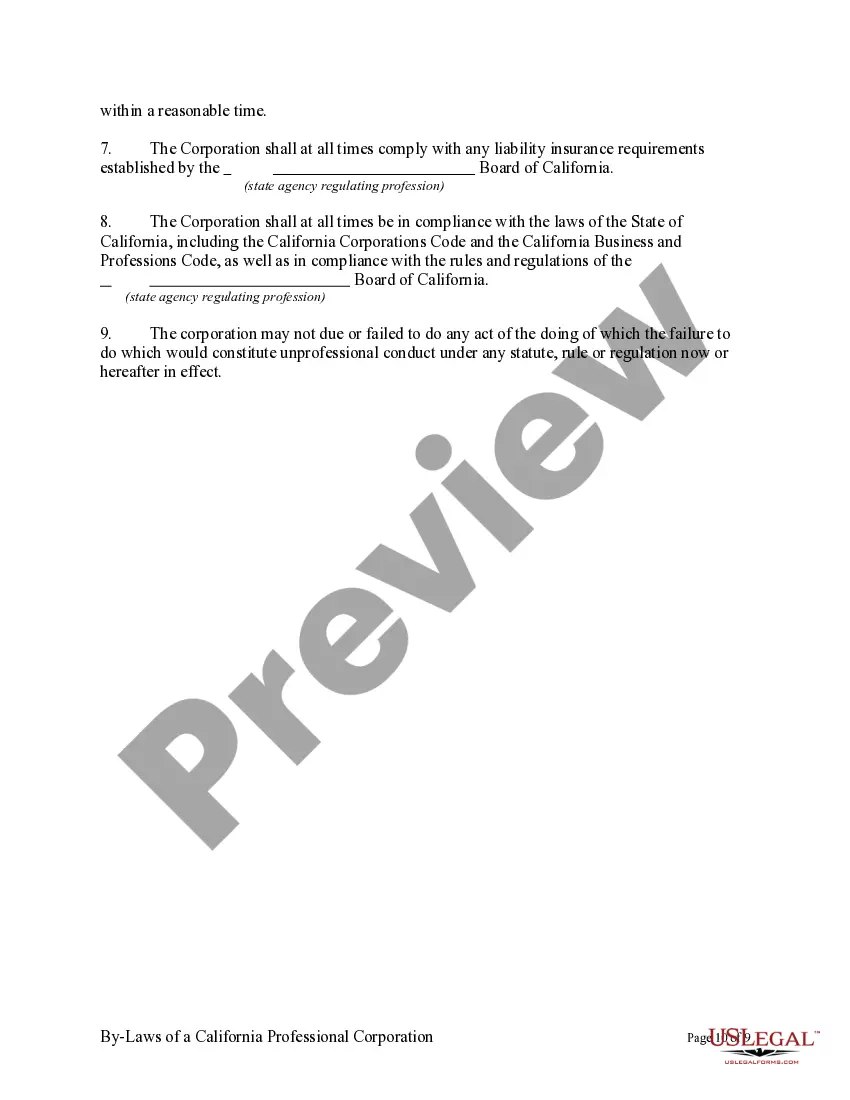
California Professional Corporation Bylaws Template With Rules
Description
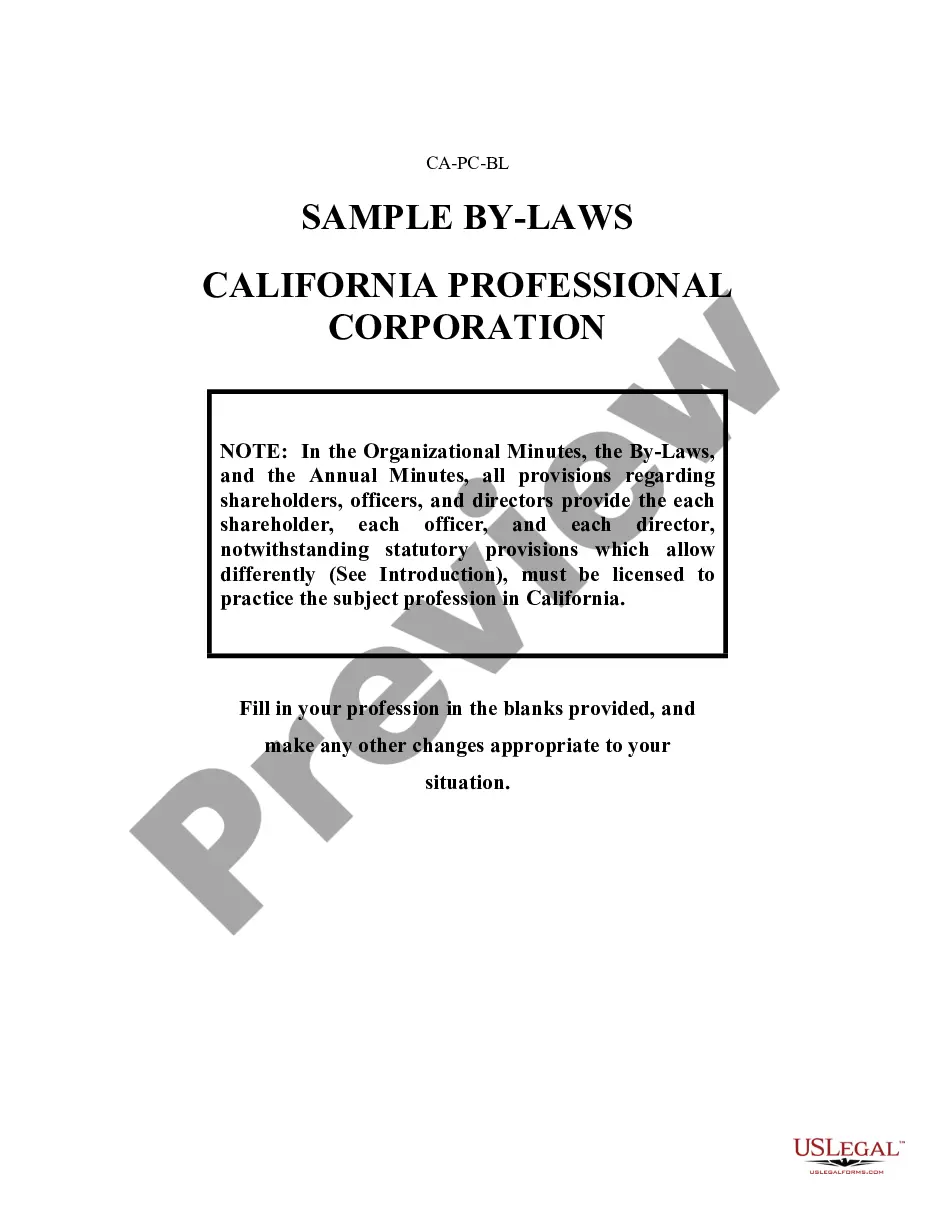
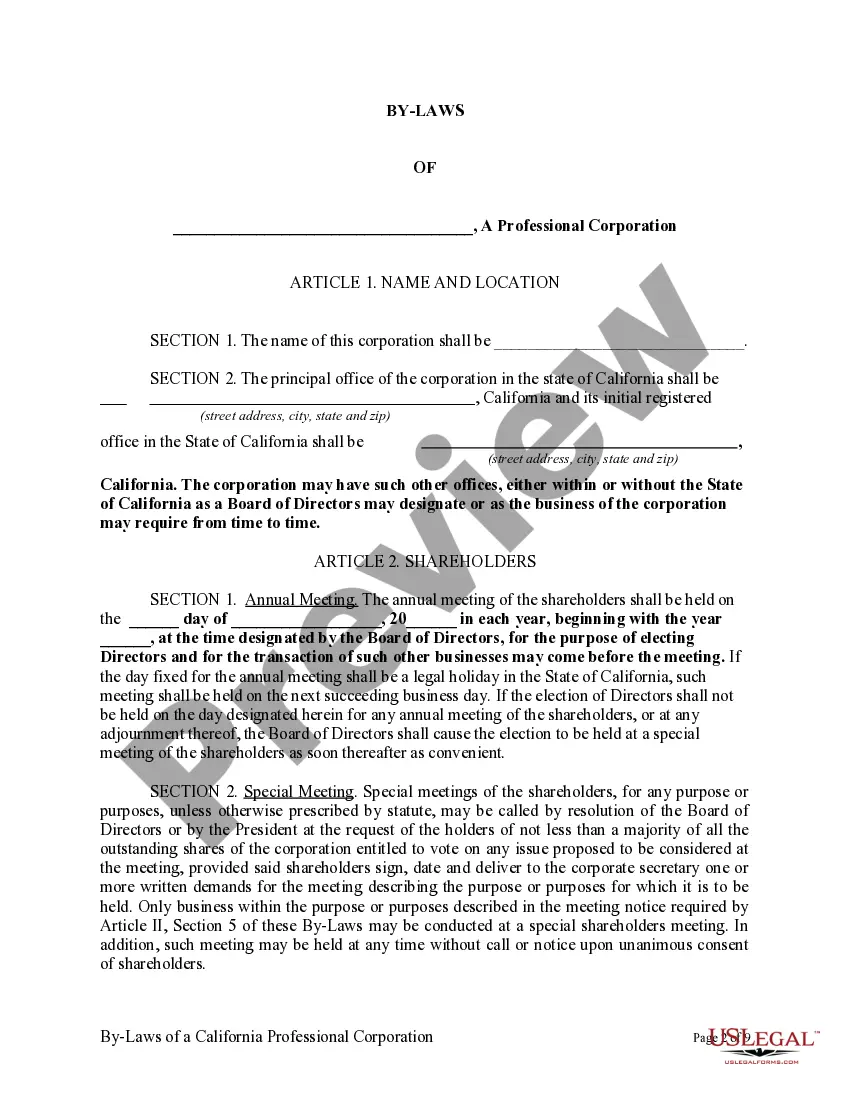
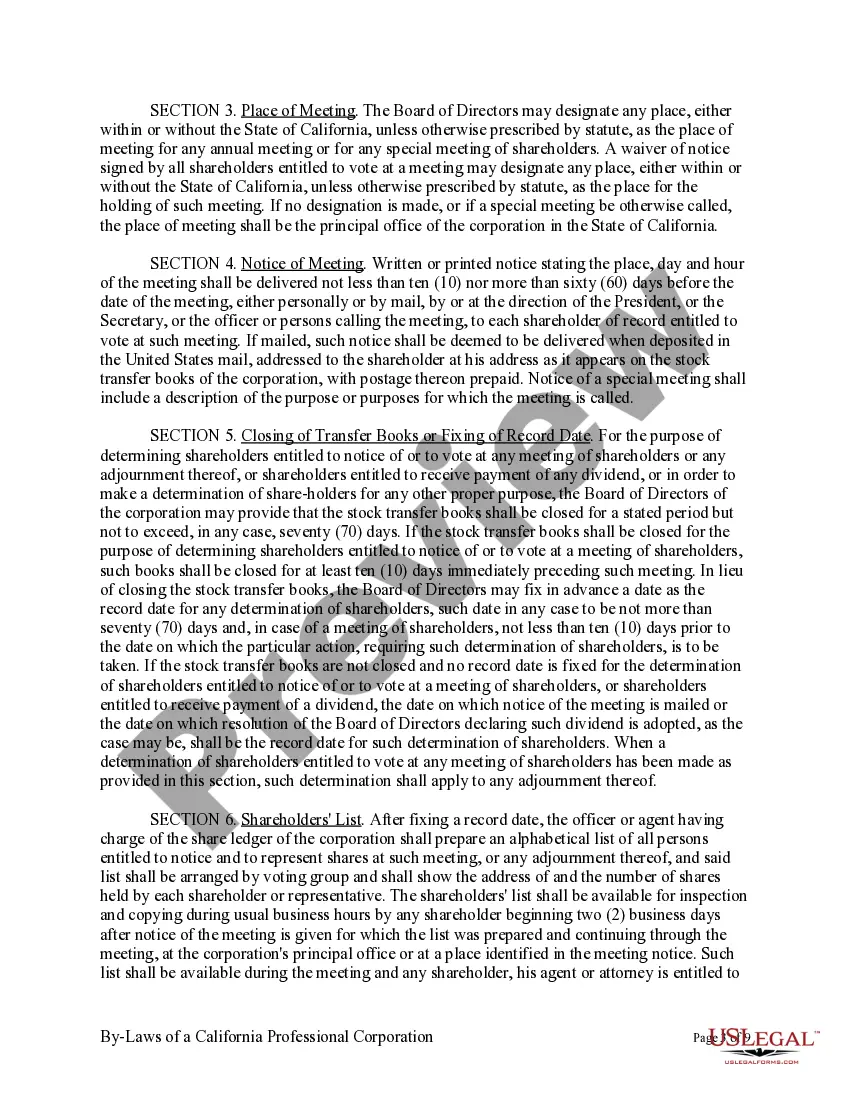
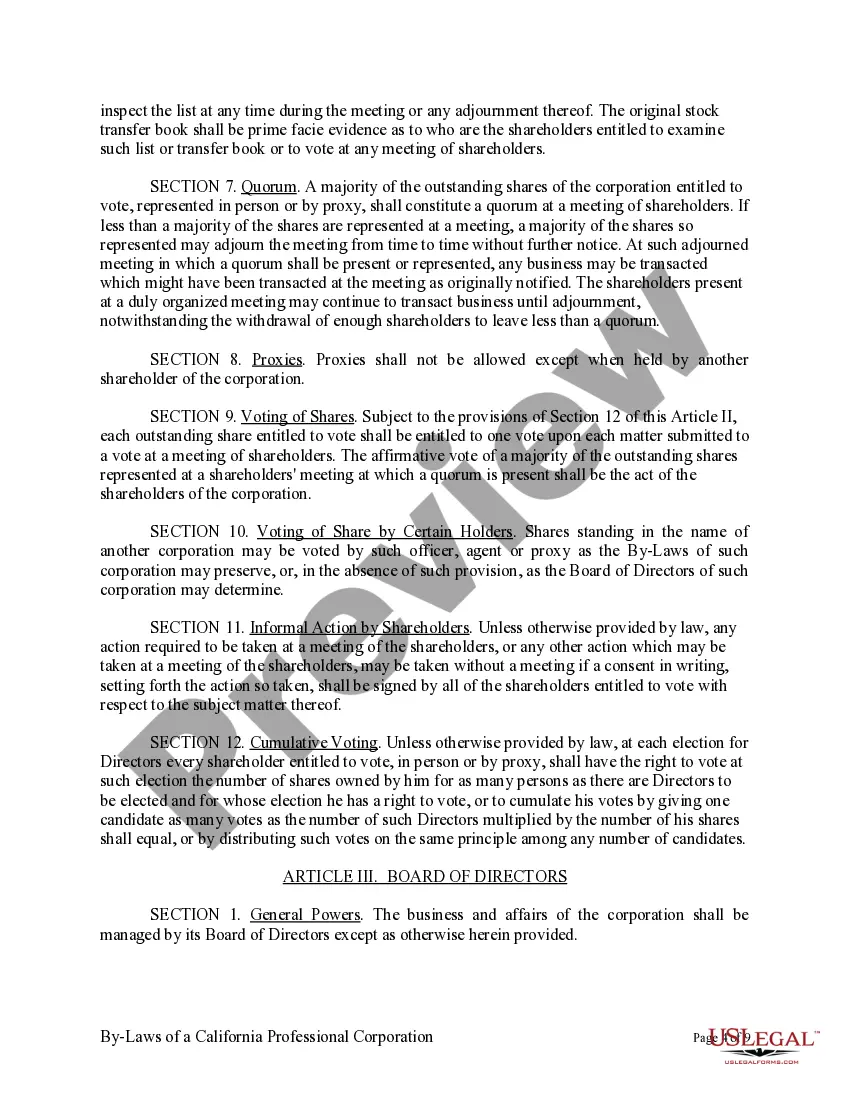
Get your form ready online
Our built-in tools help you complete, sign, share, and store your documents in one place.
Make edits, fill in missing information, and update formatting in US Legal Forms—just like you would in MS Word.
Download a copy, print it, send it by email, or mail it via USPS—whatever works best for your next step.
Sign and collect signatures with our SignNow integration. Send to multiple recipients, set reminders, and more. Go Premium to unlock E-Sign.
If this form requires notarization, complete it online through a secure video call—no need to meet a notary in person or wait for an appointment.
We protect your documents and personal data by following strict security and privacy standards.

Make edits, fill in missing information, and update formatting in US Legal Forms—just like you would in MS Word.

Download a copy, print it, send it by email, or mail it via USPS—whatever works best for your next step.

Sign and collect signatures with our SignNow integration. Send to multiple recipients, set reminders, and more. Go Premium to unlock E-Sign.

If this form requires notarization, complete it online through a secure video call—no need to meet a notary in person or wait for an appointment.

We protect your documents and personal data by following strict security and privacy standards.
Looking for another form?
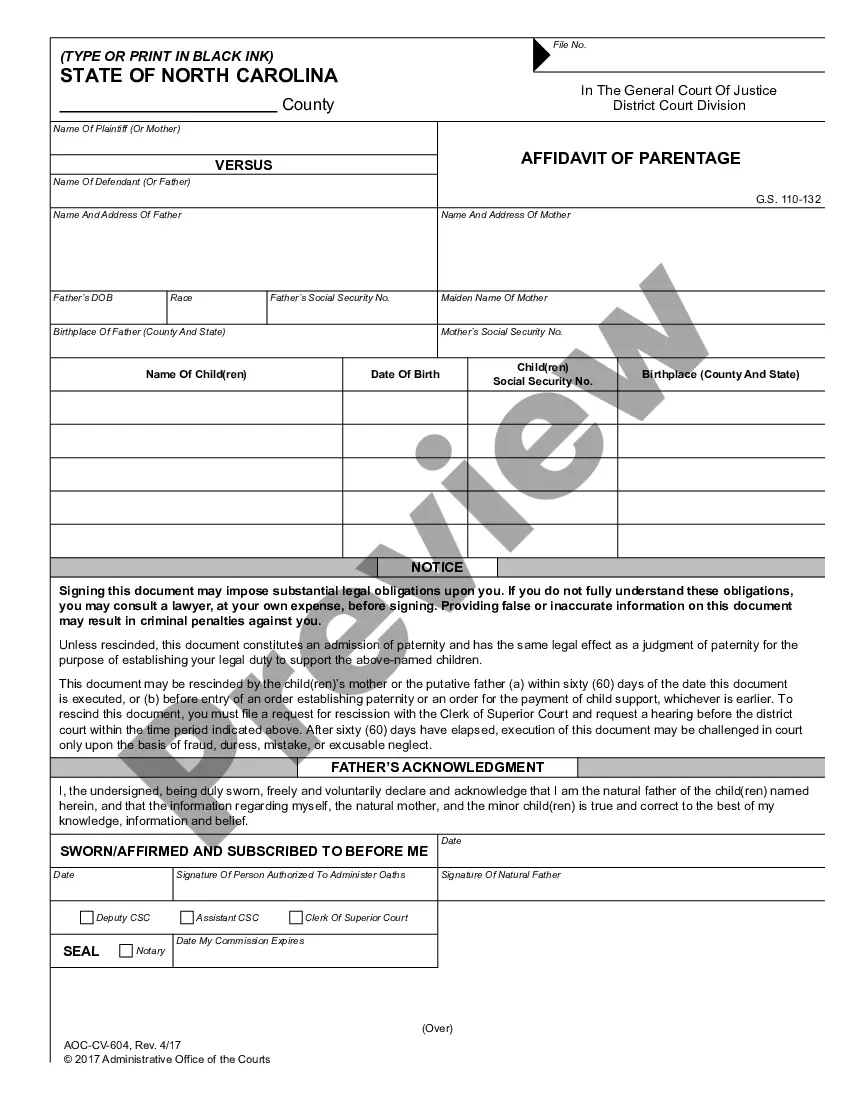
How to fill out Sample Bylaws For A California Professional Corporation?
Identifying a reliable source for accessing the latest and pertinent legal templates is a significant part of managing bureaucracy.
Finding the appropriate legal documents requires accuracy and meticulousness, which is why procuring examples of California Professional Corporation Bylaws Template With Regulations solely from trustworthy providers, such as US Legal Forms, is crucial. An incorrect template can squander your time and delay the matter at hand. With US Legal Forms, your concerns are minimized.
Eliminate the stress associated with your legal paperwork. Explore the extensive US Legal Forms collection, where you can find legal examples, verify their applicability to your situation, and download them instantly.
- Utilize the library navigation or search bar to find your template.
- Review the details of the form to ensure it aligns with your state and locality's requirements.
- Preview the form, if available, to confirm that it is indeed what you need.
- Return to the search to locate the correct document if the California Professional Corporation Bylaws Template With Regulations does not meet your needs.
- If you are confident in the form's applicability, download it.
- If you are a registered user, click Log in to verify your identity and access your selected forms in My documents.
- If you do not have an account yet, click Buy now to acquire the template.
- Select the pricing option that best fits your needs.
- Move on to the registration process to finalize your purchase.
- Conclude your transaction by selecting a payment method (credit card or PayPal).
- Choose the file format for downloading the California Professional Corporation Bylaws Template With Regulations.
- Once you have the document on your device, you can either edit it using the editor or print it to fill it out by hand.
Form popularity
FAQ
The specific requirements and restrictions for PoA forms will vary in each state; however, in South Carolina, your Power of Attorney will require notarization and the signatures of two witnesses. If your agent will manage real estate transactions, the Power of Attorney must be notarized and recorded with your county.
Recording Requirement As soon as possible after you have signed your POA and had it witnessed and notarized, you should record (file) it in the land records office (the register of deeds) in the county where you reside.
There are three requirements for a valid will in South Carolina: It is signed by the will-maker. It must have two witness signatures. It must be notarized by a notary public.
Specifically, Rule 5 of the South Carolina Rules of Criminal Procedure provides that, upon request by you, the prosecution has to provide you with or let you inspect any statements you've made, your prior criminal history, any books, papers, documents, photographs, tangible objects, buildings or places, which are under ...
Specifically, Rule 5 of the South Carolina Rules of Criminal Procedure provides that, upon request by you, the prosecution has to provide you with or let you inspect any statements you've made, your prior criminal history, any books, papers, documents, photographs, tangible objects, buildings or places, which are under ...
(d) Filing. Upon failure to serve the summons and complaint, the action may be dismissed by the court on the court's own initiative or upon application of any party. Upon failure of a party to file other pleadings, motions, or papers, the court may permit filing or proceed as though the same had not been served.
With respect to all pleadings subsequent to the original complaint and other papers required or permitted to be served, service shall be made upon the party's attorney of record and, if ordered by the court, also upon the party. If the party has no attorney of record, service shall be made upon the party.
(A) A person making an arrest within the United States must take the defendant without unnecessary delay before a magistrate judge, or before a state or local judicial officer as Rule 5(c) provides, unless a statute provides otherwise.