California Theft By False Pretenses
Description
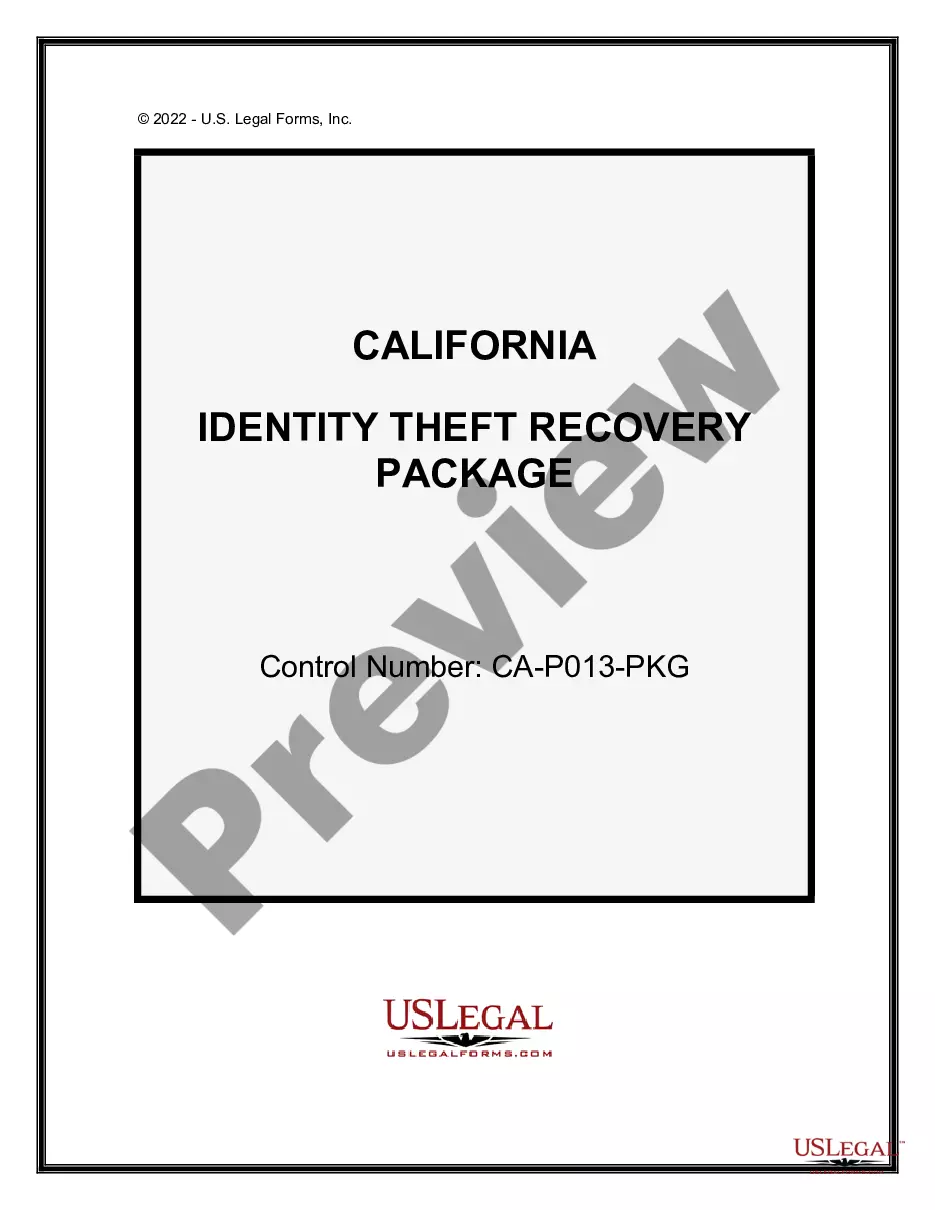
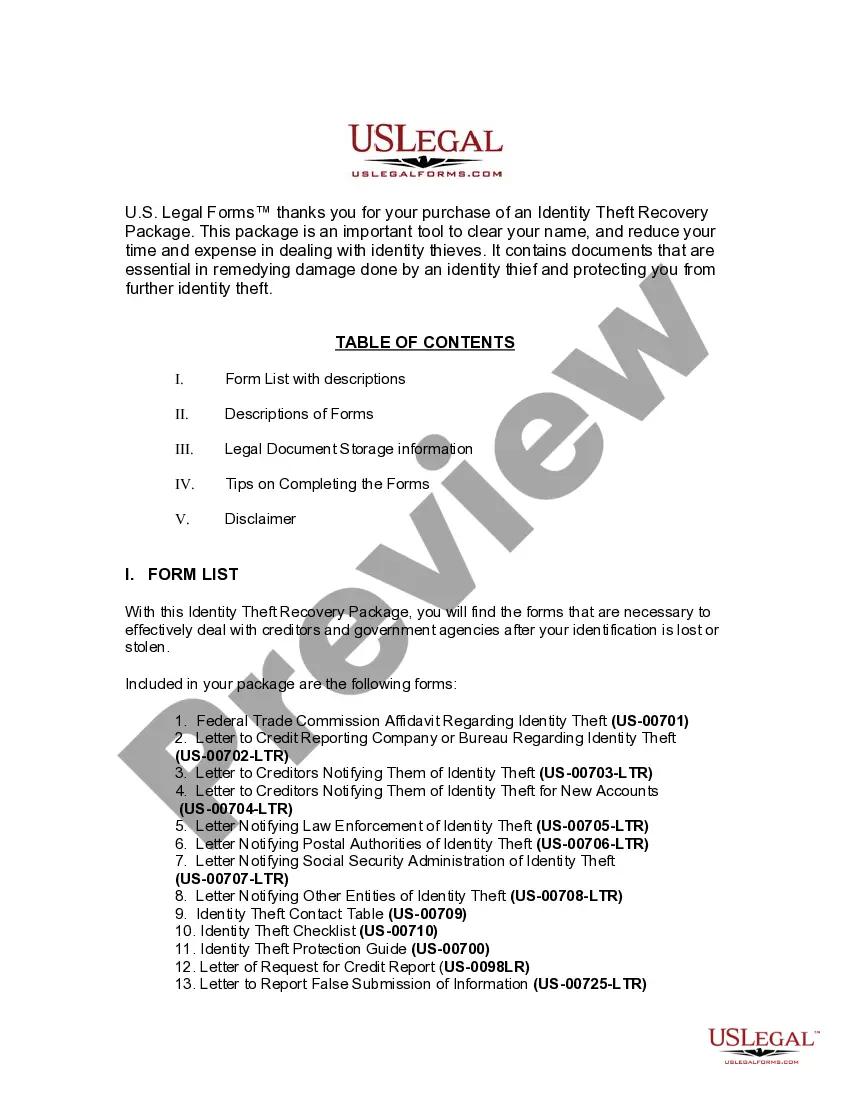
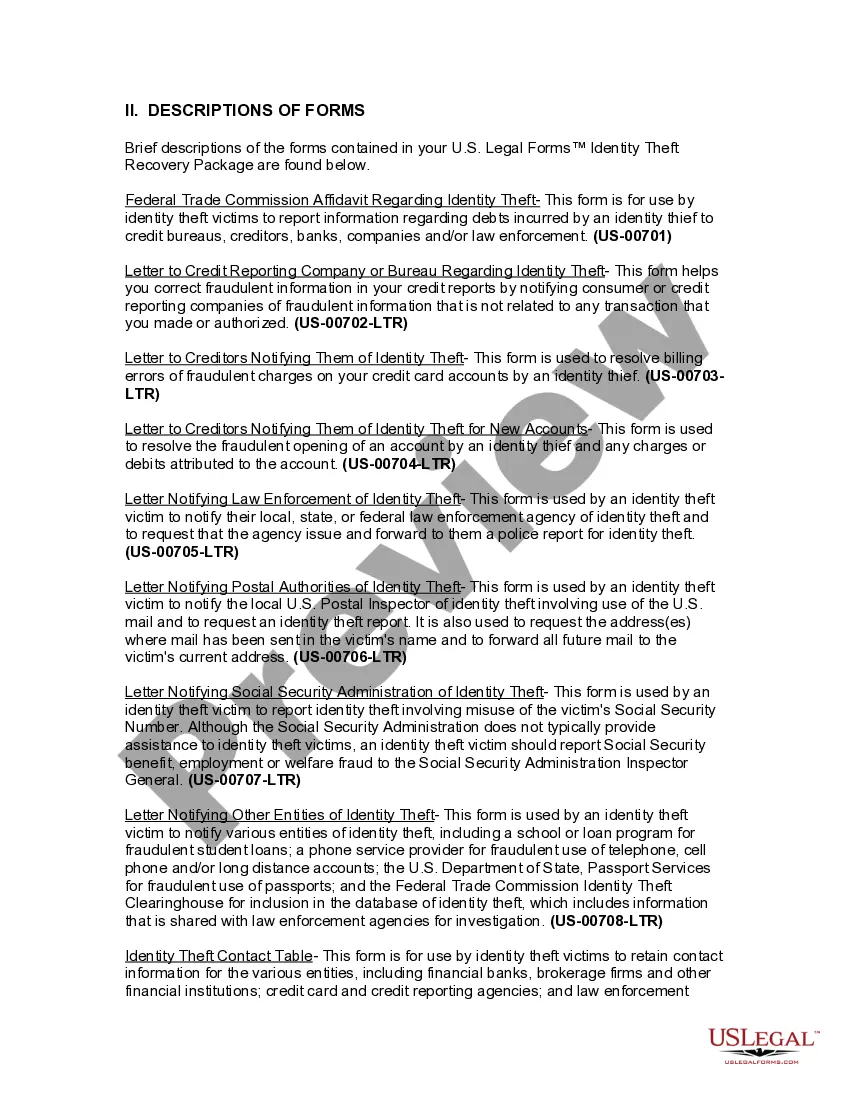
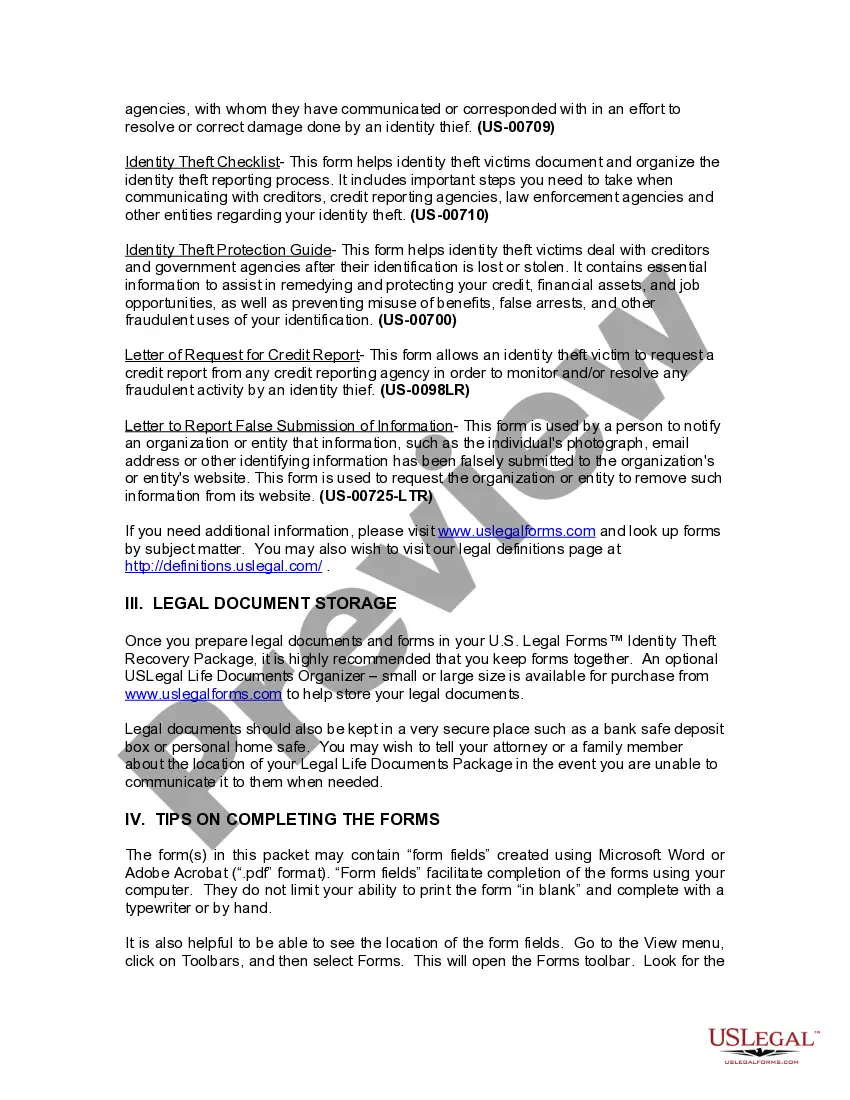
Get your form ready online
Our built-in tools help you complete, sign, share, and store your documents in one place.
Make edits, fill in missing information, and update formatting in US Legal Forms—just like you would in MS Word.
Download a copy, print it, send it by email, or mail it via USPS—whatever works best for your next step.
Sign and collect signatures with our SignNow integration. Send to multiple recipients, set reminders, and more. Go Premium to unlock E-Sign.
If this form requires notarization, complete it online through a secure video call—no need to meet a notary in person or wait for an appointment.
We protect your documents and personal data by following strict security and privacy standards.

Make edits, fill in missing information, and update formatting in US Legal Forms—just like you would in MS Word.

Download a copy, print it, send it by email, or mail it via USPS—whatever works best for your next step.

Sign and collect signatures with our SignNow integration. Send to multiple recipients, set reminders, and more. Go Premium to unlock E-Sign.

If this form requires notarization, complete it online through a secure video call—no need to meet a notary in person or wait for an appointment.

We protect your documents and personal data by following strict security and privacy standards.
Looking for another form?







How to fill out California Identity Theft Recovery Package?
Whether for commercial reasons or for private issues, everyone must handle legal circumstances at some point in their life.
Completing legal documents requires meticulous care, starting with selecting the correct form template.
Once it is saved, you can fill out the form using editing software or print it and complete it manually. With a vast US Legal Forms catalog available, you won’t need to waste time searching for the right template online. Utilize the library’s intuitive navigation to find the appropriate form for any circumstance.
- For example, if you select an incorrect version of the California Theft By False Pretenses, it will be rejected when you submit it.
- Thus, it is essential to obtain a trustworthy source of legal documents such as US Legal Forms.
- If you need to get a California Theft By False Pretenses template, follow these straightforward steps.
- Locate the template you require by using the search box or browsing the catalog.
- Review the form’s description to confirm it fits your case, state, and county.
- Click on the form’s preview to inspect it.
- If it is the incorrect form, return to the search function to find the California Theft By False Pretenses example you need.
- Acquire the template when it aligns with your requirements.
- If you have a US Legal Forms account, just click Log in to access previously saved documents in My documents.
- If you don’t have an account yet, you can get the form by clicking Buy now.
- Choose the appropriate pricing option.
- Complete the profile registration form.
- Select your payment method: use a credit card or PayPal account.
- Choose the file format you want and download the California Theft By False Pretenses.
Form popularity
FAQ
To prove California theft by false pretenses, you must demonstrate that the accused made a false representation, which led the victim to part with their property. This involves showing that the representation was intentional and that the victim relied on it to their detriment. Additionally, you need to establish that the accused had the intent to defraud the victim. Utilizing resources like US Legal Forms can help you understand the legal definitions and processes involved in these cases.
Theft by false pretenses, specifically in California, involves obtaining someone else's property through deceitful means. This crime occurs when a person uses fraudulent statements or misrepresentations to convince another party to relinquish their property. In California, this form of theft can lead to serious legal consequences, including fines and imprisonment. Understanding the nuances of California theft by false pretenses is crucial, especially if you find yourself facing such charges; seeking legal assistance through platforms like US Legal Forms can provide valuable guidance.
The punishment for false pretense in California can vary depending on the amount involved and the specifics of the case. Generally, it can result in felony or misdemeanor charges, leading to imprisonment, fines, or both. Repeat offenders may face harsher penalties. If you are facing allegations related to California theft by false pretenses, it is crucial to consult with a legal expert to explore your options.
Theft by false pretense in California refers to the act of acquiring someone else's property through deceitful methods. The law requires that the perpetrator must have made a false representation that the victim believed to be true. This crime is taken seriously in California, and consequences may include criminal charges and restitution. If you find yourself in a situation related to California theft by false pretenses, seeking legal advice is advisable.
To prove theft by deception, one must demonstrate that the accused knowingly made false statements intending to deceive the victim. Additionally, it must be shown that the victim relied on these false statements and suffered a loss as a result. Evidence such as documentation or witness testimonies can support these claims. Understanding these elements is essential when dealing with California theft by false pretenses.
Hear this out loud PauseOne simple example of false pretenses would be making it seem to a seller like you have funds available in your bank account in order to get them to sell you something when, in fact, you know there are no funds in your bank account.
PC 532 theft by false pretenses prohibits defrauding someone of money or property using false promises. This statute prohibits defrauding somebody of their money or property using false promises, such as convincing someone to voluntarily give up of something of value based fraudulent representation.
False pre·?tens·?es. -?pre-?ten-s?z, -pri-?ten- : false representations concerning past or present facts that are made with the intent to defraud another. also : the crime of obtaining title to another's property by false pretenses compare larceny by trick at larceny, theft.
Theft Penalties In California Felony charges frequently result in three years in state prison, a fine of up to $10,000, or both a fine and a prison term. Misdemeanor charges often result in six months in county jail and a fine of up to $1,000.
Idiom. : by saying something that is not true, by pretending something, etc. A reporter obtained documents from the company under false pretenses.