California Penal Code For Theft
Description
Get your form ready online
Our built-in tools help you complete, sign, share, and store your documents in one place.
Make edits, fill in missing information, and update formatting in US Legal Forms—just like you would in MS Word.
Download a copy, print it, send it by email, or mail it via USPS—whatever works best for your next step.
Sign and collect signatures with our SignNow integration. Send to multiple recipients, set reminders, and more. Go Premium to unlock E-Sign.
If this form requires notarization, complete it online through a secure video call—no need to meet a notary in person or wait for an appointment.
We protect your documents and personal data by following strict security and privacy standards.

Make edits, fill in missing information, and update formatting in US Legal Forms—just like you would in MS Word.

Download a copy, print it, send it by email, or mail it via USPS—whatever works best for your next step.

Sign and collect signatures with our SignNow integration. Send to multiple recipients, set reminders, and more. Go Premium to unlock E-Sign.

If this form requires notarization, complete it online through a secure video call—no need to meet a notary in person or wait for an appointment.

We protect your documents and personal data by following strict security and privacy standards.
Looking for another form?
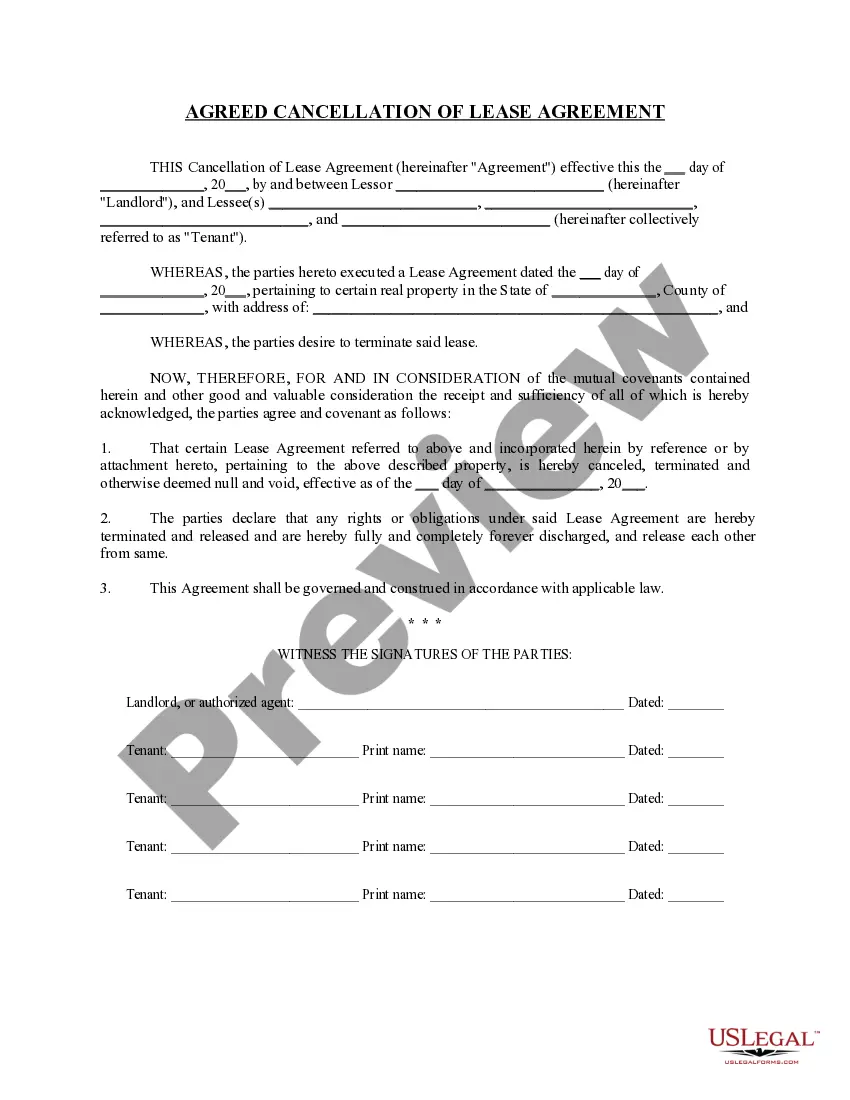





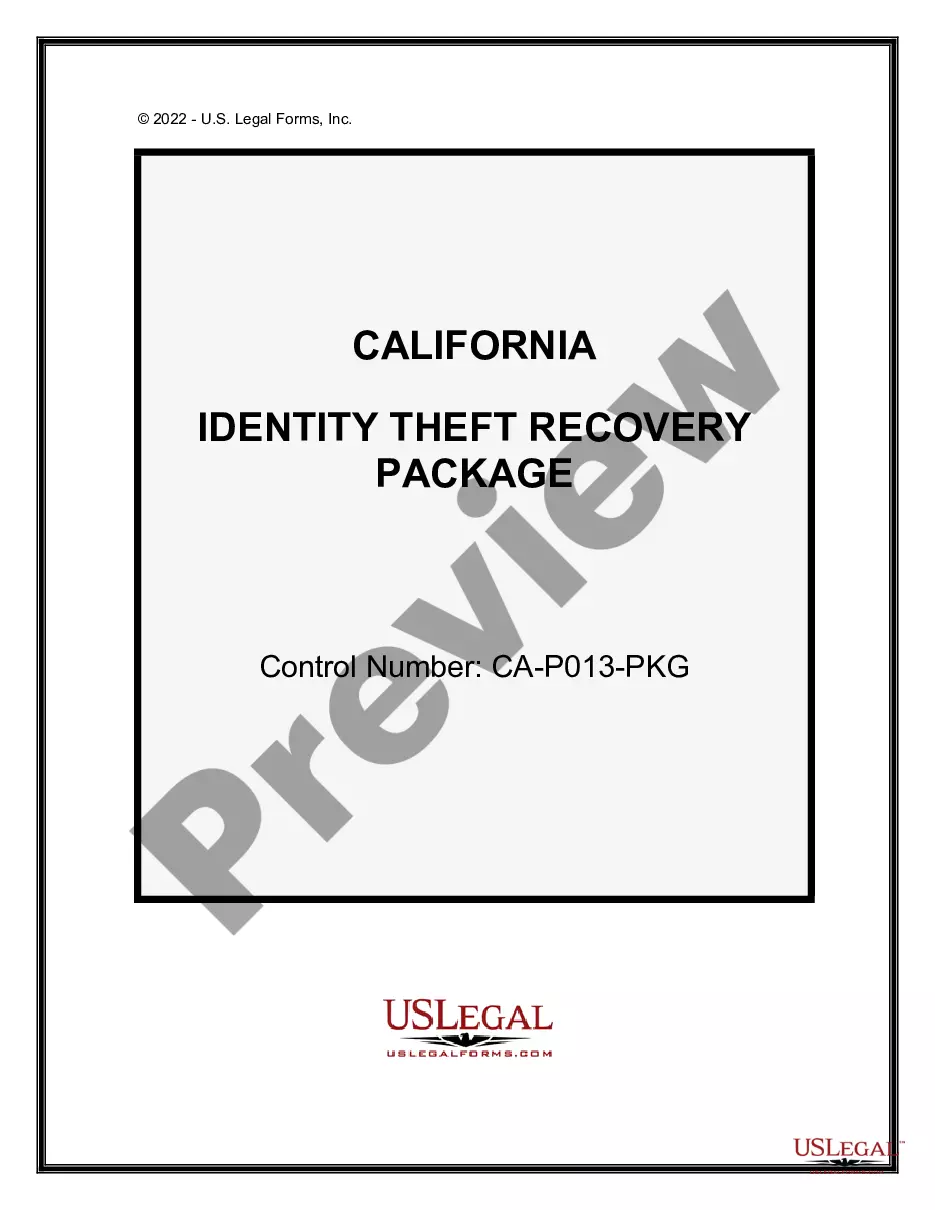
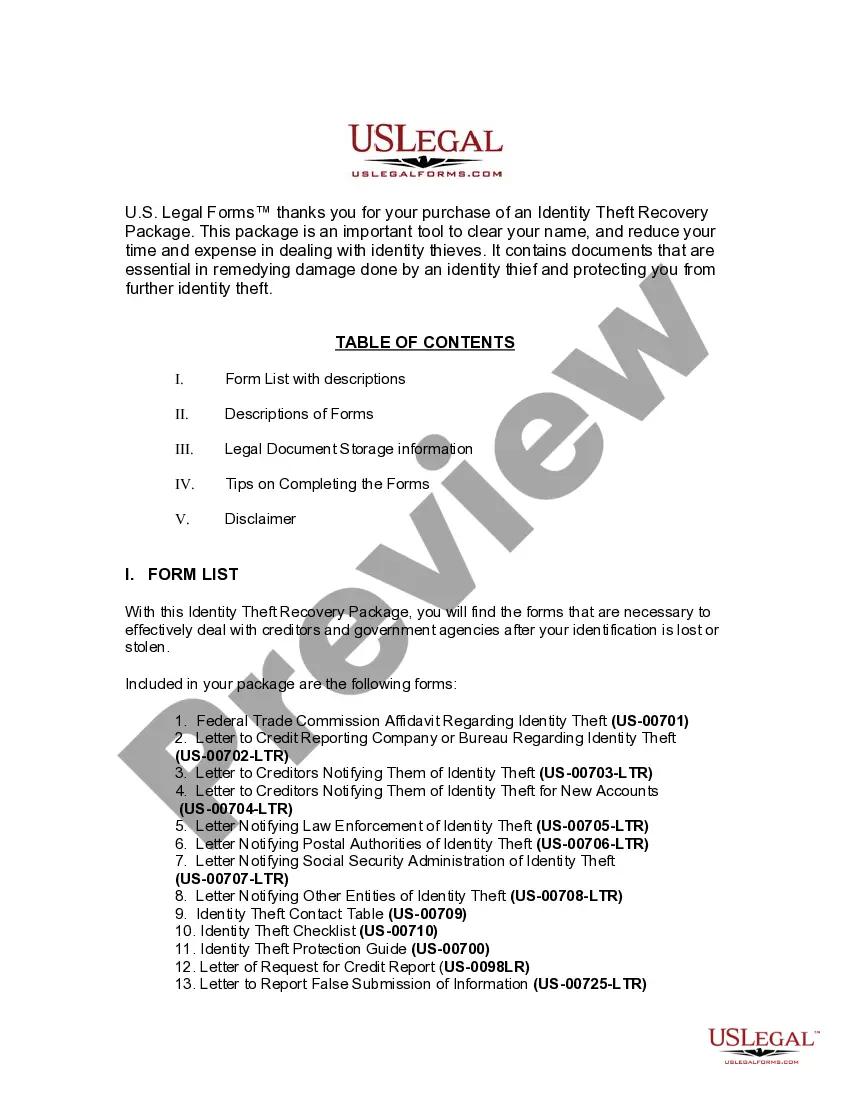
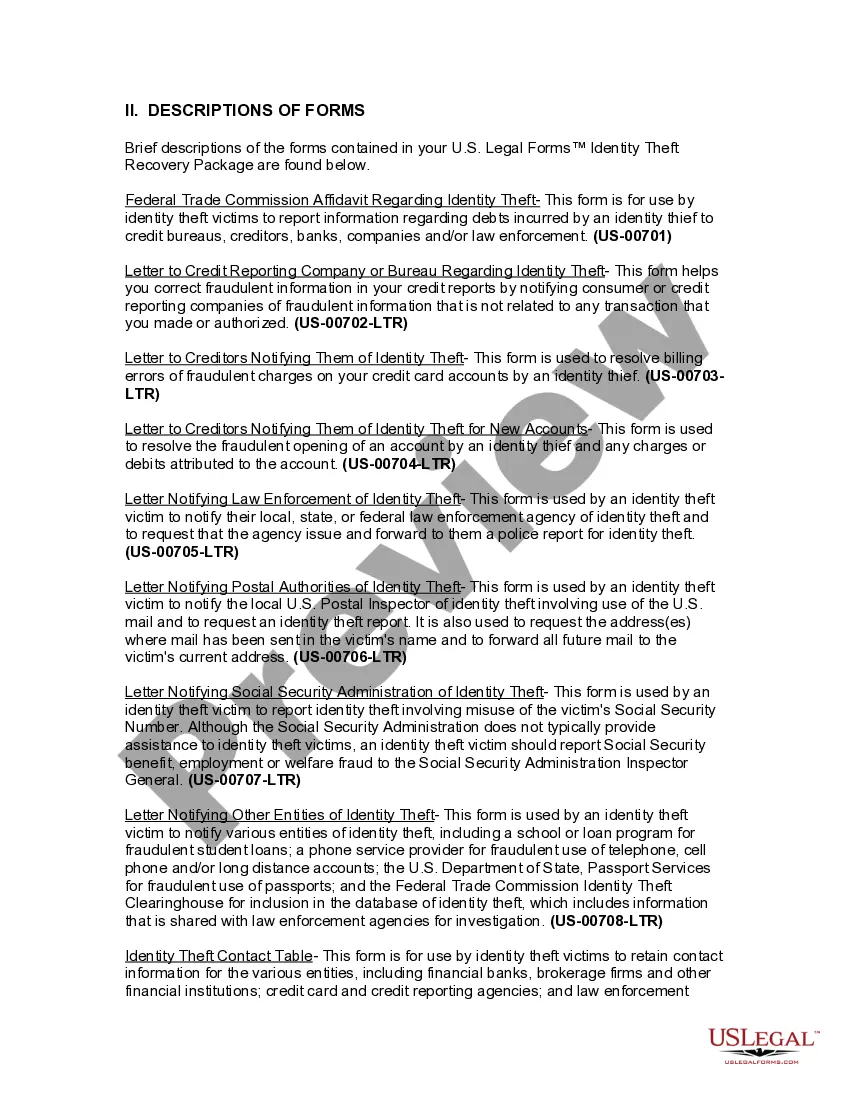
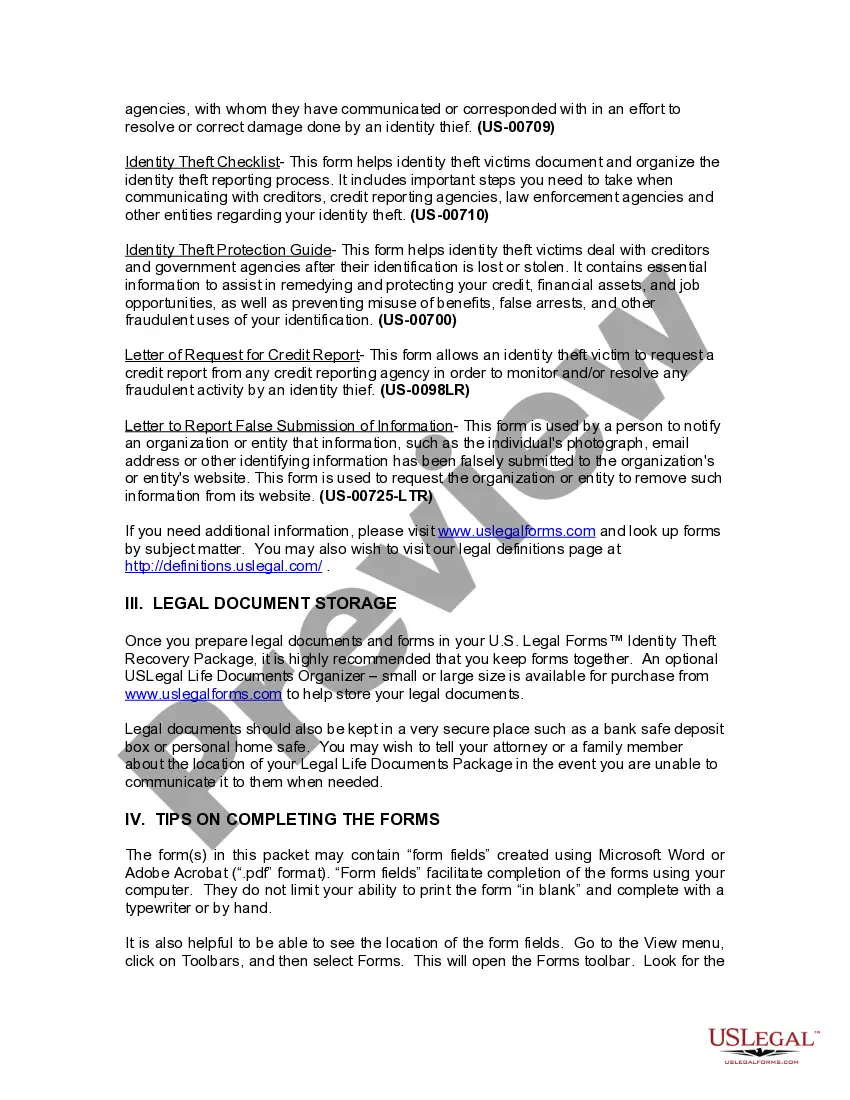
How to fill out California Identity Theft Recovery Package?
It’s clear that you cannot become a legal expert instantly, nor can you master how to swiftly craft the California Penal Code For Theft without a specialized education.
Assembling legal documents is an extensive endeavor necessitating specific training and expertise. So why not entrust the formulation of the California Penal Code For Theft to the experts.
With US Legal Forms, one of the most exhaustive legal template repositories, you can discover everything from court documents to templates for internal business communication.
You can regain access to your documents from the My documents tab at any time. If you’re an existing client, simply Log In, and find and download the template from the same tab.
Regardless of the aim of your forms—whether financial, legal, or personal—our platform has you supported. Test out US Legal Forms now!
- Find the document you require by utilizing the search bar at the page's top.
- Preview it (if this option is available) and read the accompanying description to determine if California Penal Code For Theft is what you need.
- Begin your search again if you require a different template.
- Create a free account and select a subscription plan to purchase the form.
- Click Buy now. Once the payment is processed, you can download the California Penal Code For Theft, fill it out, print it, and send or mail it to the relevant individuals or entities.
Form popularity
FAQ
To prove a theft act under the California penal code for theft, five key elements must be established. First, the property in question must belong to someone else. Second, the accused must have unlawfully taken or used this property. Third, there must be intent to permanently deprive the owner of their property. Fourth, the action must be without the owner's consent. Finally, the accused must have had possession of the property, even if briefly. Understanding these points can help individuals navigate their legal situation, and for further assistance, you can explore the resources available on the US Legal Forms platform.
PC 484 encompasses all types of theft, while PC 488 PC specifically refers to the offense of petty theft under California law. Essentially, PC 484 sets the broader framework for theft offenses, whereas PC 488 PC deals with less severe cases involving lower-value items. Recognizing these differences helps individuals understand the legal landscape surrounding theft charges. For those seeking guidance, US Legal Forms offers helpful resources to navigate the complexities of California penal code for theft.
The key difference between PC 484 and PC 488 lies in the value of the stolen property. PC 484 addresses theft in general, while PC 488 specifically pertains to petty theft, which involves property valued at $950 or less. Understanding this distinction is crucial for individuals charged with theft, as it can significantly affect the severity of the penalties. US Legal Forms can provide valuable insights into these legal definitions and assist in understanding your rights.
PC 484 refers to the California Penal Code for theft, which defines theft as the unlawful taking of someone else's property with the intent to permanently deprive the owner of it. This offense can include various acts, such as larceny, embezzlement, or theft by false pretenses. Understanding PC 484 helps individuals recognize the legal implications of theft and the potential consequences they may face. For those seeking more information on legal matters, US Legal Forms offers resources to navigate through these complexities.
The penal code for theft in California primarily falls under PC 484, which covers petty theft, and PC 487, which pertains to grand theft. Knowing these codes can help you understand the legal implications of theft charges. For help navigating these laws, consider using platforms like UsLegalForms to access valuable resources.
PC 459 defines burglary as entering a structure with the intent to commit theft or another crime. PC 460 further classifies burglary into first-degree and second-degree, based on the type of structure involved. Understanding these differences can significantly impact the outcome of your case under the California Penal Code for theft.
The California Penal Code for theft encompasses various statutes that define the unlawful taking of property. The primary sections include PC 484 for theft and PC 487 for grand theft. Understanding these laws can help you navigate charges or defend against them effectively.
PC 484 a)- M theft refers to misdemeanor theft under the California Penal Code for theft. This statute covers the unlawful taking of someone else's property valued at less than $950. If you are charged with this offense, you may face fines, restitution, or even jail time, depending on the specifics of your case.
PC 459 pertains to burglary, which involves entering a building with the intent to commit theft or another crime. In contrast, PC 460 distinguishes between first-degree and second-degree burglary based on the type of property involved. First-degree burglary typically involves residential properties, while second-degree relates to commercial properties. Understanding the California penal code for theft and burglary can help you determine the severity of the charges faced.
Victims of theft in California should report the crime as soon as possible, ideally within a few days. The California penal code for theft does not specify a strict deadline, but timely reporting can aid in recovering stolen property and building a strong case. Delays in reporting may complicate investigations and reduce the chances of resolution. Using platforms like USLegalForms can assist you in understanding your rights and responsibilities in such situations.