California Law For Community Property
Description
Get your form ready online
Our built-in tools help you complete, sign, share, and store your documents in one place.
Make edits, fill in missing information, and update formatting in US Legal Forms—just like you would in MS Word.
Download a copy, print it, send it by email, or mail it via USPS—whatever works best for your next step.
Sign and collect signatures with our SignNow integration. Send to multiple recipients, set reminders, and more. Go Premium to unlock E-Sign.
If this form requires notarization, complete it online through a secure video call—no need to meet a notary in person or wait for an appointment.
We protect your documents and personal data by following strict security and privacy standards.

Make edits, fill in missing information, and update formatting in US Legal Forms—just like you would in MS Word.

Download a copy, print it, send it by email, or mail it via USPS—whatever works best for your next step.

Sign and collect signatures with our SignNow integration. Send to multiple recipients, set reminders, and more. Go Premium to unlock E-Sign.

If this form requires notarization, complete it online through a secure video call—no need to meet a notary in person or wait for an appointment.

We protect your documents and personal data by following strict security and privacy standards.
Looking for another form?









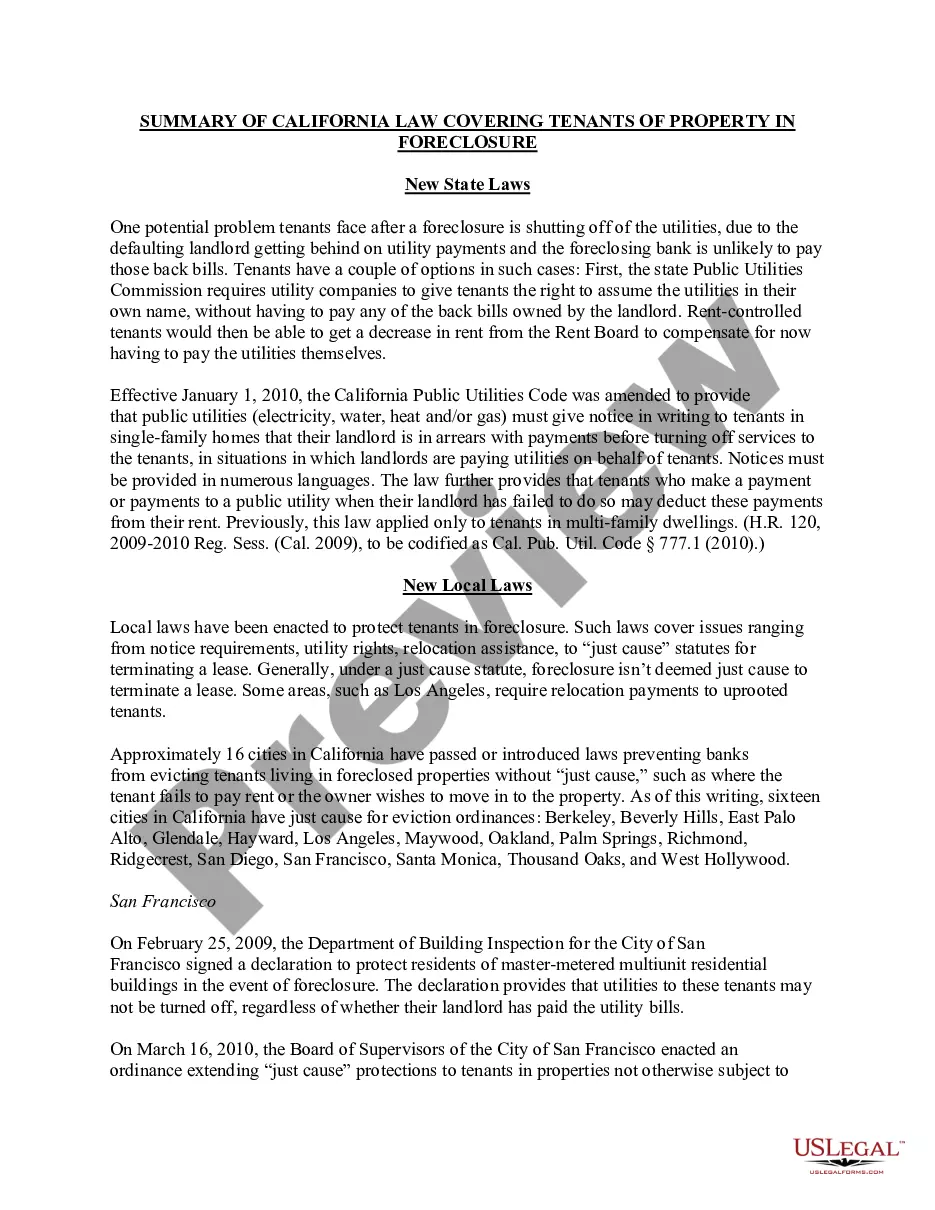
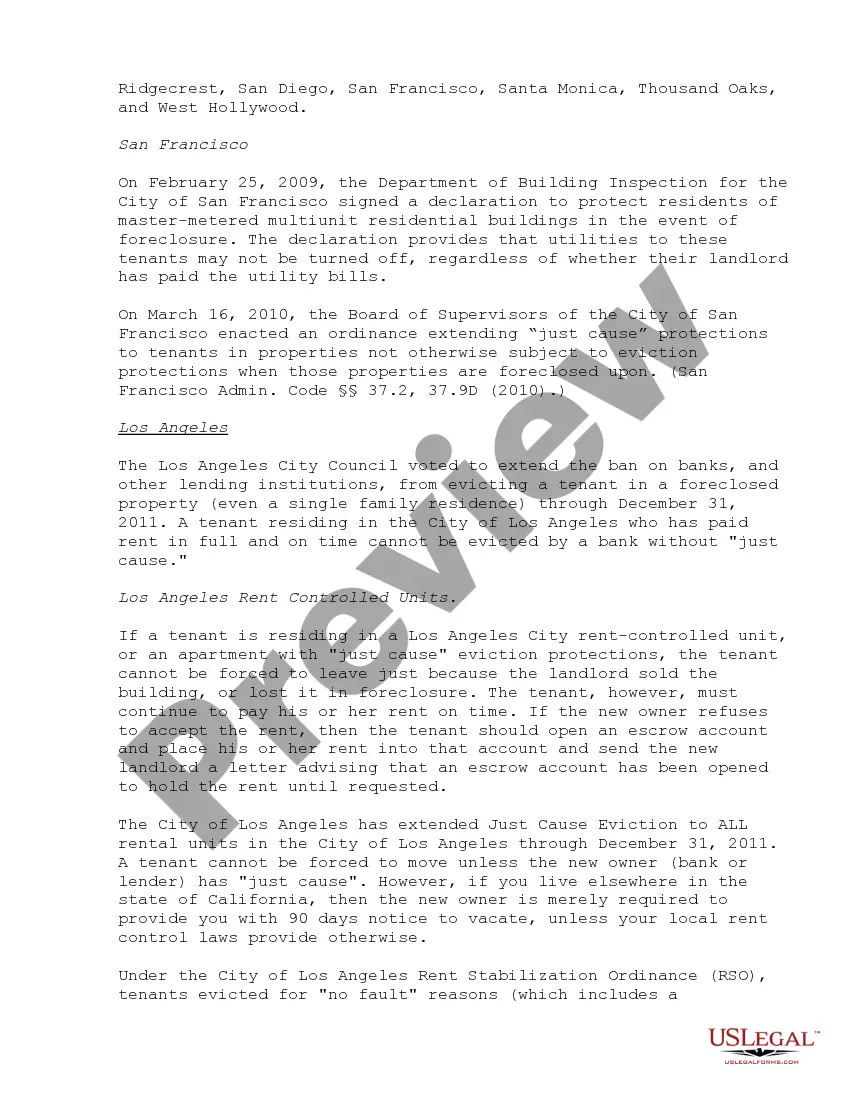
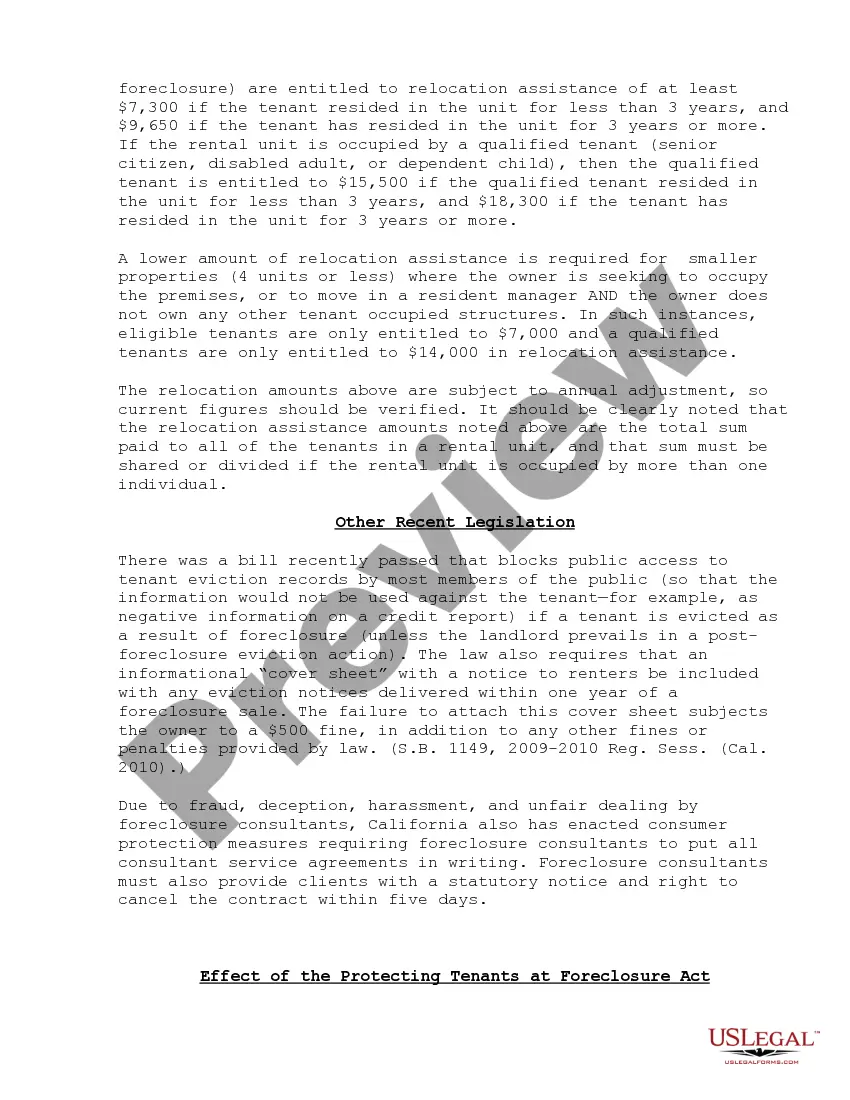
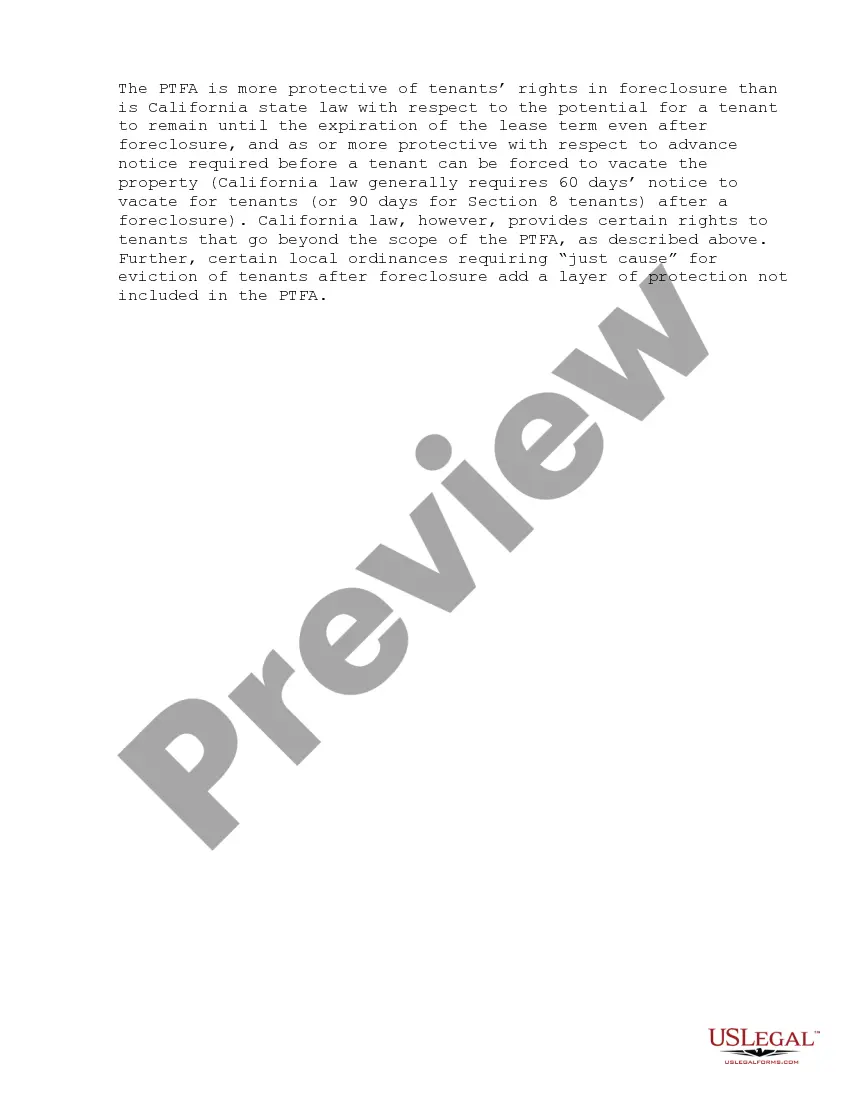
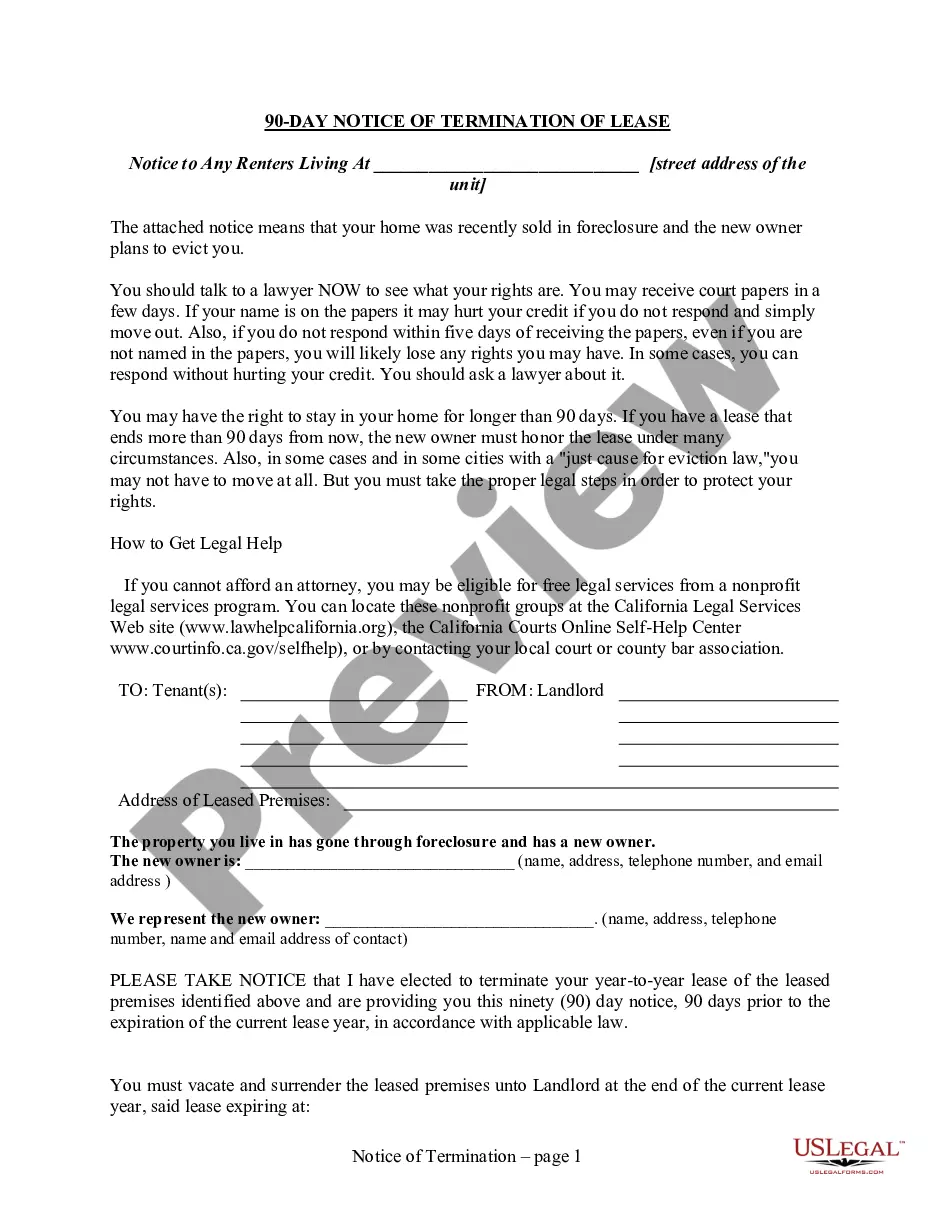
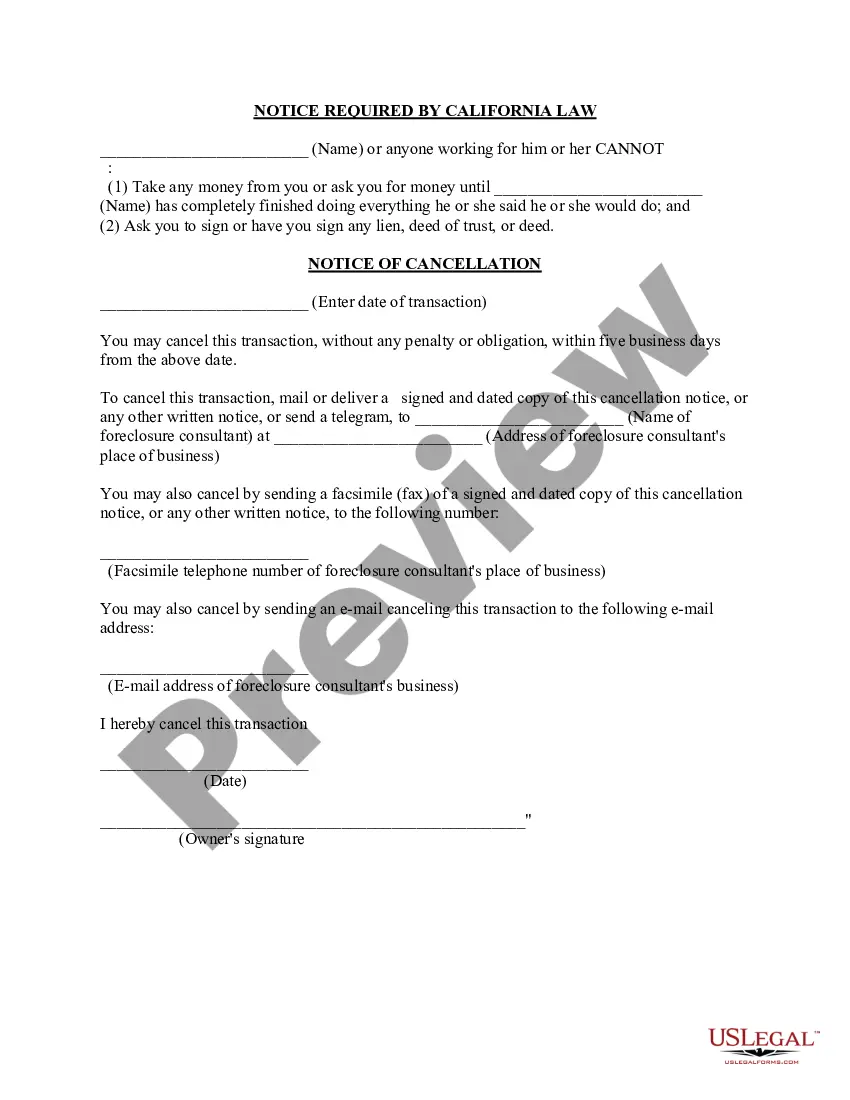
How to fill out Summary Of California Law Covering Tenants Of Property In Foreclosure?
It’s clear that you cannot become a legal expert instantly, nor can you quickly learn how to draft California Law For Community Property without a specific set of abilities.
Formulating legal documents is a lengthy procedure that demands particular training and expertise. So why not entrust the drafting of the California Law For Community Property to the specialists.
With US Legal Forms, one of the largest legal document repositories, you can locate everything from court documents to templates for internal business communication.
You can revisit your forms through the My documents section at any time. If you’re an ongoing client, you can merely Log In, and locate and download the template from the same area.
Regardless of your documents' intent—be it financial, legal, or personal—our platform has you supported. Give US Legal Forms a try today!
- Explore the form you require using the search bar at the top of the site.
- Examine it (if this option is available) and review the accompanying description to see if California Law For Community Property is what you’re looking for.
- Begin your search anew if you need a different form.
- Sign up for a complimentary account and choose a subscription plan to acquire the form.
- Click Buy now. After the payment is processed, you can download the California Law For Community Property, complete it, print it, and send or forward it to the appropriate individuals or entities.
Form popularity
FAQ
760. Except as otherwise provided by statute, all property, real or personal, wherever situated, acquired by a married person during the marriage while domiciled in this state is community property.
The property belongs to you both equally. Community property is: Anything you earned while married. Anything you bought with money you earned while married. Debt you take on while married.
California family law does not establish a specific period that the couple must be married before they obtain the right to half of the marital property. In addition, the spouses will not get half of everything; they will only have 50% of jointly acquired property and debts during the marriage.
Prenuptial Agreement and Postnuptial Agreement This agreement specifies which assets belong to each party in case of a divorce. Those assets do not fall under community property law. A postnuptial agreement is another legal tool that couples can use to opt out of California's community property laws.
The California Family Code section 760 states that except otherwise provided by statute, all property, real or personal, acquired by a married person during the marriage is community property.