California Landlord Eviction Without Cause
Description
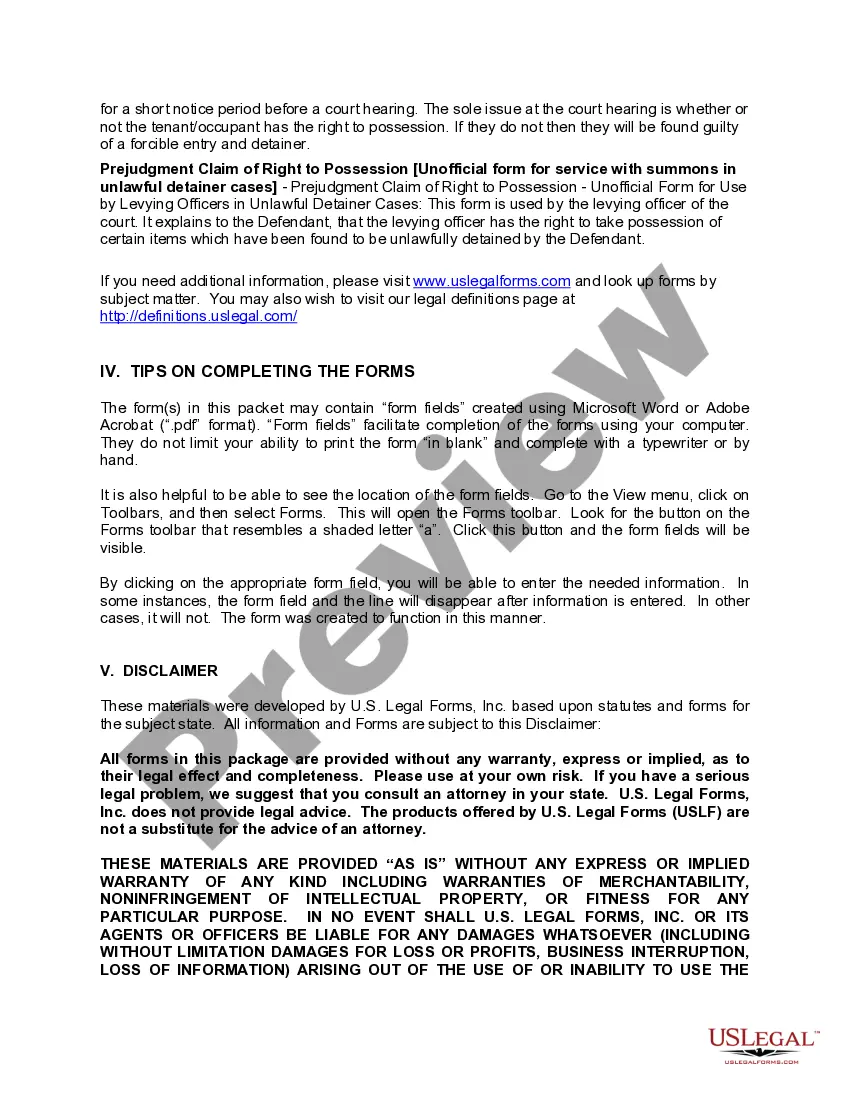

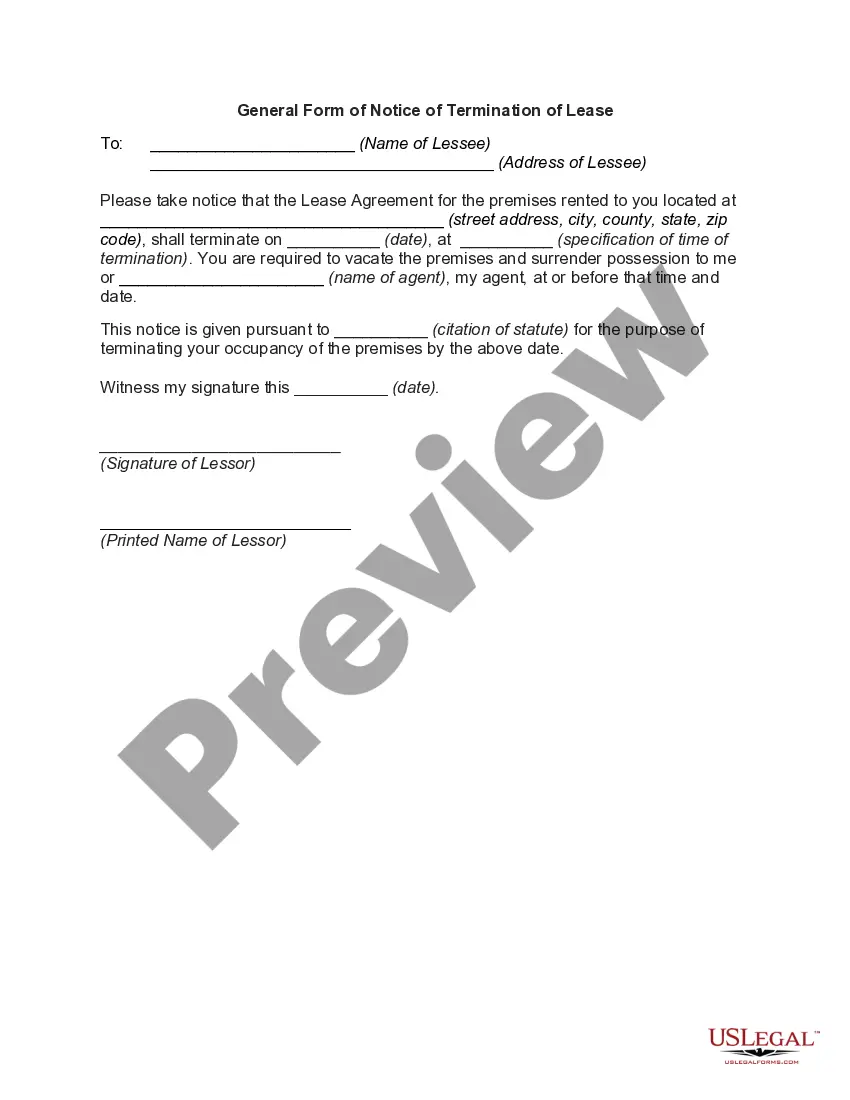

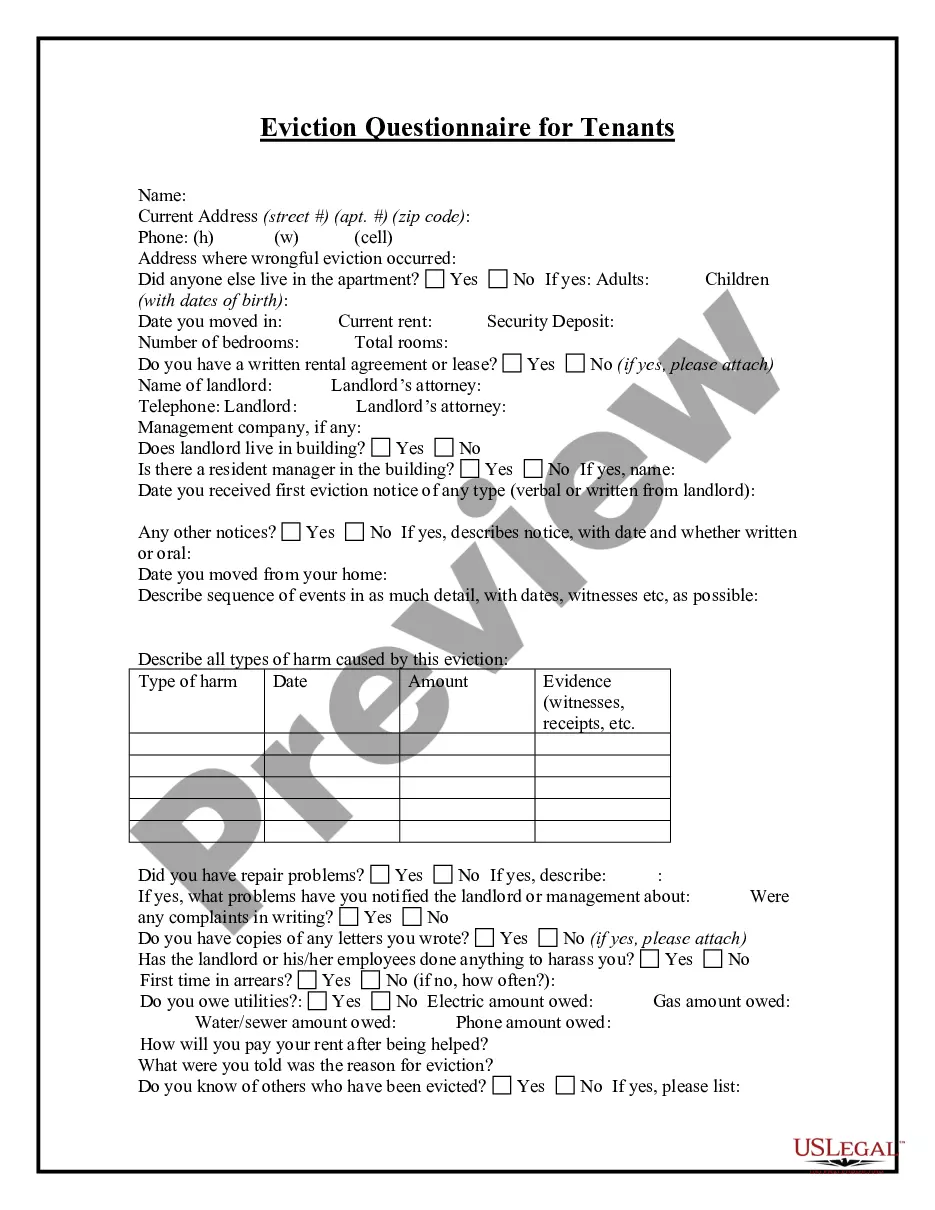
Get your form ready online
Our built-in tools help you complete, sign, share, and store your documents in one place.
Make edits, fill in missing information, and update formatting in US Legal Forms—just like you would in MS Word.
Download a copy, print it, send it by email, or mail it via USPS—whatever works best for your next step.
Sign and collect signatures with our SignNow integration. Send to multiple recipients, set reminders, and more. Go Premium to unlock E-Sign.
If this form requires notarization, complete it online through a secure video call—no need to meet a notary in person or wait for an appointment.
We protect your documents and personal data by following strict security and privacy standards.

Make edits, fill in missing information, and update formatting in US Legal Forms—just like you would in MS Word.

Download a copy, print it, send it by email, or mail it via USPS—whatever works best for your next step.

Sign and collect signatures with our SignNow integration. Send to multiple recipients, set reminders, and more. Go Premium to unlock E-Sign.

If this form requires notarization, complete it online through a secure video call—no need to meet a notary in person or wait for an appointment.

We protect your documents and personal data by following strict security and privacy standards.
Looking for another form?




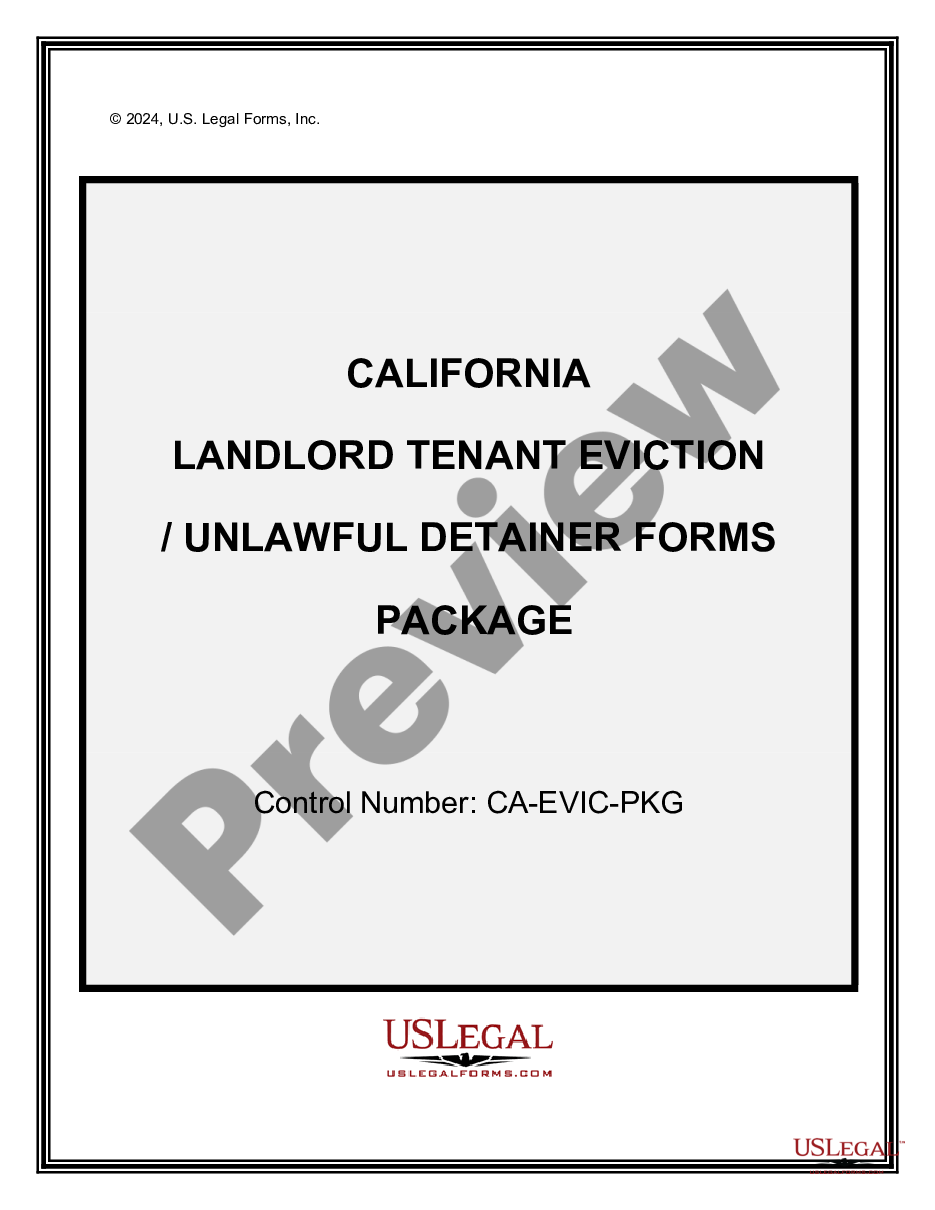
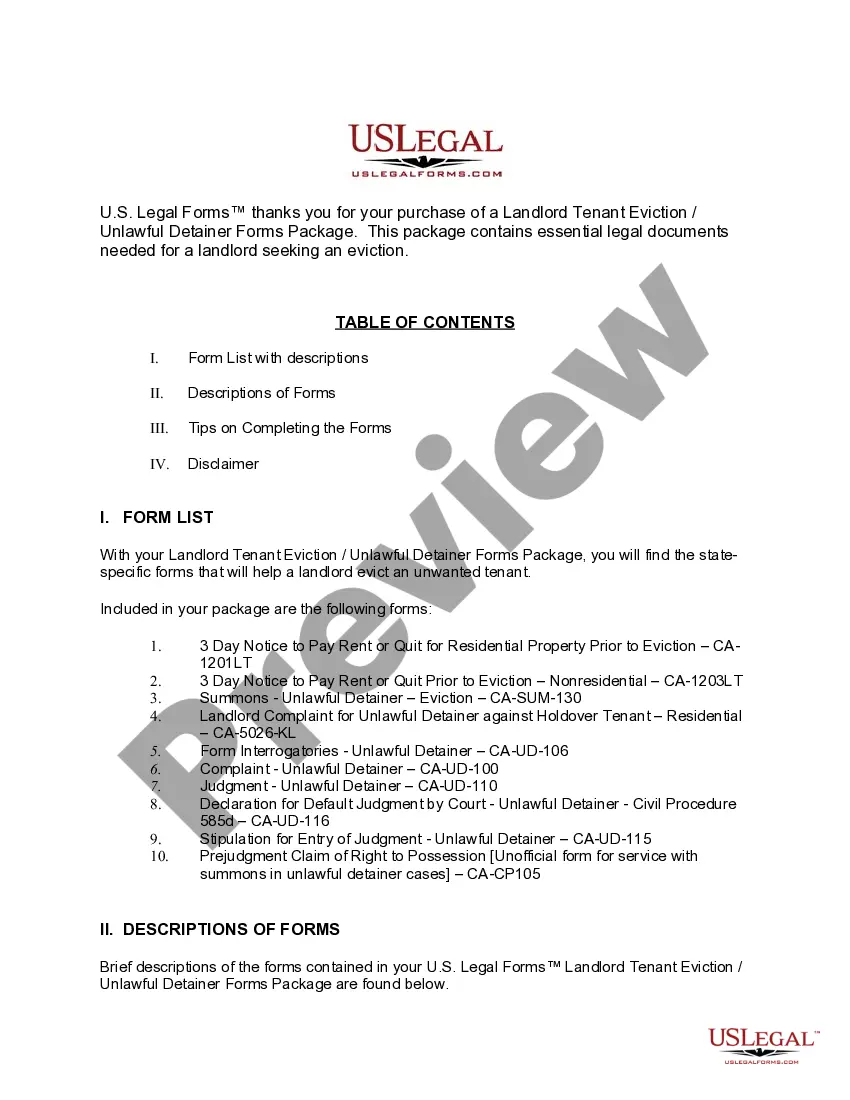
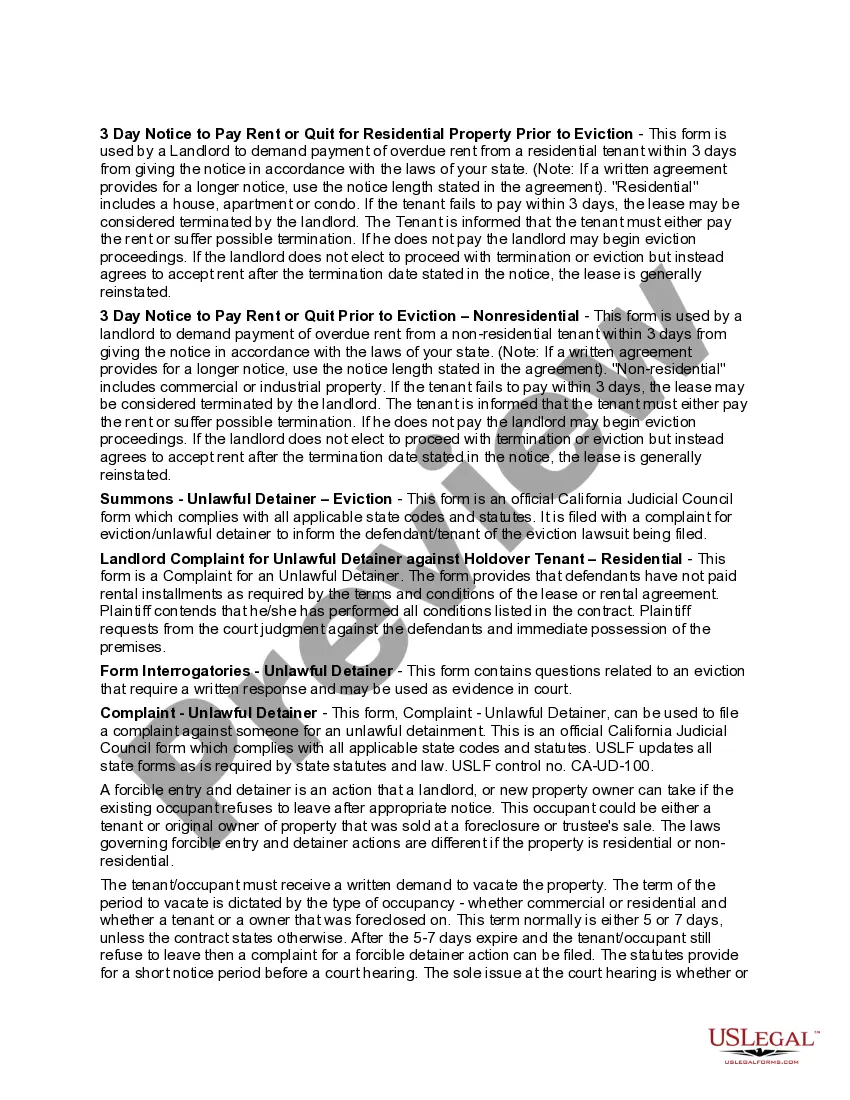
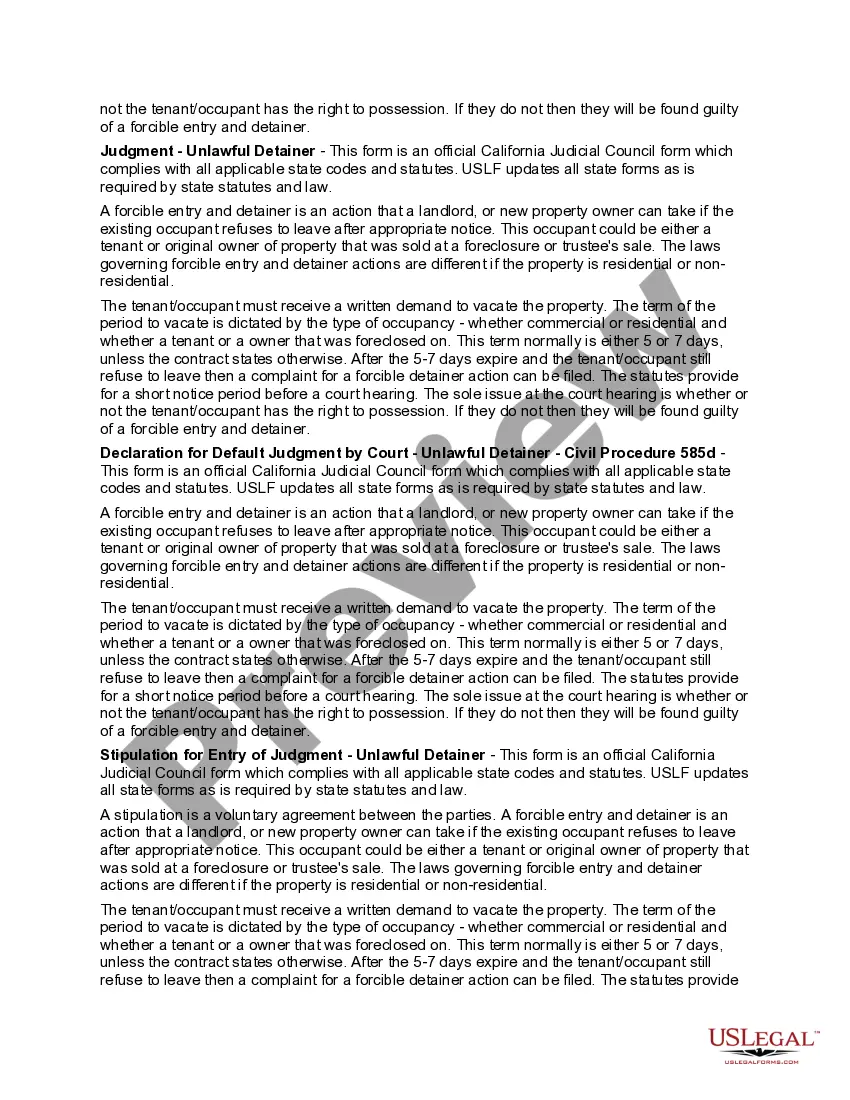
How to fill out California Landlord Tenant Eviction / Unlawful Detainer Forms Package?
Managing legal documents can be overwhelming, even for experienced professionals.
If you are searching for a California Landlord Eviction Without Cause and lack the time to look for the correct and current version, the process can be stressful.
Tap into a resource pool of articles, guides, manuals, and materials relevant to your situation and needs.
Save time and energy locating the documents you require, and utilize US Legal Forms’ sophisticated search and Review tool to find and download California Landlord Eviction Without Cause.
Make sure the template is approved in your state or county.
- If you have a monthly subscription, Log In to your US Legal Forms account, look for the form, and download it.
- Check your My documents tab to view the documents you have previously downloaded and manage your folders as you wish.
- If this is your first experience with US Legal Forms, create a free account and gain unlimited access to all the benefits of the library.
- Here are the steps to follow after obtaining the form you need.
- Verify this is the correct form by previewing it and reading its description.
- Access state- or county-specific legal and business templates.
- US Legal Forms addresses any requirements you may have, ranging from personal to business documentation, all in one location.
- Leverage advanced tools to complete and oversee your California Landlord Eviction Without Cause.
Form popularity
FAQ
A tenant in California can absolutely win an unlawful detainer case if they can prove in court that there is no legal ground for the eviction or if the landlord has not followed the correct procedure for the eviction.
California's Tenant Protection Act The Tenant Protection Act prohibits landlords from evicting most tenants without ?just cause.? The law sets out two kinds of evictions: "at fault" evictions and "no fault" evictions. At fault evictions include: Nonpayment of rent. Breach of a material term of the lease.
A tenant who is illegally evicted may sue to reoccupy the unit and for damages. A landlord cannot retaliate against a tenant for exercising their rights under the Rent Ordinance or other laws. Protected tenant actions include reporting housing code violations or filing a petition with the Rent Board.
California Eviction Laws and Process Step 1: Notice to Terminate. ... Step 2: The Landlord Files an Unlawful Detainer Lawsuit. ... Step 3: The Landlord Serves the Unlawful Detainer Paperwork on the Tenant. ... Step 4: Trial or Hearing. ... Step 5: Eviction Judgment. ... Step 6: Removal of the Tenant.
The Notice must be in writing and include: The date the tenancy will end ("be terminated") Detailed reason(s) for the eviction. That if the tenant doesn't move out within 90 days the owner may start a court case to evict them and that they can give their side of the story then.