California Landlord Eviction Forced
Description

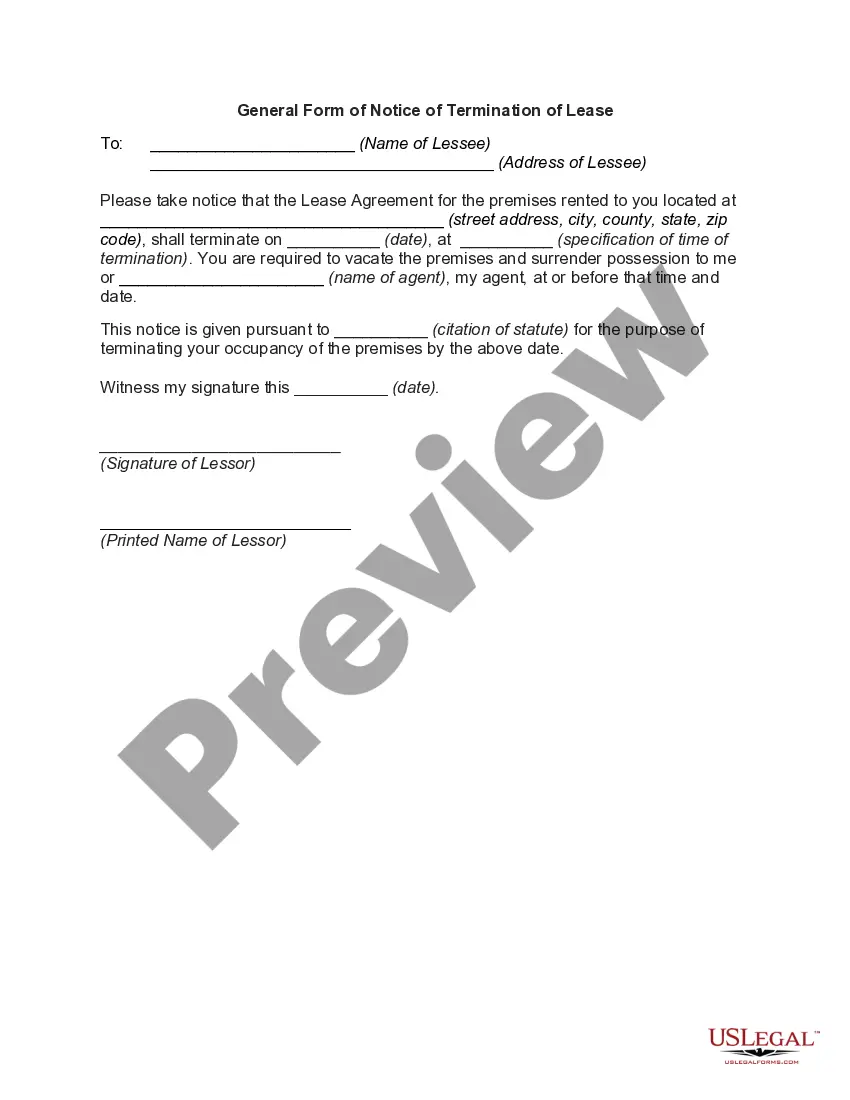
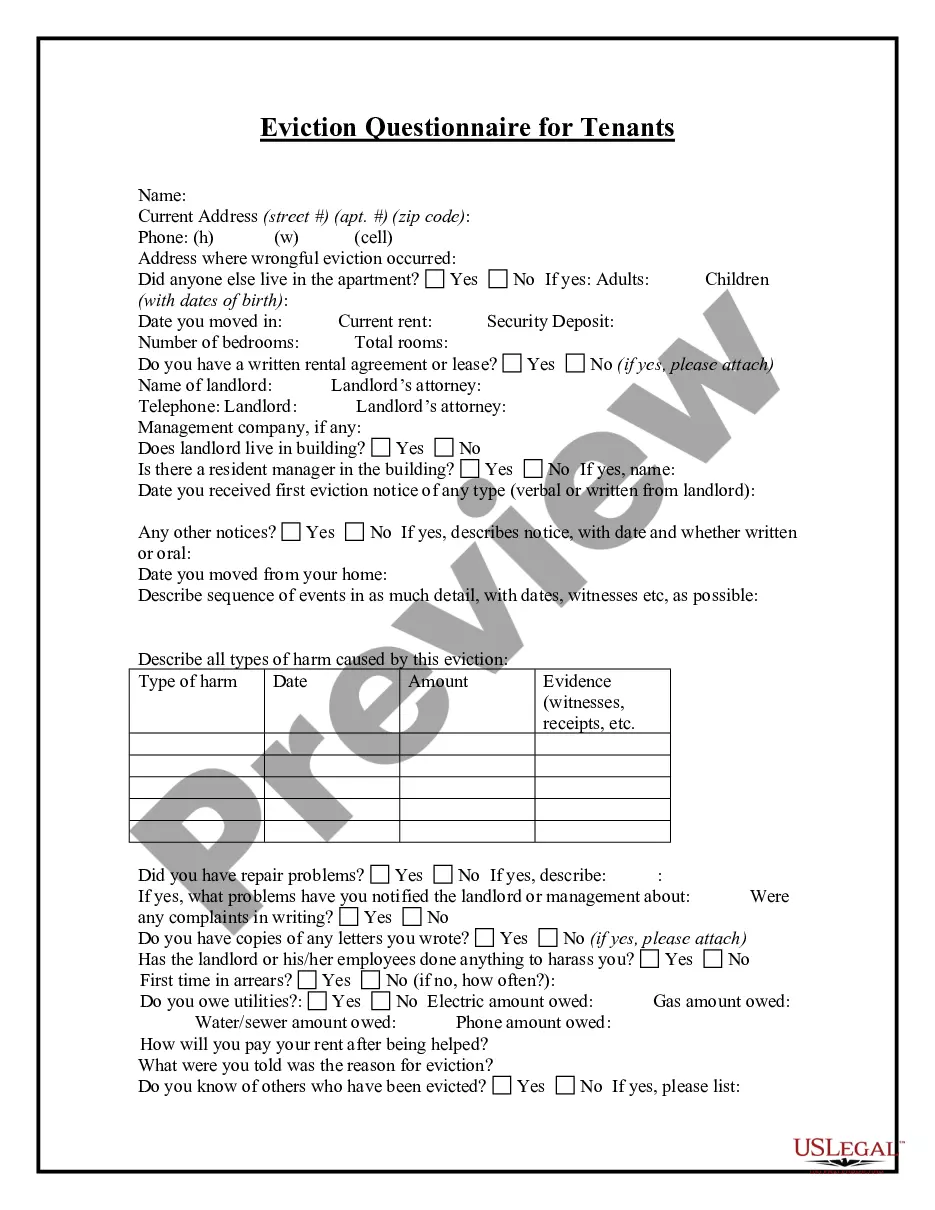
Get your form ready online
Our built-in tools help you complete, sign, share, and store your documents in one place.
Make edits, fill in missing information, and update formatting in US Legal Forms—just like you would in MS Word.
Download a copy, print it, send it by email, or mail it via USPS—whatever works best for your next step.
Sign and collect signatures with our SignNow integration. Send to multiple recipients, set reminders, and more. Go Premium to unlock E-Sign.
If this form requires notarization, complete it online through a secure video call—no need to meet a notary in person or wait for an appointment.
We protect your documents and personal data by following strict security and privacy standards.

Make edits, fill in missing information, and update formatting in US Legal Forms—just like you would in MS Word.

Download a copy, print it, send it by email, or mail it via USPS—whatever works best for your next step.

Sign and collect signatures with our SignNow integration. Send to multiple recipients, set reminders, and more. Go Premium to unlock E-Sign.

If this form requires notarization, complete it online through a secure video call—no need to meet a notary in person or wait for an appointment.

We protect your documents and personal data by following strict security and privacy standards.
Looking for another form?




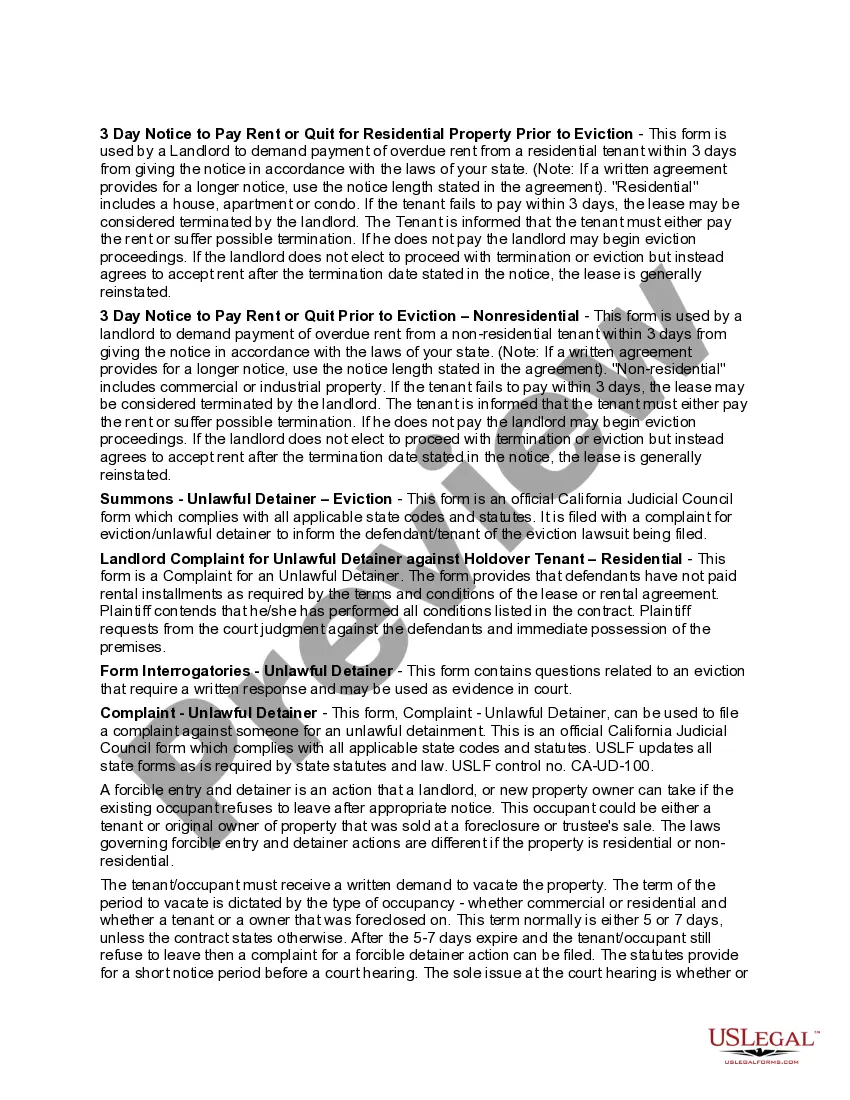
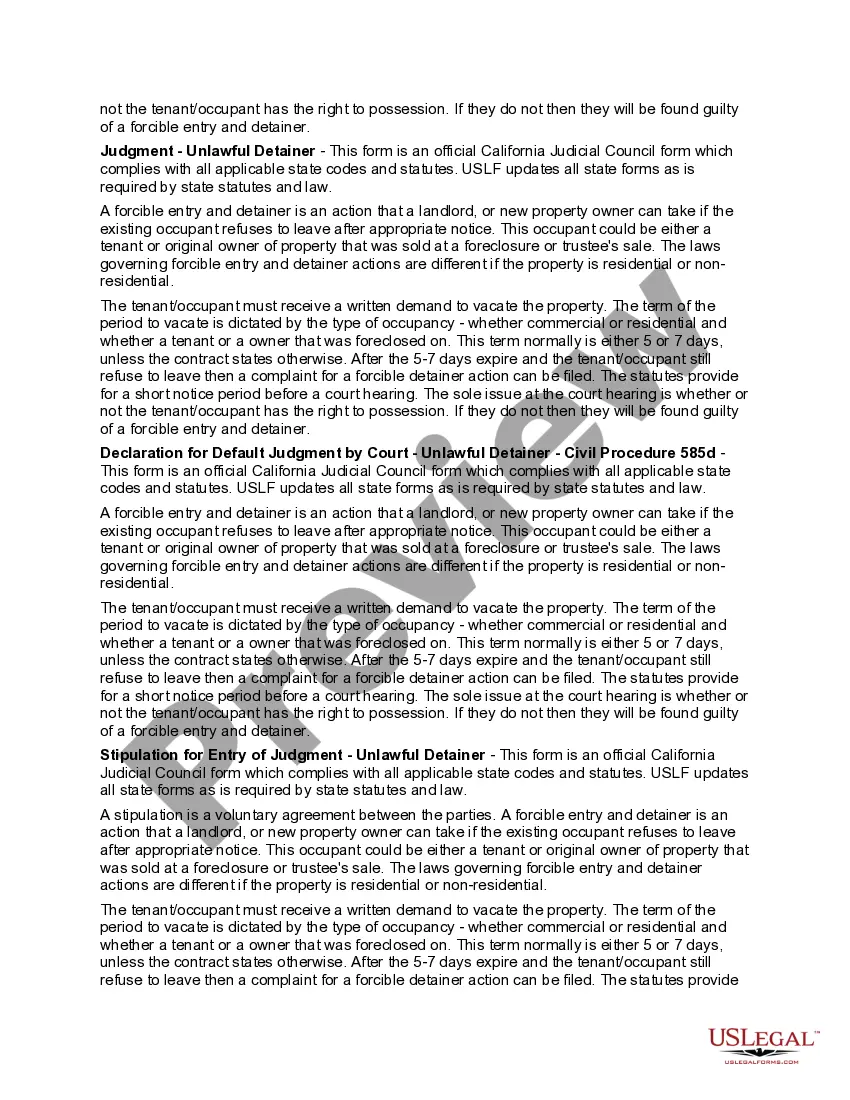
How to fill out California Landlord Tenant Eviction / Unlawful Detainer Forms Package?
It’s well known that one cannot become a legal expert in a day, nor can you learn to swiftly create California Landlord Eviction Forced without possessing a unique set of abilities.
Assembling legal documents is a lengthy process requiring specialized education and expertise.
So why not entrust the creation of the California Landlord Eviction Forced to the experts.
You can revisit your documents from the My documents section anytime.
If you’re an established client, you can easily Log In and find and download the template from the same section.
- Locate the document you require by utilizing the search function at the top of the webpage.
- Preview it (if this feature is available) and review the accompanying description to determine if California Landlord Eviction Forced is what you need.
- Reinitiate your search if you require any additional forms.
- Sign up for a complimentary account and select a subscription plan to acquire the form.
- Click Buy now. Once the payment is finalized, you can download the California Landlord Eviction Forced, complete it, print it, and send or mail it to the appropriate individuals or organizations.
Form popularity
FAQ
Ask for more time to move. If you lose your eviction case, you need to move out (at the latest) 5 days after the sheriff posts a Notice to Vacate on your door. If you need more time to move, you can ask the court for a stay of execution.
The eviction process for landlords Give notice. You have to give your tenant a written Notice before you start an eviction court case. ... Start a court case. ... Ask for trial date or default judgment. ... Go to trial. ... After the judge decides.
A landlord uses a 30-day Notice to Quit (move out) to end a month-to-month tenancy if the tenant has been renting for less than 1 year. A landlord uses a 60-day Notice to Quit if their tenant has been renting for 1 year or more.
A tenant in California can absolutely win an unlawful detainer case if they can prove in court that there is no legal ground for the eviction or if the landlord has not followed the correct procedure for the eviction.
Respond to the eviction case by filing a written response with the court very quickly. This means you're going to participate in the lawsuit and fight the eviction. Talk with your landlord and try to come up with an agreement where you can stay in your home.