Living Trusts
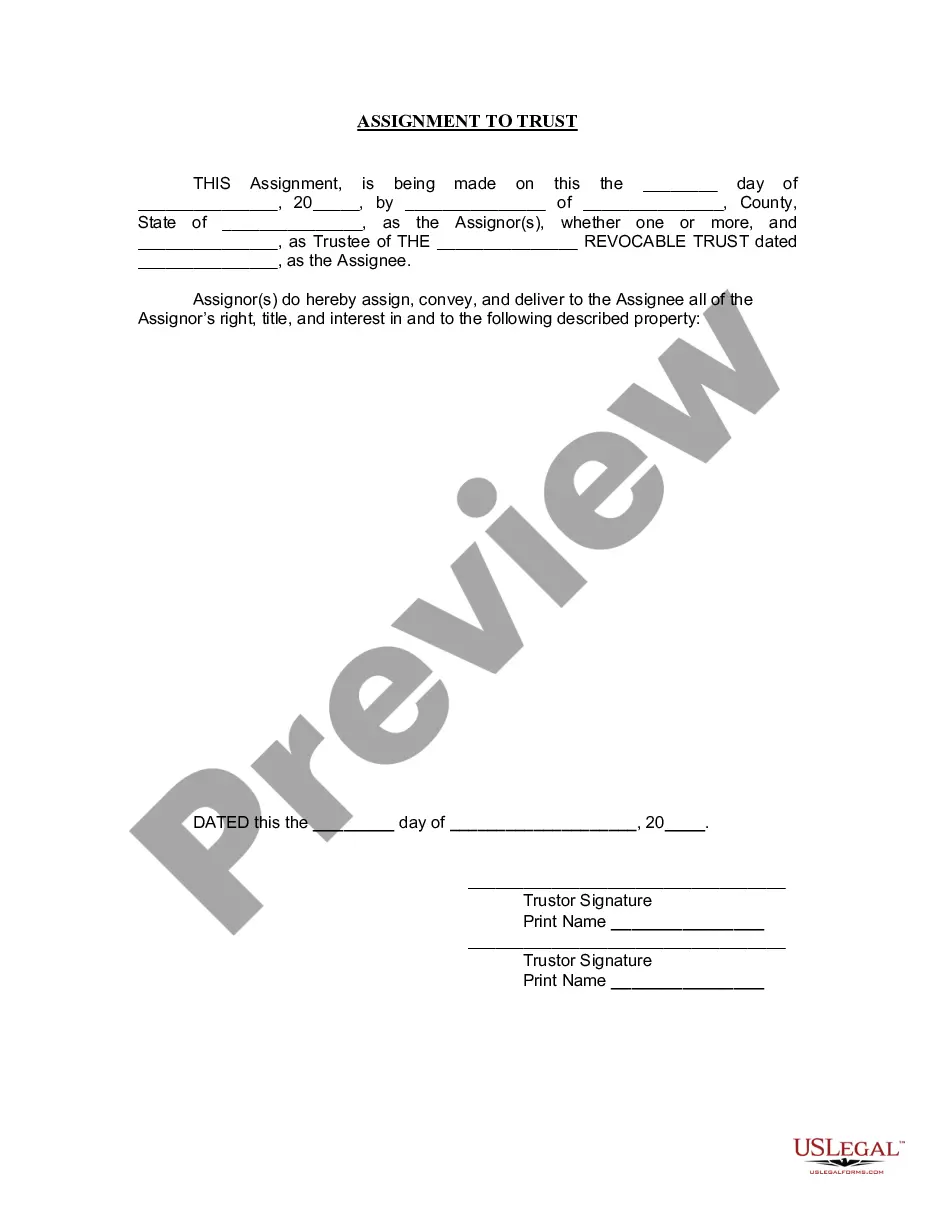
Description
Get your form ready online
Our built-in tools help you complete, sign, share, and store your documents in one place.
Make edits, fill in missing information, and update formatting in US Legal Forms—just like you would in MS Word.
Download a copy, print it, send it by email, or mail it via USPS—whatever works best for your next step.
Sign and collect signatures with our SignNow integration. Send to multiple recipients, set reminders, and more. Go Premium to unlock E-Sign.
If this form requires notarization, complete it online through a secure video call—no need to meet a notary in person or wait for an appointment.
We protect your documents and personal data by following strict security and privacy standards.

Make edits, fill in missing information, and update formatting in US Legal Forms—just like you would in MS Word.

Download a copy, print it, send it by email, or mail it via USPS—whatever works best for your next step.

Sign and collect signatures with our SignNow integration. Send to multiple recipients, set reminders, and more. Go Premium to unlock E-Sign.

If this form requires notarization, complete it online through a secure video call—no need to meet a notary in person or wait for an appointment.

We protect your documents and personal data by following strict security and privacy standards.
Looking for another form?

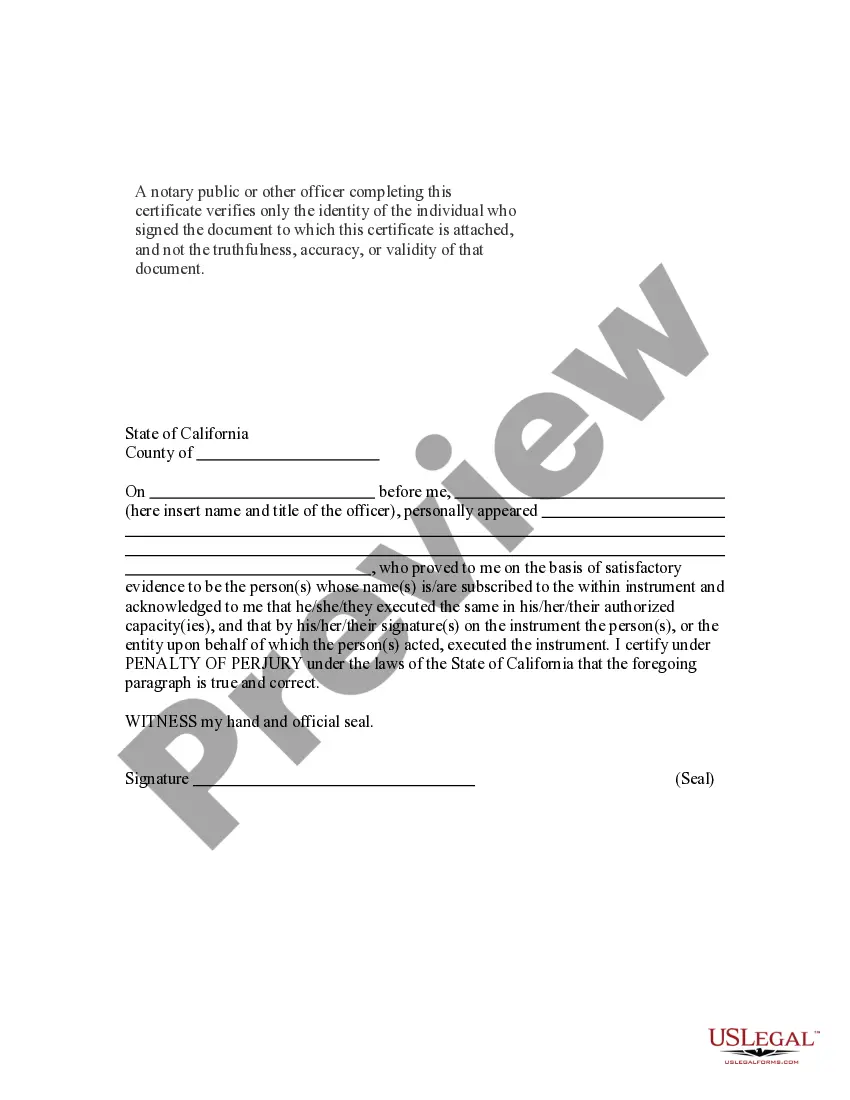
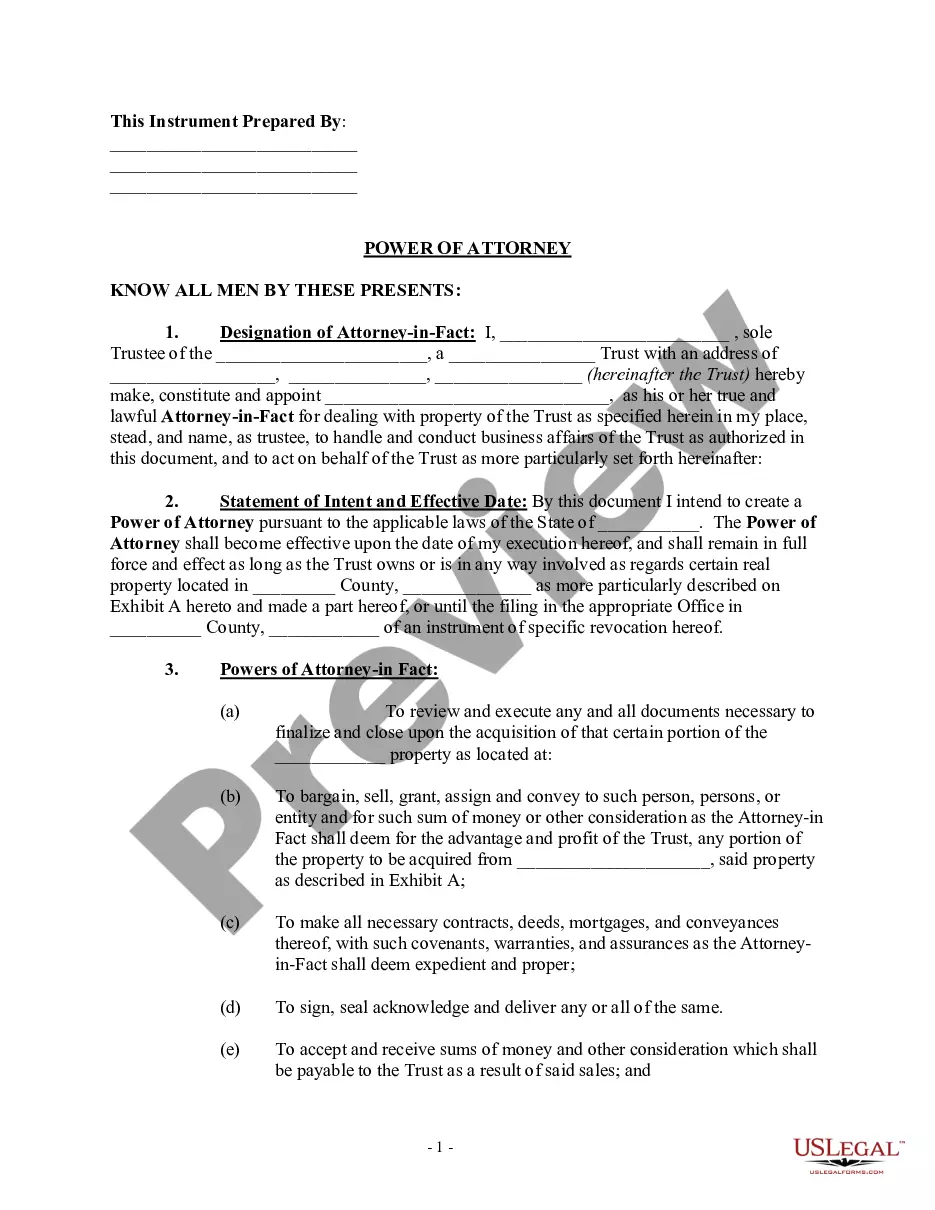
How to fill out California Assignment To Living Trust?
- If you are a returning user, log in to your account and click the Download button for the form template you require, ensuring your subscription is active. If it's expired, renew it according to your payment preferences.
- For first-time users, start by reviewing the Preview mode and form descriptions to ensure you've selected a living trust that meets your requirements and local jurisdiction.
- If necessary, utilize the Search tab to find an alternative template or to correct any discrepancies you might find.
- Once you've chosen the correct document, click on the Buy Now button and select your desired subscription plan. You'll need to create an account to gain access to the full library of forms.
- Complete your purchase by providing your payment details, whether via credit card or PayPal.
- Finally, download your form and save it on your device. You can access it later in the My documents section of your profile.
With US Legal Forms, you gain access to a robust collection of over 85,000 legal templates, ensuring that you can find exactly what you need. Plus, premium assistance is available from experts to help complete your documents accurately.
Start your journey to mastering living trusts today. Visit US Legal Forms and empower yourself with the right tools for your legal needs!
Form popularity
FAQ
While many assets can be included in living trusts, some cannot. For example, certain retirement accounts, such as IRAs and 401(k)s, often require specific beneficiaries to avoid tax implications. Additionally, it is not possible to place a life insurance policy directly into a trust without designating the trust as a beneficiary. Using US Legal Forms can help you identify which assets to include in your living trust for effective estate planning.
Suze Orman has often praised living trusts as a smart estate planning tool. She emphasizes their ability to provide control over how and when your assets are distributed, which can be especially helpful for families and individuals with complex needs. By using a living trust, you can set terms that align with your wishes, giving you peace of mind. To create one, you can explore resources available on US Legal Forms.
A common downside of living trusts is their initial complexity. Creating a living trust often requires legal assistance, which can add to the overall expense. Furthermore, living trusts do not provide tax benefits, and assets placed in the trust may still be subject to estate taxes. For personalized support in setting up a trust that meets your needs, consider using US Legal Forms as a reliable resource.
While living trusts can provide benefits, there are disadvantages to consider. One significant drawback is the potential loss of control; once your house is in a trust, you'll need to follow the trust's rules. Additionally, transferring your home into a trust can incur upfront costs and administrative fees, which may not be favorable for everyone. Ultimately, it’s essential to weigh these factors against the advantages of living trusts.
Filling out a living trust requires careful attention to detail to ensure all your wishes are documented correctly. Start by gathering information about your assets and deciding on the beneficiaries of your trust. It's vital to include all details regarding your assets to avoid confusion later. US Legal Forms provides templates and guidance to help you navigate the filling process effectively and ensure your living trusts are completed correctly.
One significant mistake parents often make when establishing living trusts is failing to fund them properly. A trust that is not funded means assets are not legally transferred into it, leaving your intentions unfulfilled. This oversight can result in a lengthy probate process for your heirs. It's essential to work with a professional or a platform like US Legal Forms to ensure your living trust is adequately funded.