Living Trust Taxes
Description
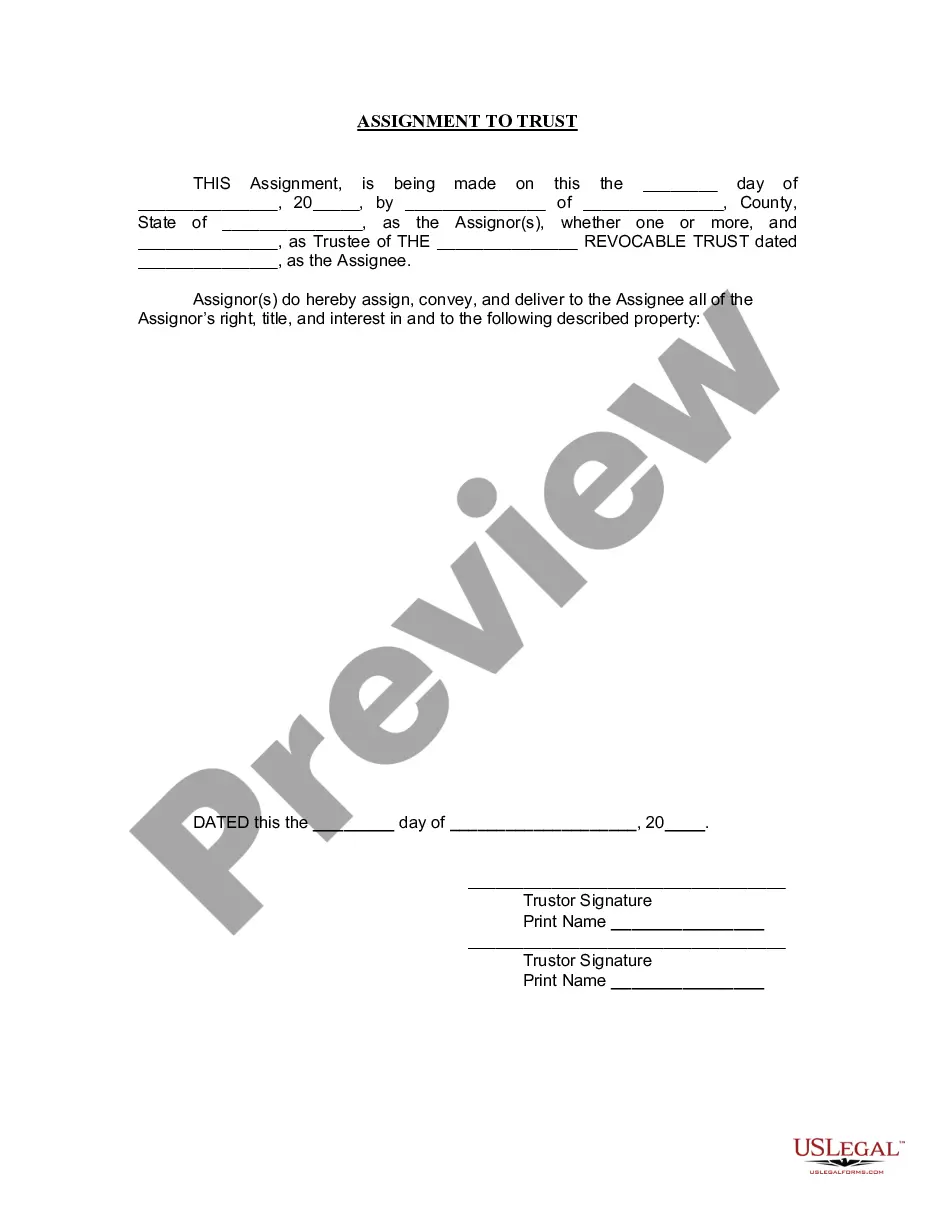

Get your form ready online
Our built-in tools help you complete, sign, share, and store your documents in one place.
Make edits, fill in missing information, and update formatting in US Legal Forms—just like you would in MS Word.
Download a copy, print it, send it by email, or mail it via USPS—whatever works best for your next step.
Sign and collect signatures with our SignNow integration. Send to multiple recipients, set reminders, and more. Go Premium to unlock E-Sign.
If this form requires notarization, complete it online through a secure video call—no need to meet a notary in person or wait for an appointment.
We protect your documents and personal data by following strict security and privacy standards.

Make edits, fill in missing information, and update formatting in US Legal Forms—just like you would in MS Word.

Download a copy, print it, send it by email, or mail it via USPS—whatever works best for your next step.

Sign and collect signatures with our SignNow integration. Send to multiple recipients, set reminders, and more. Go Premium to unlock E-Sign.

If this form requires notarization, complete it online through a secure video call—no need to meet a notary in person or wait for an appointment.

We protect your documents and personal data by following strict security and privacy standards.
Looking for another form?







How to fill out California Assignment To Living Trust?
- Log into your US Legal Forms account if you're an existing user and ensure your subscription is active. If not, renew it based on your plan.
- For first-time users, start by previewing the available forms. Confirm that you select the correct template that fulfills your needs.
- If you need a different template, use the search bar to locate the specific form that complies with your local laws.
- Proceed to purchase your selected document by clicking the Buy Now button and choosing your preferred subscription plan. You'll need to create an account for full access.
- Complete your payment using a credit card or PayPal to finalize your subscription.
- Download your form to your device for easy access and ongoing use. Find it later in the My Forms section of your account.
By following these straightforward steps, you can ensure that you're properly equipped to handle living trust taxes with the right legal documentation.
Leverage US Legal Forms today to streamline your legal processes and gain access to expert assistance for your living trust needs!
Form popularity
FAQ
The new IRS rules regarding trusts focus on enhancing transparency and compliance regarding living trust taxes. One significant change involves stricter reporting requirements for certain trusts, aiming to combat tax avoidance. Understanding how these regulations affect your trust can be essential for long-term planning. Keeping updated through resources like US Legal Forms can help you stay informed and compliant.
Failing to file a trust tax return can lead to penalties and interest charges. Additionally, the IRS may impose additional scrutiny on your estate, complicating tax matters for your beneficiaries. Staying organized with your tax obligations is crucial, especially in the realm of living trust taxes. If you're unsure about your filing requirements, consider using platforms like US Legal Forms to guide you through the process.
In many cases, trust taxes are filed separately if the trust is irrevocable. This means the trust itself must file a tax return to report any income it generates. While revocable living trusts usually do not have separate tax obligations during your lifetime, being aware of these distinctions in living trust taxes can prevent confusion. Consulting with a tax professional can help clarify your specific situation.
The trustee is responsible for filing a trust tax return if required. If the trust is considered irrevocable or generates significant income, separate filings might be necessary. Understanding who must handle these filings is part of mastering living trust taxes. Make sure you choose a responsible trustee who understands their duties and can navigate any tax obligations smoothly.
A living trust itself does not count as income. However, any income generated from the assets within the trust, such as interest or dividends, is subject to taxation according to living trust taxes regulations. It’s essential to track these earnings, as they will need to be reported on your personal tax return. Staying informed about how these interactions work will help you manage your financial responsibilities effectively.
A living trust typically does not file a separate tax return while you are alive, as it is considered a 'grantor trust' by the IRS. Instead, the income generated by the trust is reported on your personal tax return. It's important to understand living trust taxes in this context, as this can simplify your tax obligations. However, upon your death, the trust may need to file a return based on the assets it holds.
When it comes to living trust taxes, a living trust itself does not typically receive a 1099 form. However, if the trust earns income, a 1099 may be issued to the trust's grantor or beneficiaries reporting that income. Therefore, it's essential for you to keep accurate records of any income generated by the assets within the trust. You can consult with a tax advisor to ensure you manage living trust taxes effectively and remain compliant with any reporting requirements.
A living trust usually does not file its own tax return during the grantor's lifetime, as it is not treated as a separate taxable entity. The income from the trust is reported on the individual's tax return. However, once the grantor passes away and the trust becomes irrevocable, different tax filing rules may apply, necessitating a deeper understanding of living trust taxes.
Whether you need to file a tax return for a trust depends on the type and the income it generates. Generally, if the trust earns more than a specific threshold, it must file a return using Form 1041. It's essential to understand living trust taxes' requirements to ensure compliance and avoid penalties.
One tax disadvantage of a living trust is that it does not provide any significant tax benefits during your lifetime. Assets in a living trust are still subject to estate taxes upon death. Additionally, living trust taxes can sometimes complicate the process of filing taxes, requiring meticulous record-keeping and reporting of income generated within the trust.