Living Trust Form With Bank Account
Description
Get your form ready online
Our built-in tools help you complete, sign, share, and store your documents in one place.
Make edits, fill in missing information, and update formatting in US Legal Forms—just like you would in MS Word.
Download a copy, print it, send it by email, or mail it via USPS—whatever works best for your next step.
Sign and collect signatures with our SignNow integration. Send to multiple recipients, set reminders, and more. Go Premium to unlock E-Sign.
If this form requires notarization, complete it online through a secure video call—no need to meet a notary in person or wait for an appointment.
We protect your documents and personal data by following strict security and privacy standards.

Make edits, fill in missing information, and update formatting in US Legal Forms—just like you would in MS Word.

Download a copy, print it, send it by email, or mail it via USPS—whatever works best for your next step.

Sign and collect signatures with our SignNow integration. Send to multiple recipients, set reminders, and more. Go Premium to unlock E-Sign.

If this form requires notarization, complete it online through a secure video call—no need to meet a notary in person or wait for an appointment.

We protect your documents and personal data by following strict security and privacy standards.
Looking for another form?








How to fill out California Assignment To Living Trust?
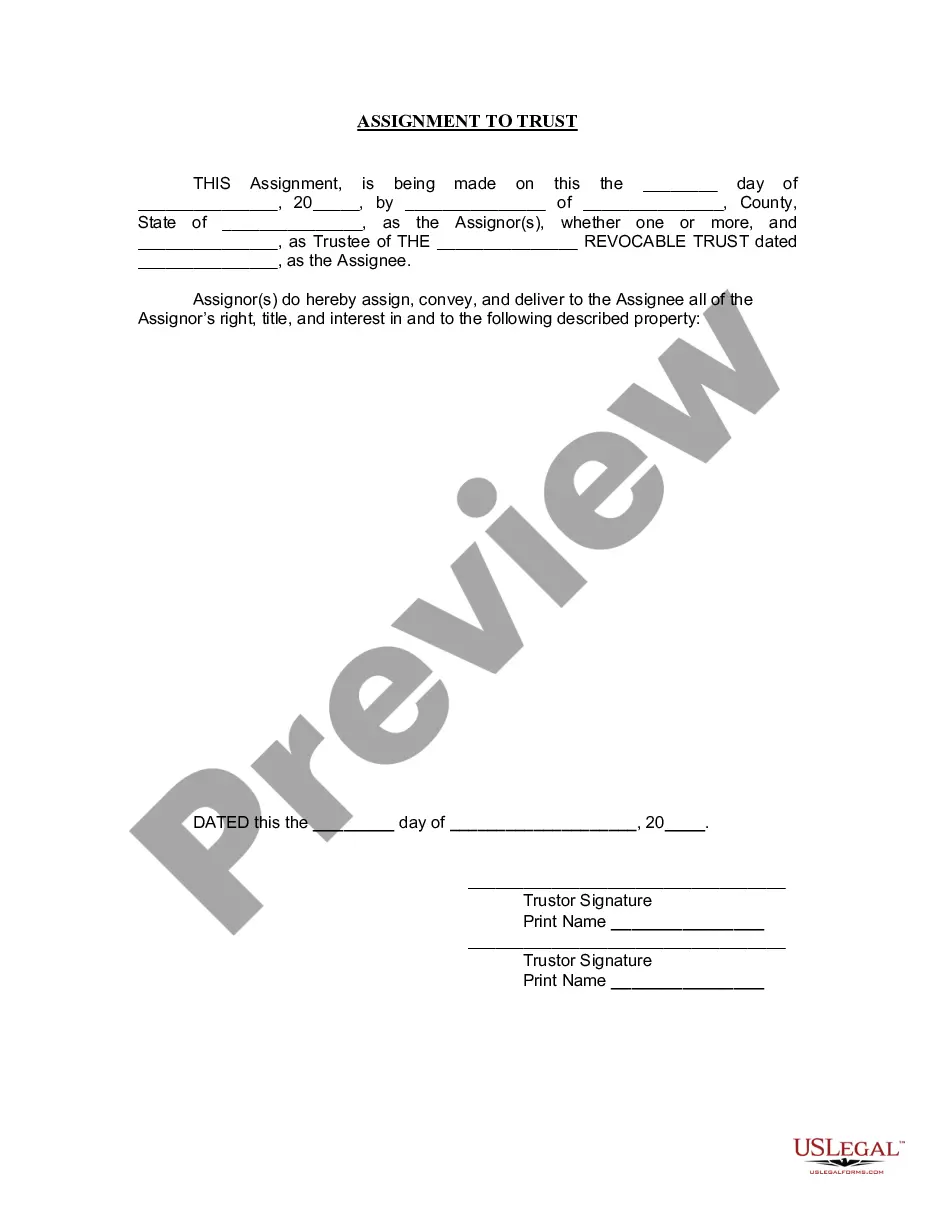
- If you're a returning user, log in to your account and download your living trust form directly by selecting the Download button. Confirm your subscription is active; renew it if necessary.
- For new users, start by reviewing the Preview mode and description of the living trust form to verify it aligns with your needs and complies with your local laws.
- If adjustments are needed, utilize the Search tab to find an alternative template that suits your requirements.
- Proceed to purchase the document by clicking on the Buy Now button and choosing your preferred subscription plan, ensuring you register an account for full access.
- Complete the payment process using your credit card or PayPal details to finalize your subscription.
- Download the living trust form onto your device, allowing you to fill it out at your convenience. You can always revisit it through the My Forms section in your profile.
In conclusion, US Legal Forms empowers users with a comprehensive resource for legal documentation, ensuring that your living trust form with a bank account is accurately completed and legally sound.
Start taking control of your estate planning today—visit US Legal Forms to get your living trust form now!
Form popularity
FAQ
Whether your parents should put their assets in a trust largely depends on their financial situation and goals. A living trust form with a bank account can offer protection from probate and simplify the transfer of assets. It's wise to have a conversation with them about their wishes and consult a professional to ensure that this option aligns with their needs.
One downfall of having a trust is the ongoing management and maintenance that it requires. Trusts need updates to reflect changes in assets or beneficiaries, which can be an extra responsibility. Moreover, while a living trust form with a bank account provides benefits, you should ensure that you are prepared for the associated upkeep.
A family trust can sometimes complicate family dynamics, particularly if not everyone understands the terms and intentions. It may also impose restrictions on how assets are managed or distributed, leading to potential conflicts. While a living trust form with a bank account safeguards your assets, it is vital to communicate openly with family members to avoid misunderstandings.
Putting assets in a trust can lead to limited access and control. Once assets are transferred, you may not freely use them without following the trust's regulations. Additionally, setting up a living trust form with a bank account can involve legal fees and administrative tasks, which some may find cumbersome.
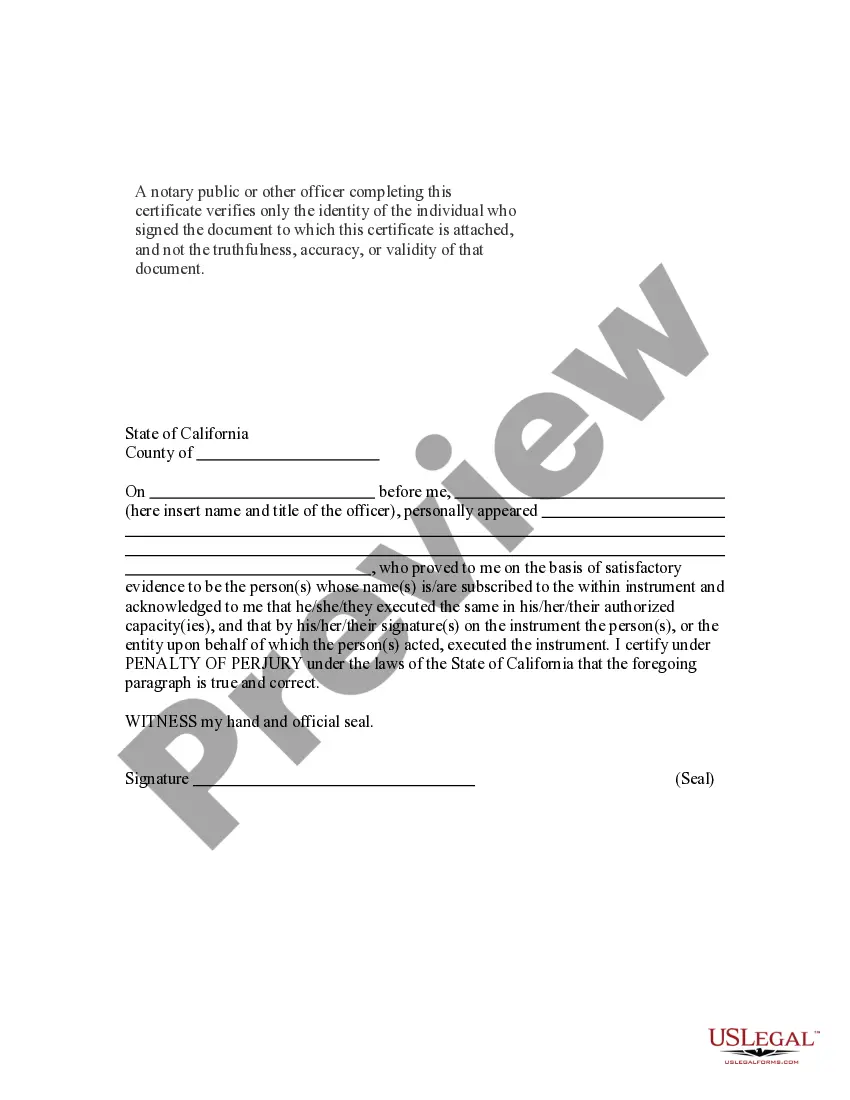
To put your bank account in a living trust, you will first need to have your living trust documents prepared. Contact your bank for their procedure, as policies can vary. Typically, you will provide the bank with a copy of your trust document and may need to complete specific forms to change the account title. This process can help ensure that the bank account is part of your estate plan, making your financial intentions clear once you pass away.
One of the most significant mistakes parents make is failing to communicate their intentions with their children regarding the trust fund. Many parents neglect to discuss how and why they set up the trust, which can lead to confusion later on. Moreover, overlooking the regular reviews of the trust can result in outdated provisions that do not align with their current wishes. Utilizing a living trust form with bank account can prevent these issues by ensuring proper management and clarity.
Whether to include bank accounts in a living trust ultimately depends on your financial and estate planning goals. Including bank accounts can simplify the distribution of assets after your passing, ensuring that your wishes are met. However, many individuals prefer to keep certain accounts out of the trust for greater accessibility during their lifetime. A living trust form with bank account can be a powerful tool, but it's vital to assess what works best for your situation.
One downside of a living trust includes the initial setup costs, which can be higher than creating a will. Additionally, some people find that they may need to retitle assets, which can be cumbersome. It's essential to consider these factors while planning, as a living trust form with bank account could potentially require more ongoing management than other estate planning tools.
Transferring a bank account to a living trust is a straightforward process. First, you will need to contact your bank for their specific requirements regarding living trust form with bank account transfers. Generally, you will need to provide a copy of the trust document and fill out a few forms. After this, the bank will guide you through changing the account title to reflect the living trust.
While it may seem beneficial to place your checking account in a living trust, there are several reasons why you might choose not to. First, maintaining a checking account outside of a living trust can provide you easier access to your funds for everyday transactions. Additionally, certain bank policies may complicate the integration of a checking account into a living trust. Ultimately, it's essential to weigh the benefits against potential drawbacks when considering a living trust form with a bank account.