Living Trust Form Sample With Example
Description
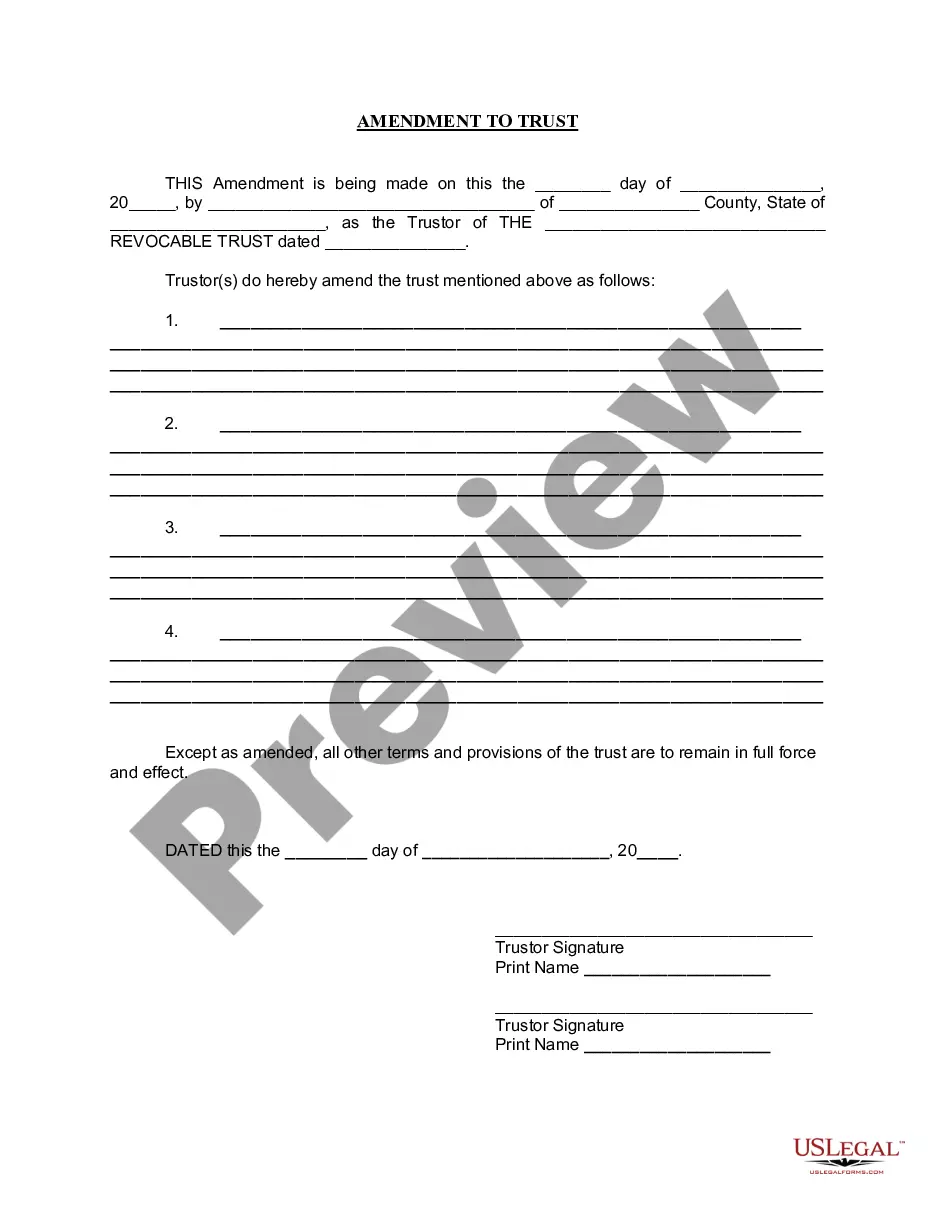
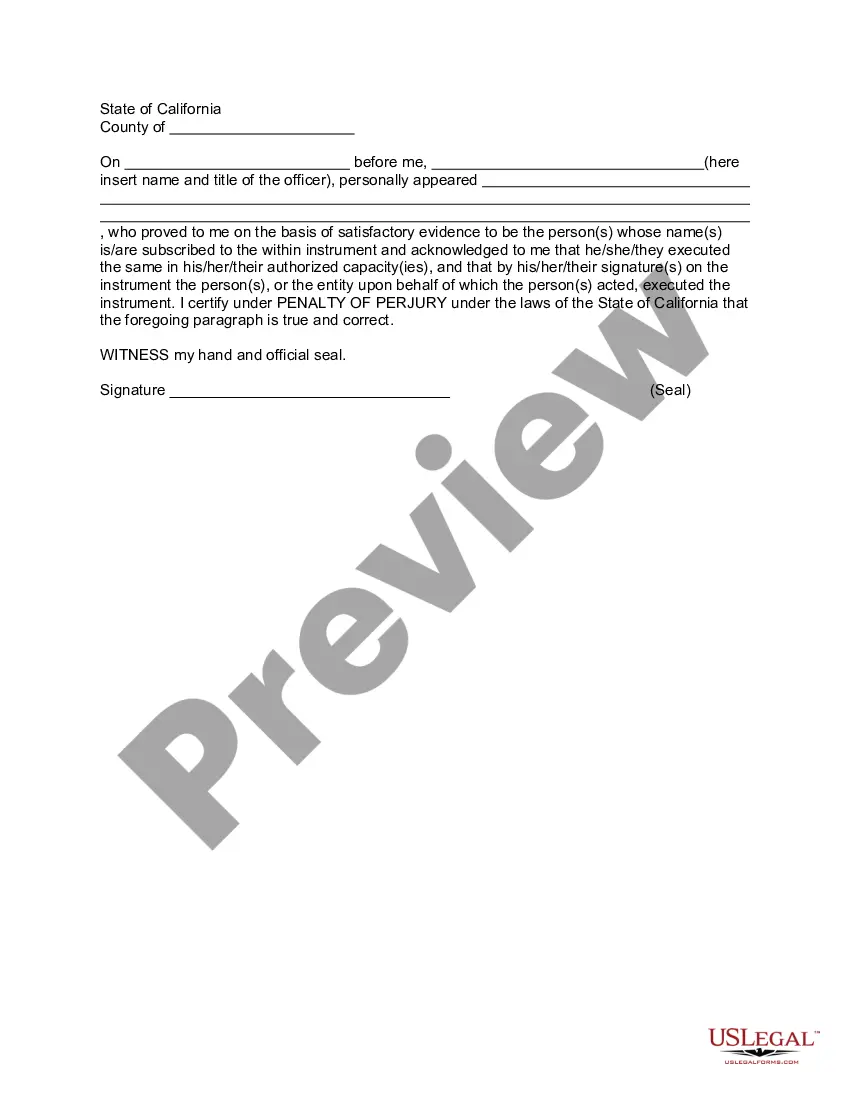


Get your form ready online
Our built-in tools help you complete, sign, share, and store your documents in one place.
Make edits, fill in missing information, and update formatting in US Legal Forms—just like you would in MS Word.
Download a copy, print it, send it by email, or mail it via USPS—whatever works best for your next step.
Sign and collect signatures with our SignNow integration. Send to multiple recipients, set reminders, and more. Go Premium to unlock E-Sign.
If this form requires notarization, complete it online through a secure video call—no need to meet a notary in person or wait for an appointment.
We protect your documents and personal data by following strict security and privacy standards.

Make edits, fill in missing information, and update formatting in US Legal Forms—just like you would in MS Word.

Download a copy, print it, send it by email, or mail it via USPS—whatever works best for your next step.

Sign and collect signatures with our SignNow integration. Send to multiple recipients, set reminders, and more. Go Premium to unlock E-Sign.

If this form requires notarization, complete it online through a secure video call—no need to meet a notary in person or wait for an appointment.

We protect your documents and personal data by following strict security and privacy standards.
Looking for another form?


How to fill out California Amendment To Living Trust?
- Begin by checking your subscription status with US Legal Forms. If you’re already a member, simply log in to your account.
- Browse the extensive online library. Prioritize reviewing the Preview mode and form descriptions to ensure you select the appropriate living trust form that aligns with local regulations.
- Search for alternatives if necessary. If your chosen form doesn't meet your expectations, use the Search tab to find the right template.
- Purchase the correct document. Click the Buy Now button for your preferred subscription plan and create an account for full access.
- Complete your transaction by entering your payment details. You can use a credit card or PayPal for easy purchase.
- Download your living trust form. Save the form to your device, and you can always retrieve it later from the My Forms section of your profile.
With US Legal Forms, individuals and attorneys can quickly and confidently execute legal documents using an expansive collection that outshines competitors. The access to premium expert assistance ensures your forms are filled accurately, reflecting your intentions.
Start your estate planning journey today by visiting US Legal Forms and accessing the necessary documents to secure your legacy.
Form popularity
FAQ
Creating a living trust template starts by determining your objectives and gathering relevant information about your assets and loved ones. You can utilize a living trust form sample with example to draft your template, ensuring you address all critical points. Make sure to review state-specific laws since requirements can vary. Lastly, consult legal resources or professionals if needed, for a thorough understanding of the setup.
Setting up a trust template involves outlining your specific intentions and requirements for the trust. You can refer to a living trust form sample with example as a framework to create your personalized document. It’s important to include details like designated assets, trustee responsibilities, and beneficiary information. This template streamlines your process and ensures all legal elements are covered.
To create a living trust by yourself, you should start by gathering all necessary documents, including property titles and financial accounts. Next, you can use a living trust form sample with example to guide you in drafting the trust document. Be sure to define the trustee and beneficiaries clearly to ensure your wishes are followed. After that, sign the document in front of a notary to make it legally binding.
The most common living trust is a revocable living trust, which allows you to retain control of your assets while providing a clear plan for their distribution after your passing. This type of trust can be modified or revoked at any time during your lifetime, making it flexible to your changing needs. A living trust form sample with example can be found through US Legal Forms, helping you understand how to effectively structure your trust and ensure it meets your objectives. Utilizing such a resource can simplify the process and facilitate smoother transitions for your beneficiaries.
A living trust can require a significant amount of time and effort to set up properly. If you do not transfer your assets into the trust, they may still be subject to probate, which defeats the purpose of creating the trust in the first place. Additionally, a living trust does not provide protection from creditors, which may be a concern for some individuals. For those looking for clarity on this topic, you can refer to a living trust form sample with example from US Legal Forms to see how it fits your needs.
Certain assets typically should not be placed in a living trust, such as retirement accounts and health savings accounts, as they have specific beneficiaries. Additionally, a primary residence may be best kept outside a trust if you intend to sell it while still alive. To get a clear picture, reviewing a living trust form sample with example can help identify the types of assets you should consider including or excluding.
A common example of a living trust includes a detailed list of assets like real estate and financial accounts, along with the designated trustee. This structure allows for seamless management and transfer of your assets during your lifetime and after your passing. A living trust form sample with example provides an excellent framework to understand how to outline your own trust effectively.
Filling out a living trust involves several key steps, such as listing out your assets and deciding who will manage them. It's important to accurately designate beneficiaries and specify terms clearly. For guidance, consider using a living trust form sample with example, which can simplify the process and help you confidently complete the necessary paperwork.
Parents often forget to update their trust fund after significant life events, such as the birth of a child or divorce. This oversight can lead to unintended consequences about who benefits from the trust. To avoid this mistake, it's essential to review your living trust form sample with example regularly to ensure it reflects your current wishes.
One downside to a living trust is that it may not provide the same level of tax benefits as a will. Additionally, a living trust can require ongoing management, which may lead to confusion over the years. As you consider your options, looking at a living trust form sample with example might help clarify your understanding and streamline the process.