Amendment Agreement
Description
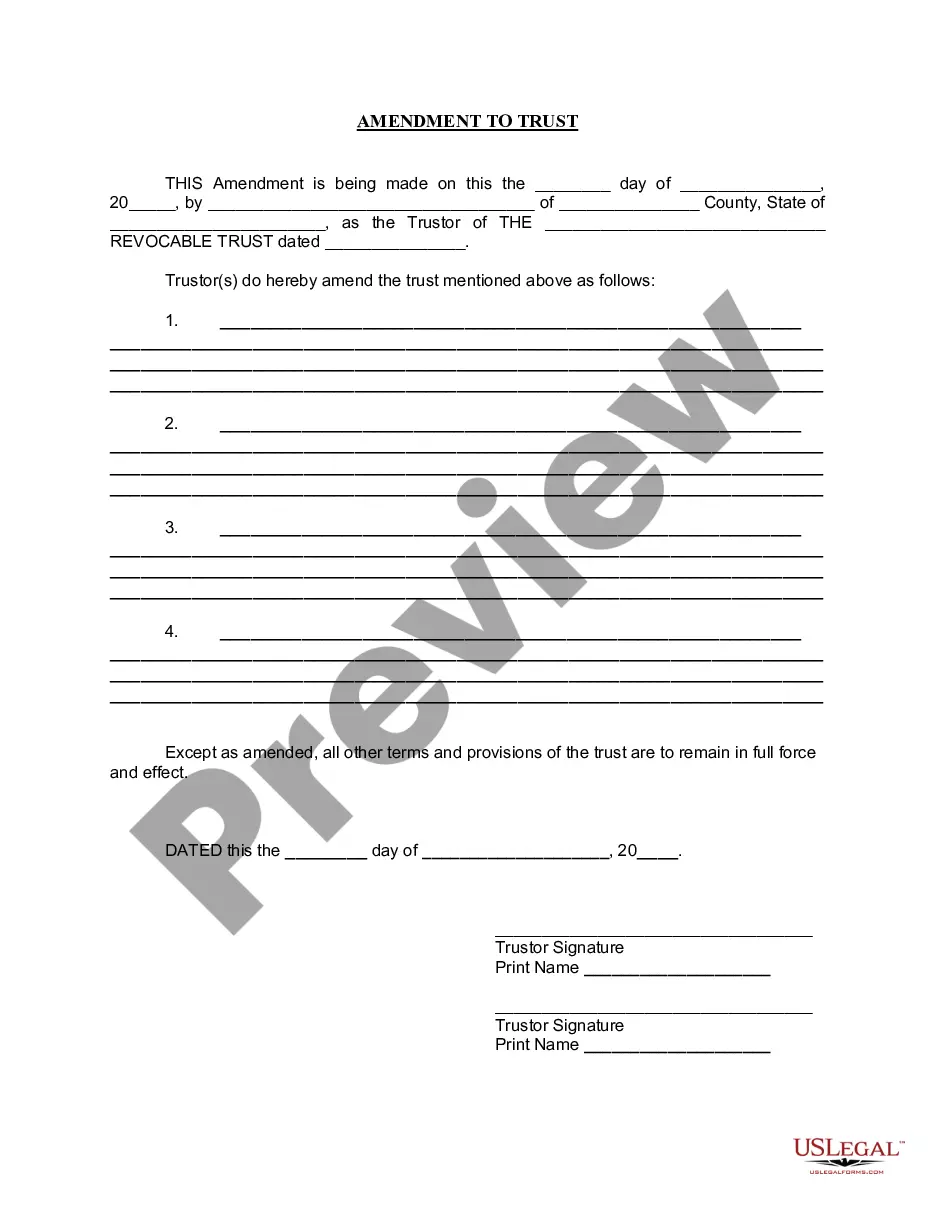
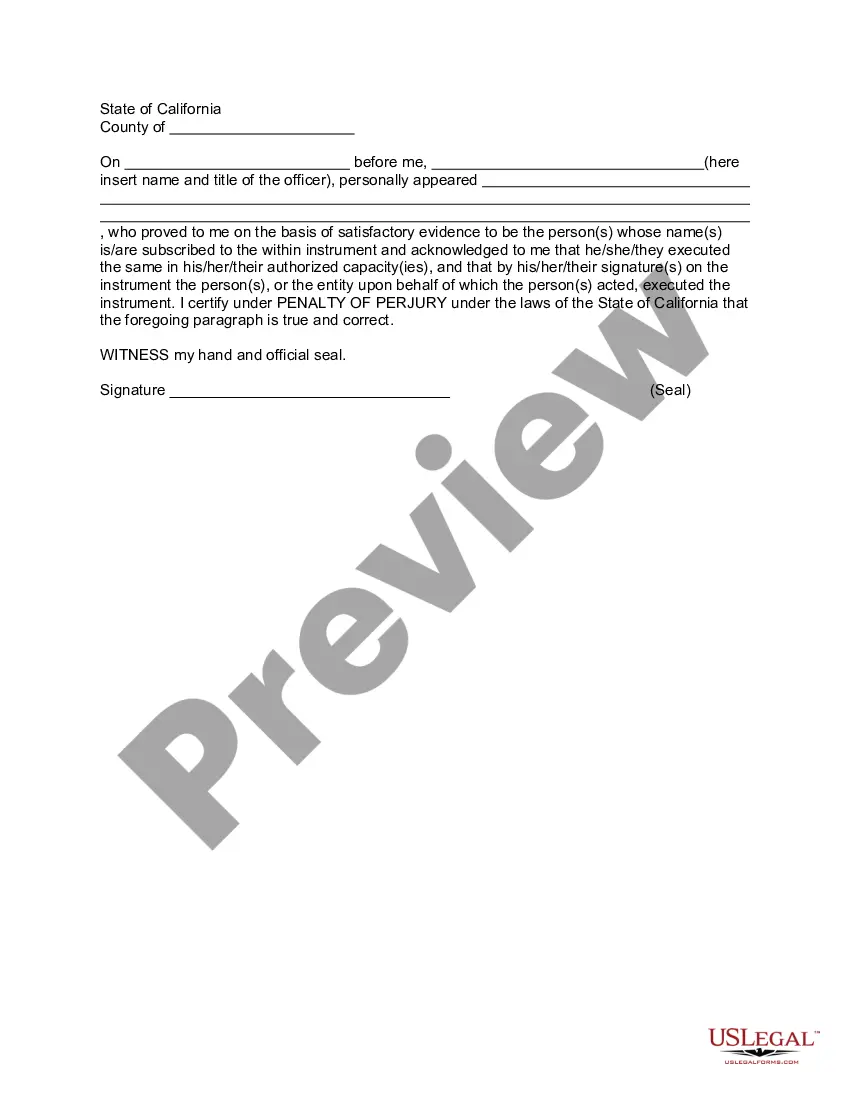


Get your form ready online
Our built-in tools help you complete, sign, share, and store your documents in one place.
Make edits, fill in missing information, and update formatting in US Legal Forms—just like you would in MS Word.
Download a copy, print it, send it by email, or mail it via USPS—whatever works best for your next step.
Sign and collect signatures with our SignNow integration. Send to multiple recipients, set reminders, and more. Go Premium to unlock E-Sign.
If this form requires notarization, complete it online through a secure video call—no need to meet a notary in person or wait for an appointment.
We protect your documents and personal data by following strict security and privacy standards.

Make edits, fill in missing information, and update formatting in US Legal Forms—just like you would in MS Word.

Download a copy, print it, send it by email, or mail it via USPS—whatever works best for your next step.

Sign and collect signatures with our SignNow integration. Send to multiple recipients, set reminders, and more. Go Premium to unlock E-Sign.

If this form requires notarization, complete it online through a secure video call—no need to meet a notary in person or wait for an appointment.

We protect your documents and personal data by following strict security and privacy standards.
Looking for another form?

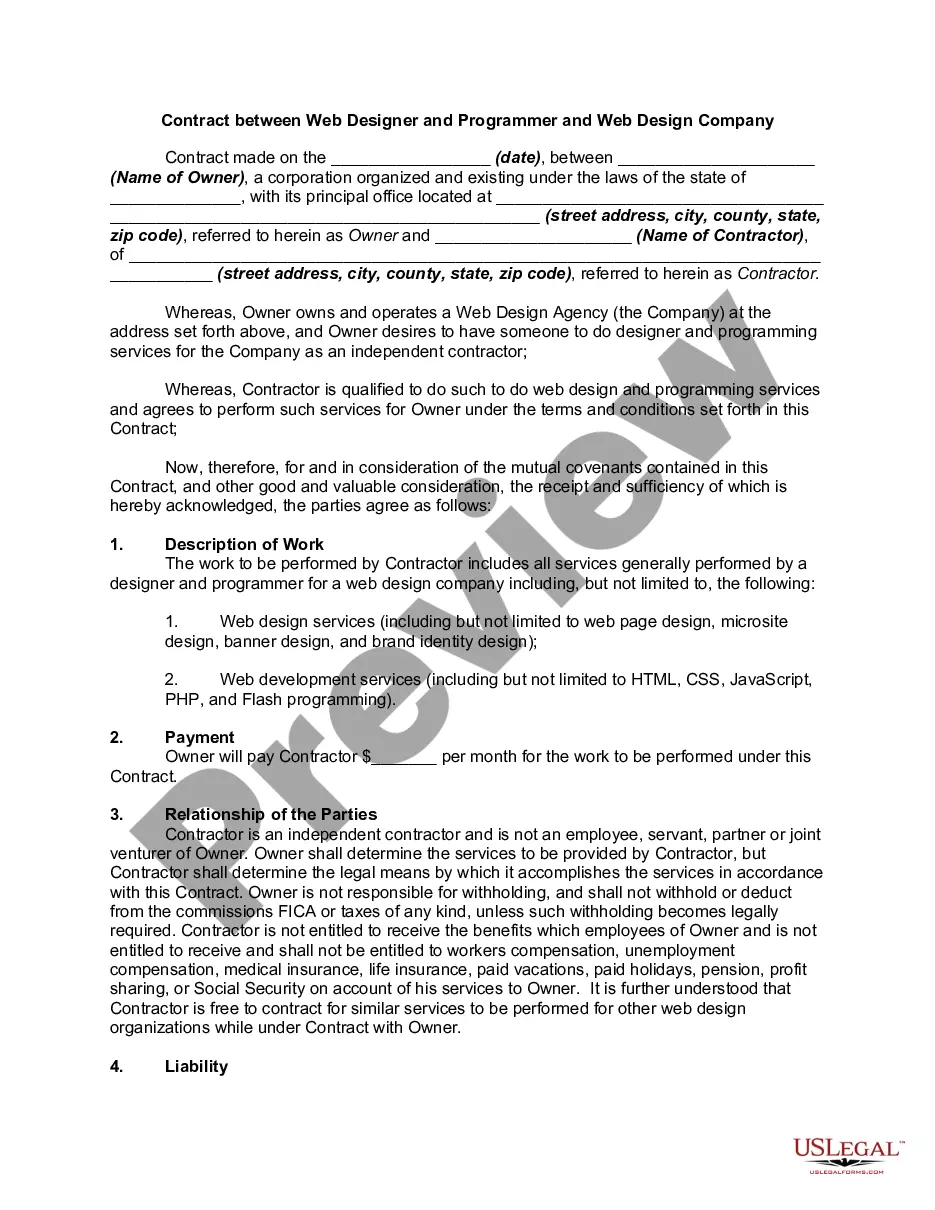
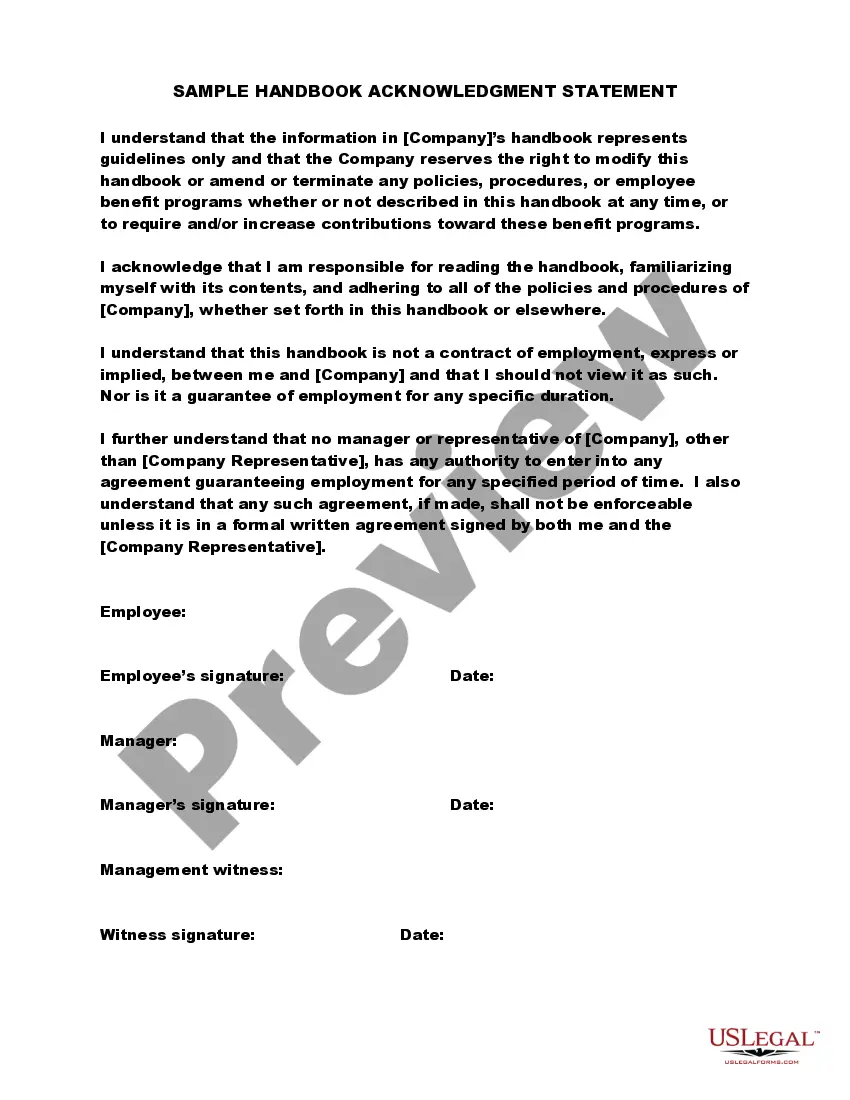
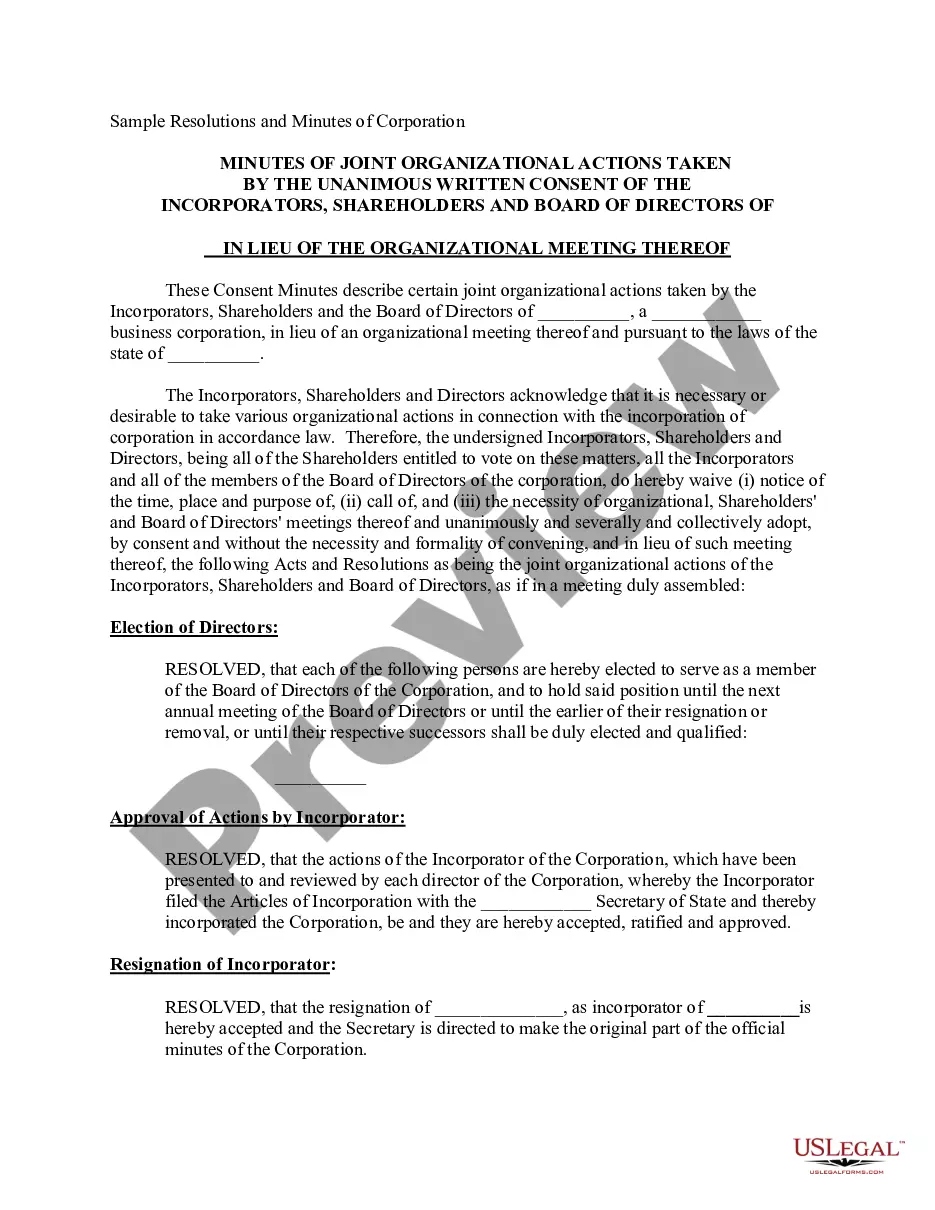
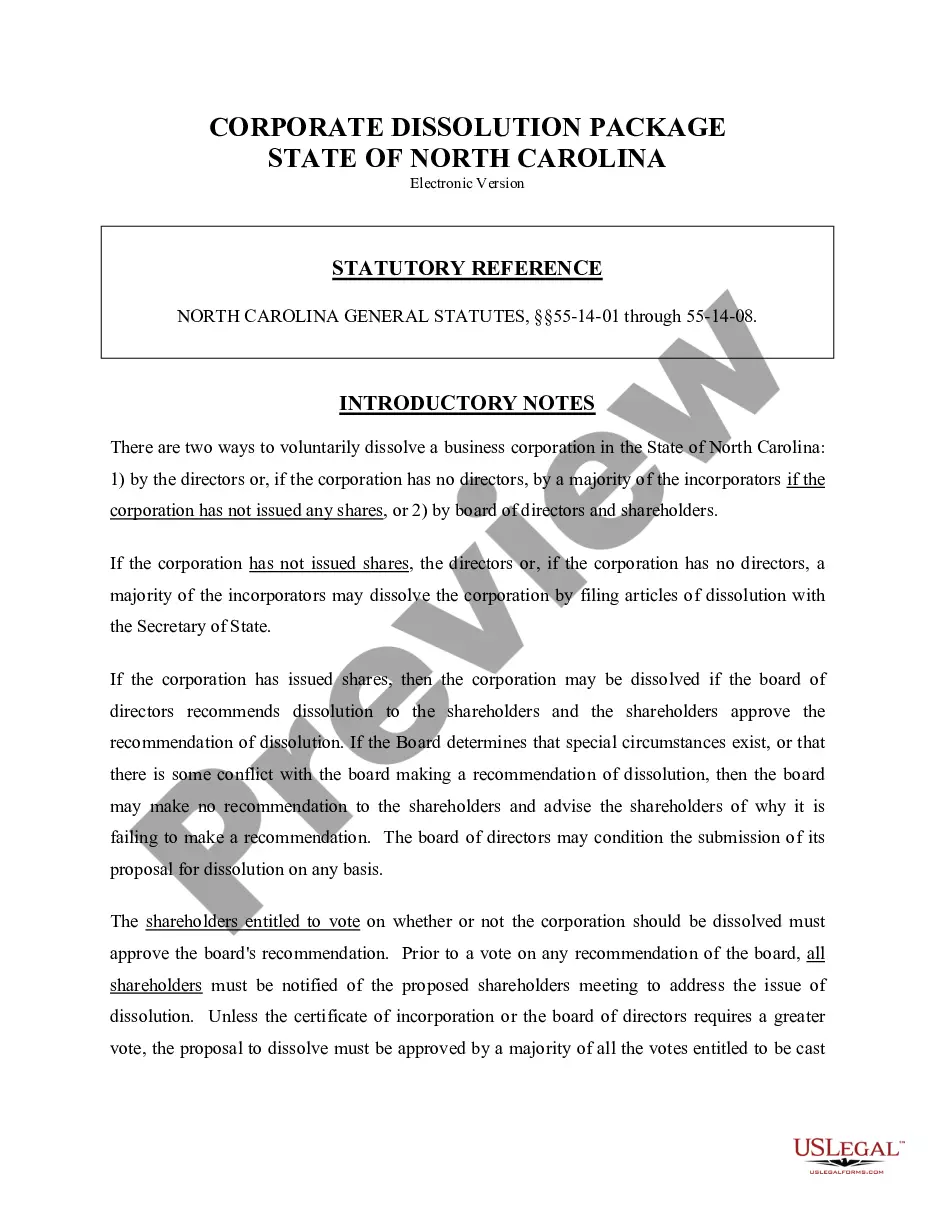
How to fill out California Amendment To Living Trust?
- Sign in to your US Legal Forms account. If you’re a new user, create an account to access the library.
- Use the search bar to locate the amendment agreement template that fits your specific needs and complies with your jurisdiction.
- Review the form's preview mode to ensure it meets your requirements before proceeding.
- Select the appropriate subscription plan and click the Buy Now button.
- Complete your purchase securely using your credit card or PayPal account.
- Download the completed amendment agreement to your device and access it anytime from the My Forms menu in your account.
US Legal Forms makes it easy for individuals and attorneys to navigate through legal documentation needs. Their robust collection of legal forms and access to premium experts ensure that documents are filled out correctly and are legally sound.
Start simplifying your legal processes today with US Legal Forms. Get your amendment agreement and more with just a few clicks!
Form popularity
FAQ
To draft an amendment agreement, start with the title and date of the original agreement. Clearly express the modifications and any new terms that will replace the existing provisions. Additionally, ensure both parties sign the document to validate the changes, and consider using templates from USLegalForms to streamline your drafting process.
Filling out articles of amendment generally requires details such as the name of the entity, the date of the original articles, and the specific changes being made. You’ll also need to reference the sections of the original document that the amendments affect. Resources on USLegalForms provide guidance and templates to assist you in completing this task accurately.
Writing an amendment to bylaws involves outlining the existing bylaws that require change and specifying the modifications in clear terms. You should follow any procedural rules established in the current bylaws for amendment proposals. Utilizing a well-structured amendment agreement can help articulate these changes effectively.
To write an amendment agreement, start by stating the original agreement's title and date. Then, clearly outline the specific changes you wish to implement and ensure both parties understand these revisions. Following this, date and sign the document to formalize the amendment agreement and make it legally binding.
An example of an amendment is a change made to an existing contract, such as extending the deadline for performance. This change must be documented in an amendment agreement that both parties sign to show their consent. You can view various amendment agreement templates on USLegalForms to simplify this process.
An example of the 1 amendment is a modification of a service contract where a client wishes to alter the scope of services provided. This might involve adding services or changing deadlines. Documenting this change through an amendment agreement guarantees both parties understand and accept the updated terms, maintaining clarity and compliance.
An example of amendment 2 might involve revisions in a business partnership agreement where partners decide to change the profit-sharing ratios. This alteration reflects their evolving contributions or investment levels. Using an amendment agreement ensures that these changes are documented formally and legally binding for future reference.
Consideration in an amendment agreement refers to something of value that is exchanged between parties to support the new terms. This could be a change in payment, additional obligations, or other benefits that both sides agree upon. It is essential for validating the amendment and ensuring both parties remain committed to the updated agreement.
An addendum agreement is a document that supplements an existing contract by adding new information or clauses without altering the original contract. It serves to clarify, modify, or expand upon the initial terms. Clients can use an amendment agreement and an addendum together to effectively reshape their contractual relationship.
An amendment agreement may include changes to terms in contracts, such as adjustments to payment schedules or modifications of responsibilities. For instance, a lease agreement may be amended to extend the rental period or alter service provisions. By making these adjustments, parties can ensure the agreement remains suitable and reflective of current intentions.