Tenancy Common Agreement For Landlords
Description
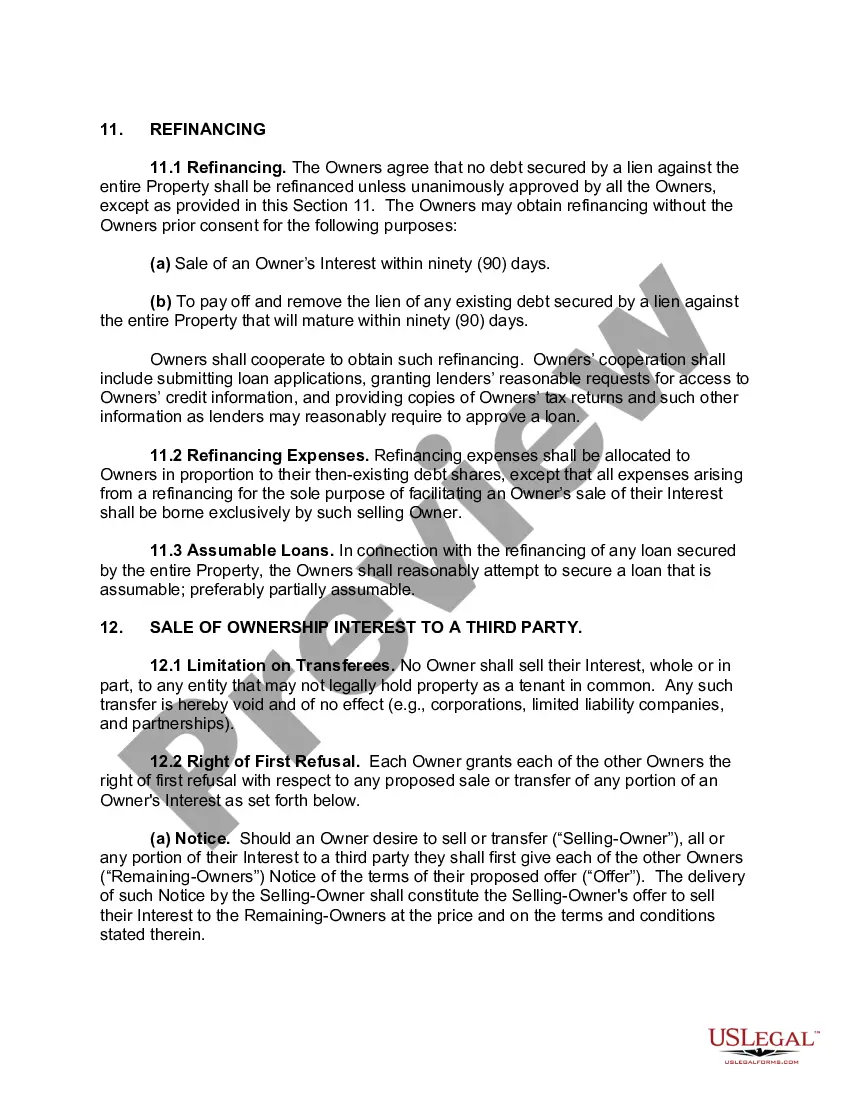
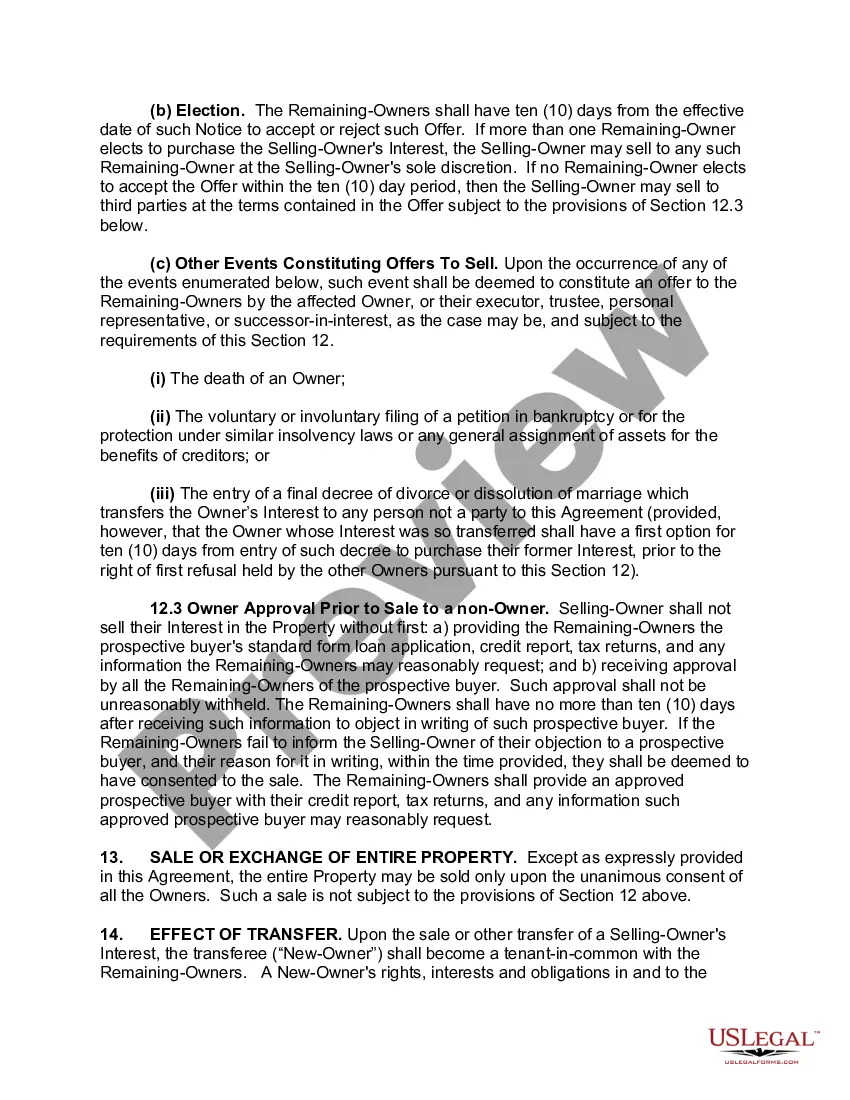

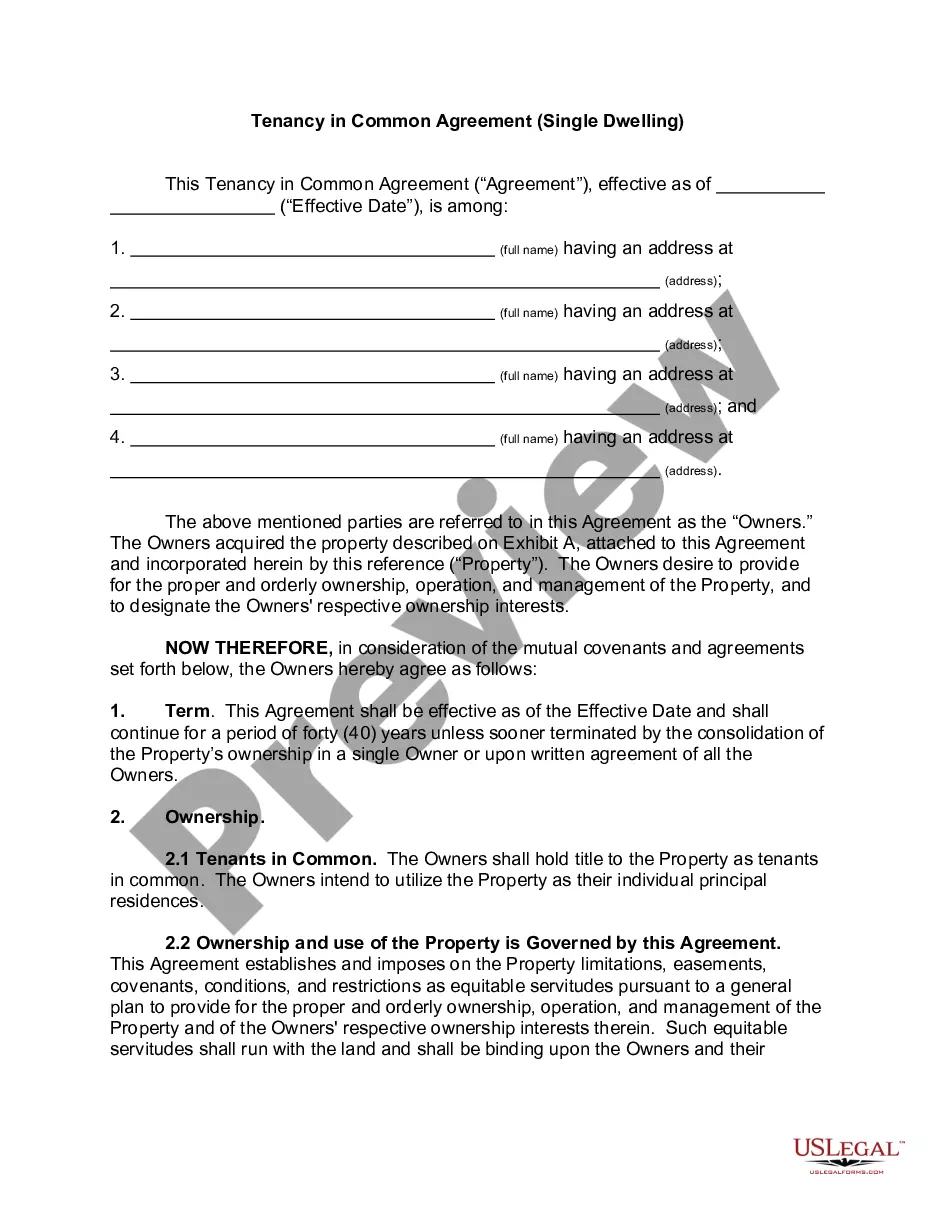
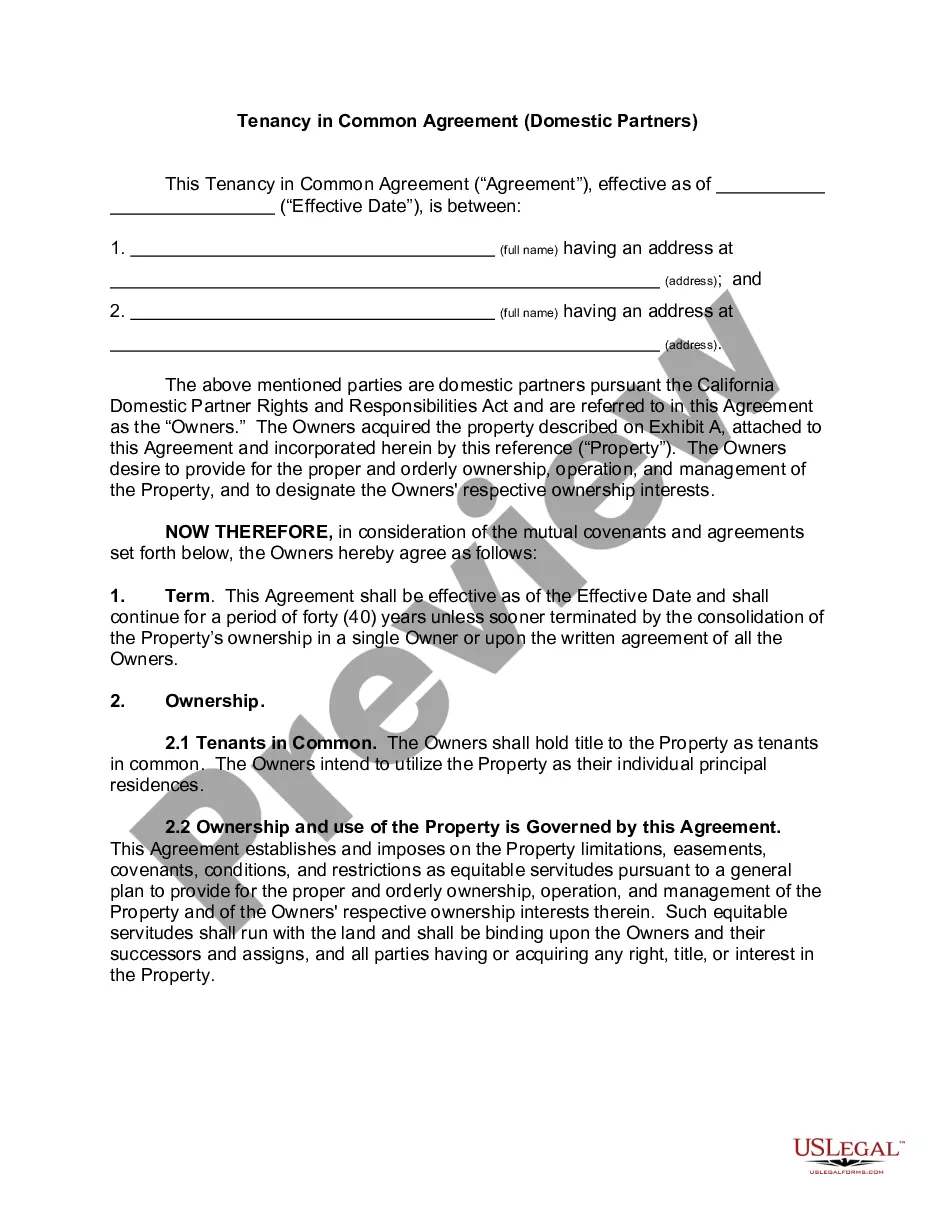
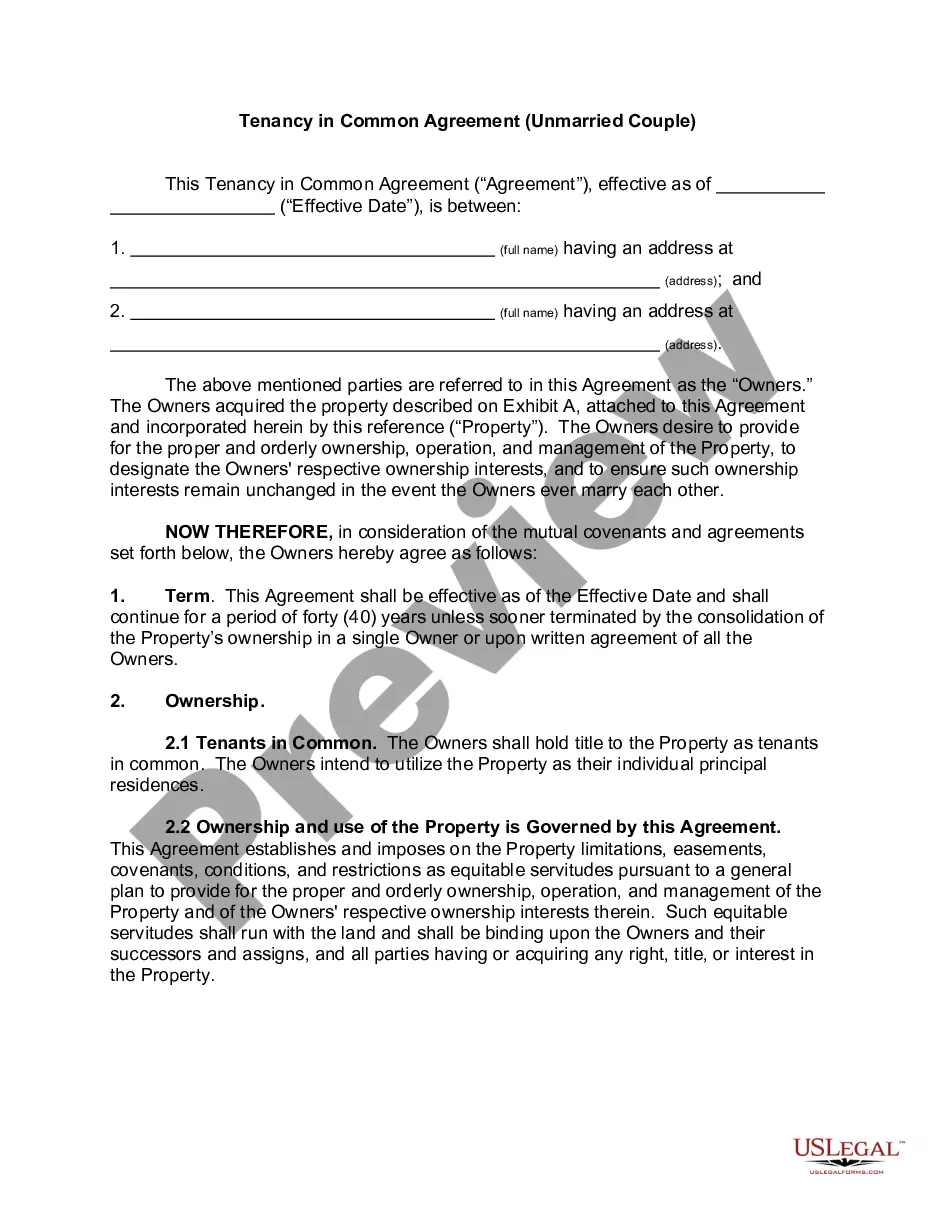
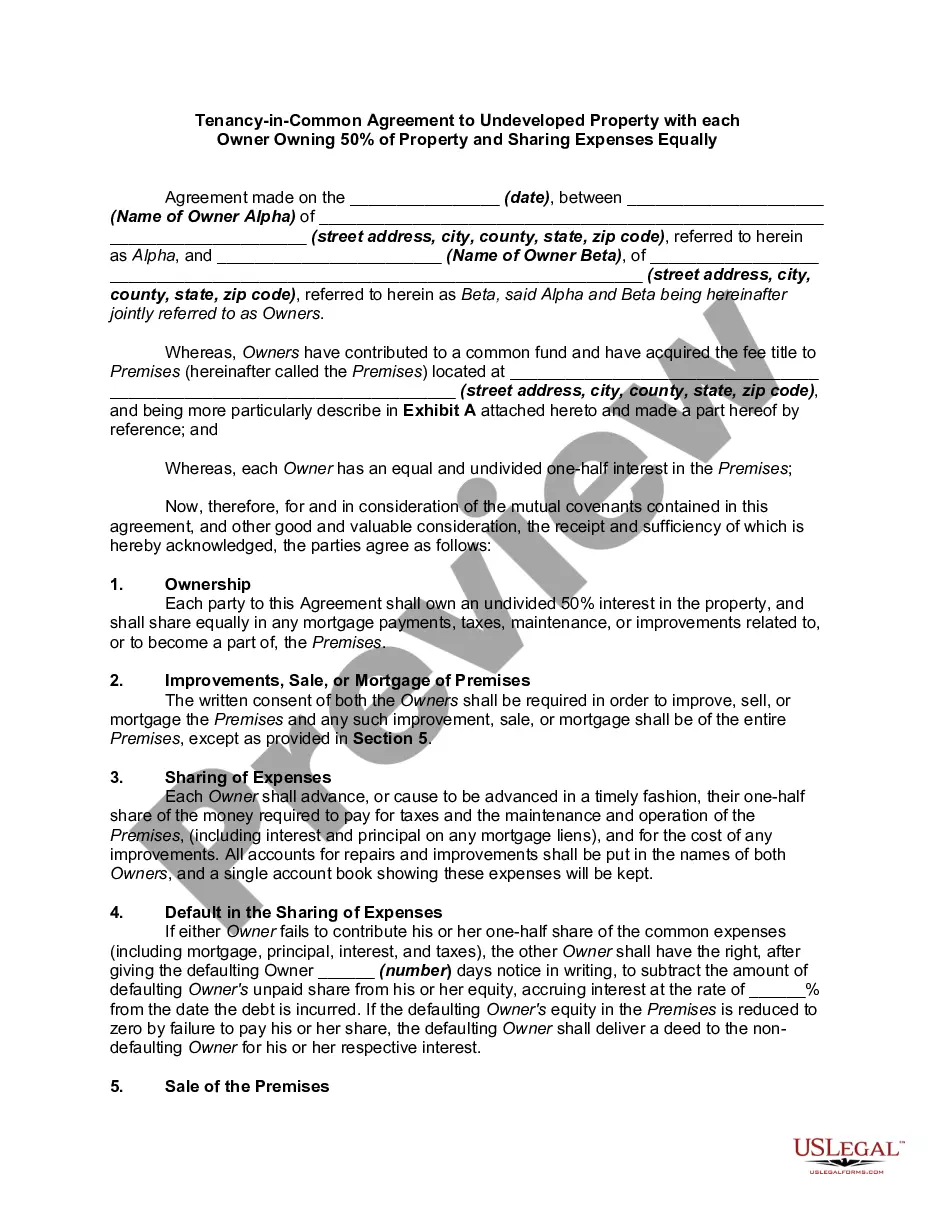
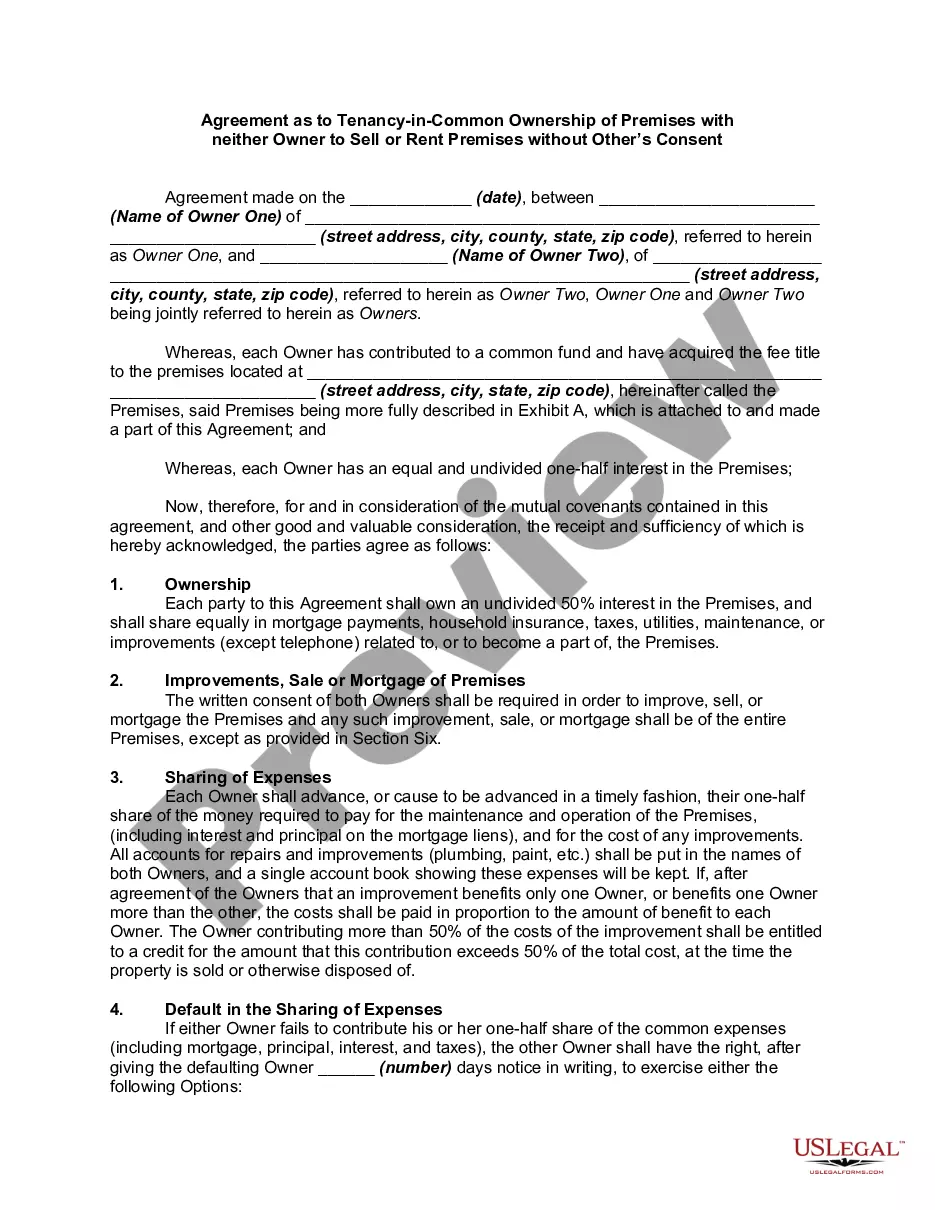
Get your form ready online
Our built-in tools help you complete, sign, share, and store your documents in one place.
Make edits, fill in missing information, and update formatting in US Legal Forms—just like you would in MS Word.
Download a copy, print it, send it by email, or mail it via USPS—whatever works best for your next step.
Sign and collect signatures with our SignNow integration. Send to multiple recipients, set reminders, and more. Go Premium to unlock E-Sign.
If this form requires notarization, complete it online through a secure video call—no need to meet a notary in person or wait for an appointment.
We protect your documents and personal data by following strict security and privacy standards.

Make edits, fill in missing information, and update formatting in US Legal Forms—just like you would in MS Word.

Download a copy, print it, send it by email, or mail it via USPS—whatever works best for your next step.

Sign and collect signatures with our SignNow integration. Send to multiple recipients, set reminders, and more. Go Premium to unlock E-Sign.

If this form requires notarization, complete it online through a secure video call—no need to meet a notary in person or wait for an appointment.

We protect your documents and personal data by following strict security and privacy standards.
Looking for another form?







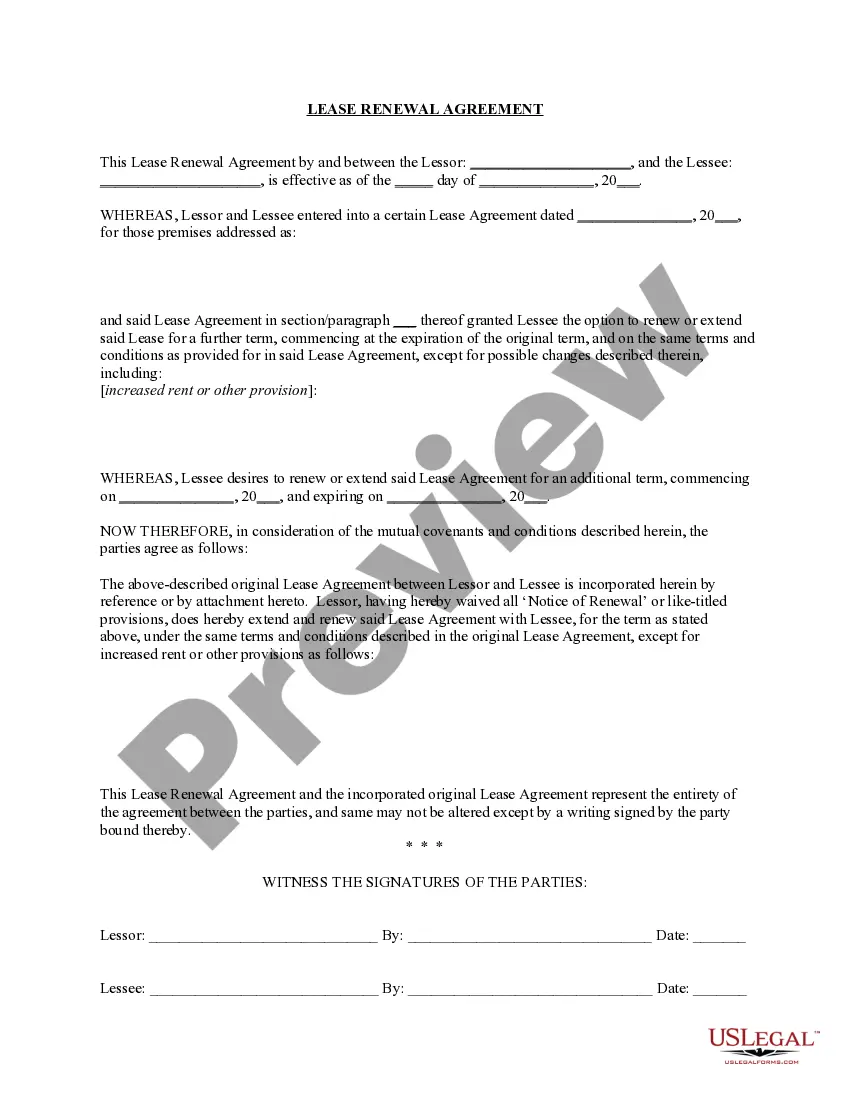

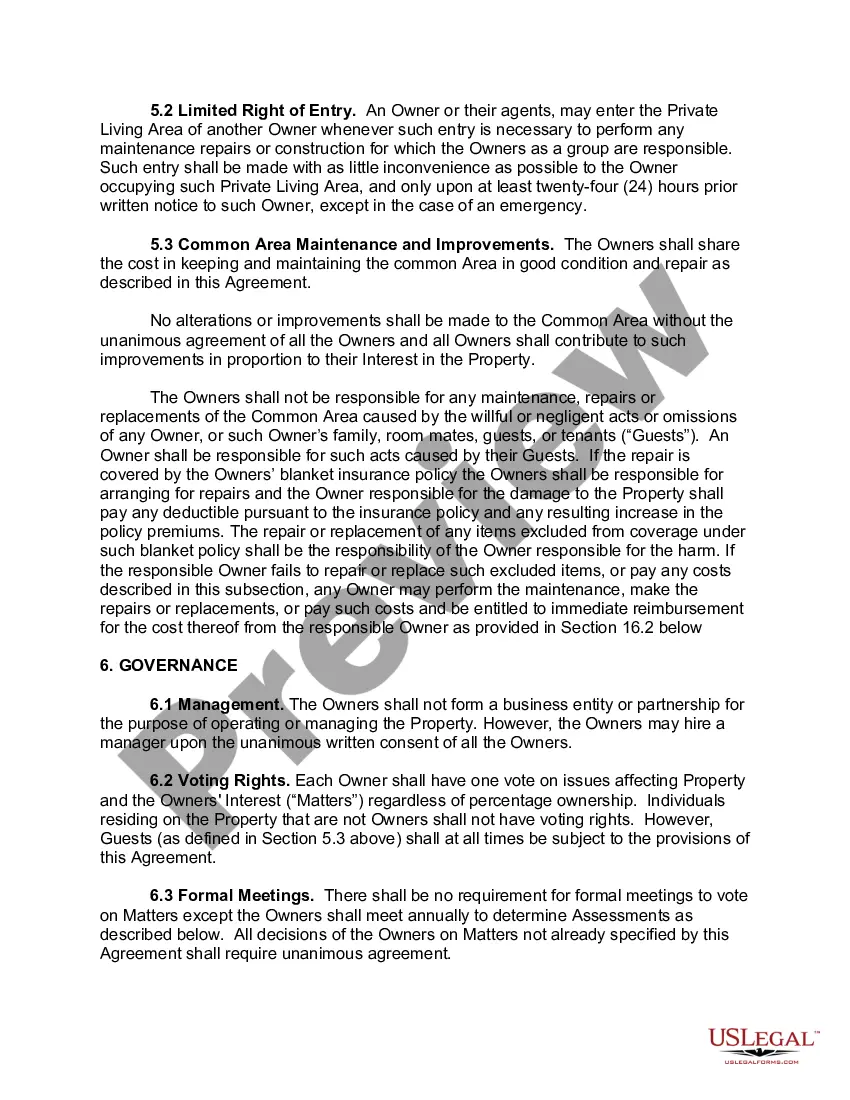
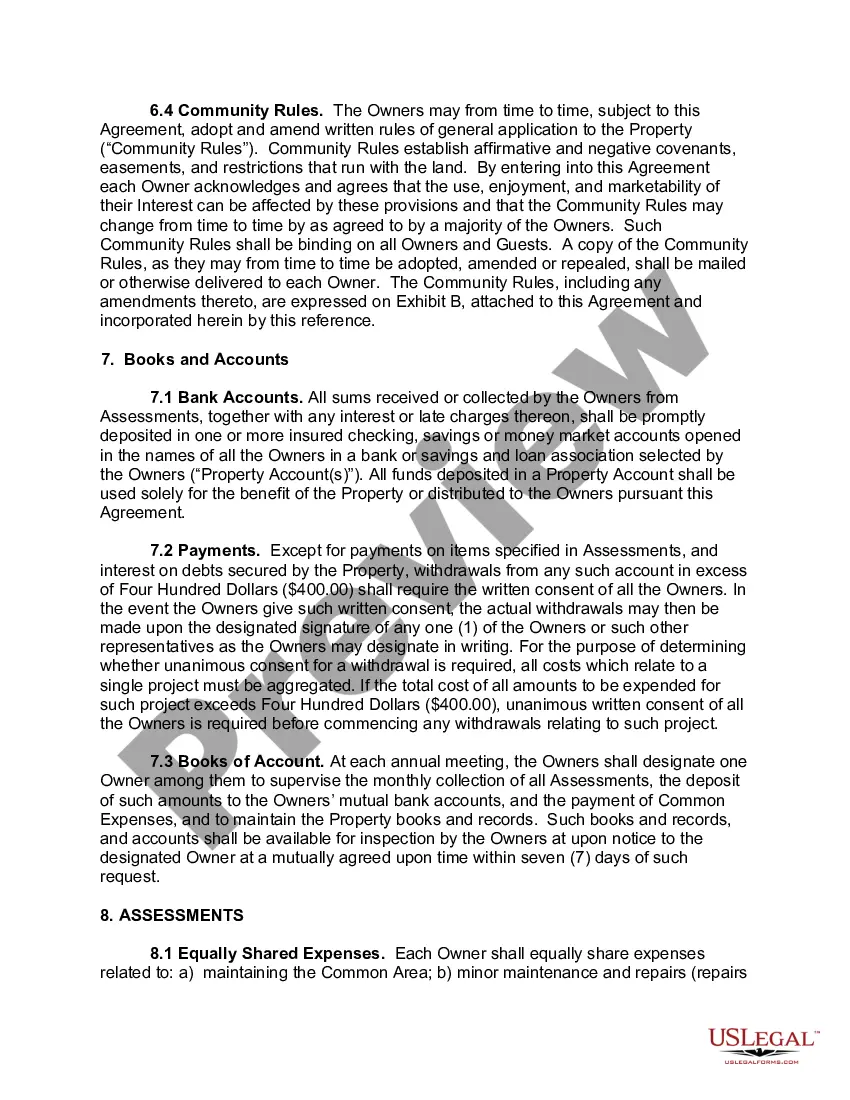
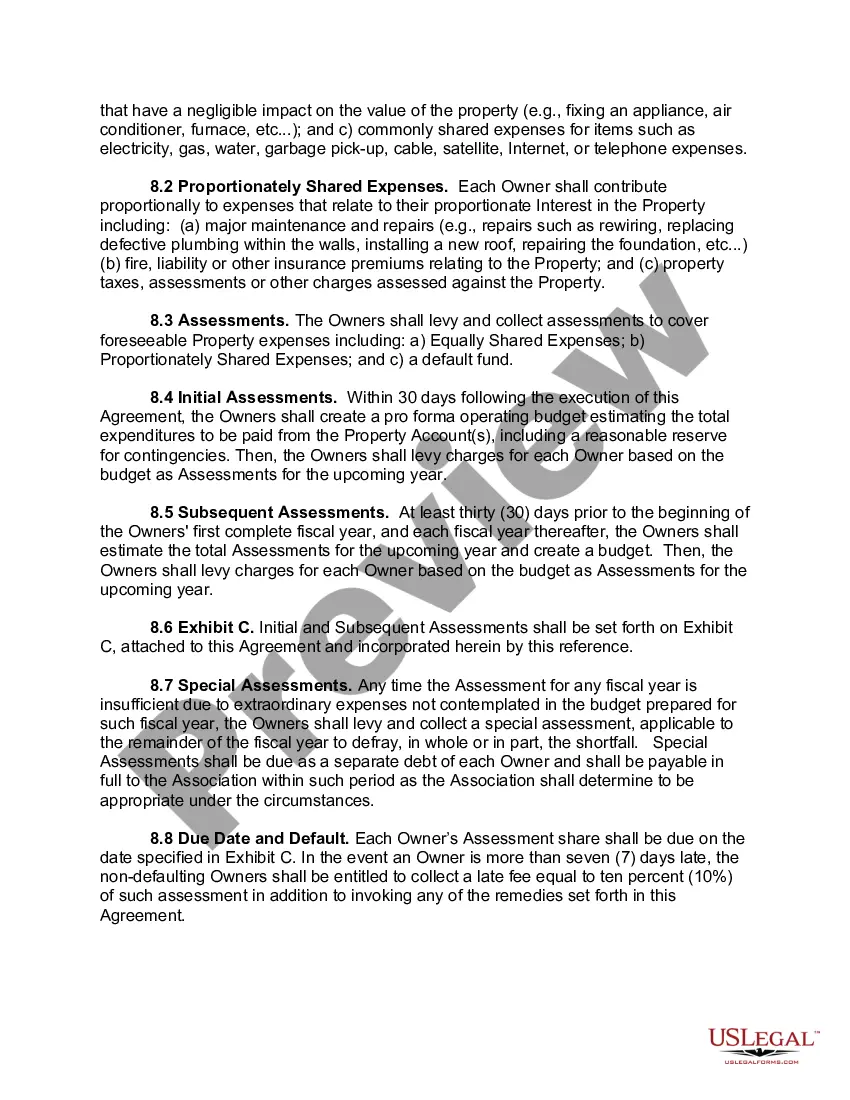
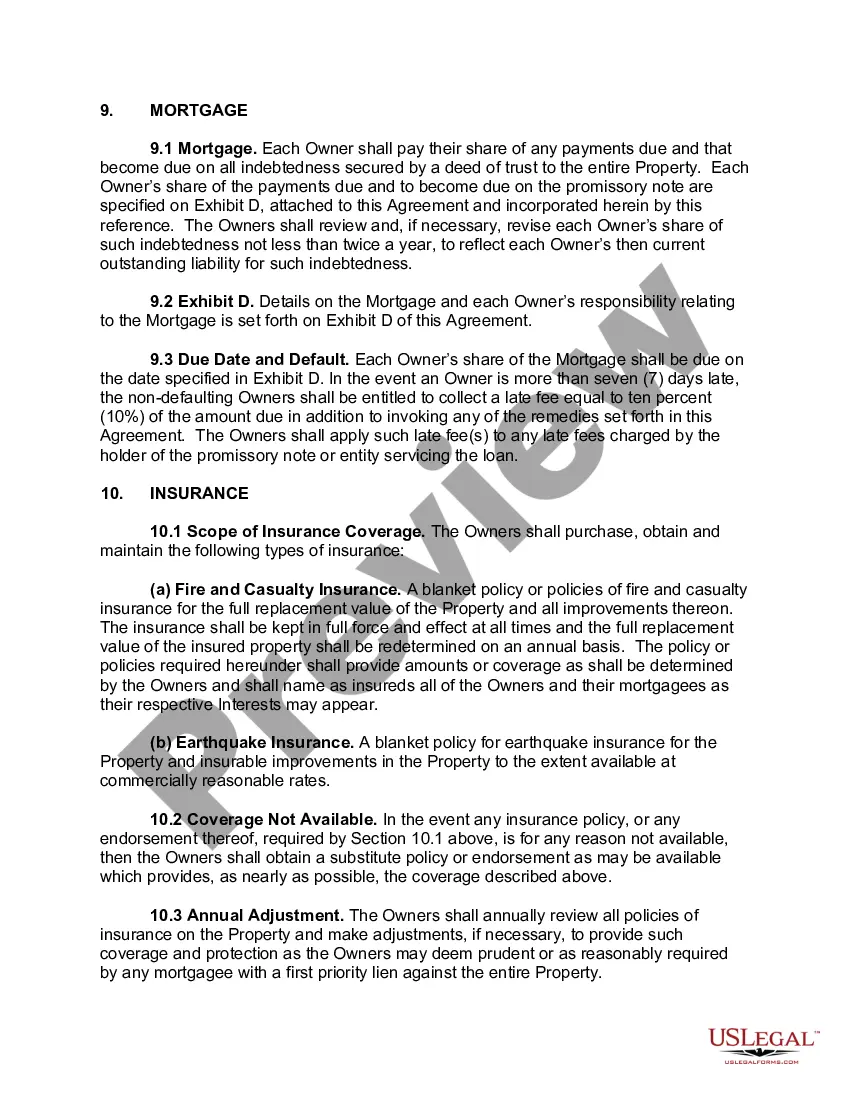
How to fill out California Tenancy In Common Agreement - Single Dwelling - Married Couple?
- Visit the US Legal Forms website. If you are a returning user, simply log in to your account.
- Once logged in, navigate to the search bar and enter 'tenancy common agreement'. Explore the available templates and select the version that aligns with your needs.
- In the template preview, verify that it meets your specific requirements and complies with local laws.
- If you need additional forms, use the search feature to find other pertinent documents.
- Choose the desired template and click on the 'Buy Now' button to select a suitable subscription plan for access.
- Complete the payment process by entering your credit card information or using PayPal, ensuring your subscription is activated.
- After purchase, download the form to your device. You can access it later in the My Forms section of your profile.
With US Legal Forms, you benefit from a comprehensive legal library consisting of over 85,000 forms. This extensive collection ensures you have the resources necessary to create accurate legal documents.
Ready to simplify your legal documentation? Visit US Legal Forms today and start using our valuable resources to get your tenancy common agreement for landlords.
Form popularity
FAQ
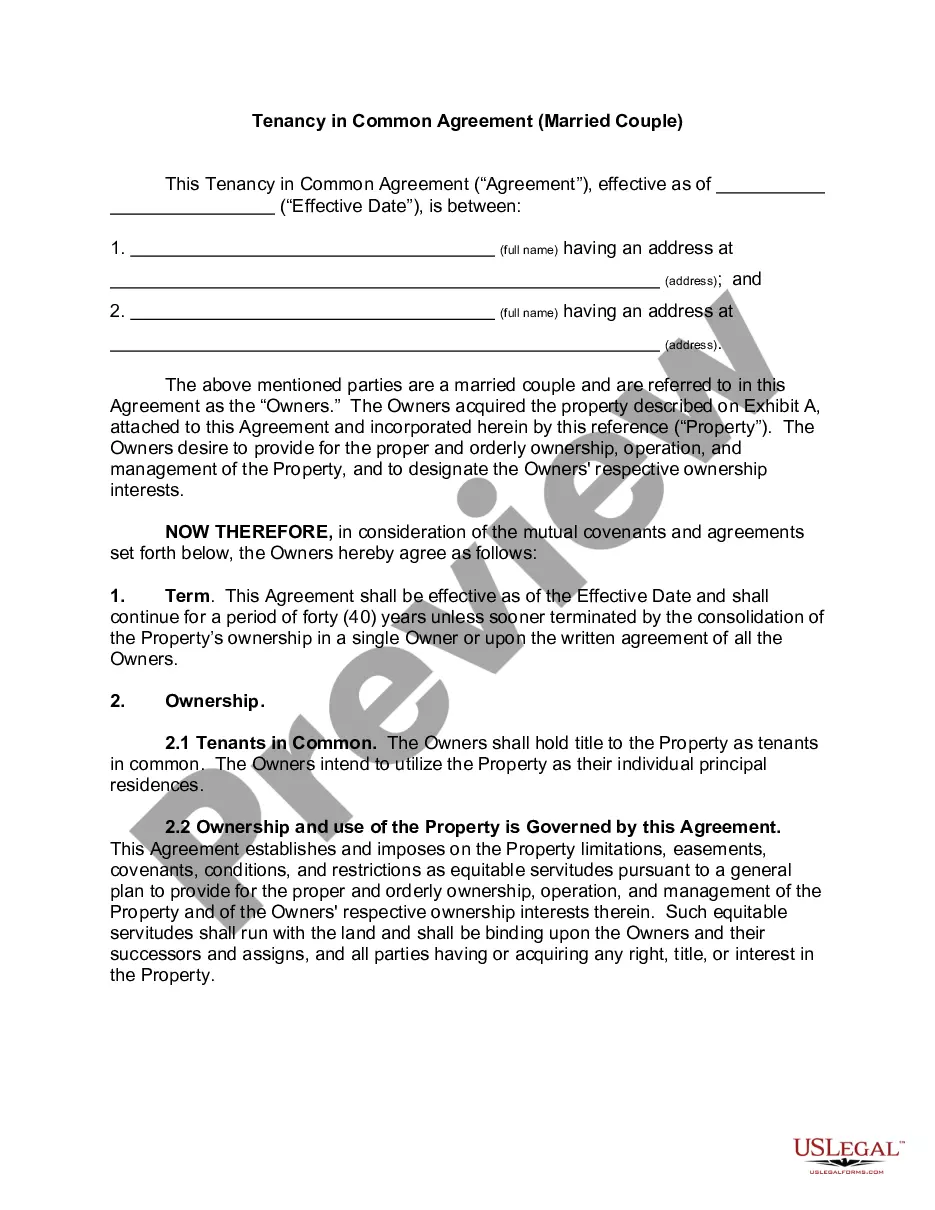
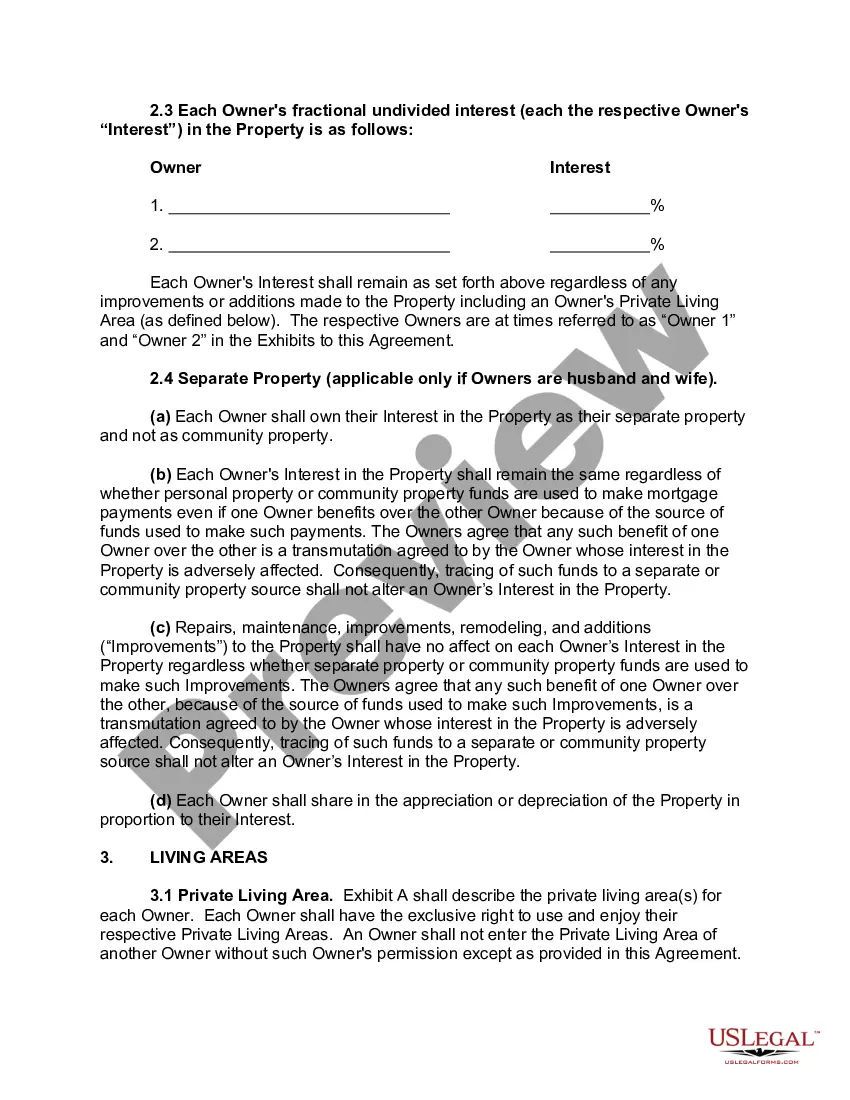
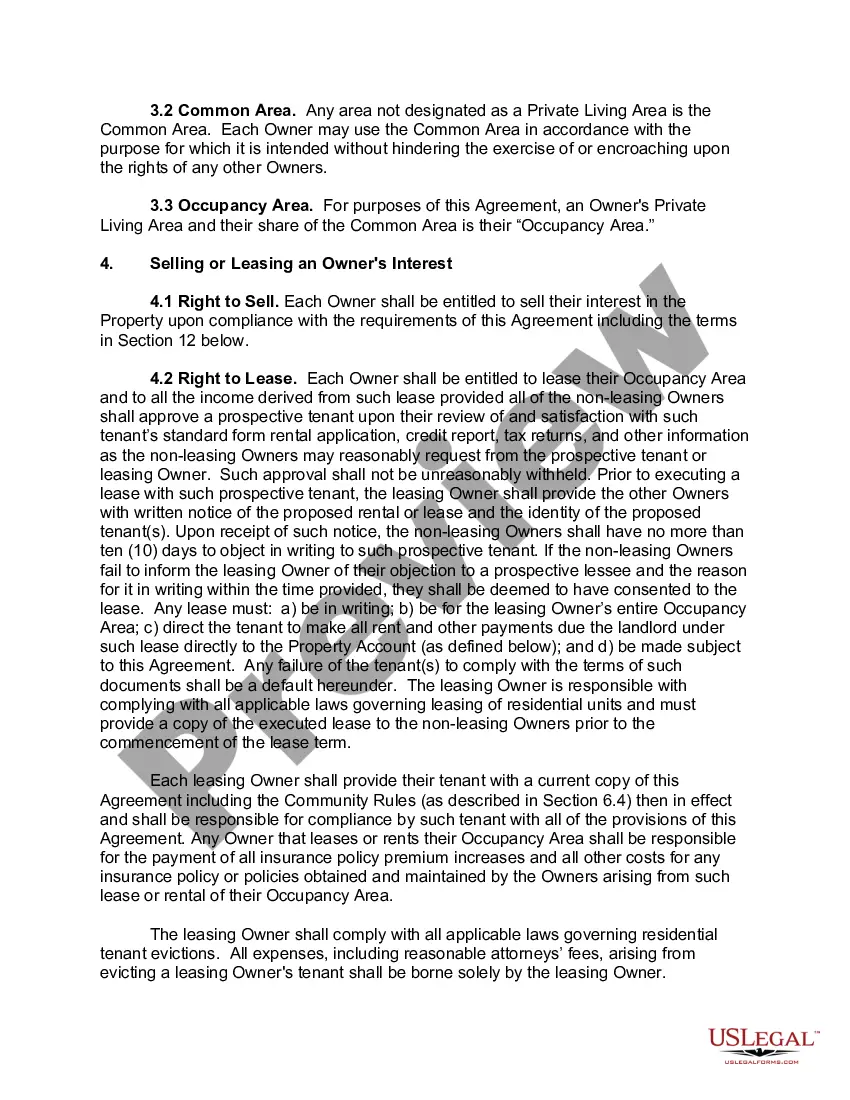
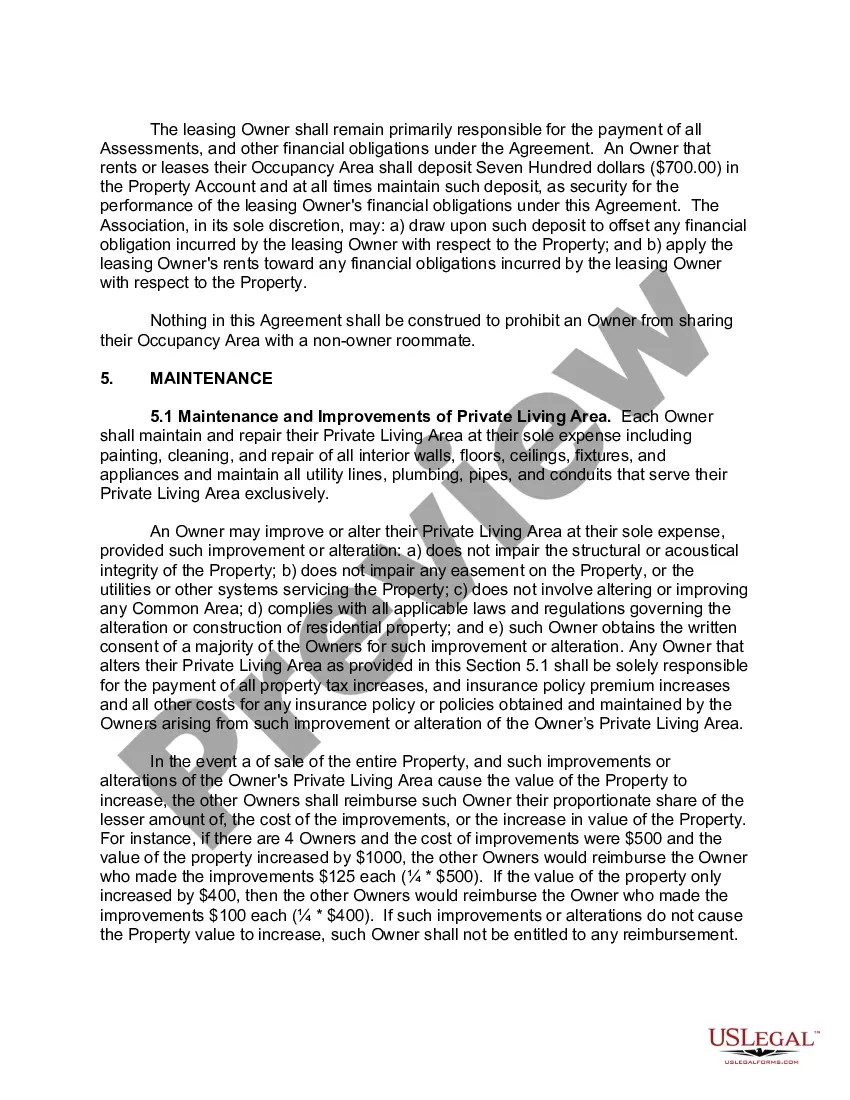
A tenancy in common deed is a legal document that outlines how two or more individuals share ownership of a property. For instance, if two friends buy a house together and decide on unequal ownership shares, the deed will specify the exact percentage each owns. This arrangement allows each party to sell their share independently. A tenancy common agreement for landlords simplifies this process, ensuring clear terms are established for all parties involved.
A tenants in common agreement in New York is a legal arrangement that allows multiple individuals to own a property together. This agreement ensures that each tenant holds a specific share of the property, which can be transferred or passed on based on individual decisions. It works well in situations where landlords seek to invest jointly with others while maintaining their independence. For effective management, landlords can benefit from a detailed tenancy common agreement for landlords to clarify ownership shares and responsibilities.
The most common tenancy agreement is a lease that outlines the rights and responsibilities of both landlords and tenants. A tenancy common agreement for landlords allows them to manage shared ownership effectively, ensuring all parties understand their obligations. This document typically specifies terms such as rent, property use, and maintenance responsibilities. For landlords, using a clear tenancy common agreement minimizes potential disputes and enhances cooperation among tenants.
To start a tenancy in common, first identify your co-owners and discuss each party's contributions and expectations regarding the property. Next, draft a tenancy common agreement for landlords that specifies the ownership percentages and outlines decision-making procedures. Protecting each owner's rights and interests is fundamental, so consider seeking assistance from professionals in real estate or law. This proactive approach will set a solid foundation for a successful tenancy in common arrangement.
Setting up a tenancy in common involves drafting an agreement that outlines the terms of ownership and responsibilities among co-owners. It's vital to include how costs, such as property taxes and maintenance, will be shared, as well as the procedures for selling one's share. Collaborating with a legal expert can help ensure that your tenancy common agreement for landlords meets all necessary regulations. Ultimately, this setup fosters transparency and understanding among all parties involved.
One downside of a tenancy in common is that all co-owners share liability for the property, which can complicate management and decision-making. Additionally, if one owner wishes to sell their interest, it may disrupt the harmony among co-owners. Furthermore, in certain situations, each owner's share can become part of the probate process after their death. Therefore, creating a comprehensive tenancy common agreement for landlords is crucial to mitigate these risks.
The IRS treats a tenancy in common as a form of ownership where each co-owner holds an undivided interest in the property. Each owner can sell or transfer their share independently, and they must report their income derived from the property accordingly. It's essential for landlords to understand this setup because it impacts how taxes are filed and potential deductions are claimed. Thus, having a well-drafted tenancy common agreement for landlords can clarify each party's responsibilities.
Under IRS guidelines, common ownership refers to the situation where multiple individuals hold an interest in a single property. This definition impacts how income and expenses are reported for tax purposes. For landlords, knowing this definition helps in structuring a tenancy common agreement for landlords effectively to ensure compliance with tax regulations.
Tenancy in common (TIC) offers landlords flexibility in ownership arrangements. One key advantage is that it allows multiple parties to own a share of the property, making it easier to pool resources. However, a potential disadvantage is that shared decision-making can lead to disagreements. Understanding these dynamics is crucial when drafting a tenancy common agreement for landlords.