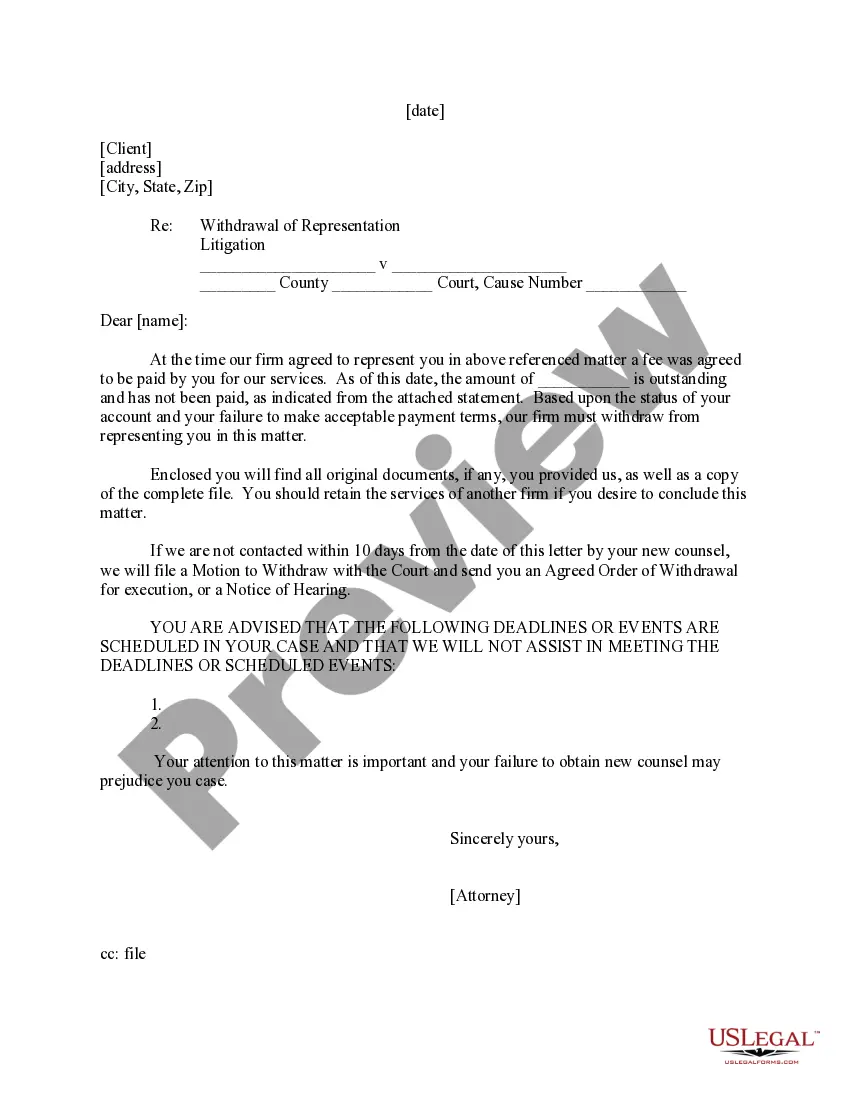
Attorney Client Rejection Letter Sample With Reason
Description
Get your form ready online
Our built-in tools help you complete, sign, share, and store your documents in one place.
Make edits, fill in missing information, and update formatting in US Legal Forms—just like you would in MS Word.
Download a copy, print it, send it by email, or mail it via USPS—whatever works best for your next step.
Sign and collect signatures with our SignNow integration. Send to multiple recipients, set reminders, and more. Go Premium to unlock E-Sign.
If this form requires notarization, complete it online through a secure video call—no need to meet a notary in person or wait for an appointment.
We protect your documents and personal data by following strict security and privacy standards.

Make edits, fill in missing information, and update formatting in US Legal Forms—just like you would in MS Word.

Download a copy, print it, send it by email, or mail it via USPS—whatever works best for your next step.

Sign and collect signatures with our SignNow integration. Send to multiple recipients, set reminders, and more. Go Premium to unlock E-Sign.

If this form requires notarization, complete it online through a secure video call—no need to meet a notary in person or wait for an appointment.

We protect your documents and personal data by following strict security and privacy standards.
Looking for another form?
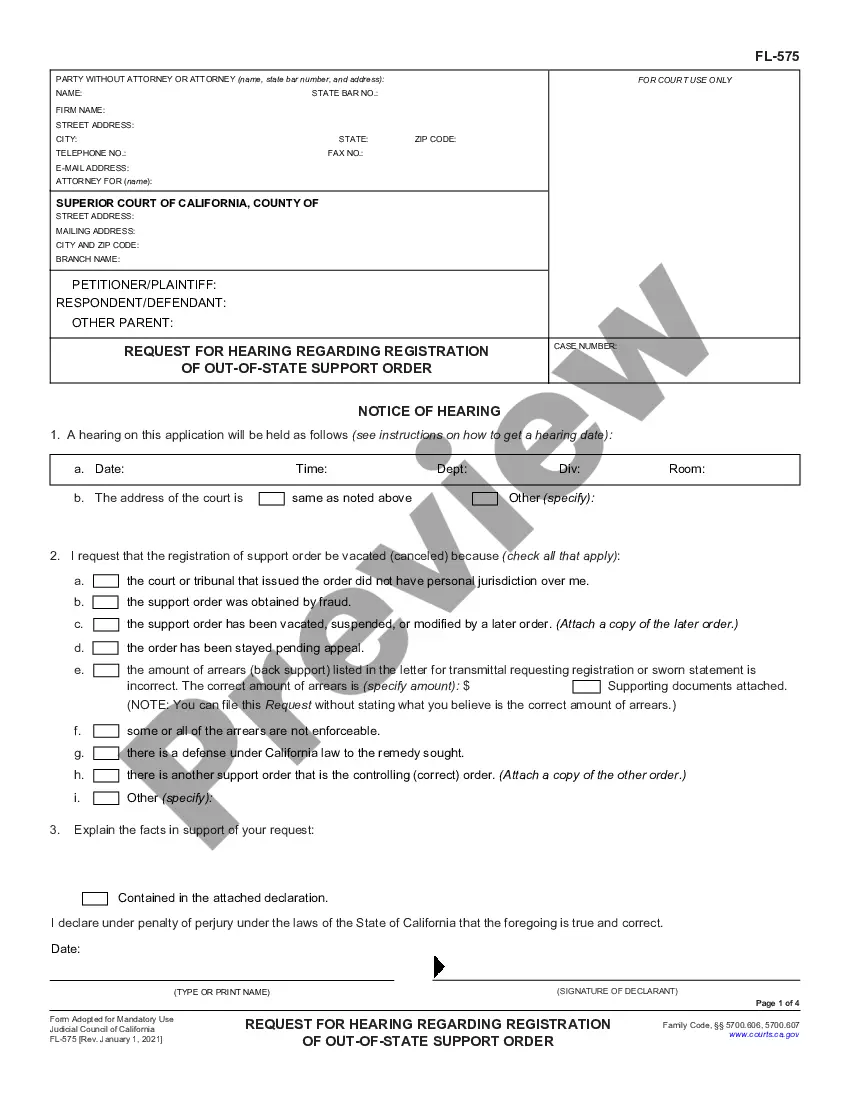
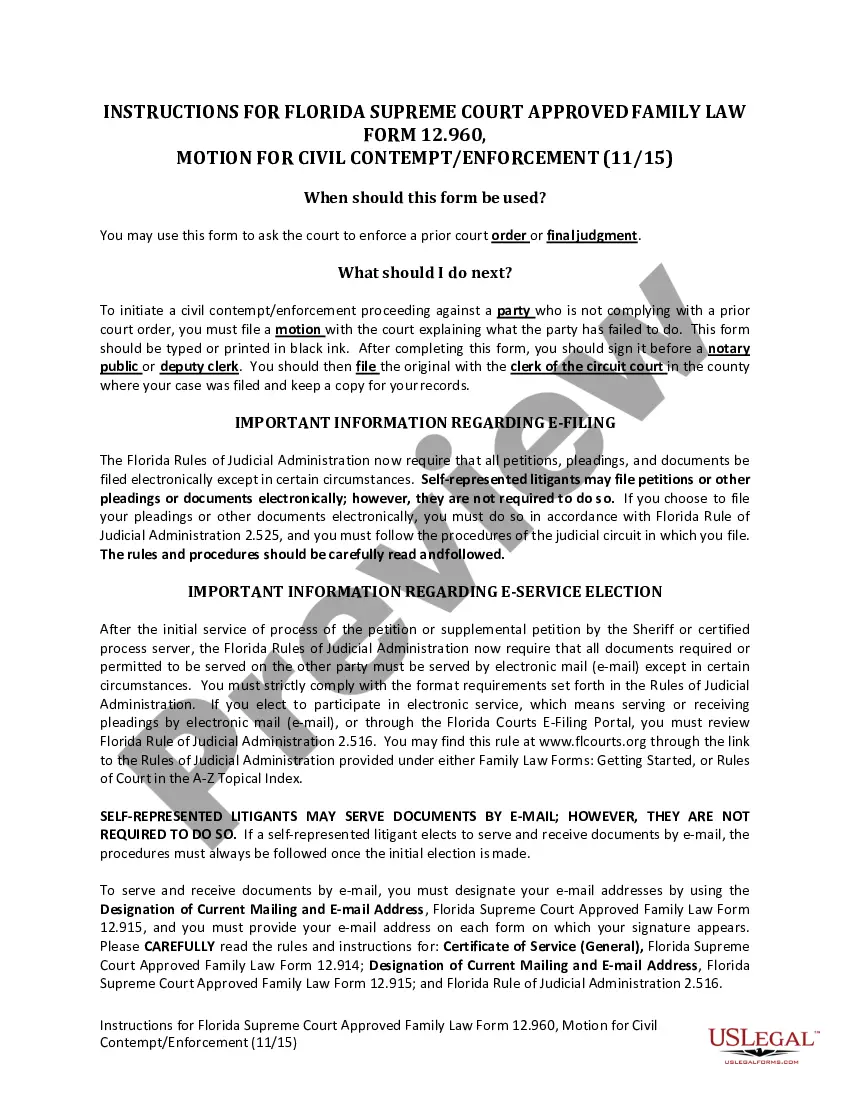
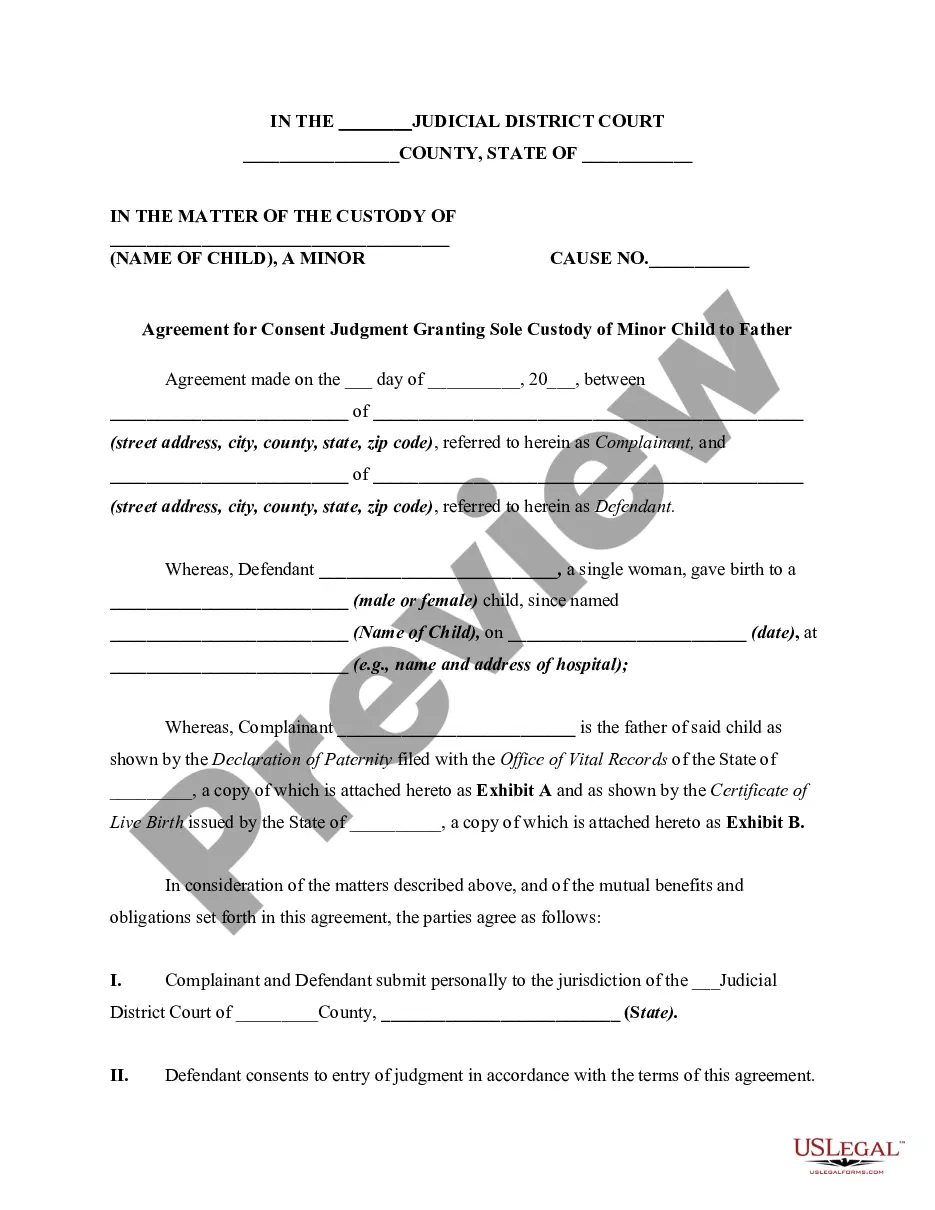

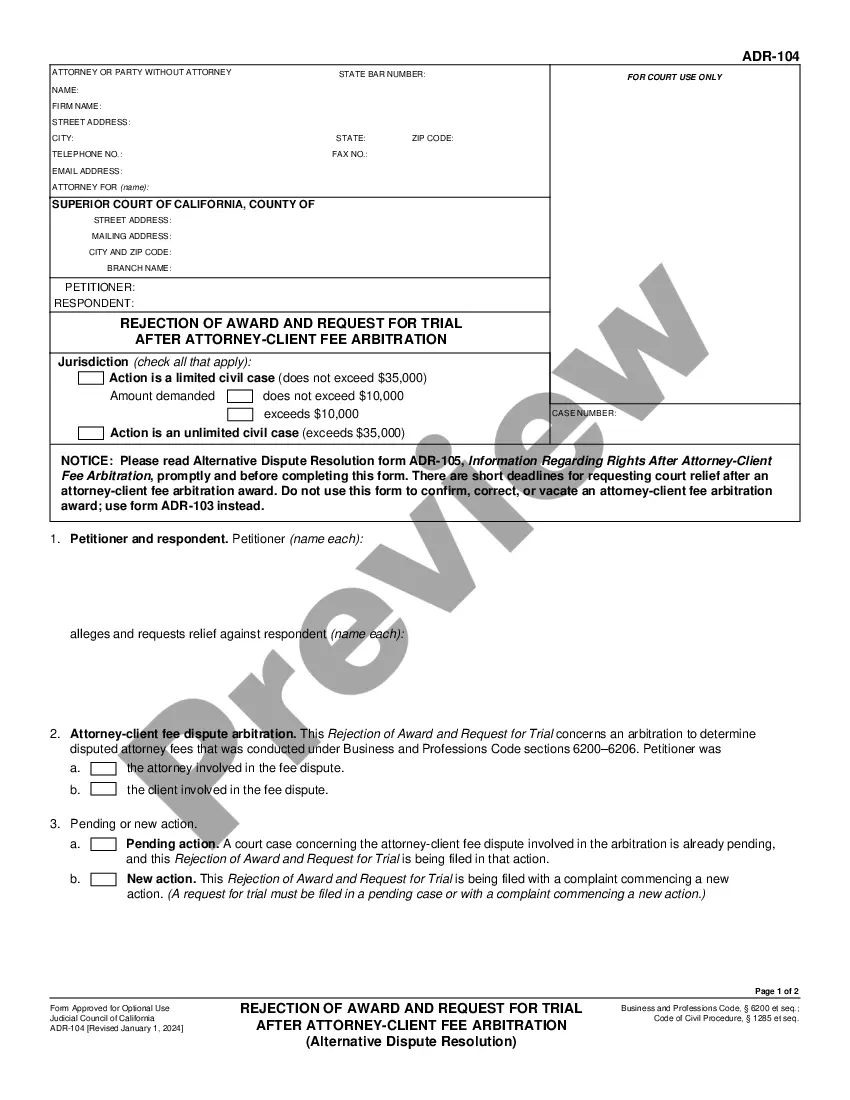
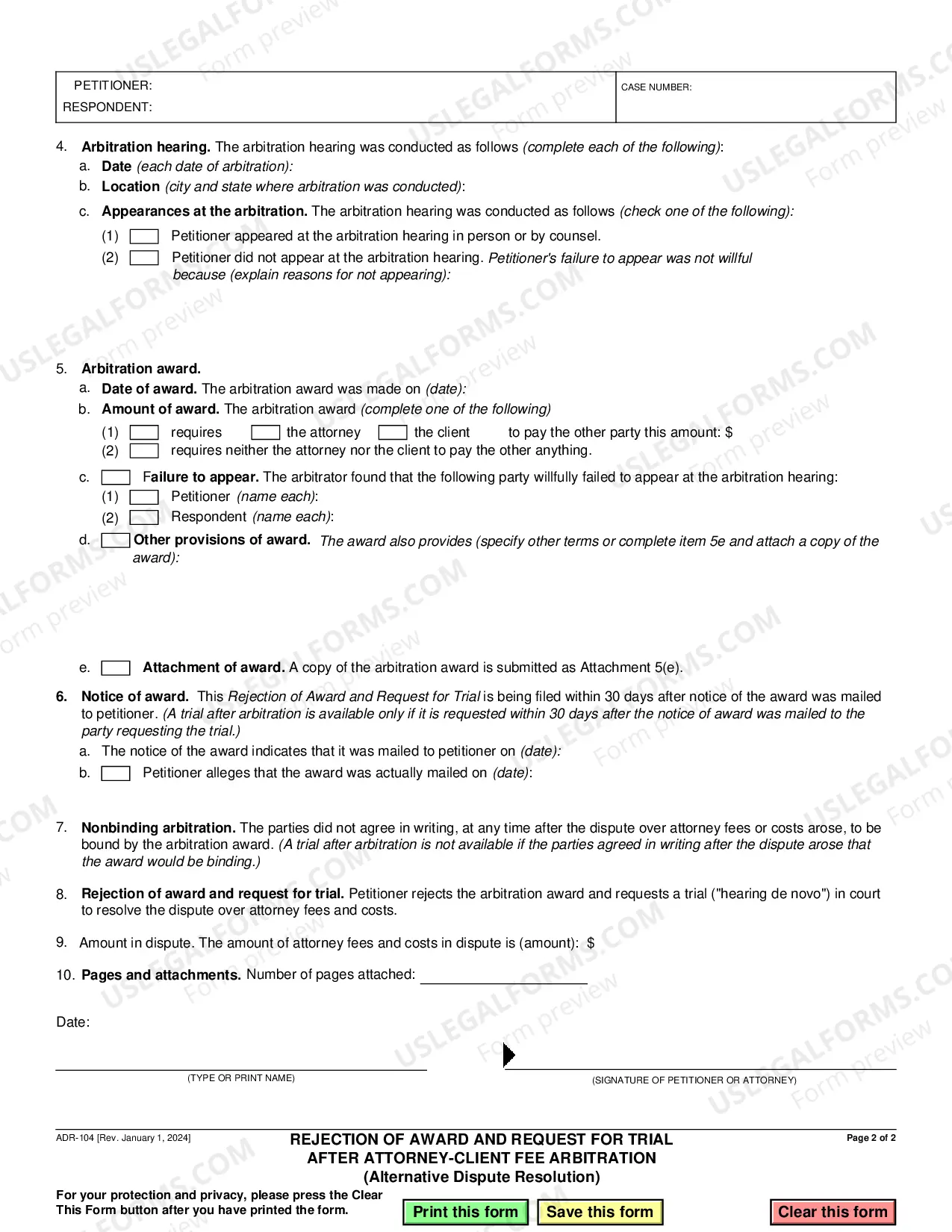
How to fill out California Rejection Of Award And Request For Trial After Attorney-Client Fee Arbitration?
Whether for professional reasons or personal issues, everyone needs to handle legal matters at some point in their life.
Filling out legal paperwork necessitates meticulous consideration, starting with selecting the appropriate form template. For example, if you choose an incorrect version of the Attorney Client Rejection Letter Sample With Reason, it will be rejected upon submission. Therefore, it is crucial to have a dependable source of legal documents like US Legal Forms.
With a comprehensive US Legal Forms catalog available, you do not need to waste time searching for the suitable template across the internet. Utilize the library’s user-friendly navigation to find the correct form for any circumstance.
- Locate the template you require by utilizing the search bar or catalog browsing.
- Review the form’s details to confirm it aligns with your situation, state, and county.
- Click on the form’s preview to view it.
- If it is not the correct form, return to the search feature to find the Attorney Client Rejection Letter Sample With Reason template you need.
- Download the template if it fulfills your requirements.
- If you already possess a US Legal Forms account, simply click Log in to access previously saved documents in My documents.
- If you do not yet have an account, you can download the form by clicking Buy now.
- Select the appropriate pricing option.
- Fill out the account registration form.
- Choose your payment method: you can utilize a credit card or PayPal account.
- Select the file format you desire and download the Attorney Client Rejection Letter Sample With Reason.
- Once it is downloaded, you can fill out the form using editing software or print it and complete it by hand.
Form popularity
FAQ
After you left our offices yesterday, we performed a formal conflict-of-interest check and found that our firm does indeed have a conflict of interest involving your intended adversary in this case, [Name]. Unfortunately, this conflict cannot be resolved in a manner that would allow us to represent you in this matter.
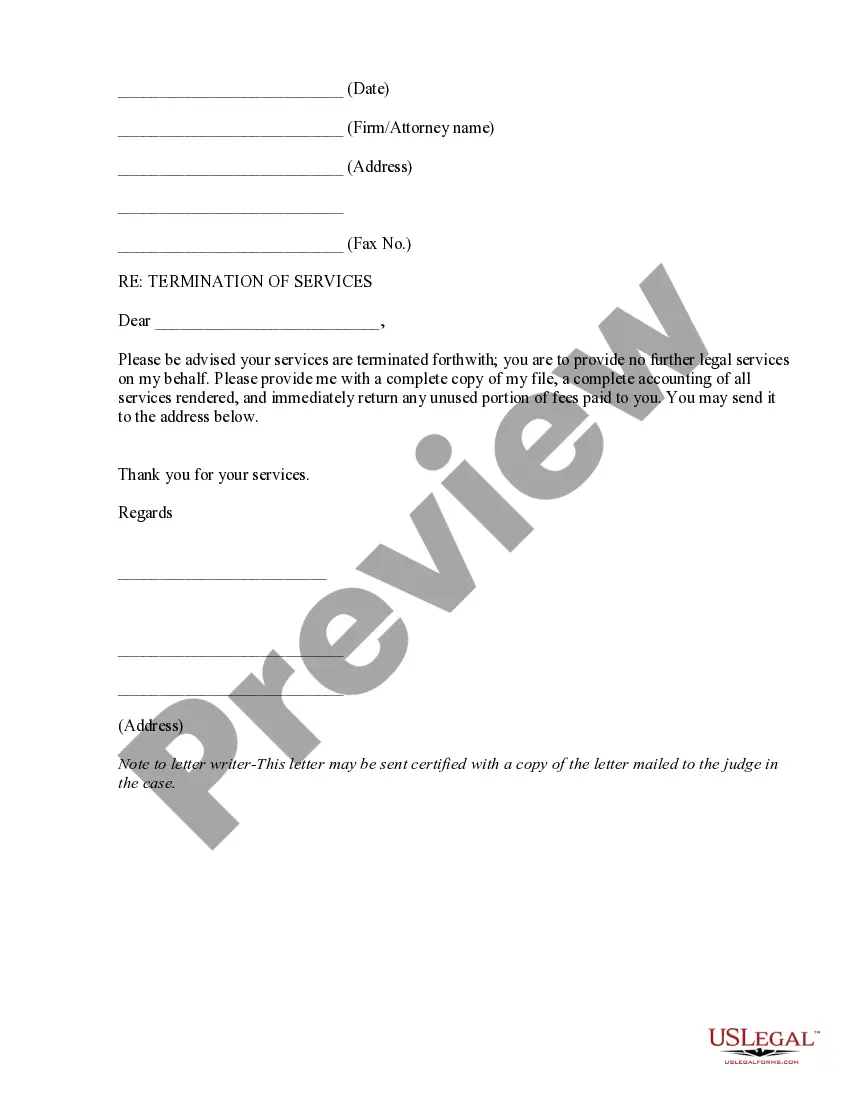
Here are some tips to keep in mind: Always terminate the relationship in writing. Even if you fire your attorney in a verbal exchange, you should follow up by sending a written termination letter. ... Get to the point. ... Be firm. ... Be polite. ... Ask for a copy of your case file.
Put the statement in writing. A written letter serves as a factual record that you turned down the potential client's case and explains the reason for the decision. Always prepare a statement when declining a case. If you work at a law firm and are looking for a rejection letter template, backdocket has you covered.
Situations Where You Might Not Need a Lawyer Self-representation can reduce your legal fees and save you time and money. Small claims court: If you have a civil dispute below a statutory amount (amounts vary by state), you can represent yourself. Most small claims courts do not allow attorney representation.
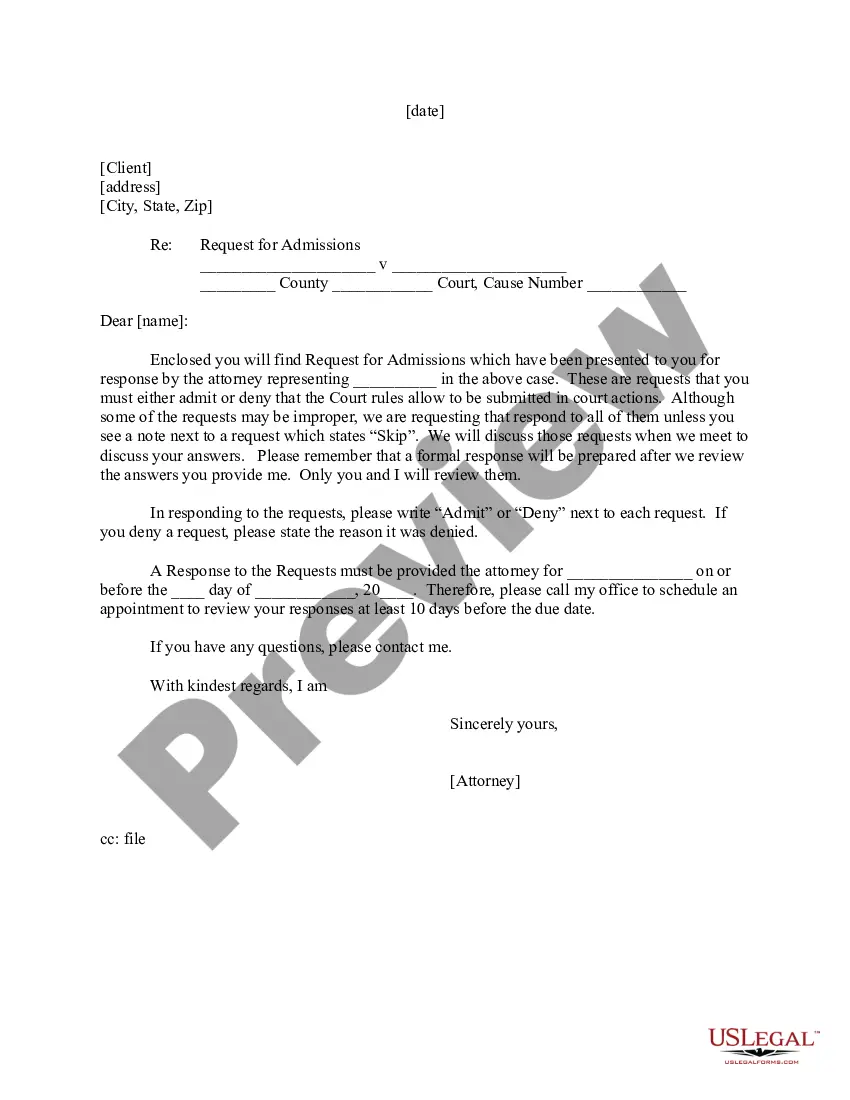
Every time you want to decline to represent a prospective client, you should use a non-engagement letter. Otherwise, you risk the possibility that the prospective client could mistakenly think you're their attorney on a matter.