Apartment Policy With A Pool
Description
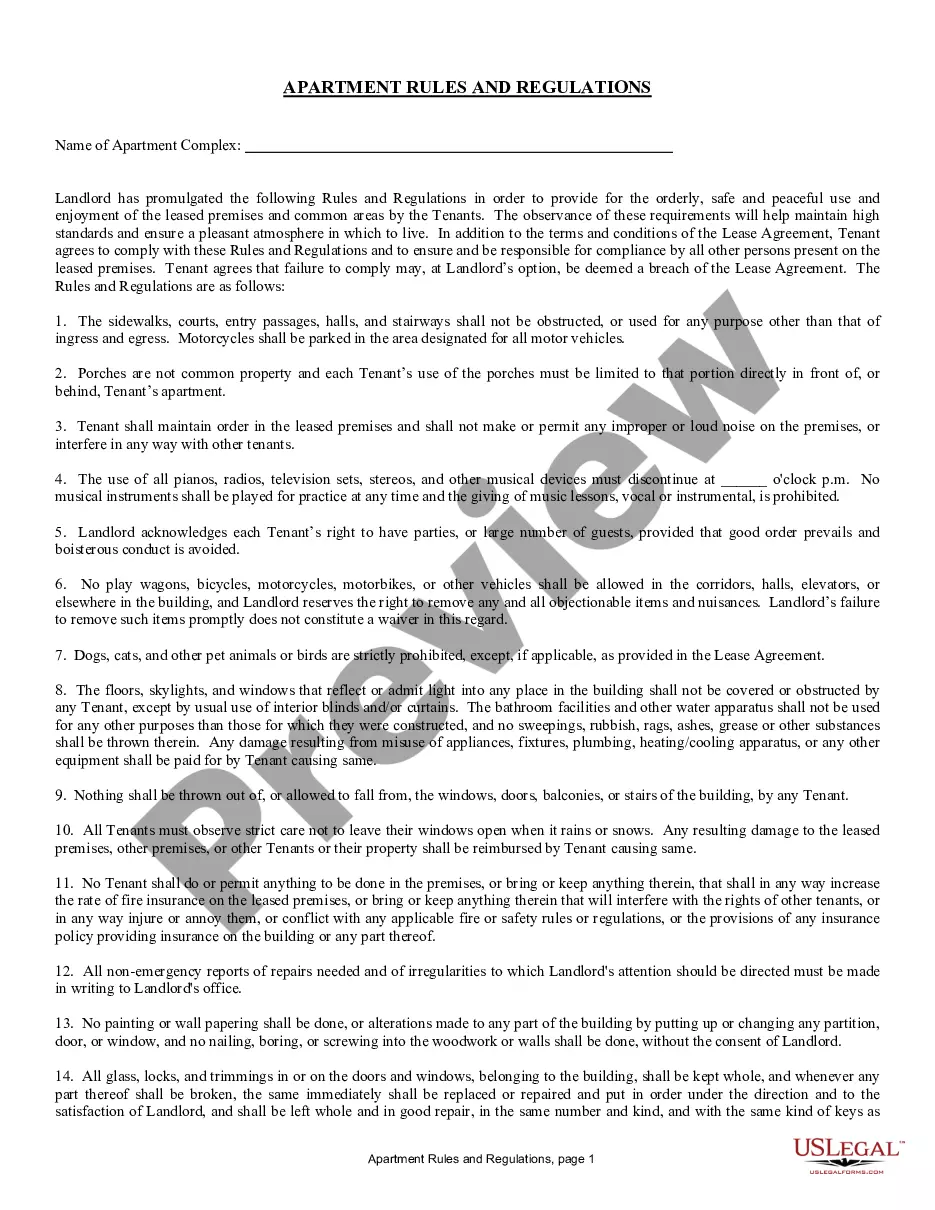
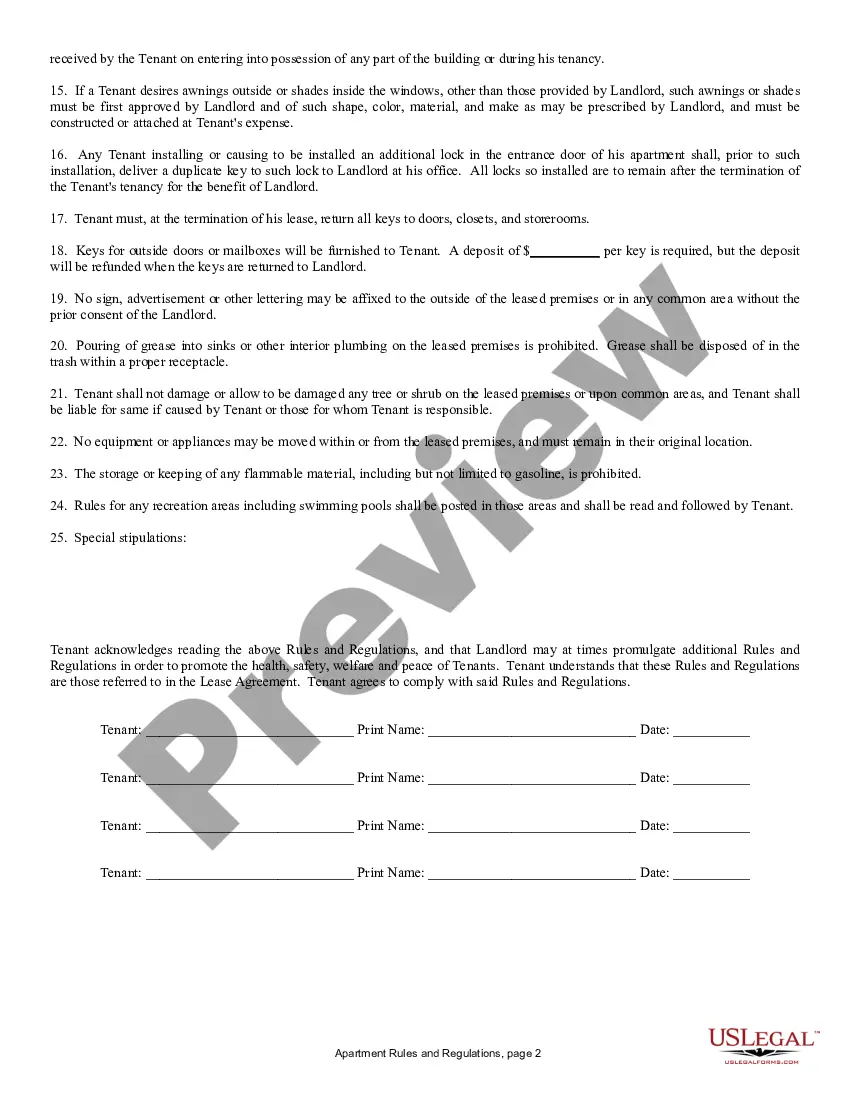
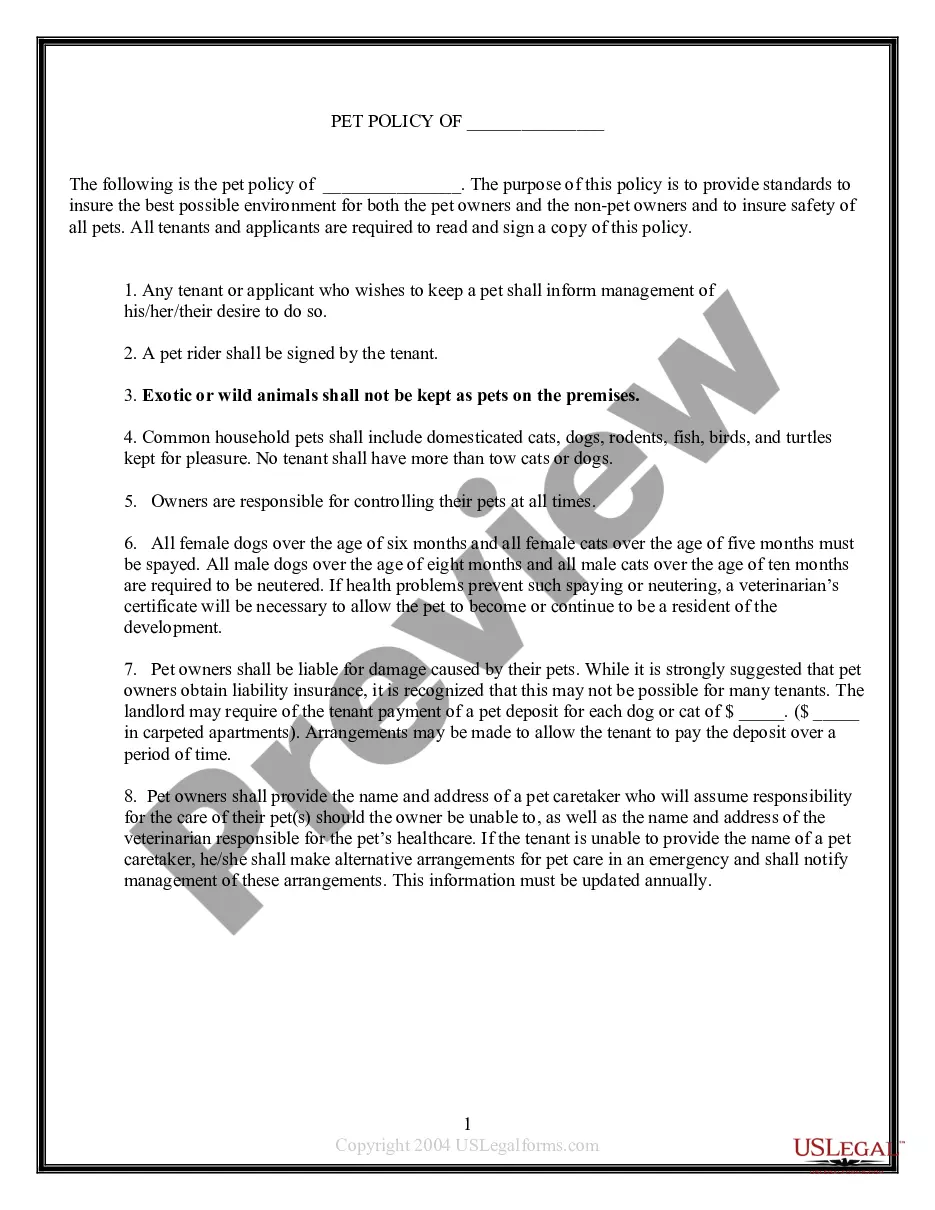
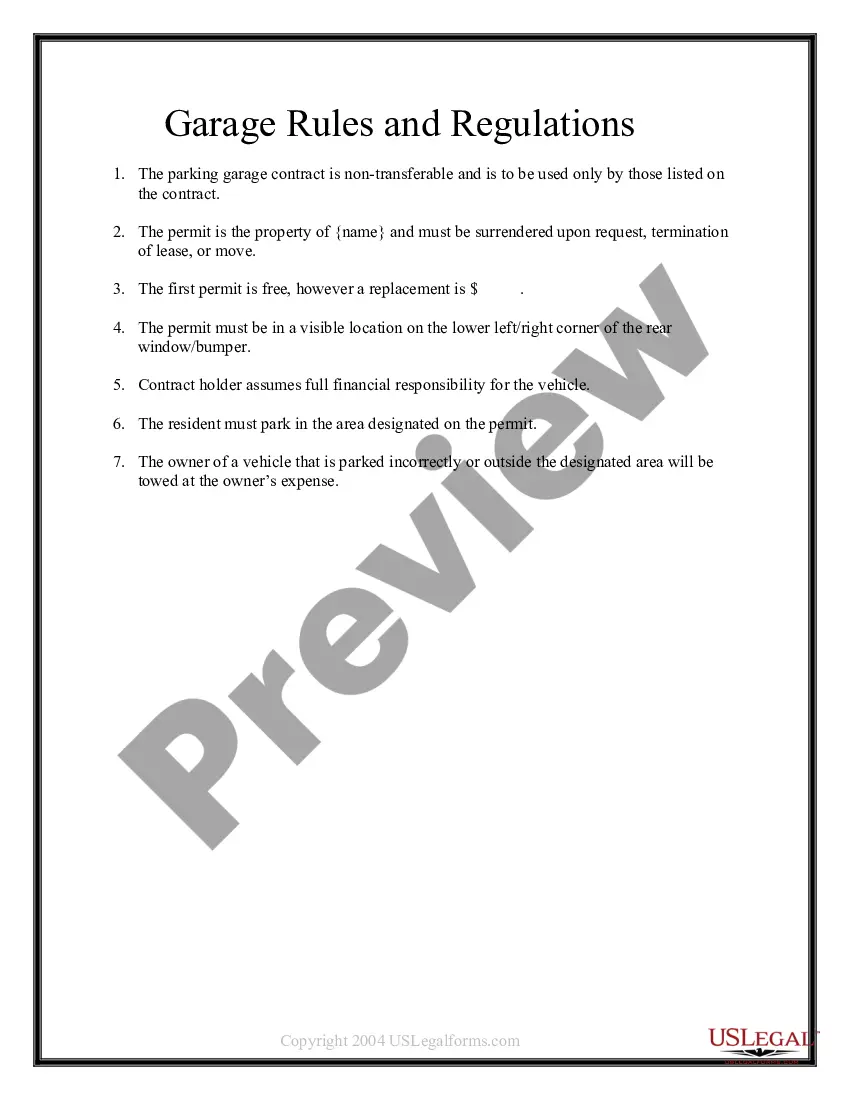
Get your form ready online
Our built-in tools help you complete, sign, share, and store your documents in one place.
Make edits, fill in missing information, and update formatting in US Legal Forms—just like you would in MS Word.
Download a copy, print it, send it by email, or mail it via USPS—whatever works best for your next step.
Sign and collect signatures with our SignNow integration. Send to multiple recipients, set reminders, and more. Go Premium to unlock E-Sign.
If this form requires notarization, complete it online through a secure video call—no need to meet a notary in person or wait for an appointment.
We protect your documents and personal data by following strict security and privacy standards.

Make edits, fill in missing information, and update formatting in US Legal Forms—just like you would in MS Word.

Download a copy, print it, send it by email, or mail it via USPS—whatever works best for your next step.

Sign and collect signatures with our SignNow integration. Send to multiple recipients, set reminders, and more. Go Premium to unlock E-Sign.

If this form requires notarization, complete it online through a secure video call—no need to meet a notary in person or wait for an appointment.

We protect your documents and personal data by following strict security and privacy standards.
Looking for another form?






How to fill out California Apartment Rules And Regulations?
- Log in to your US Legal Forms account if you have used our service before. Verify your subscription is active; renew if necessary.
- If this is your first visit, start by reviewing the Preview mode and description of the apartment policy templates. Select the one that meets your local jurisdiction's needs.
- Search for additional templates if required. If you notice any discrepancies, use the Search tab to locate other relevant documents.
- Purchase the necessary document by clicking the Buy Now button and choosing your preferred subscription plan. Don’t forget to register for an account for full access.
- Complete your purchase by providing your payment information through credit card or PayPal.
- Download the form once purchased. Save it to your device and access it anytime via the My Forms section in your account.
In conclusion, utilizing US Legal Forms can streamline the process of creating an apartment policy with a pool. With an extensive library and expert assistance, you can ensure your documents are accurate and tailored to your needs.
Start crafting your apartment policy today by visiting US Legal Forms and explore our legal document options!
Form popularity
FAQ
Hosting a pool party at an apartment complex usually requires adherence to specific guidelines detailed in your apartment policy with a pool. These policies may include securing prior approval from management, observing noise regulations, and ensuring safety measures for all guests. Being aware of these details can help you enjoy your social gatherings without complications.
To minimize liability related to pool use, ensure clear safety protocols are in place, such as proper signage, fencing, and rules for supervision. Your apartment policy with a pool may also outline specific liability measures that need to be taken. It’s advisable to consult legal resources, such as USLegalForms, to understand your obligations and protect yourself.
Yes, a pool house is indeed considered an outbuilding because it is a secondary structure located on the same property as the primary dwelling. Outbuildings can vary in purpose, and understanding their classification can shed light on your apartment policy with a pool. This knowledge ensures that you comply with local regulations and communities.
A pool house is considered an accessory structure, designed primarily for convenience and enjoyment related to the swimming pool. While it enhances the pool area, it typically does not have the same status as a residence. Clarifying its designation under your apartment policy with a pool can help you understand any associated responsibilities and usage regulations.
Adding a pool to a rental property may not be permitted by your lease agreement or apartment policy with a pool. Before making any decisions, it's vital to consult your landlord or property management to understand their regulations. Open communication can often lead to solutions if you're keen on having a pool.
A dwelling house refers to a building designed for residential living, which includes essential amenities such as cooking and bathing facilities. This definition helps clarify various apartment policies with a pool, as different buildings and structures may have specific regulations. Knowing what constitutes a dwelling can guide your decisions when looking for a place to live.
Generally, a pool house is not classified as a dwelling unless it has facilities for living, such as a kitchen and bathroom. Most apartment policies with a pool treat it as an accessory structure, focusing on its recreational purpose rather than residential status. Understanding these classifications can help you navigate rules and regulations more easily.
A pool house is typically a small structure built near a swimming pool, designed for changing, storing pool equipment, or relaxing. In contrast, an Accessory Dwelling Unit (ADU) serves as a separate living space, often equipped with a kitchen and bathroom. Knowing the difference is crucial for understanding your apartment policy with a pool, especially if you're considering structures in common areas.
Filling an apartment pool can vary based on its size and your water pressure, but on average, it takes several hours to complete. To determine the exact time, check the pool's capacity and the flow rate of your water source. Consider discussing this with your property management if you are unsure of the apartment policy with a pool regarding filling times and any associated costs. Planning ahead makes the process smoother for everyone involved.
Hosting a party at your apartment is possible, but you must consider your apartment policy with a pool or general rules about gatherings. Always inform your neighbors in advance and adhere to any noise restrictions or occupancy limits. Consider planning the event during hours when noise is less likely to disturb others. By being mindful, you can host a great gathering everyone enjoys.