Vehicle Accident
Description

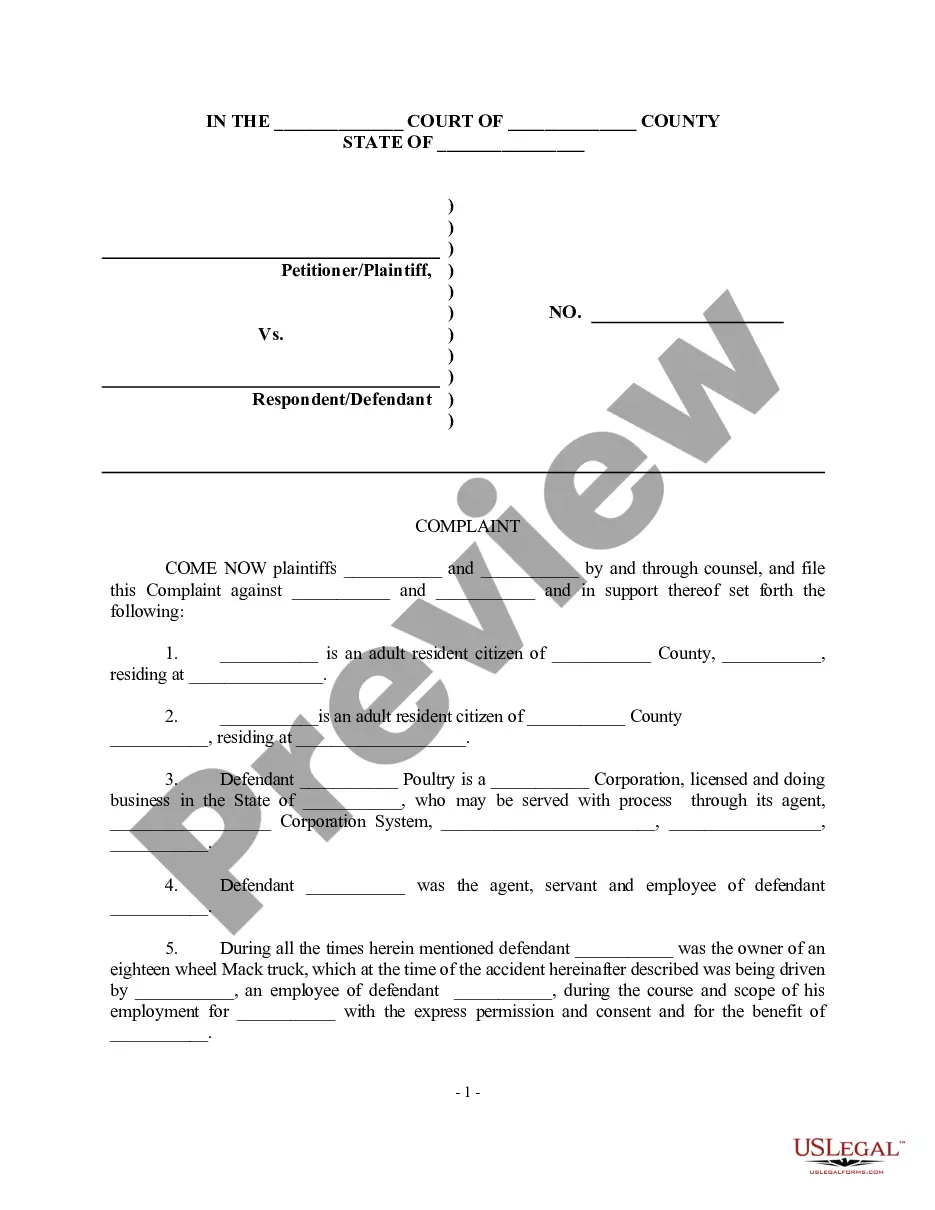
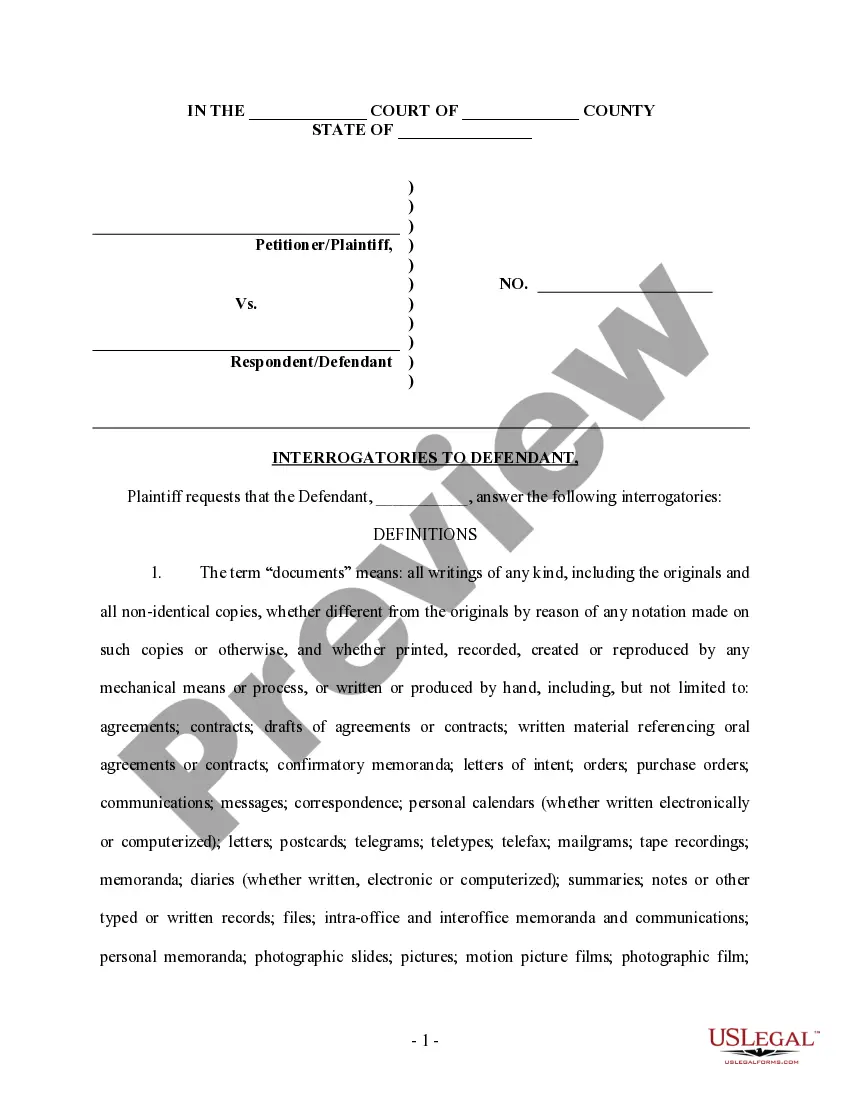
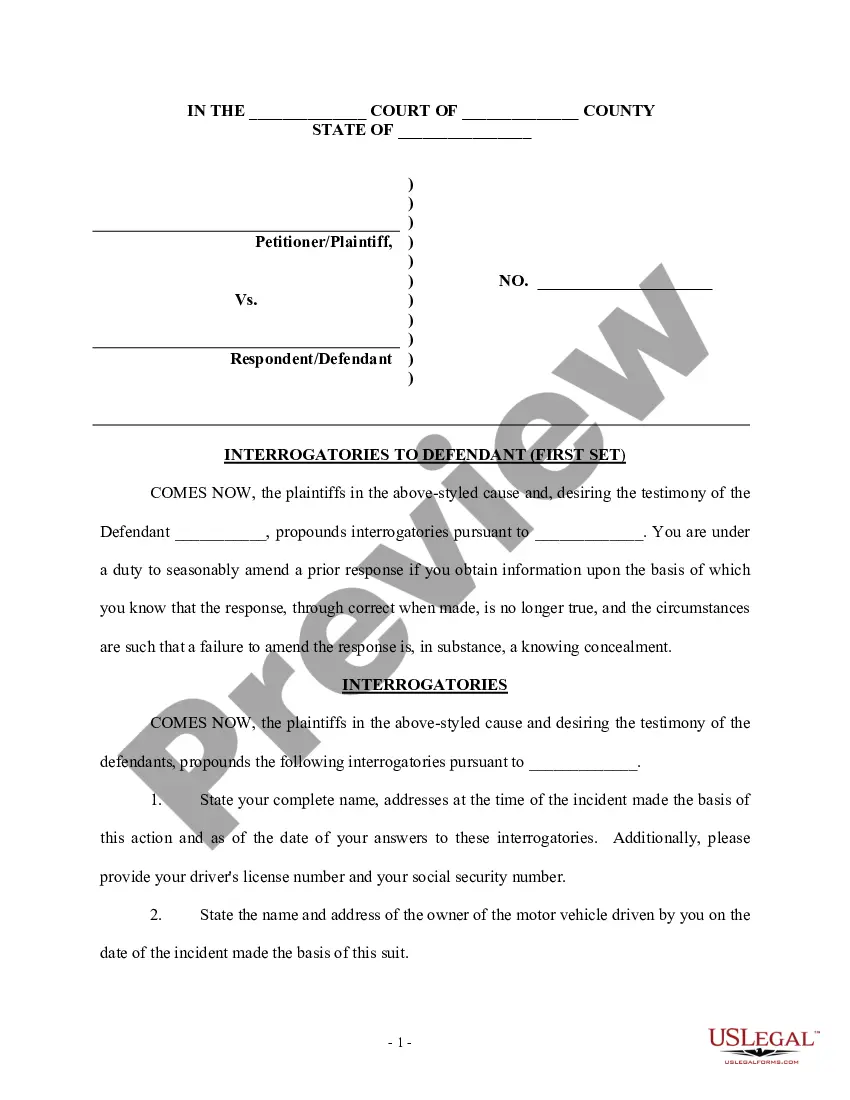
Get your form ready online
Our built-in tools help you complete, sign, share, and store your documents in one place.
Make edits, fill in missing information, and update formatting in US Legal Forms—just like you would in MS Word.
Download a copy, print it, send it by email, or mail it via USPS—whatever works best for your next step.
Sign and collect signatures with our SignNow integration. Send to multiple recipients, set reminders, and more. Go Premium to unlock E-Sign.
If this form requires notarization, complete it online through a secure video call—no need to meet a notary in person or wait for an appointment.
We protect your documents and personal data by following strict security and privacy standards.

Make edits, fill in missing information, and update formatting in US Legal Forms—just like you would in MS Word.

Download a copy, print it, send it by email, or mail it via USPS—whatever works best for your next step.

Sign and collect signatures with our SignNow integration. Send to multiple recipients, set reminders, and more. Go Premium to unlock E-Sign.

If this form requires notarization, complete it online through a secure video call—no need to meet a notary in person or wait for an appointment.

We protect your documents and personal data by following strict security and privacy standards.
Looking for another form?







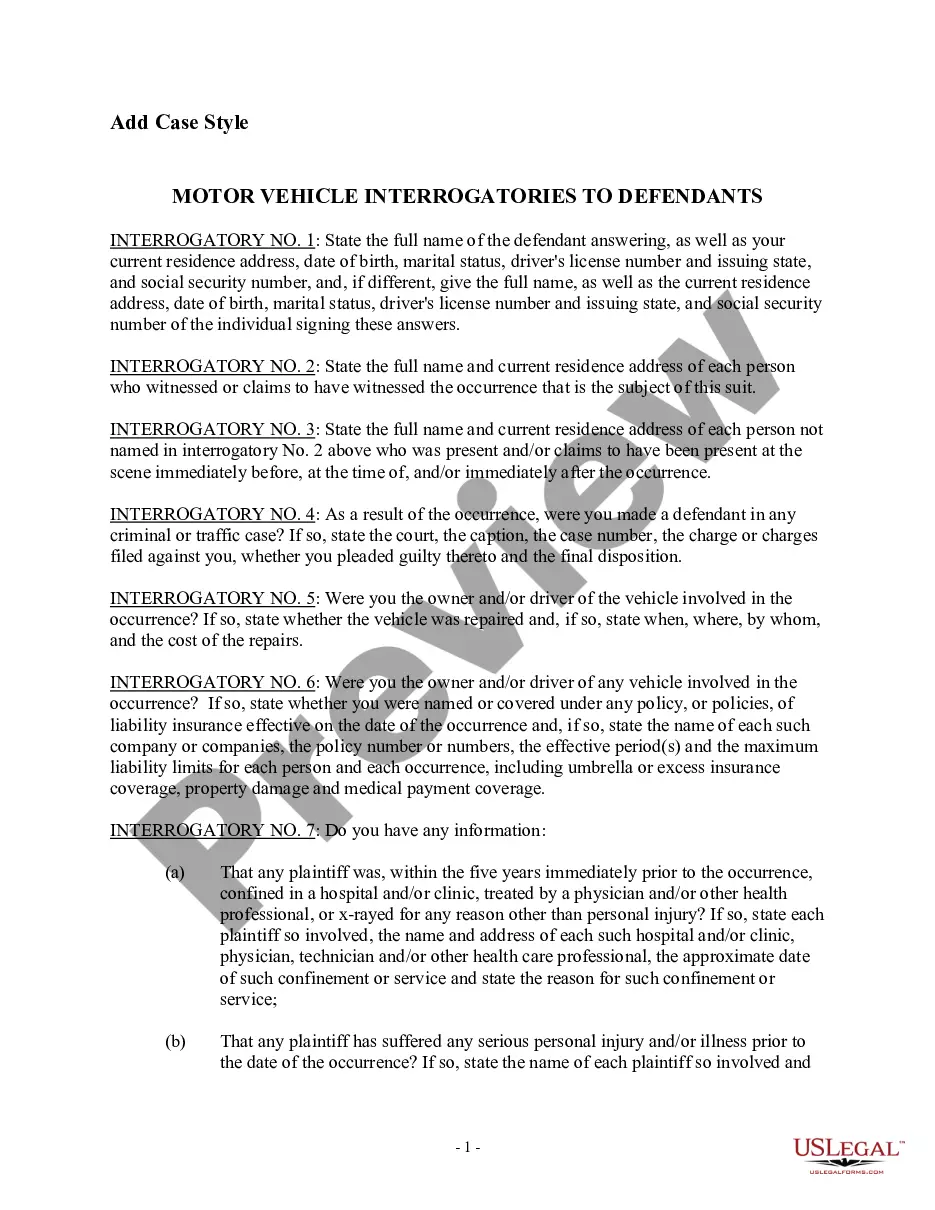
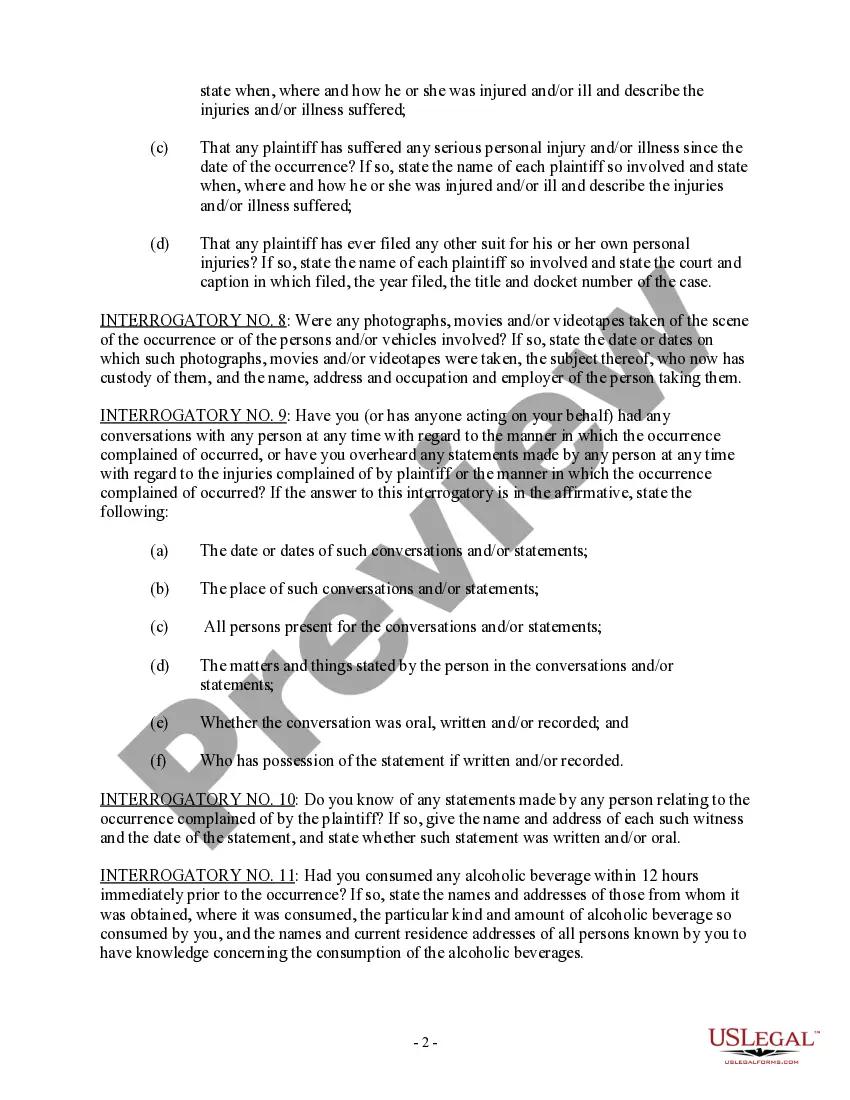
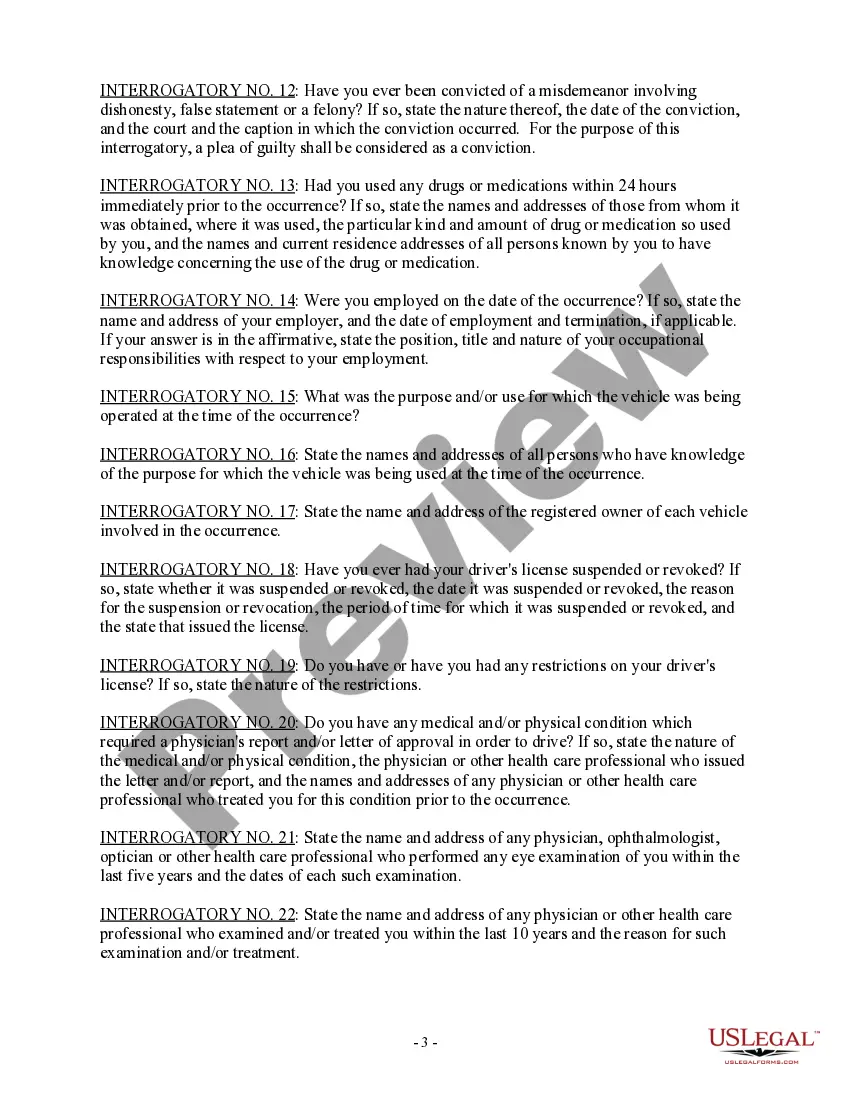
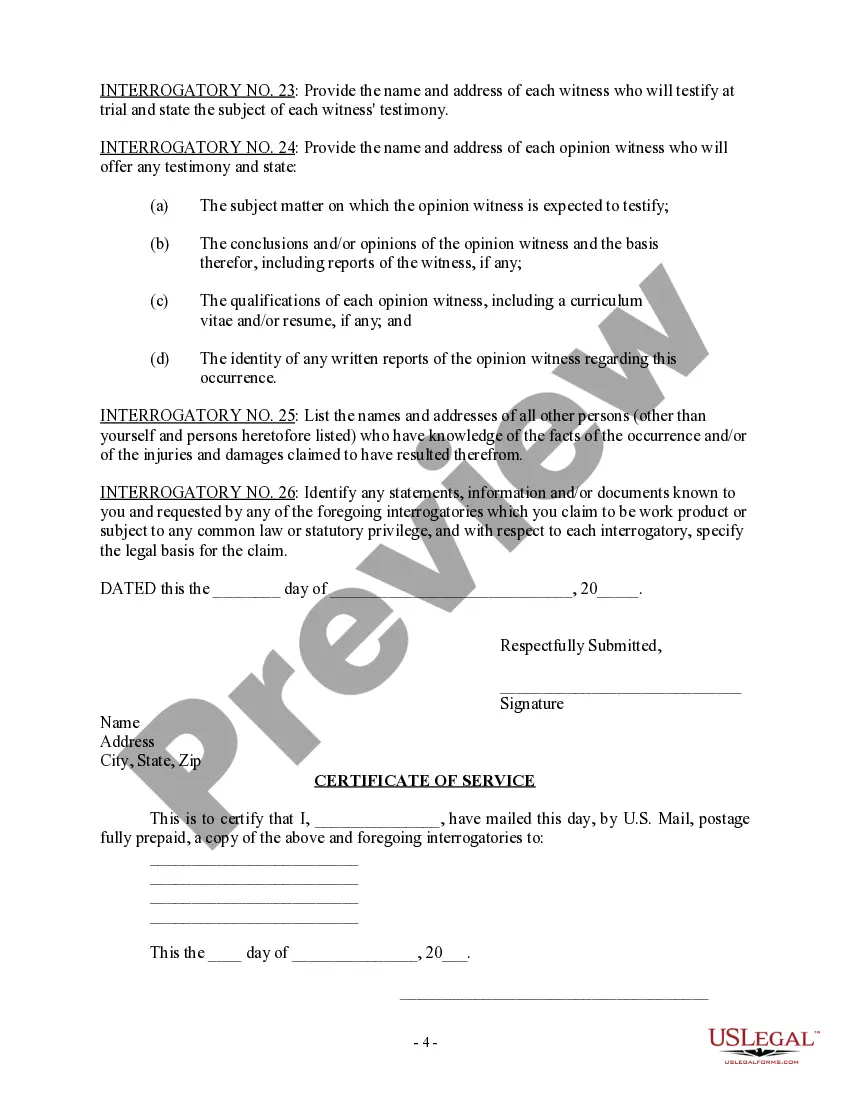
How to fill out California Interrogatories To Defendant For Motor Vehicle Accident?
- If you're a returning user, log into your account and verify your subscription status. Click the Download button to save the required form template.
- For first-time users, start by reviewing the form description and Preview mode to ensure it meets the criteria of your local jurisdiction.
- If you require a different form, utilize the Search feature at the top to find alternatives that correspond with your situation.
- Once you've selected the appropriate form, click on the Buy Now button and pick your preferred subscription plan. You'll need to register an account for full access.
- Proceed to checkout by entering your payment details, either via credit card or PayPal.
- After your purchase, download the form directly to your device. You can also access it in the My Forms section of your profile whenever necessary.
With US Legal Forms, you not only receive a comprehensive array of form options, but you also benefit from expert assistance for completing each document accurately and effectively.
Don’t let the aftermath of a vehicle accident add to your stress. Explore US Legal Forms today and ensure you have the right documents ready to support your case.
Form popularity
FAQ
Writing about a vehicle accident requires a straightforward approach. Start by stating the basic facts such as where and when the accident took place. Include a narrative of the events, describing the actions of all drivers and any contributing factors. This account can serve various purposes, from insurance claims to legal documents. For simplified writing, consider using templates available on the US Legal Forms platform.
To fill out an accident report form effectively, begin with identifying the involved parties and their contact information. You must also document the circumstances of the vehicle accident in detail, including the sequence of events leading up to the collision. Photographs of the scene can supplement the written account, enhancing clarity. If needed, US Legal Forms provides structured forms to help you capture all necessary details accurately.
When reporting a vehicle accident to insurance, clearly explain the details of the incident, including when and where it occurred. Provide information about all parties involved, including names and policy numbers, if available. Always be honest and stick to the facts, as misrepresentation can lead to serious complications. Our platform, US Legal Forms, offers guidance on navigating these conversations confidently.
Filling out an accident report form involves recording essential information about the vehicle accident. Begin with basic details like your name, the date of the accident, and contact information for all parties involved. Then, describe the circumstances of the collision, noting any injuries and damage to vehicles. For your convenience, US Legal Forms provides customizable accident report templates to simplify this task.
To fill out an incident report form for a vehicle accident, start by gathering information about the event, such as the date, time, and location of the accident. Next, document details about all parties involved, including names, addresses, and vehicle information. Be sure to describe the incident clearly and include any witness accounts. If you need assistance, our platform, US Legal Forms, offers templates that guide you through the entire process.
Typically, your insurance rates should not increase after a vehicle accident that is not your fault. However, insurance companies may assess overall risk, taking into account your claims history. It's wise to discuss your situation with your insurer to clarify how your specific accident may affect your premiums.
After a car accident that is not your fault, your immediate focus should be on health and safety. You may need to visit a doctor for any injuries and start the claims process with your insurance company. Additionally, using platforms like US Legal Forms can help you understand the legal aspects and documentation needed to address any follow-up claims or disputes.
After a car accident that wasn't your fault, prioritize safety by moving to a secure location if possible. Collect as much information as you can, including photos of the scene, witness statements, and other driver details. Reporting the vehicle accident to the authorities and your insurance company is crucial for proper documentation and claims processing.
A vehicle accident includes any collision involving one or more vehicles on public or private roads. This definition covers a wide range of incidents, such as rear-end collisions, side impacts, and accidents involving pedestrians. Knowing what constitutes a vehicle accident can help you understand the necessary actions that need to be taken immediately afterward.
Yes, an accident that is not your fault can still impact your insurance. While your rates may not increase directly, your insurance company may consider your overall driving history, which includes any accidents. It's essential to report the vehicle accident to your insurer to ensure your protection and maintain accurate records.