Tenant Ti
Description

Get your form ready online
Our built-in tools help you complete, sign, share, and store your documents in one place.
Make edits, fill in missing information, and update formatting in US Legal Forms—just like you would in MS Word.
Download a copy, print it, send it by email, or mail it via USPS—whatever works best for your next step.
Sign and collect signatures with our SignNow integration. Send to multiple recipients, set reminders, and more. Go Premium to unlock E-Sign.
If this form requires notarization, complete it online through a secure video call—no need to meet a notary in person or wait for an appointment.
We protect your documents and personal data by following strict security and privacy standards.

Make edits, fill in missing information, and update formatting in US Legal Forms—just like you would in MS Word.

Download a copy, print it, send it by email, or mail it via USPS—whatever works best for your next step.

Sign and collect signatures with our SignNow integration. Send to multiple recipients, set reminders, and more. Go Premium to unlock E-Sign.

If this form requires notarization, complete it online through a secure video call—no need to meet a notary in person or wait for an appointment.

We protect your documents and personal data by following strict security and privacy standards.
Looking for another form?








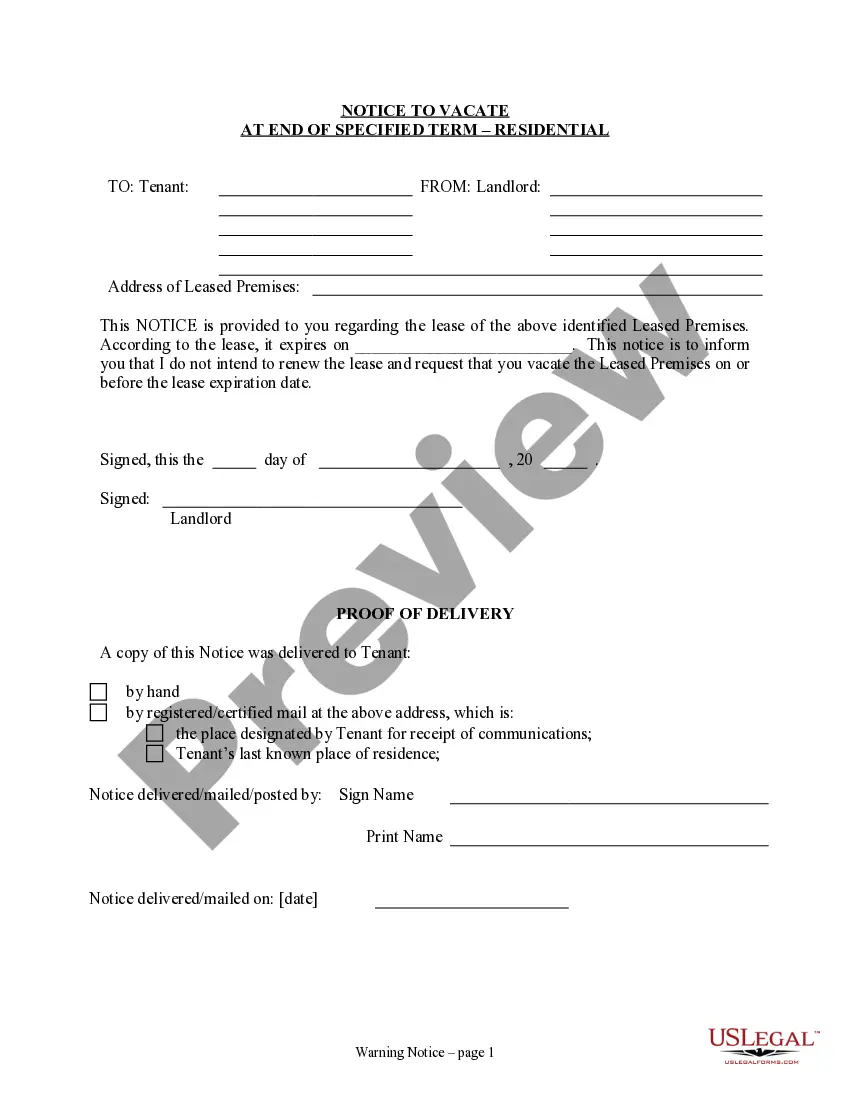
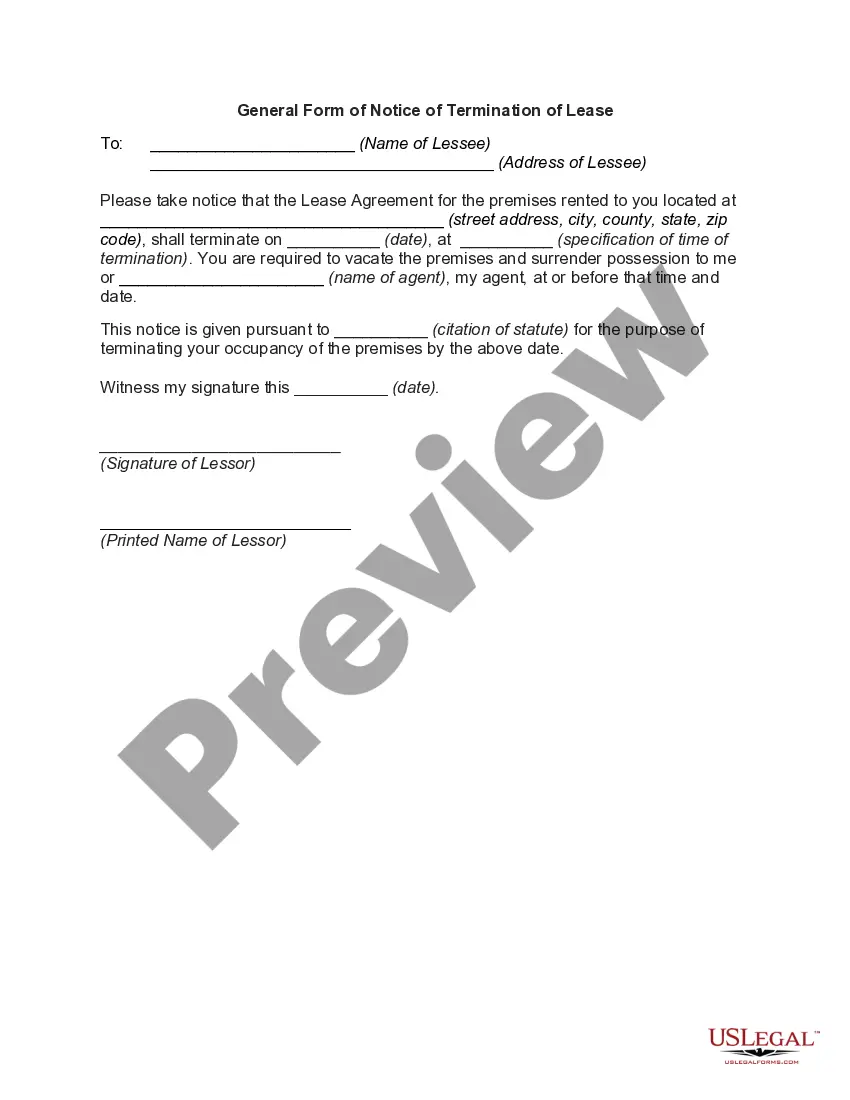
How to fill out California Notice Of Intent Not To Renew At End Of Specified Term From Landlord To Tenant For Residential Property?
- Log in to your US Legal Forms account if you're a returning user. Click the 'Download' button for your desired form. Ensure your subscription is still active and renew if necessary.
- For first-time users, start by checking the form preview and description to ensure it meets your requirements and adheres to local laws.
- If you don’t find the right template, utilize the search feature to locate alternatives that fit your needs better.
- Proceed to buy the desired document by selecting the 'Buy Now' option and choose your subscription plan after creating an account.
- Complete your purchase using a credit card or PayPal for a seamless transaction.
- Once purchased, download the form to your device. You can access it anytime from the 'My Forms' section of your profile.
With US Legal Forms, you’re equipped with an extensive library and expert assistance, ensuring that your legal document needs are swiftly met. By following these steps, you can streamline your process and secure the right tenant ti forms with ease.
Start your legal document journey today by visiting US Legal Forms and experiencing the benefits firsthand!
Form popularity
FAQ
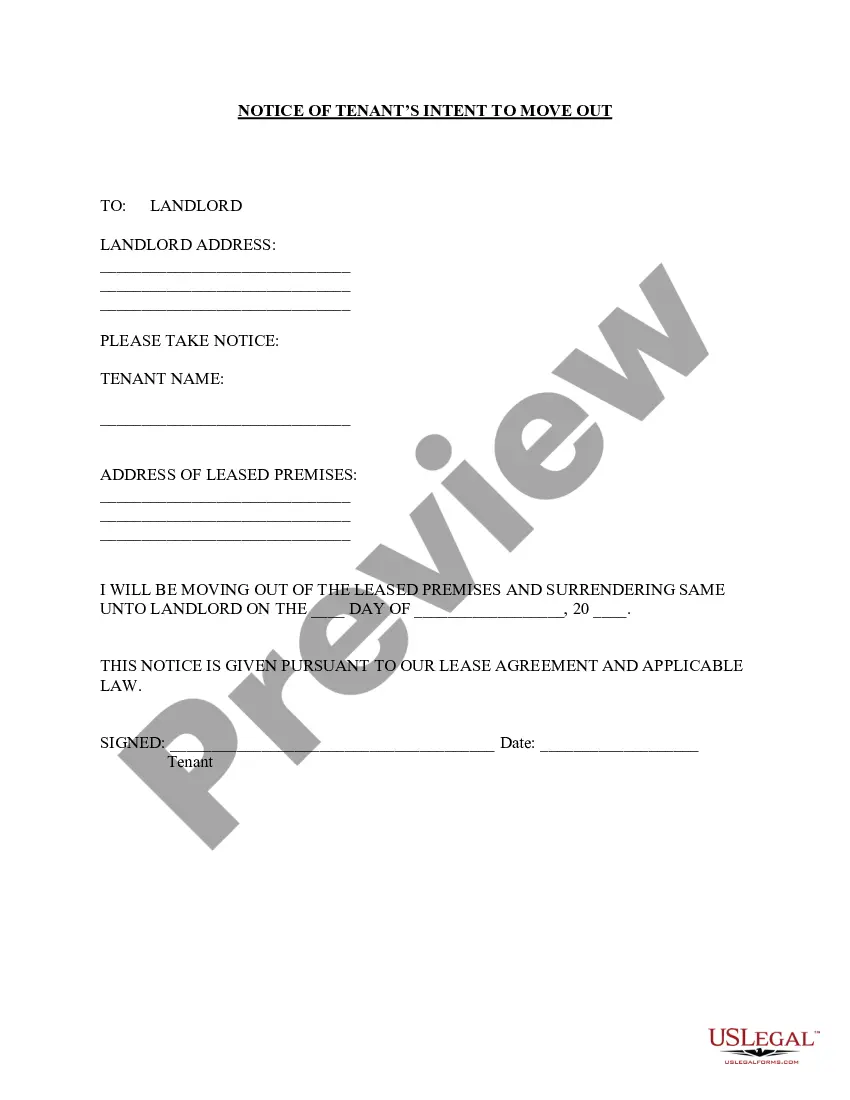
Writing a quit notice for a tenant requires clarity and specificity. Start by stating the date, addressing the tenant directly, and specifying the reason for the notice. Be sure to mention any outstanding obligations, such as fees or repairs, that the tenant must consider before leaving. To ensure you follow legal requirements, explore the resources available on UsLegalForms for templates and expert advice related to tenant TI situations.
Recording a tenant improvement allowance involves documenting any expenses incurred for property enhancements. It's essential to maintain clear records, such as invoices and receipts, to support your claims. You may want to create a dedicated ledger for these entries to simplify the process. For further assistance, UsLegalForms can provide templates and guidance on how to record tenant TI accurately.
To report tenant improvement allowance, begin by reviewing your lease agreement. This document usually outlines how the allowance works and any necessary documentation. You can also consult accounting software or tools to track expenses and report these allowances accurately. If you need help, UsLegalForms offers resources to guide you through the reporting process for tenant TI.
TI in a lease represents the agreed-upon alterations and enhancements landlords will invest in a rented property. Typically, the lease will outline specific terms, such as the allowance amount and what types of improvements are permissible. By understanding how TI works in your lease, you can better negotiate terms that align with your business objectives. Utilizing platforms like US Legal Forms can streamline the process and provide resources to clarify TI agreements.
In real estate, Tenant TI refers to the customization of a space to meet a tenant's operational needs. Landlords negotiate TI packages as part of the leasing process, where they agree to cover certain costs associated with these improvements. This arrangement can be beneficial for both parties, as it allows tenants to create a functional environment while landlords attract quality tenants. By leveraging TI effectively, both sides can create value.
TI, or tenant improvements, in a lease agreement encompass the modifications a landlord agrees to fund within a leased property. These modifications are intended to make the space suitable for the tenant's specific requirements, such as office layout or retail fittings. Including TI clauses in your lease can clarify responsibilities and ensure you get the space you need to succeed in your business. It's wise to discuss these details before finalizing any agreement.
Tenant TI allowances refer to the funds landlords allocate for improving a rental space. Typically, these allowances cover renovations, design changes, or other enhancements that fit the tenant's needs. The landlord may reimburse the tenant up to a specified amount or provide these funds directly to service providers engaged for the work. Understanding how these allowances work can significantly impact your leasing decision.
In a lease context, ti stands for tenant improvements, which are crucial for defining how the space will be customized for the tenant's use. This term is vital during lease negotiations, as both parties can discuss who bears the costs of these improvements. Clarity around tenant ti can lead to a more beneficial arrangement for both landlord and tenant. US Legal Forms can provide necessary documents to support these discussions.
A ti in contracting refers to tenant improvements that occur when a tenant modifies the rented space to fit their business needs. This often involves drawing up contracts that clearly define the scope, costs, and responsibilities of both the landlord and tenant. Understanding tenant ti in contracting helps ensure that both parties are aligned on expectations. Use resources like US Legal Forms to navigate these agreements smoothly.
In a lease, ti denotes tenant improvements aimed at enhancing the leased space for tenant use. Landlords may agree to allow modifications to fulfill the tenant's requirements, thus promoting a functional environment. These enhancements can significantly impact the overall lease value and satisfaction. Always clarify the extent of tenant ti available when considering a lease.