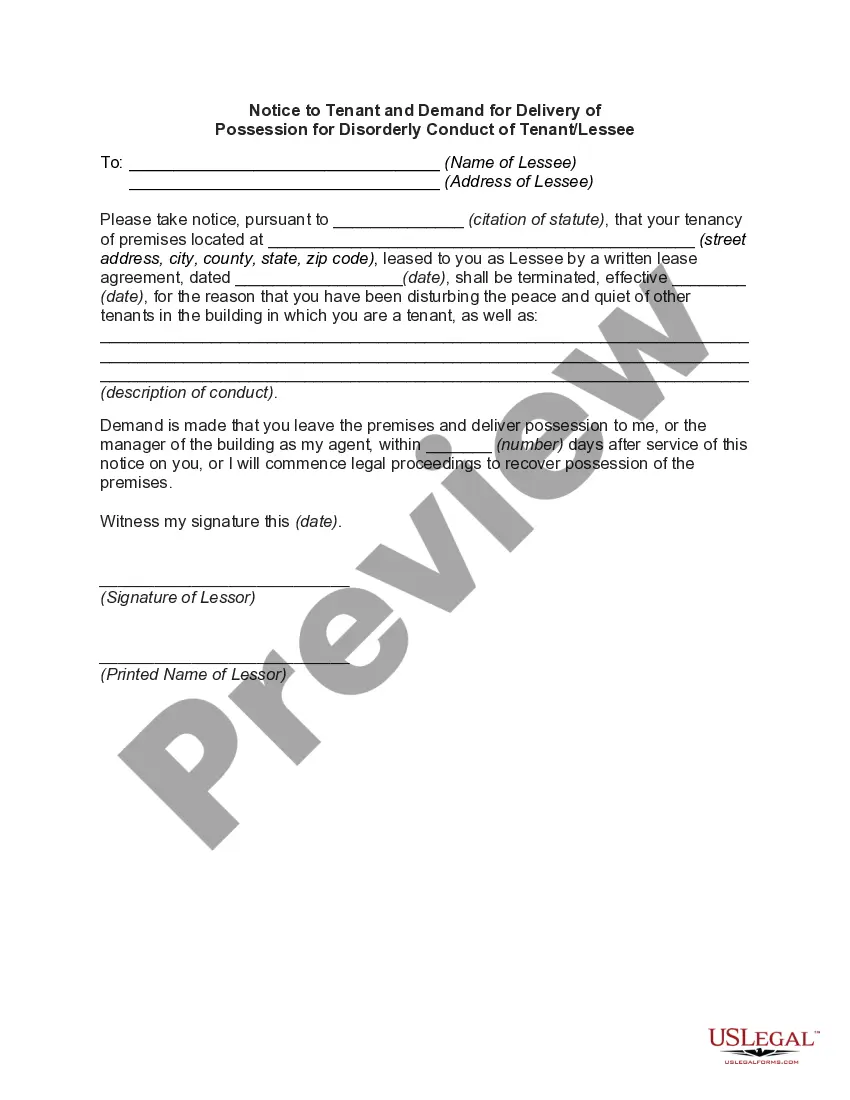
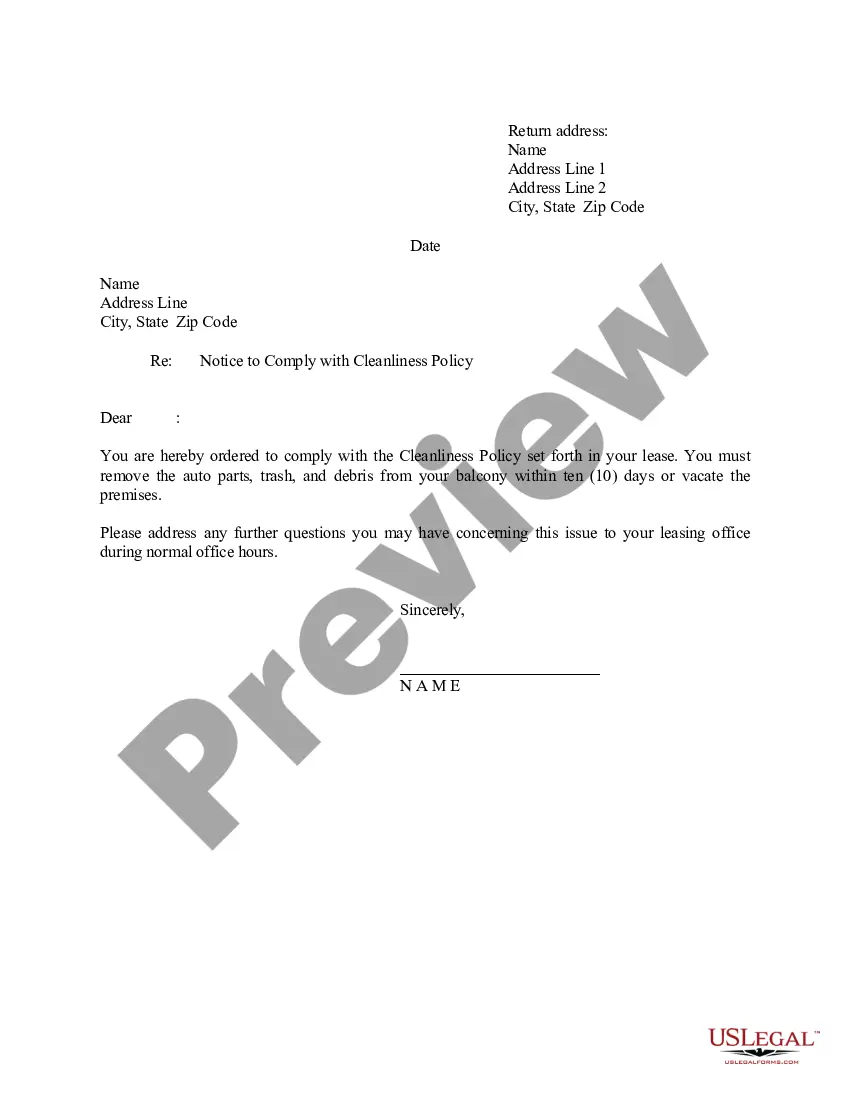
Tenant Landlord Codes For Tenant
Description


Get your form ready online
Our built-in tools help you complete, sign, share, and store your documents in one place.
Make edits, fill in missing information, and update formatting in US Legal Forms—just like you would in MS Word.
Download a copy, print it, send it by email, or mail it via USPS—whatever works best for your next step.
Sign and collect signatures with our SignNow integration. Send to multiple recipients, set reminders, and more. Go Premium to unlock E-Sign.
If this form requires notarization, complete it online through a secure video call—no need to meet a notary in person or wait for an appointment.
We protect your documents and personal data by following strict security and privacy standards.

Make edits, fill in missing information, and update formatting in US Legal Forms—just like you would in MS Word.

Download a copy, print it, send it by email, or mail it via USPS—whatever works best for your next step.

Sign and collect signatures with our SignNow integration. Send to multiple recipients, set reminders, and more. Go Premium to unlock E-Sign.

If this form requires notarization, complete it online through a secure video call—no need to meet a notary in person or wait for an appointment.

We protect your documents and personal data by following strict security and privacy standards.
Looking for another form?


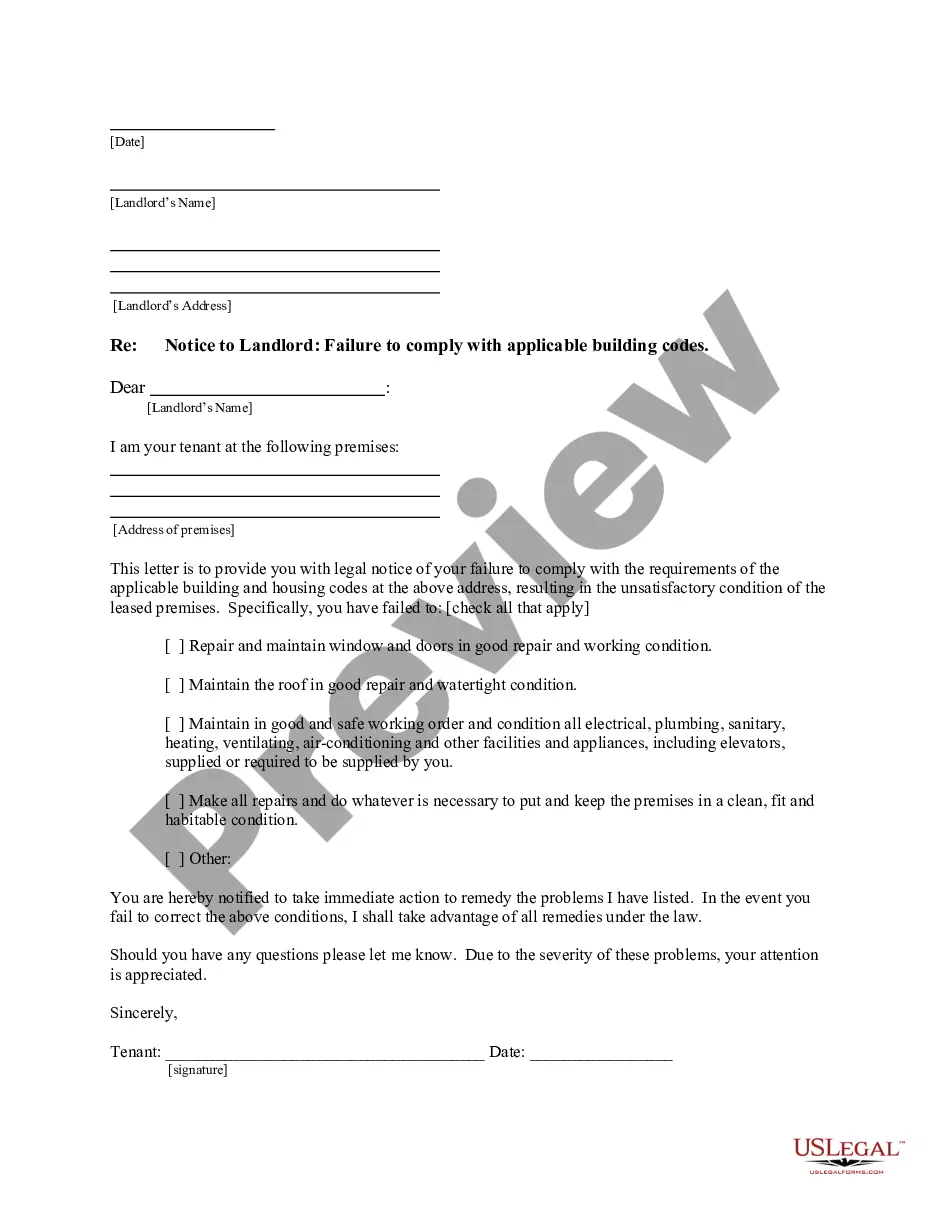
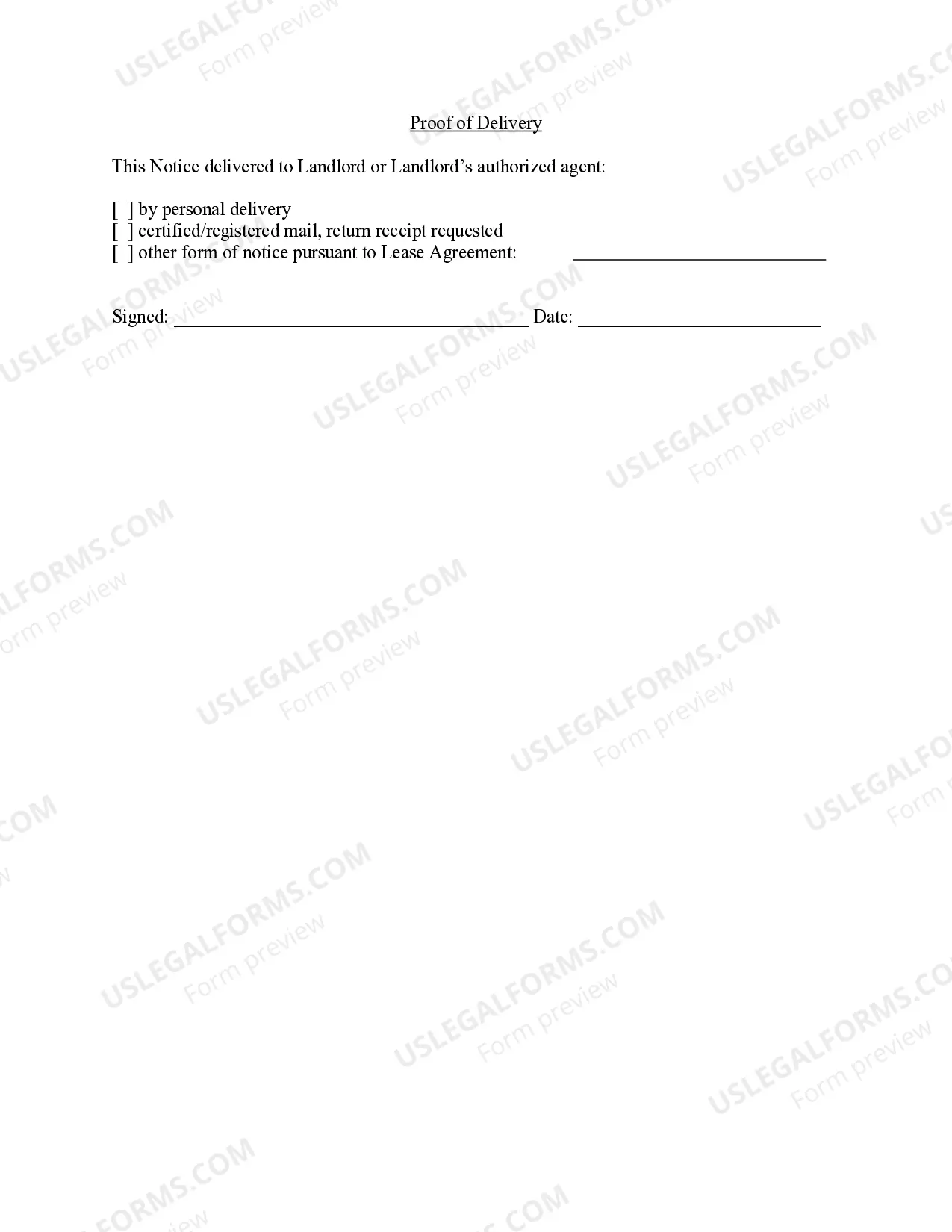
How to fill out California Letter From Tenant To Landlord For Failure Of Landlord To Comply With Building Codes Affecting Health And Safety Or Resulting In Untenantable Condition - Demand For Remedy?
- Log in to your US Legal Forms account if you are a returning user. Ensure that your subscription is active. If not, renew it based on your chosen payment plan.
- For new users, start by browsing the extensive online library. Use the Preview mode and check the description of the forms to confirm you’re selecting the right template.
- If you don’t find the right template, utilize the Search function at the top to locate additional options that meet your jurisdiction requirements.
- Once you find a suitable document, click the ‘Buy Now’ button and select your preferred subscription plan. You will need to create an account to access the full library.
- Complete your purchase by entering your payment details. You can use a credit card or PayPal for convenience.
- After payment confirmation, download your chosen form. You can access it anytime later from the ‘My Forms’ section of your account.
By following these steps, you can effortlessly access the legal documents you need, ensuring they are complete and compliant.
Unlock the power of US Legal Forms today and simplify your legal needs. Don't hesitate to start your subscription now!
Form popularity
FAQ
In the context of APIs, a tenant refers to an isolated instance that provides users access to defined resources and services. Each tenant can tailor its settings, similar to a rental agreement for software usage. Understanding tenant landlord codes for tenant can help clarify how each user's experience may differ within the same API environment.
In legal terms, a tenant is an individual or entity that has rights to use and occupy property under a rental agreement. The specific terms of occupancy and rights are typically defined within the lease contract. Knowing tenant landlord codes for tenant can provide further insights into your rights and responsibilities as a tenant.
Between tenants, landlords are generally required to perform necessary maintenance, repairs, and cleaning to ensure the property is habitable. They must also comply with tenant landlord codes for tenant, which often include regulations for security deposits and lease renewals. Familiarizing yourself with these requirements can enhance your renting experience.
In Missouri, the number of people allowed to live in a 2-bedroom apartment is typically determined by local occupancy codes. As a general rule, the state often follows the guideline of two individuals per bedroom, plus one additional occupant. Understanding tenant landlord codes for tenant will provide clarity on this matter, ensuring compliance with local regulations.
In Kansas, tenants can report landlords to the Kansas Department of Health and Environment or the local housing authority if there are violations of housing codes. These agencies can assist in addressing issues related to tenant landlord codes for tenant. Knowing who to report to can empower you to seek justice effectively.
To find your tenant code, you can typically check your account settings within the application or cloud service you are using. Look for sections labeled 'Account Information' or 'Tenant Settings.' Utilizing proper tenant landlord codes for tenant can streamline this process and ensure you have the correct information.
A tenant is an entity within a system that can contain multiple users, often representing an organization or group. Users are the individuals who log into that tenant to access its resources and functionalities. When examining tenant landlord codes for tenant, recognizing the roles of tenants and users helps in understanding permissions and access levels.
In cybersecurity, a tenant refers to a single instance of a cloud environment that is isolated from others. This means that each tenant has its own data, configurations, and users, ensuring privacy and security. Understanding tenant landlord codes for tenant is crucial to navigating these environments, especially in multi-tenant services.
To fill out a condition of rental property checklist, start with a thorough walk-through of the property. Check each room for cleanliness, functionality, and potential issues. Having a grasp of tenant landlord codes for tenant can guide you in noting any discrepancies, ensuring you document everything properly for your own protection.
An apartment condition statement serves as a record of the state of a rental unit before you move in. It documents any existing damages and outlines responsibilities for repairs. Being aware of tenant landlord codes for tenant can help you make sure this statement fully protects your interests and emphasizes the importance of transparent communication with your landlord.