Tenant Landlord Building For Rent
Description


Get your form ready online
Our built-in tools help you complete, sign, share, and store your documents in one place.
Make edits, fill in missing information, and update formatting in US Legal Forms—just like you would in MS Word.
Download a copy, print it, send it by email, or mail it via USPS—whatever works best for your next step.
Sign and collect signatures with our SignNow integration. Send to multiple recipients, set reminders, and more. Go Premium to unlock E-Sign.
If this form requires notarization, complete it online through a secure video call—no need to meet a notary in person or wait for an appointment.
We protect your documents and personal data by following strict security and privacy standards.

Make edits, fill in missing information, and update formatting in US Legal Forms—just like you would in MS Word.

Download a copy, print it, send it by email, or mail it via USPS—whatever works best for your next step.

Sign and collect signatures with our SignNow integration. Send to multiple recipients, set reminders, and more. Go Premium to unlock E-Sign.

If this form requires notarization, complete it online through a secure video call—no need to meet a notary in person or wait for an appointment.

We protect your documents and personal data by following strict security and privacy standards.
Looking for another form?



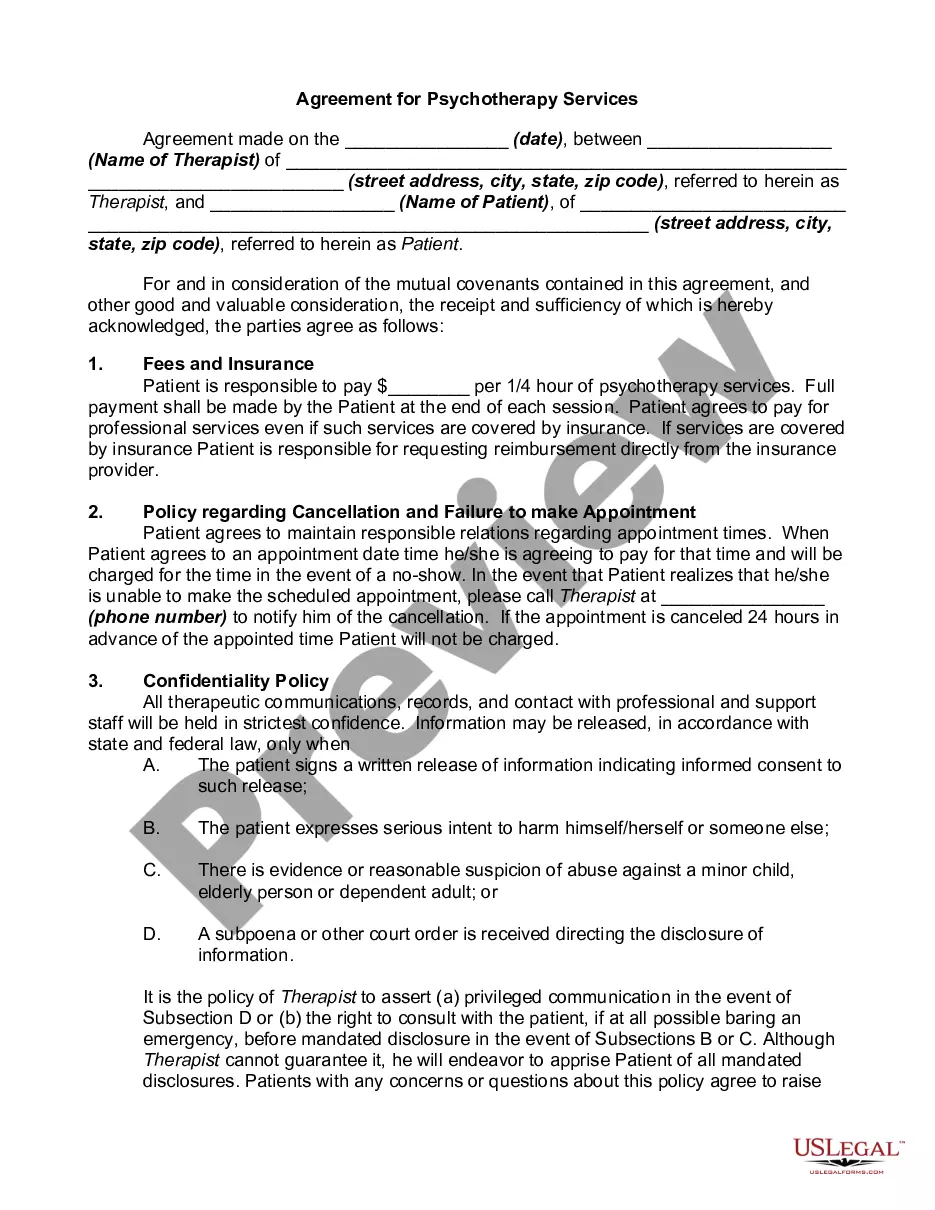






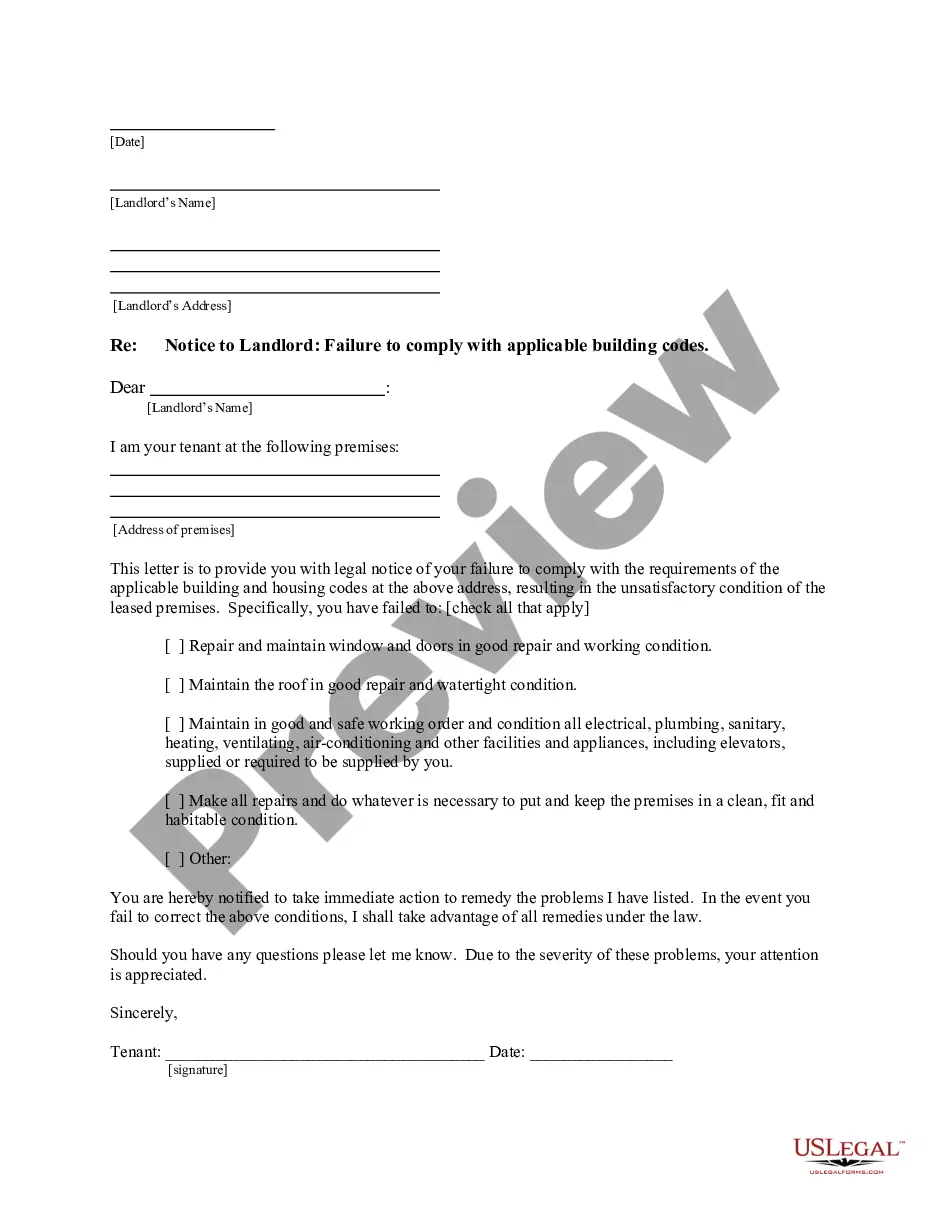
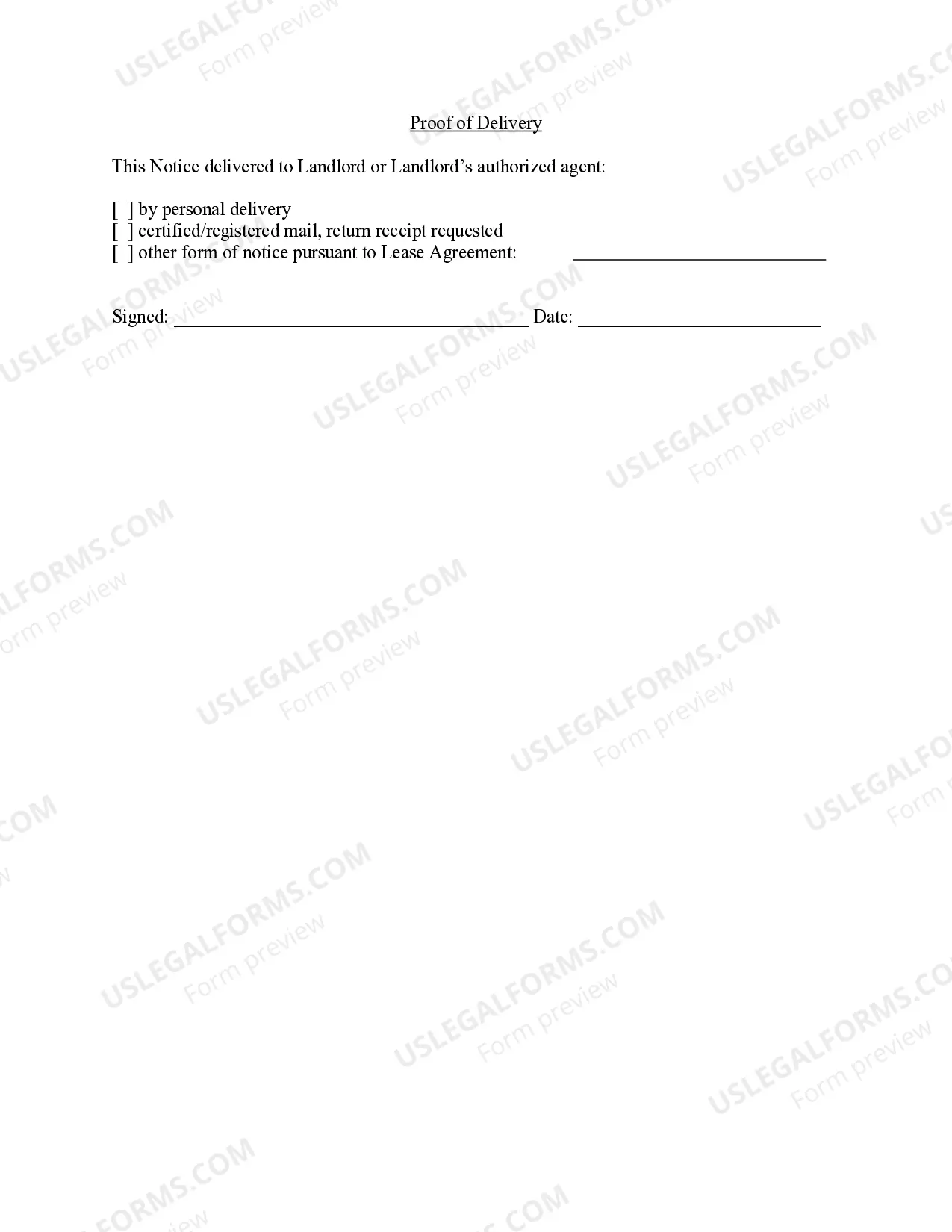
How to fill out California Letter From Tenant To Landlord For Failure Of Landlord To Comply With Building Codes Affecting Health And Safety Or Resulting In Untenantable Condition - Demand For Remedy?
- Log in to your US Legal Forms account if you are a returning user and download your required form template by clicking the Download button.
- If this is your first time, start by checking the Preview mode to understand the form's purpose and confirm it meets local jurisdiction requirements.
- Utilize the Search tab to find alternative templates if your initial choice doesn’t fit your needs.
- Once you’ve found the appropriate document, click the Buy Now button and select your preferred subscription plan.
- Complete your purchase by entering your payment details using your credit card or PayPal account.
- Finally, download your form and save it to your device for easy access and completion.
US Legal Forms stands out with a collection that rivals competitors, offering more forms for a comparable cost. With over 85,000 legal forms available, users can easily fill out and customize documents.
For extra assurance, you can access premium experts to assist with your form completion, ensuring your documents are accurate and legally sound. Start your hassle-free journey today!
Form popularity
FAQ
Filling out a landlord application requires you to provide your personal details, rental history, and financial information accurately. Focus on presenting yourself as a responsible tenant by including any positive rental experiences. Using platforms like uslegalforms can simplify this process and ensure you meet all necessary requirements.
Red flags on a rental application often include inconsistent employment history, insufficient income relative to rent, or previous evictions. Additionally, a lack of references or negative feedback from past landlords can raise concerns. Identifying these issues can help both tenants and landlords maintain a healthy rental relationship.
To rent out a property, start by preparing it for potential tenants, ensuring repairs and cleaning tasks are completed. Next, create a rental listing highlighting the building's features and specifications. Utilize online platforms or services like uslegalforms to streamline the application process and effectively market your rental.
The tenant of a building is an individual or entity that rents and occupies a property owned by a landlord. Tenants have specific rights and responsibilities under lease agreements. Knowing these details allows tenants to feel more empowered and informed about their living situations.
In South Carolina, landlords cannot discriminate against tenants based on race, gender, religion, disability, or family status. They also cannot enter a tenant's rented space without proper notice or fail to maintain safe living conditions. Understanding these limitations can help tenants feel secure in their landlord-tenant relationship.
To fill out a landlord application, gather your personal information, including your rental history, employment details, and financial statements. Make sure to provide valid references who can vouch for your reliability as a tenant. Be thorough and honest, as landlords often use this information to evaluate applicants for their rental buildings.
To find someone to rent your property, start by creating an attractive listing that highlights its amenities and location. Utilize social media, rental websites, and local community boards to maximize exposure. Additionally, consider using platforms like UsLegalForms for guidance on creating effective rental agreements and screening tenants. This resource can simplify the tenant landlord building for rent process.
Yes, the government does rent buildings, primarily for housing assistance programs and public projects. These rentals often cater to low-income families and individuals, providing essential support in securing a stable living situation. If you are considering utilizing a government program for a tenant landlord building for rent, be sure to review your eligibility and the documentation required.
The new tenant law in Georgia introduces changes that enhance tenant rights regarding housing conditions and eviction processes. Landlords must maintain rental properties to meet basic health and safety standards, ensuring that tenants live in a secure environment. This improvement contributes to a better relationship between landlords and tenants in the context of a tenant landlord building for rent.
Recent legislative changes in Georgia affect how landlords conduct evictions and manage tenant relations. The law aims to provide additional protections for renters, particularly during economic challenges. Tenants should stay informed about any new provisions that may affect their rights in rental situations, making the process of securing a tenant landlord building for rent clearer and more equitable.