What Rights Do Tenants Have When Renting
Description



Get your form ready online
Our built-in tools help you complete, sign, share, and store your documents in one place.
Make edits, fill in missing information, and update formatting in US Legal Forms—just like you would in MS Word.
Download a copy, print it, send it by email, or mail it via USPS—whatever works best for your next step.
Sign and collect signatures with our SignNow integration. Send to multiple recipients, set reminders, and more. Go Premium to unlock E-Sign.
If this form requires notarization, complete it online through a secure video call—no need to meet a notary in person or wait for an appointment.
We protect your documents and personal data by following strict security and privacy standards.

Make edits, fill in missing information, and update formatting in US Legal Forms—just like you would in MS Word.

Download a copy, print it, send it by email, or mail it via USPS—whatever works best for your next step.

Sign and collect signatures with our SignNow integration. Send to multiple recipients, set reminders, and more. Go Premium to unlock E-Sign.

If this form requires notarization, complete it online through a secure video call—no need to meet a notary in person or wait for an appointment.

We protect your documents and personal data by following strict security and privacy standards.
Looking for another form?





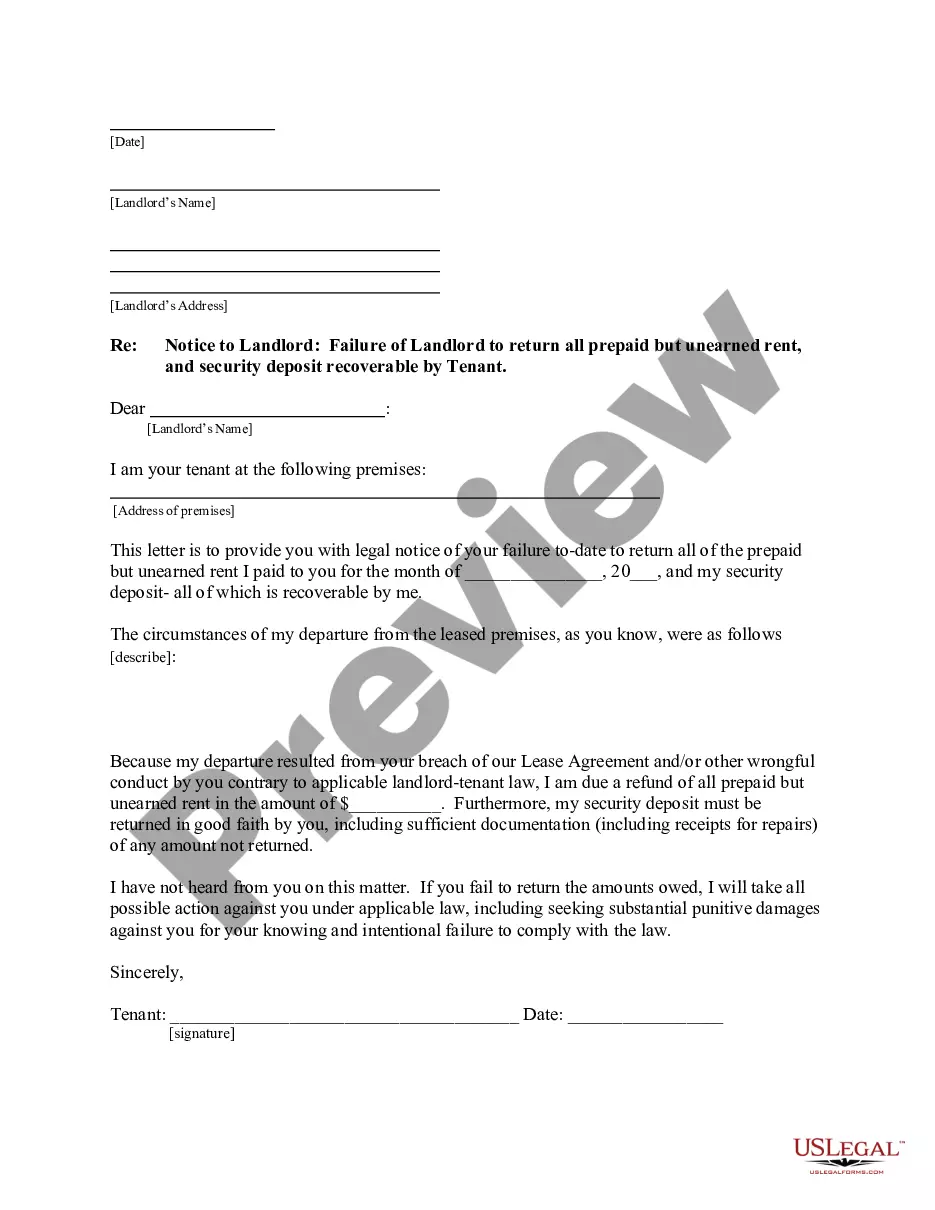
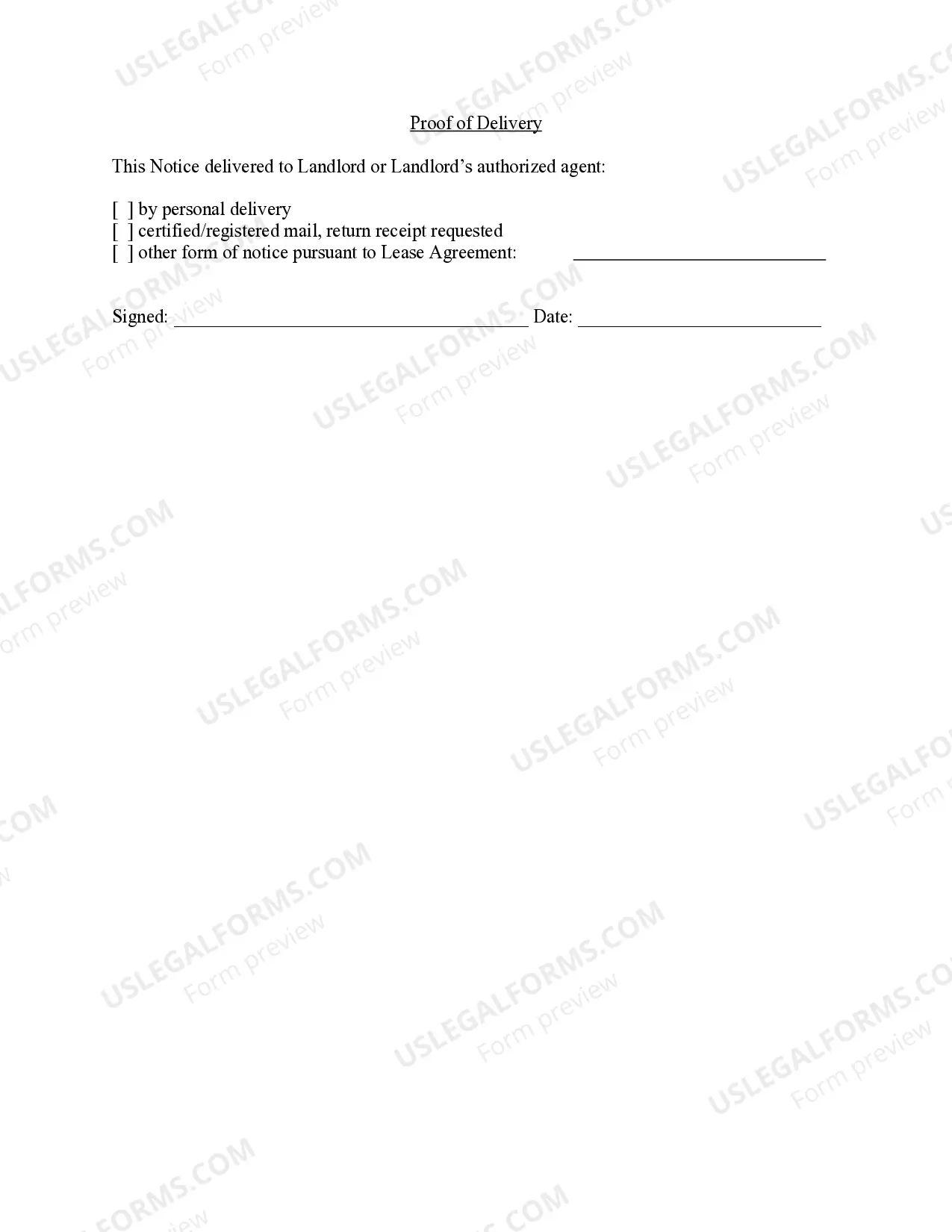
How to fill out California Letter From Tenant To Landlord For Failure Of Landlord To Return All Prepaid And Unearned Rent And Security Recoverable By Tenant?
- Log into your US Legal Forms account to access form templates. Ensure your subscription is active; renew if necessary.
- Review the forms available in Preview mode to confirm you've selected the correct document that meets your local legal requirements.
- Use the Search bar to locate alternate templates if your first choice doesn’t meet your needs.
- Click 'Buy Now' for the document you need and select your preferred subscription plan.
- Complete your payment through credit card or PayPal to purchase access to the form.
- Download the template directly to your device. You can re-access it anytime through the 'My Forms' section in your profile.
When you follow these steps, you ensure that the documents you use are accurate and aligned with your legal rights as a tenant. Knowing your entitlements is key to protecting yourself in any rental situation.
Start utilizing US Legal Forms today to safeguard your tenant rights with the right legal documents. Access our extensive library and get started now!
Form popularity
FAQ
Landlords can refuse tenants based on criteria such as low credit scores, insufficient income, or a poor rental history. However, it is vital that these reasons comply with fair housing laws to avoid discrimination claims. Understanding your rights can help you to advocate for yourself if you believe a refusal was unjust.
In Georgia, a landlord cannot discriminate against tenants based on protected characteristics under federal and state laws, such as race, gender, or disability. Moreover, they cannot retaliate against tenants for exercising their legal rights, such as reporting unsafe living conditions. Knowing what rights tenants have when renting is crucial to holding landlords accountable.
Not allowing a tenant based on their race, gender, or family status is not a legitimate reason for rejection under fair housing laws. Landlords must ensure their decisions align with legal standards, focusing instead on financial and rental history. Understanding your rights can empower you to challenge discriminatory practices in the rental market.
Rental applications may be denied for several reasons, including insufficient income, negative credit reports, or prior rental issues. Landlords look for security in their tenants, and any history that raises a red flag can lead to denial. As a tenant, knowing what rights you have when renting includes understanding the application process and reasons for potential denial.
A landlord can refuse a tenant based on various grounds, including poor credit history, previous evictions, or failure to provide complete information during the application process. It's important to recognize that while landlords possess the right to select tenants, they must also adhere to fair housing laws. Knowing your rights as a tenant can help you understand if a refusal is justified or discriminatory.
The 3x rent law in Georgia refers to the guideline that a landlord can consider a tenant's income when approving a rental application. A common standard is that a tenant’s income should be at least three times the monthly rent. Understanding this law is essential as it highlights what rights tenants have when renting, ensuring that rental decisions are fair and financially sound.
Recently, Minnesota passed a new renters law aimed at protecting tenants from unjust evictions and increasing housing stability. This law includes measures that require landlords to give tenants more notice before eviction proceedings and also enhance tenant protections against discrimination. Staying informed about these changes is essential for understanding what rights tenants have when renting.
The Minnesota Renters Hotline, also known as the Renters Rights Hotline, provides crucial support for tenants throughout the state. The hotline can help renters learn about their rights, including protections against unlawful evictions. Accessing this resource empowers tenants with knowledge about what rights they have when renting.
In Minnesota, tenants can reach out to the Renters Rights Hotline at 1-866-866-3546. This hotline offers valuable information on what rights tenants have when renting, including legal advice and resources for resolving disputes. It is a great tool for renters seeking assistance and guidance in their rental situations.
Renters in Texas have several important rights when renting a property. For instance, landlords must provide a safe and habitable living environment. This includes maintaining essential services like heat and water. Understanding your rights helps you make informed decisions and ensures you know what rights tenants have when renting.