Grant Deed For House
Description
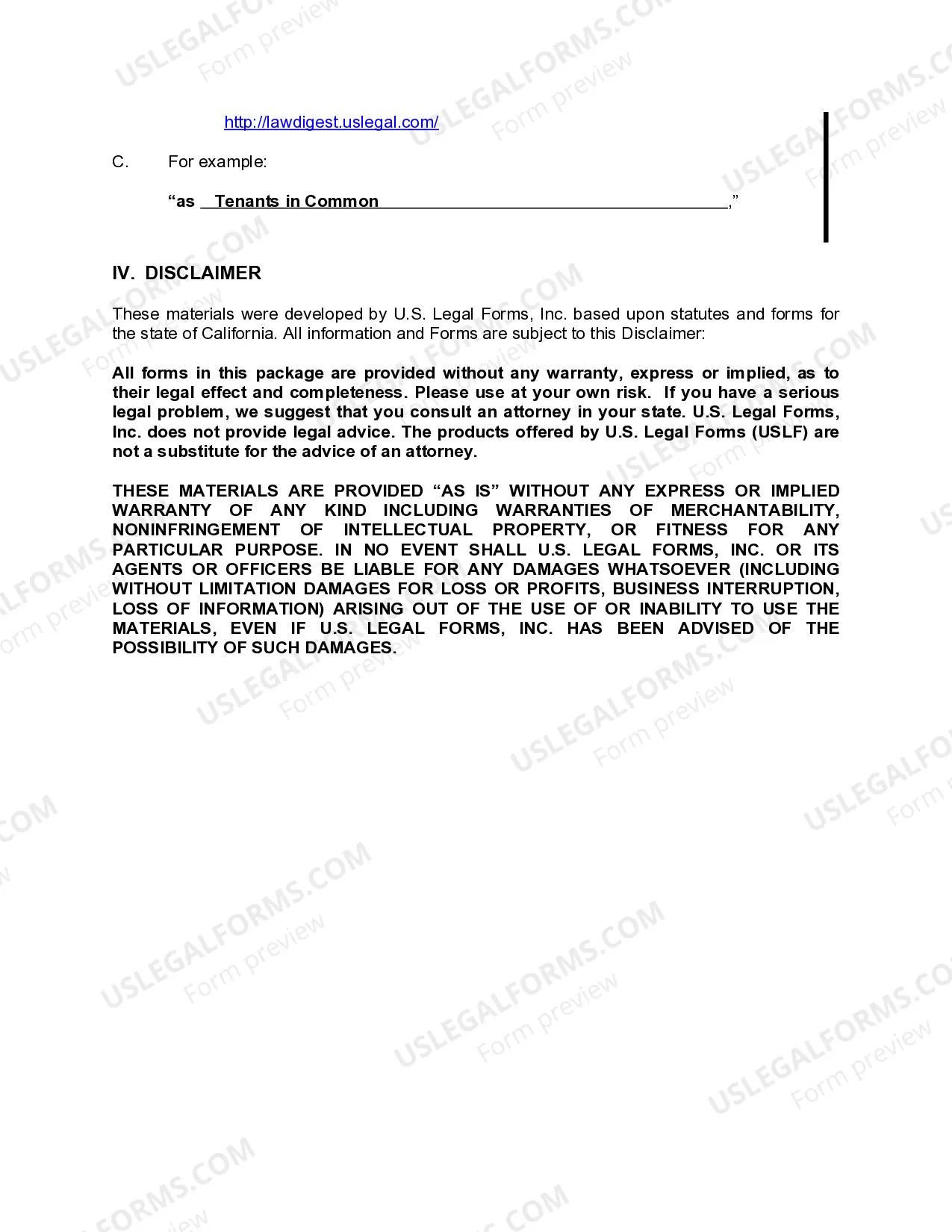
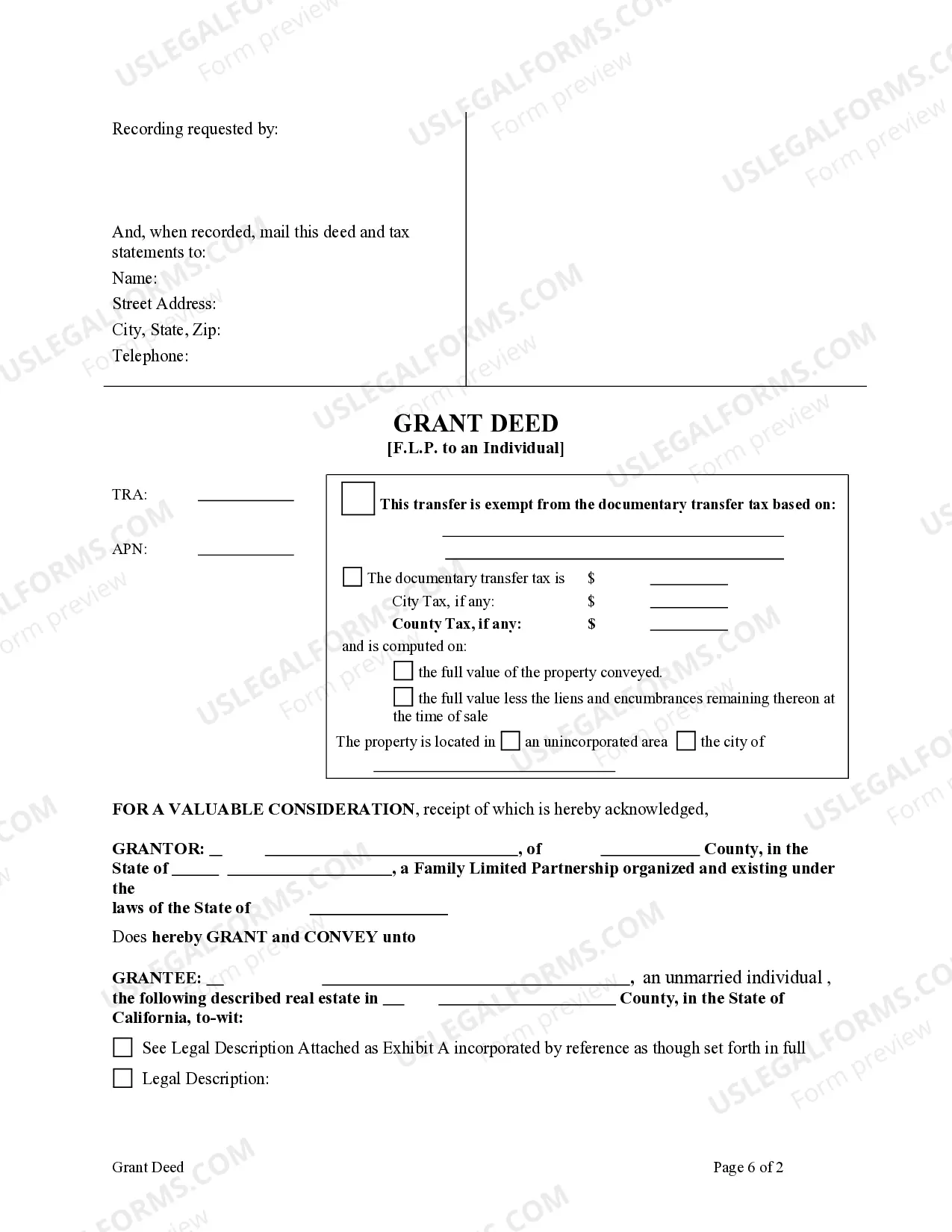
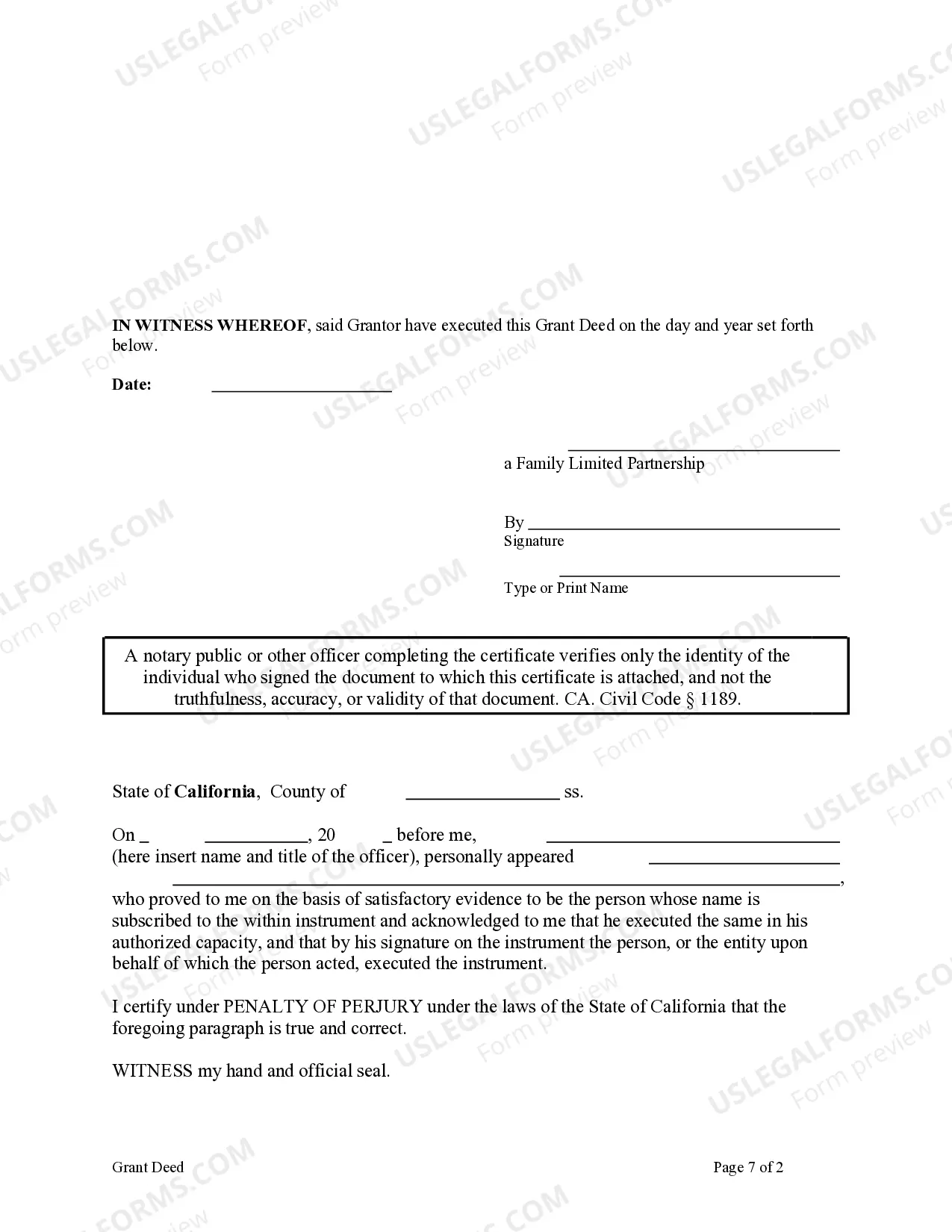


Get your form ready online
Our built-in tools help you complete, sign, share, and store your documents in one place.
Make edits, fill in missing information, and update formatting in US Legal Forms—just like you would in MS Word.
Download a copy, print it, send it by email, or mail it via USPS—whatever works best for your next step.
Sign and collect signatures with our SignNow integration. Send to multiple recipients, set reminders, and more. Go Premium to unlock E-Sign.
If this form requires notarization, complete it online through a secure video call—no need to meet a notary in person or wait for an appointment.
We protect your documents and personal data by following strict security and privacy standards.

Make edits, fill in missing information, and update formatting in US Legal Forms—just like you would in MS Word.

Download a copy, print it, send it by email, or mail it via USPS—whatever works best for your next step.

Sign and collect signatures with our SignNow integration. Send to multiple recipients, set reminders, and more. Go Premium to unlock E-Sign.

If this form requires notarization, complete it online through a secure video call—no need to meet a notary in person or wait for an appointment.

We protect your documents and personal data by following strict security and privacy standards.
Looking for another form?
How to fill out California Grant Deed From Family Limited Partnership To An Individual.?
- If you're an existing user, log in to your account. Ensure your subscription is current, and download the necessary grant deed template by clicking the Download button.
- For new users, first, preview the available forms. Check the descriptions to confirm you are selecting a grant deed that aligns with your specific jurisdiction.
- If needed, refine your search using the search tab at the top to find the exact template that meets your requirements.
- Proceed to purchase your chosen document by clicking the Buy Now button and selecting a subscription plan. You'll need to create an account to access the complete library.
- Complete your purchase by inputting your payment details or using your PayPal account.
- Download your grant deed form to your device for filling out, and remember, you can access it anytime via the My Forms section.
By using US Legal Forms, you empower yourself with a vast collection of over 85,000 legal forms, making it easier to find the document you need. Plus, you have access to expert assistance, ensuring your forms are completed accurately.
Start your journey toward property ownership today! Visit US Legal Forms and take the first step in securing your grant deed.
Form popularity
FAQ
Adding a name to a deed can take a few days to weeks, depending on how quickly you complete the necessary paperwork. Preparing a grant deed for house may take only a short time if you have all documents organized. Additionally, once submitted for recording, the timeline can vary based on the county's processing speed.
Yes, your parents can put you on the deed to their house, and doing so may simplify future estate transfer processes. This involves drafting a grant deed for house that includes your name alongside your parents'. It's a good idea to understand the tax implications and legal responsibilities that come with being added to the deed.
To transfer ownership of a property in South Carolina, you typically need to execute a grant deed for house. This deed must be signed, notarized, and then recorded at the county's office where the property is located. It's crucial to ensure that all paperwork is completed correctly to avoid any delays or future disputes.
Yes, you can add someone to your deed without refinancing your mortgage. The process involves creating a new grant deed for house that includes both parties' names. However, make sure you consult your lender beforehand, as adding a name may trigger certain conditions related to your mortgage.
You do not necessarily need a lawyer to add someone to a deed, but it is highly recommended. A grant deed for house can be completed without legal representation, yet an attorney can provide guidance on proper procedures and ensure that your interests are well protected. Using a platform like US Legal Forms can simplify the process by offering templates that meet legal standards.
In South Carolina, it is not mandatory for an attorney to prepare a grant deed for house transactions. However, having legal assistance can help ensure that all requirements are met, preventing potential issues in the future. If you choose to prepare the deed yourself, make sure you understand the necessary legal language and requirements involved.
A deed is a broad term that encompasses various types of documents used to transfer property ownership. A grant deed specifically refers to a type of deed that carries certain guarantees from the grantor. For example, a grant deed for house guarantees that the property has not been sold to anyone else. Understanding these distinctions is important when dealing with property transfers.
Yes, grant deeds are indeed public records, accessible to anyone interested in property ownership information. You can view or obtain copies from the county recorder’s office or their online portal. This accessibility helps ensure that transactions involving a grant deed for house remain open and verifiable for current and potential buyers.
To look up a property deed in Florida, start by visiting the county clerk's website for the specific county where the property is located. Many counties offer online search tools that allow you to access property records easily. Alternatively, you can visit the county clerk's office in person. Searching for a grant deed for house is typically straightforward with the right information.
You can obtain the deed to your house by visiting your local county recorder's office. You may also look it up online through various property record search platforms. If you need help obtaining a grant deed for house, consider using services like US Legal Forms, where you can find templates and resources to facilitate the process efficiently.