California Self Employed With Employees
Description
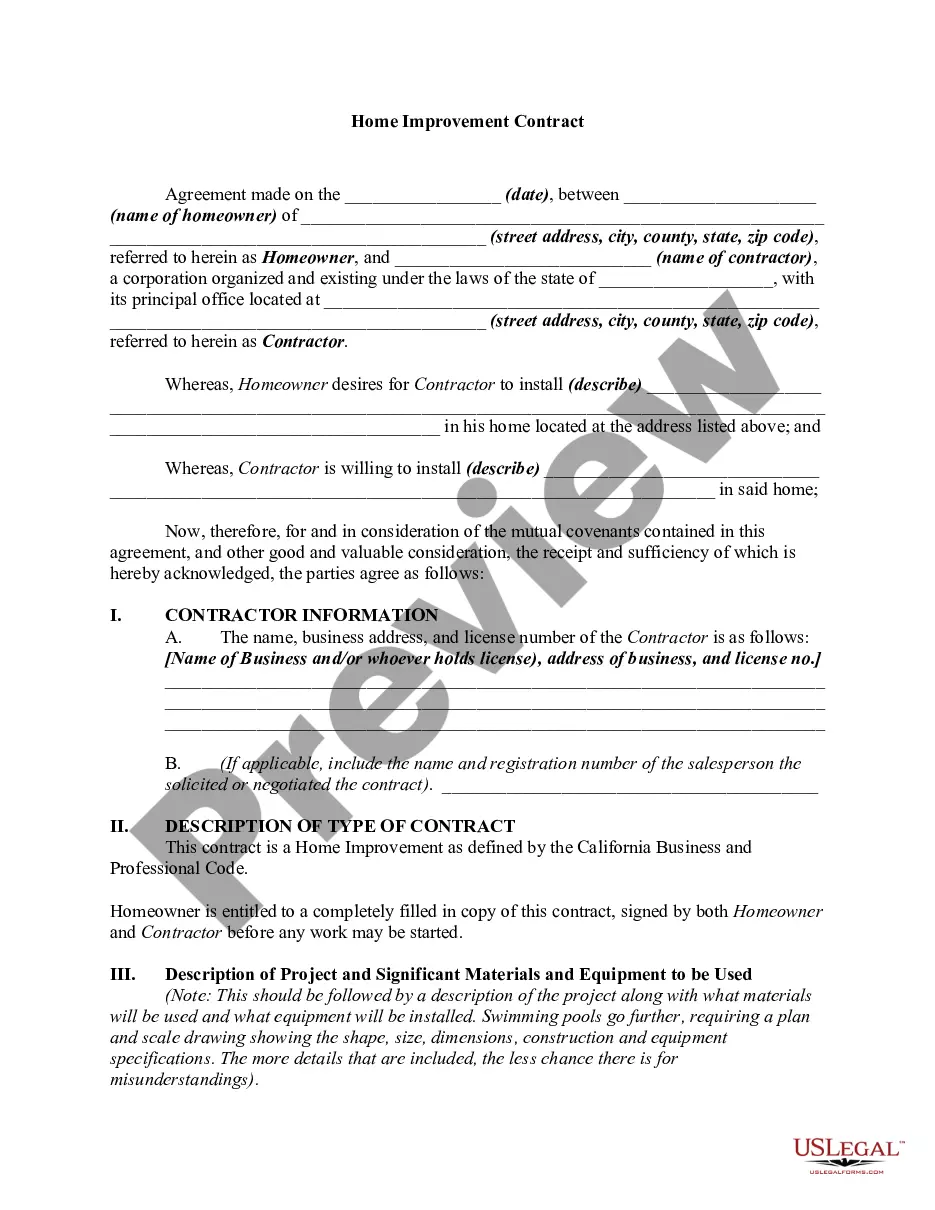


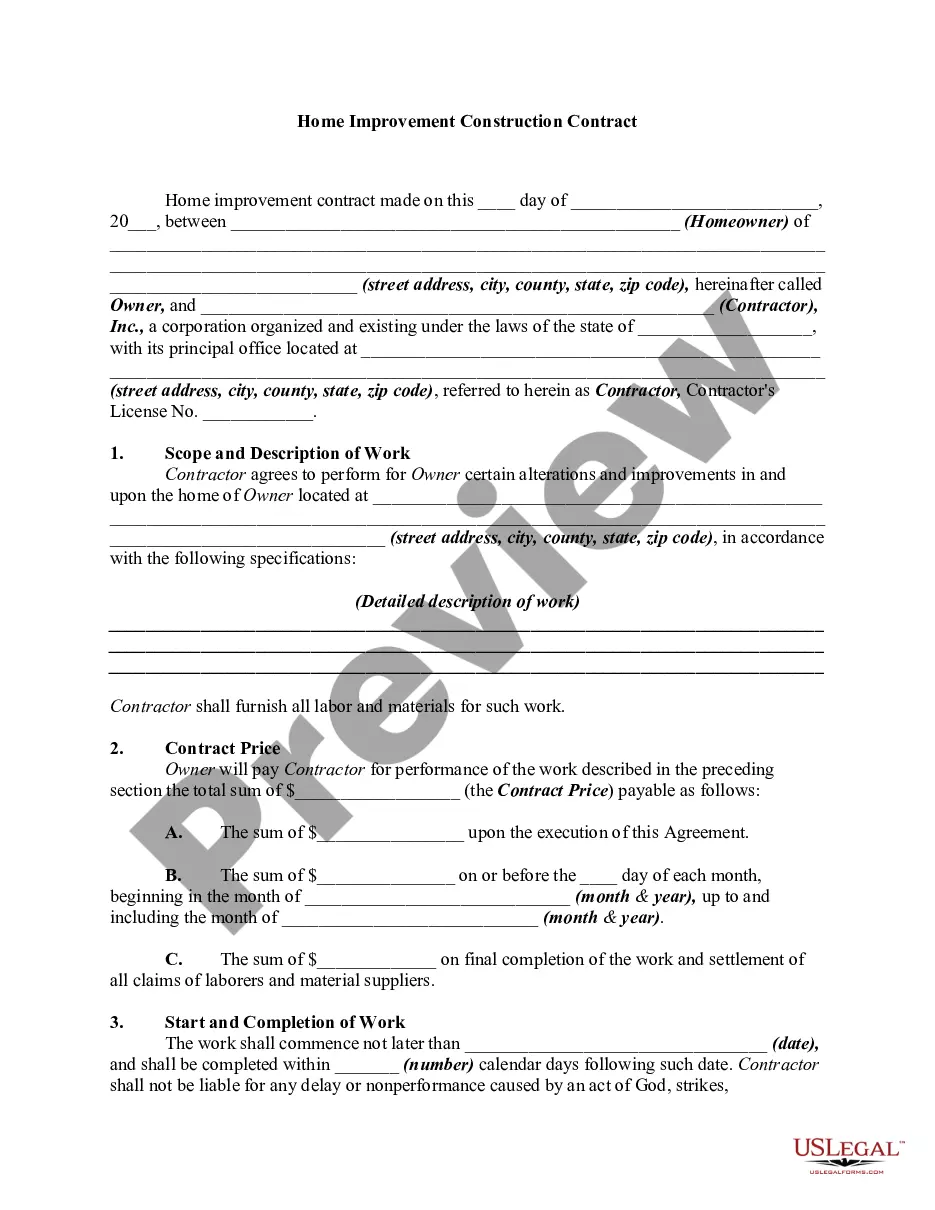
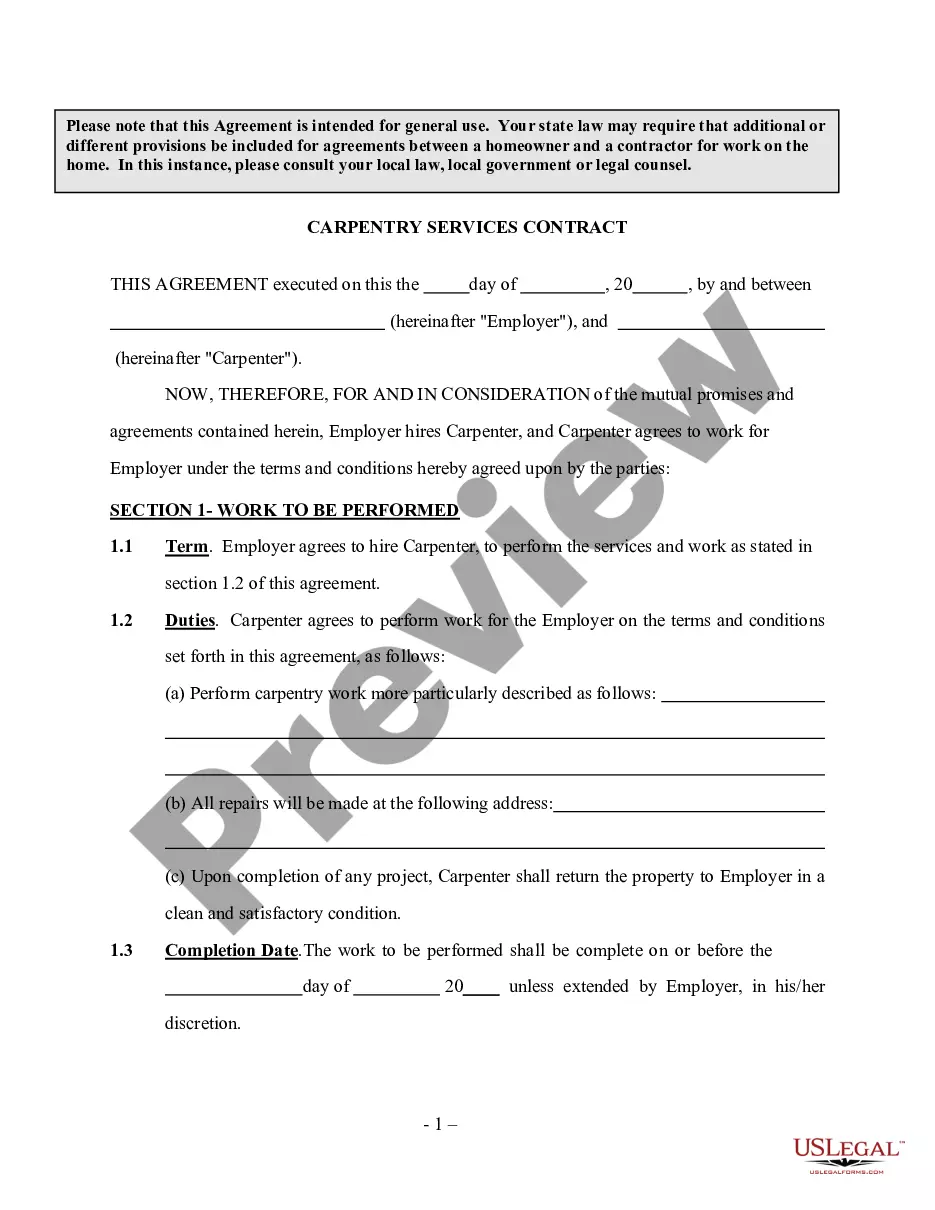
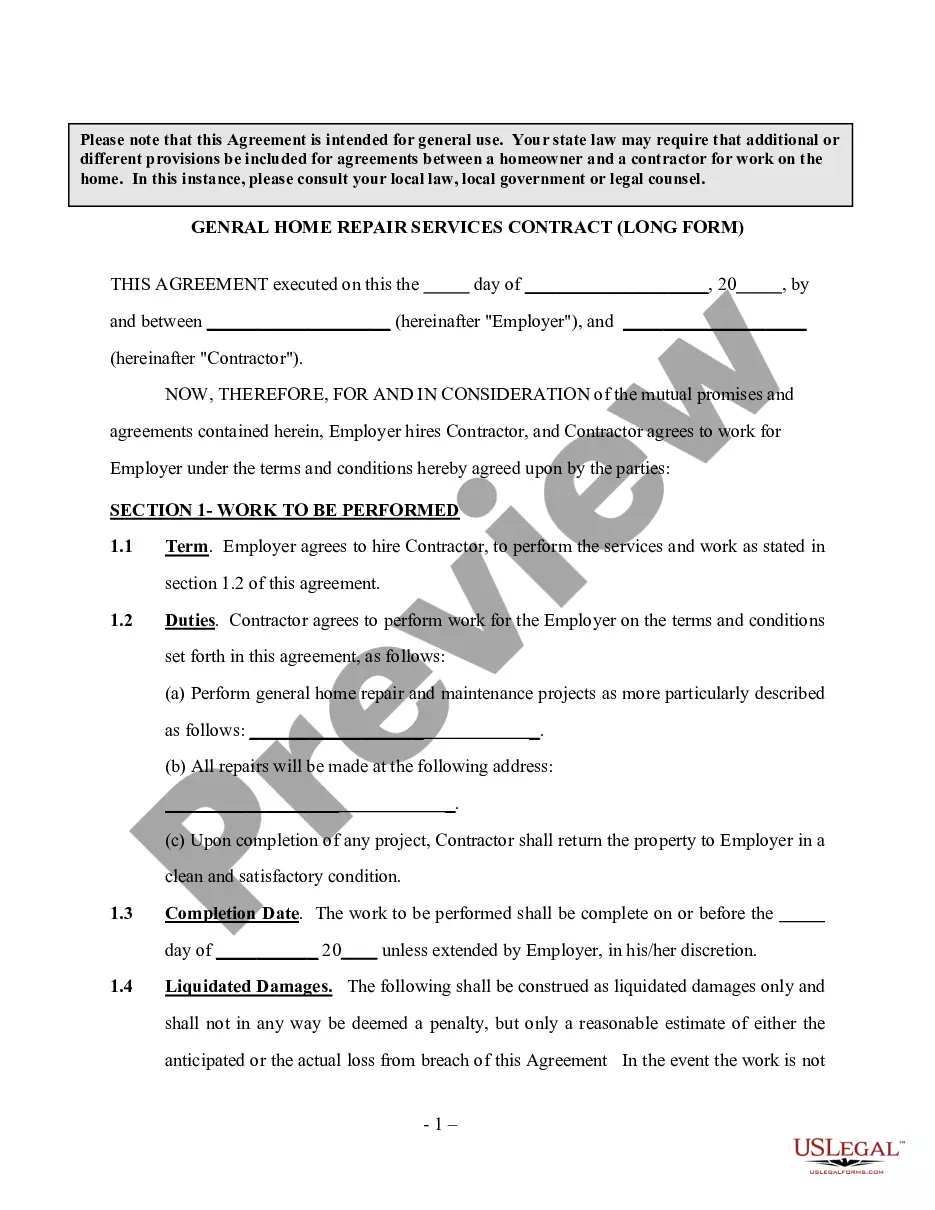
Get your form ready online
Our built-in tools help you complete, sign, share, and store your documents in one place.
Make edits, fill in missing information, and update formatting in US Legal Forms—just like you would in MS Word.
Download a copy, print it, send it by email, or mail it via USPS—whatever works best for your next step.
Sign and collect signatures with our SignNow integration. Send to multiple recipients, set reminders, and more. Go Premium to unlock E-Sign.
If this form requires notarization, complete it online through a secure video call—no need to meet a notary in person or wait for an appointment.
We protect your documents and personal data by following strict security and privacy standards.

Make edits, fill in missing information, and update formatting in US Legal Forms—just like you would in MS Word.

Download a copy, print it, send it by email, or mail it via USPS—whatever works best for your next step.

Sign and collect signatures with our SignNow integration. Send to multiple recipients, set reminders, and more. Go Premium to unlock E-Sign.

If this form requires notarization, complete it online through a secure video call—no need to meet a notary in person or wait for an appointment.

We protect your documents and personal data by following strict security and privacy standards.
Looking for another form?







Form popularity
FAQ
To file taxes as self-employed in California, begin by collecting your income and expense records. You will need to fill out IRS Form 1040 and Schedule C, detailing your earnings and deductions. Since California self employed with employees also need to file state taxes, use the California Form 540 for state reporting. Additionally, consider using US Legal Forms to access ready-made templates, streamlining your filing process.
In California, self-employment income is generally considered community property if it is earned during a marriage. This means if you are California self employed with employees, your income may be subject to division in case of divorce. However, individual circumstances can vary, and it’s wise to consult a legal expert on property rights and income classification. Understanding these aspects ensures you protect your interests.
As a guideline, California self employed with employees should set aside approximately 25-30% of their earnings for taxes. This amount includes federal income tax, state income tax, and self-employment tax. Regularly reviewing your income and making estimated tax payments can help you avoid surprises during tax season. Utilizing accounting software or consulting a tax professional can simplify this process.
Taxable income in California is calculated based on your total income minus any deductions or exemptions you qualify for. For self-employed individuals, this includes your business revenue minus your business expenses. Understanding the calculations helps clarify your obligations, especially for those who are California self employed with employees looking to manage their finances effectively.
For 2024, the self-employment tax rate remains set at 15.3% on net earnings, which includes 12.4% for Social Security and 2.9% for Medicare. It is crucial to calculate this accurately, as it provides funding for retirement benefits and health insurance. For California self employed with employees, ensuring compliance with this tax rate helps avoid issues with the IRS.
The primary difference between being self-employed and an employee in California lies in the nature of your work relationship. Self-employed individuals operate their own business and have more control over their work; they are responsible for paying their own taxes and benefits. Employees, on the other hand, work for someone else and receive benefits and taxes handled by their employer. Knowing these distinctions is essential for California self employed with employees.
To report self-employment income in California, you will need to use Schedule C (Form 1040) for federal tax reporting. Provide details of your business income and expenses on this schedule. Additionally, you will also need to complete California's Long Form 540 or California's Short Form 540, including your total self-employment income. This process ensures that your income is accurately reported as a California self employed with employees.
Avoiding self-employment tax in California requires strategic planning. You can consider forming an S Corporation or LLC to potentially reduce your taxable income. Additionally, track all your business expenses accurately to maximize deductions, thus lowering your overall tax liability. Always consult with a tax professional for personalized guidance.
If you are self-employed in California and have no employees, you typically do not need workers' compensation insurance. However, if you ever hire employees or utilize subcontractors, obtaining coverage becomes necessary. It's crucial to stay informed about your responsibilities as your business evolves.
California introduced a law known as AB 5 which affects how independent contractors are classified. This law generally requires that workers are classified as employees unless they meet strict criteria. As a California self-employed individual with employees, this law may impact your hiring decisions and how you manage your workforce.
