Life Estate Trust With The Owner
Description
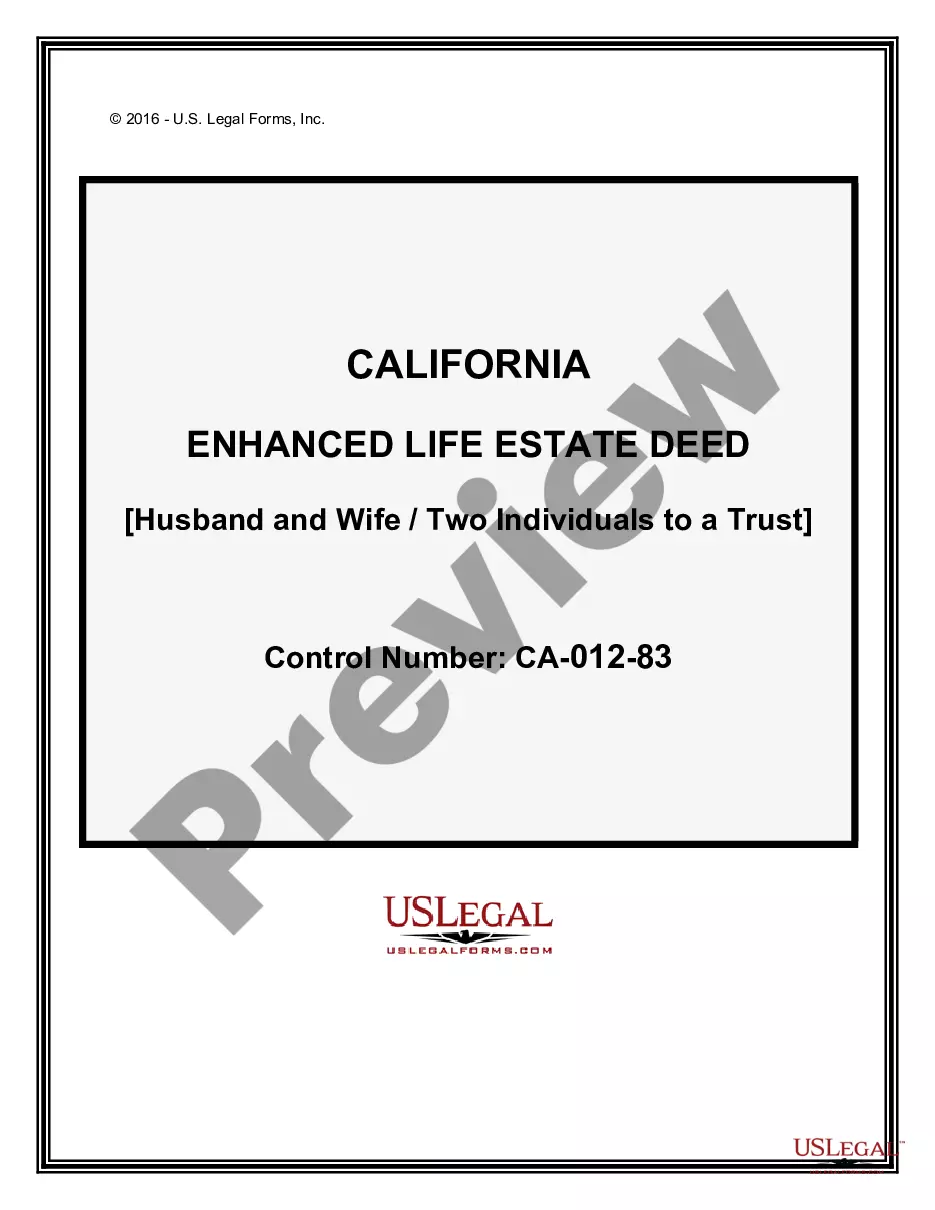
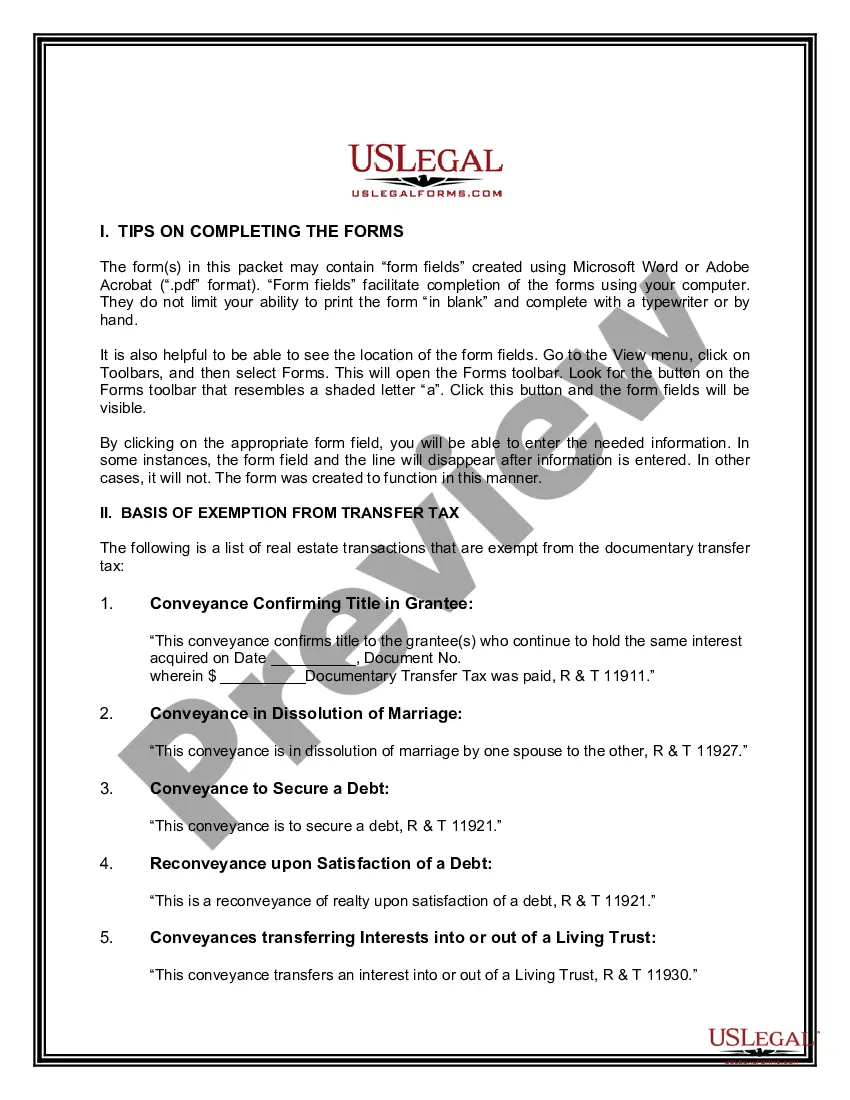
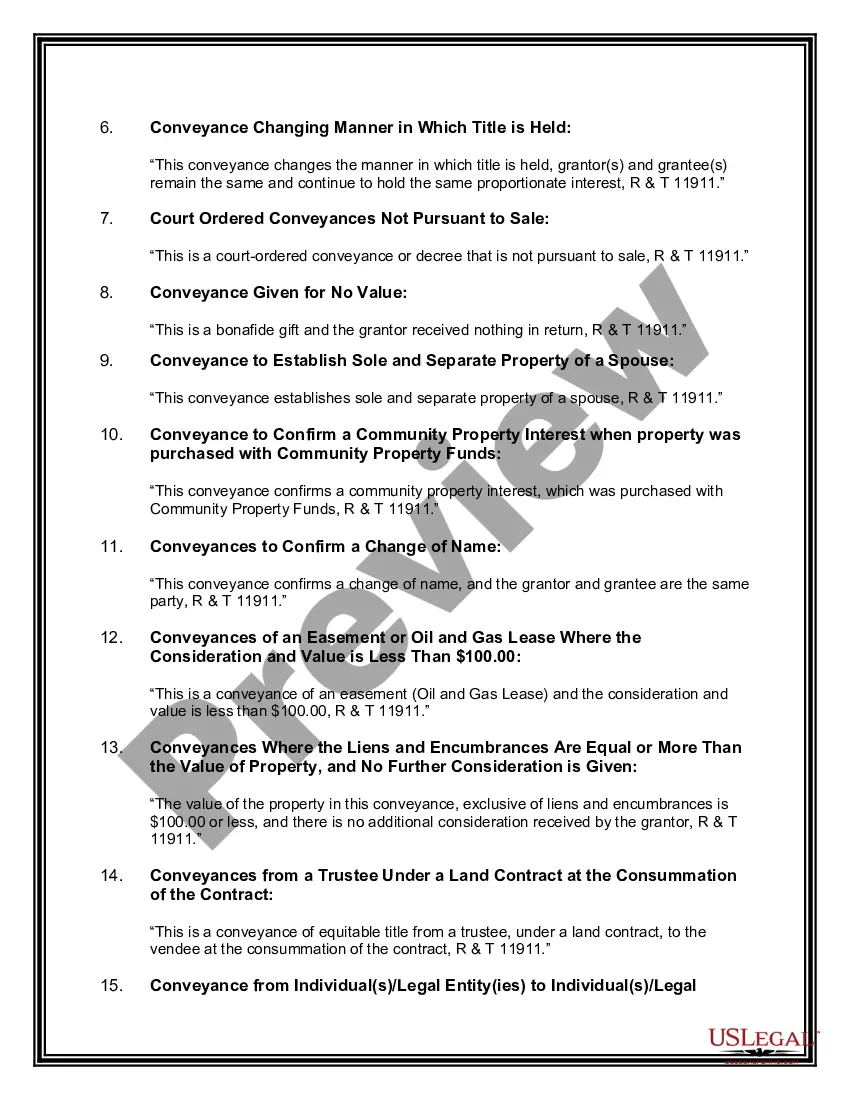
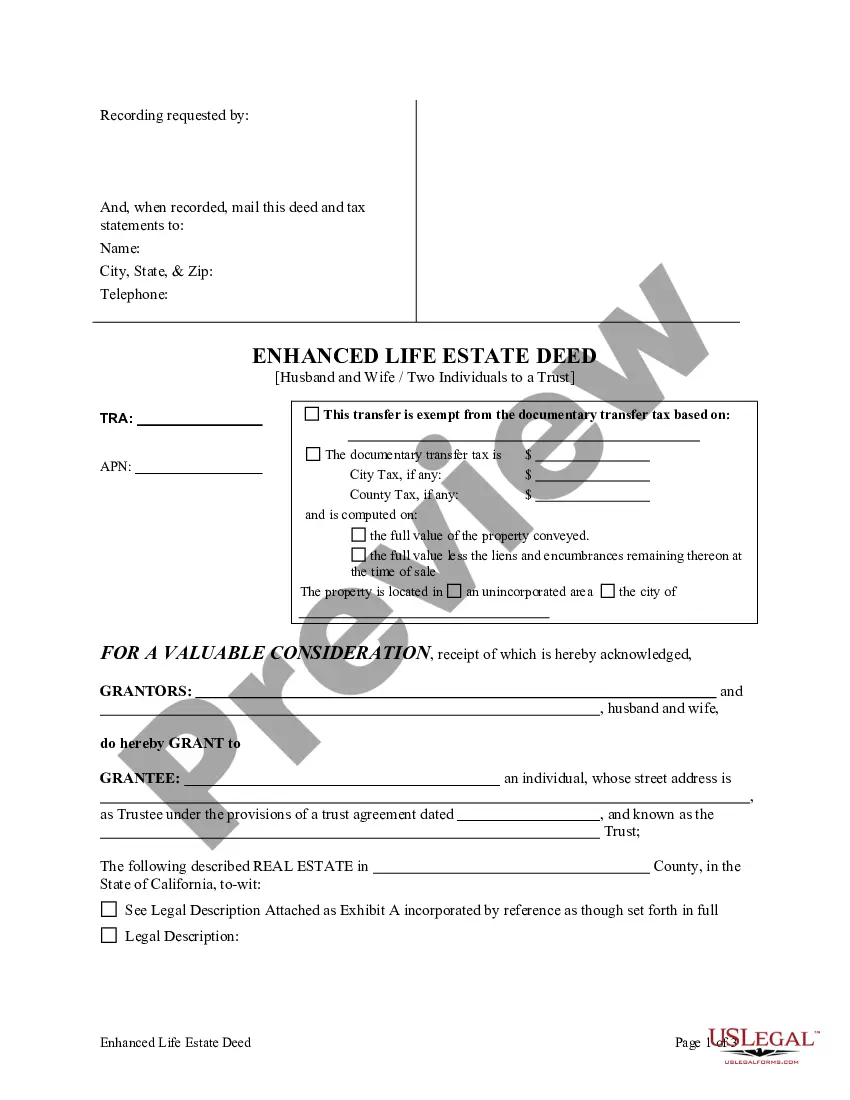
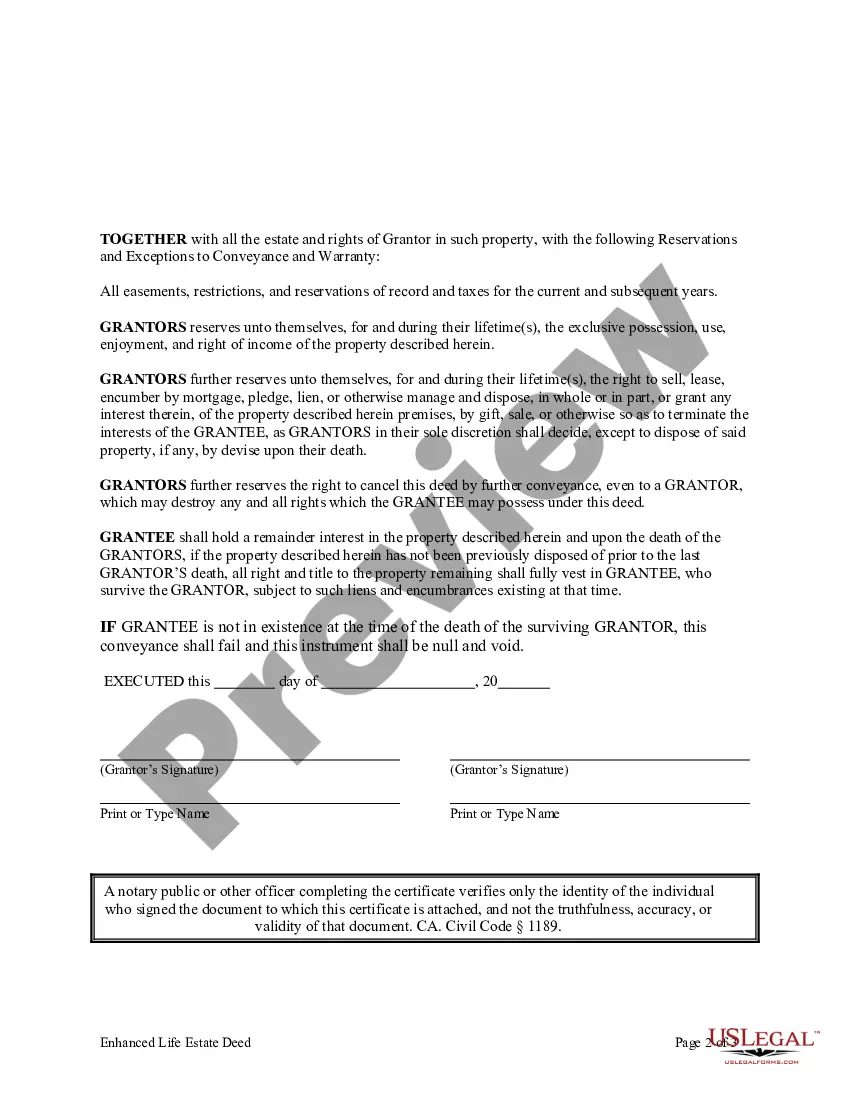
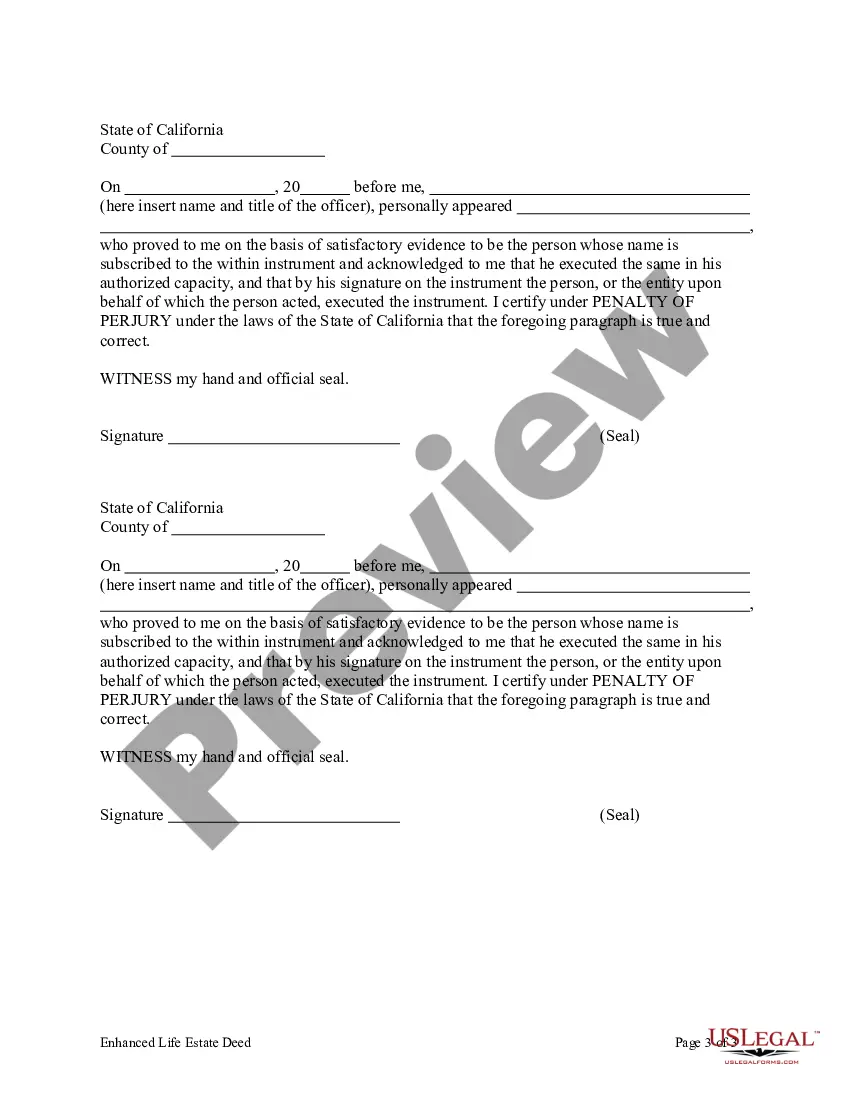
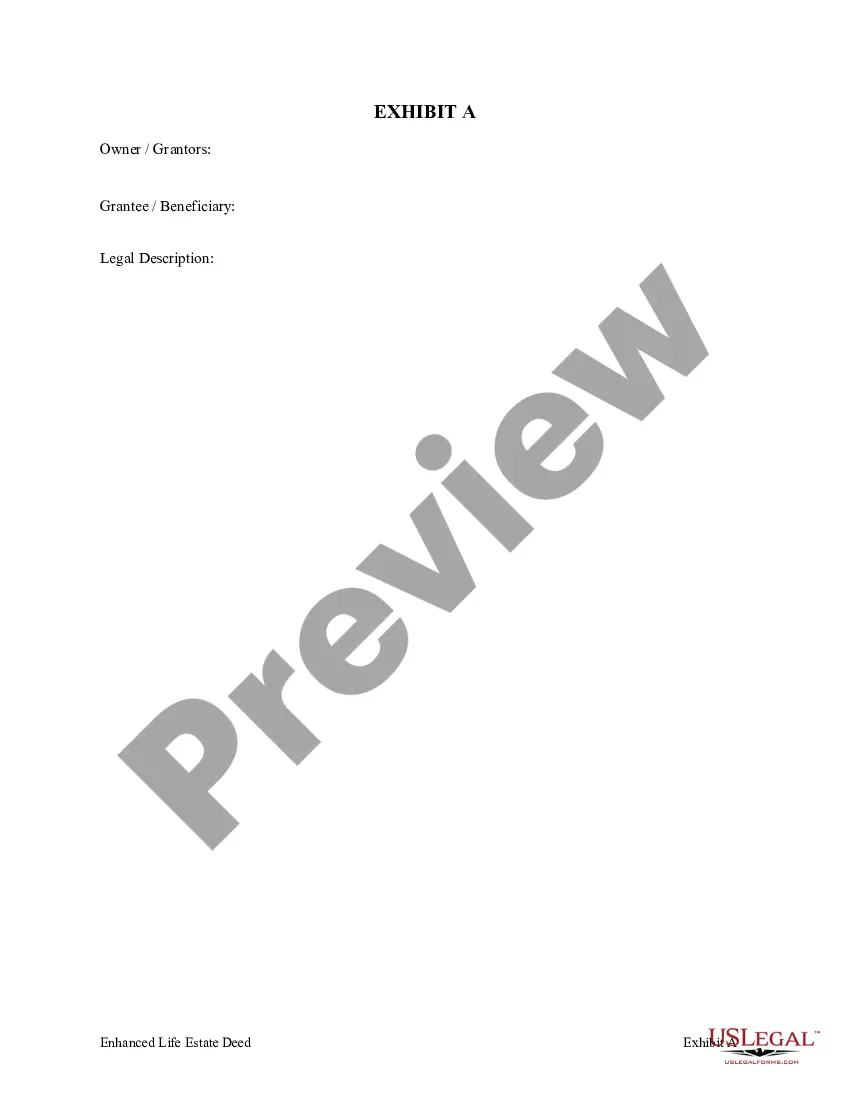
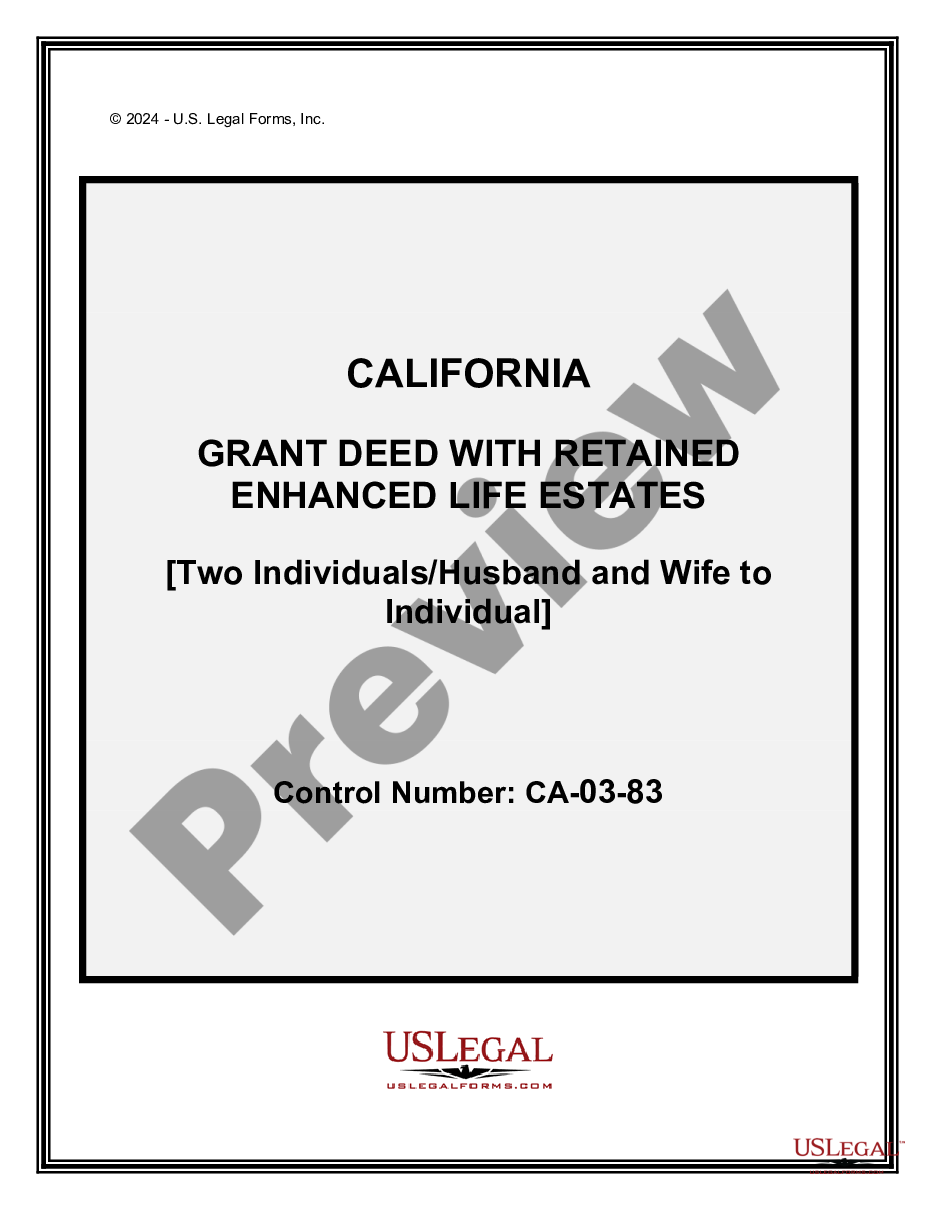

Get your form ready online
Our built-in tools help you complete, sign, share, and store your documents in one place.
Make edits, fill in missing information, and update formatting in US Legal Forms—just like you would in MS Word.
Download a copy, print it, send it by email, or mail it via USPS—whatever works best for your next step.
Sign and collect signatures with our SignNow integration. Send to multiple recipients, set reminders, and more. Go Premium to unlock E-Sign.
If this form requires notarization, complete it online through a secure video call—no need to meet a notary in person or wait for an appointment.
We protect your documents and personal data by following strict security and privacy standards.

Make edits, fill in missing information, and update formatting in US Legal Forms—just like you would in MS Word.

Download a copy, print it, send it by email, or mail it via USPS—whatever works best for your next step.

Sign and collect signatures with our SignNow integration. Send to multiple recipients, set reminders, and more. Go Premium to unlock E-Sign.

If this form requires notarization, complete it online through a secure video call—no need to meet a notary in person or wait for an appointment.

We protect your documents and personal data by following strict security and privacy standards.
Looking for another form?

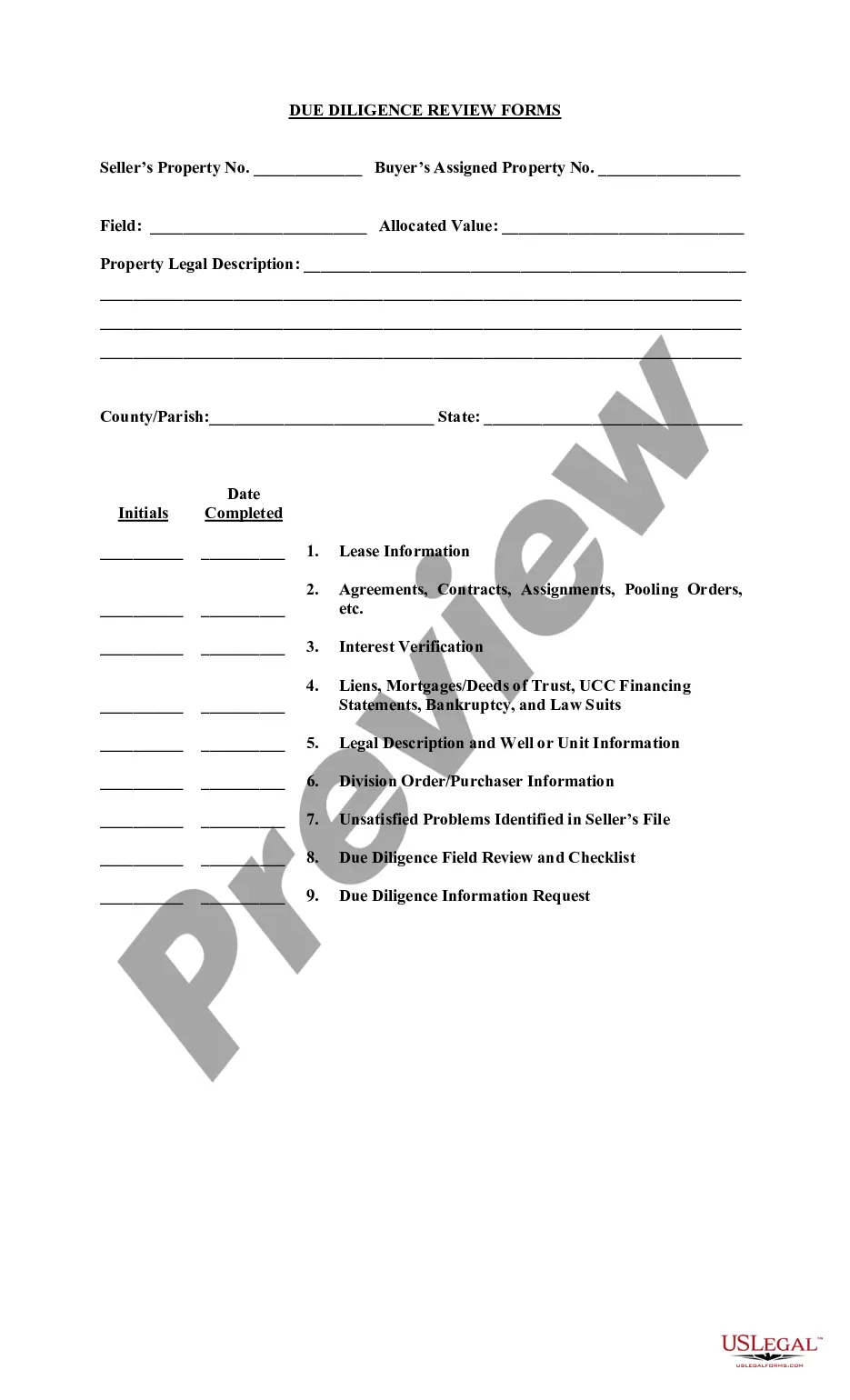
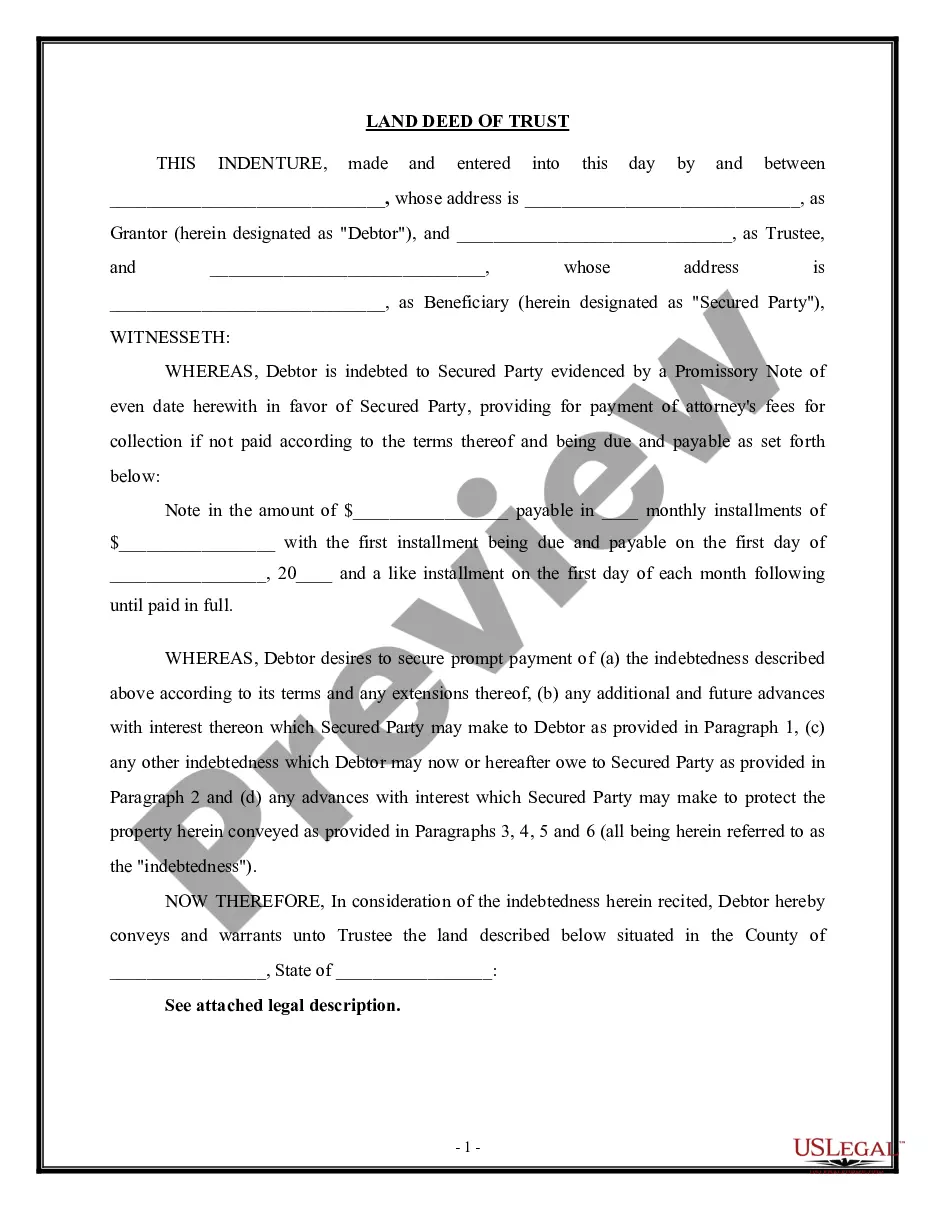
How to fill out California Enhanced Life Estate Deed From Husband And Wife, Or Two Individuals, To A Trust.?
- If you're a returning user, log into your account to retrieve necessary templates by clicking the Download button. Ensure your subscription is active or renew it if necessary.
- For new users, start by reviewing the Preview mode and form description to verify you've selected the appropriate document that complies with local jurisdiction requirements.
- If you need a different template, utilize the Search tab above to explore additional options. Verify that it meets your needs before proceeding.
- Purchase the desired document by clicking on the Buy Now button and selecting your preferred subscription plan. You will need to create an account to access the resources.
- Complete the purchase by entering your payment details or using your PayPal account for a hassle-free transaction.
- Finally, download the form onto your device for completion and access it any time from the My Forms section of your profile.
In conclusion, US Legal Forms provides a comprehensive library of legal templates that empowers users to create legally sound documents with confidence.
Start your estate planning journey today by accessing the extensive collection of forms available at US Legal Forms!
Form popularity
FAQ
A life estate is classified as a form of property ownership that provides specific rights and limitations. It allows the owner use of the property during their lifetime while designating another person to receive the property after their death. This classification helps in estate planning and ensures a smooth transition of assets. With a life estate trust with the owner, individuals can manage their property according to their preferences while providing for their beneficiaries.
A will cannot override a life estate deed once it is established. The benefits of a life estate trust with the owner mean that the property will automatically transfer to the named beneficiary upon the owner's death, regardless of any conflicting instructions in a will. This legal structure emphasizes the importance of clear documentation to avoid disputes. Understanding the boundaries of a life estate deed can help ensure your wishes are respected.
A life estate grants ownership rights for the duration of the owner's life. The owner has full control over the property, but this control ends upon their death, at which point the property passes to the designated beneficiary. This method of ownership ensures that the owner can enjoy the property without worrying about immediate ownership issues after their passing. A life estate trust with the owner solidifies this arrangement, providing peace of mind.
A life estate is a type of trust that allows the owner to retain the right to use a property during their lifetime. It gives the owner the privilege of living in or managing the property, while also designating a beneficiary to inherit the property after the owner's death. This arrangement benefits both the owner and the designated beneficiary, as it provides a clear path for property transfer without the need for probate. A life estate trust with the owner clearly outlines these rights and responsibilities.
A life estate trust with the owner functions by allowing an individual to retain the right to live in or use the property for their lifetime, while transferring ownership of the property to another party upon their death. This arrangement provides security for the life tenant and effectively avoids probate, simplifying the transfer of property. Consult uSlegalforms for templates and guidance to set up a life estate trust tailored to your needs.
A significant disadvantage of a life estate trust with the owner is the potential for diminished flexibility in property management. The life tenant cannot alter or sell the property without permission from remainder beneficiaries. This limitation can complicate financial planning, especially if circumstances change. Understanding these constraints helps in making informed decisions regarding estate planning.
While a lifetime trust, or life estate trust with the owner, offers several benefits, it also has disadvantages. One major concern is the loss of control; the life tenant cannot sell or transfer the property without consent from all parties involved. Additionally, any increase in property value or taxes may affect the owner's assets and the trust’s administration. It's vital to weigh these factors before establishing such a trust.
To create a life estate trust with the owner, you must include specific terms in the legal documentation. Typically, the phrase "life estate" and the name of the person gaining the right to live in the property during their lifetime are essential. It's equally important to specify what happens to the property after the life tenant’s death. You can consult with legal professionals to ensure all necessary terms are included correctly.
The key difference between a life estate and ownership lies in the rights associated with each. A life tenant has the right to use the property during their lifetime but cannot sell, lease, or modify it without permission from the remainderman. In contrast, full ownership allows the owner complete control over the property, including selling it or transferring it as they wish. Understanding the life estate trust with the owner can clarify these distinctions and aid in effective estate planning.
In the context of a trust, a life estate refers to the arrangement where the trust grants the life tenant the right to use and occupy the property for their lifetime. Upon the tenant's death, the property will transfer to the designated remainderman as outlined in the trust document. This life estate trust with the owner provides a clear path for asset distribution, ensuring that the life tenant can enjoy the property while securing its future use. This arrangement simplifies estate planning and may provide tax benefits.