Life Estate Trust For The Future
Description
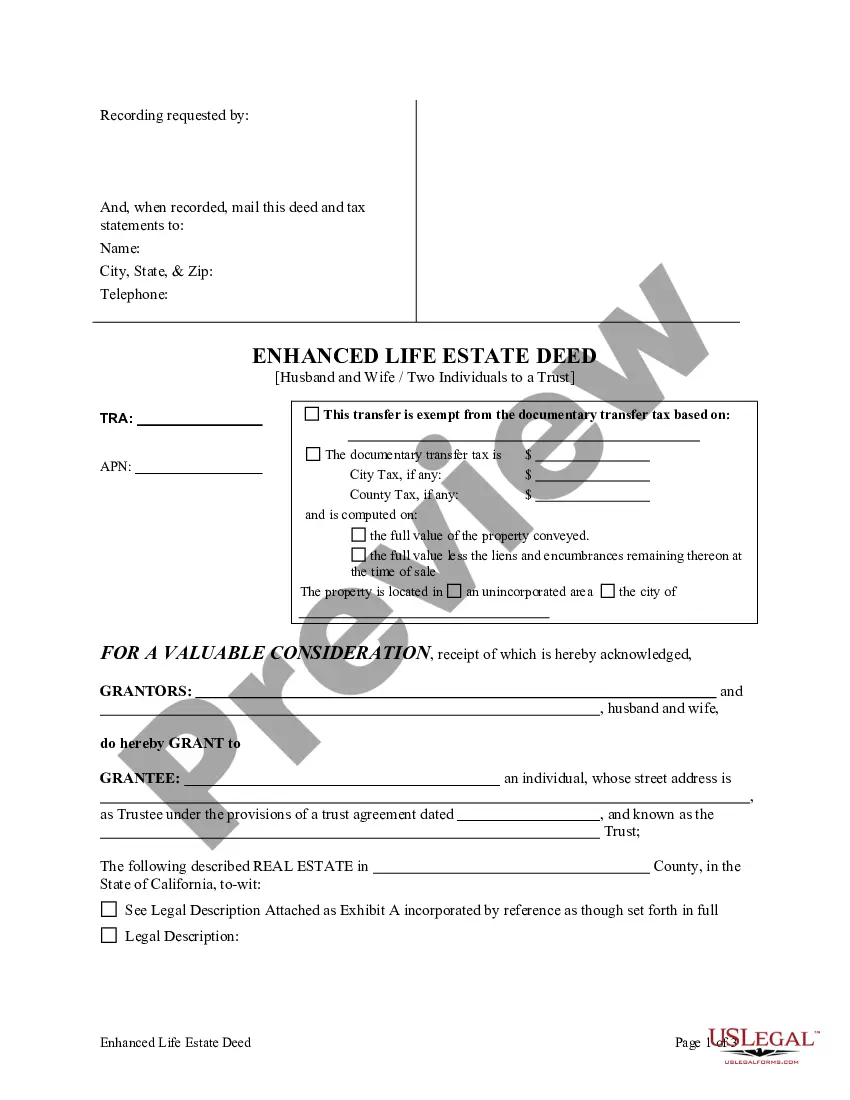
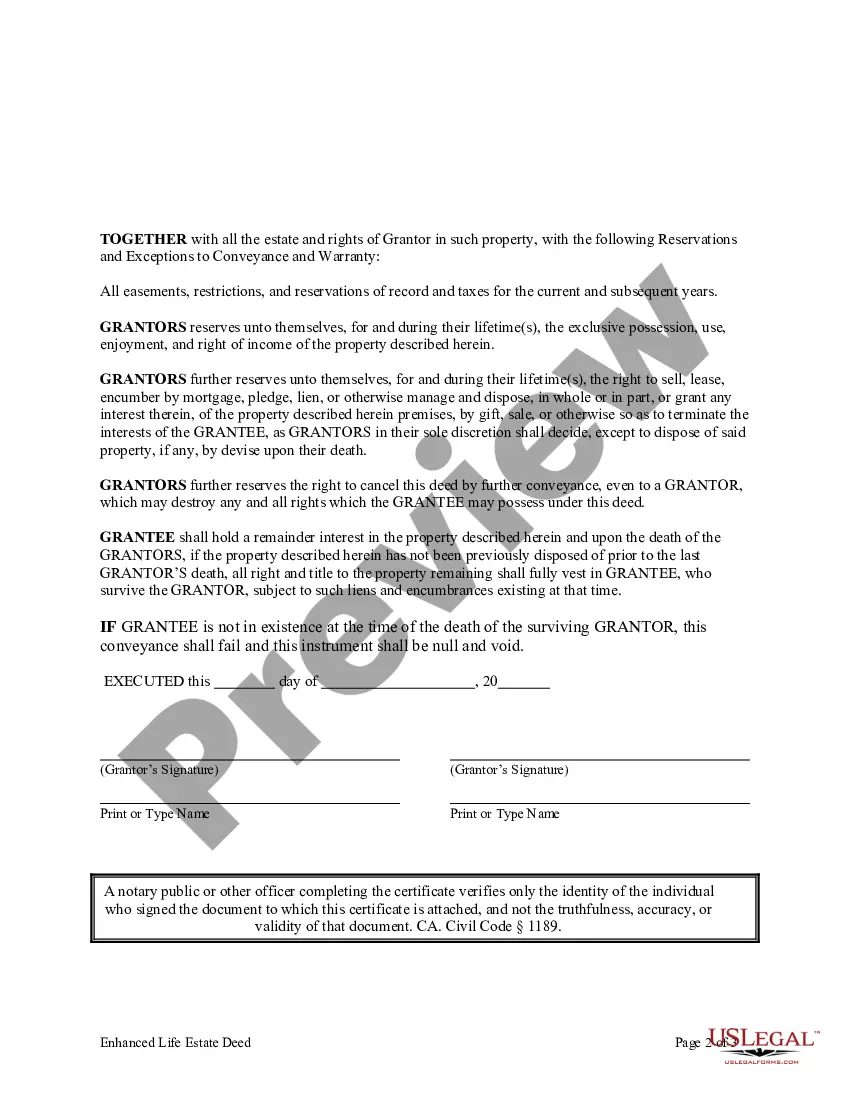
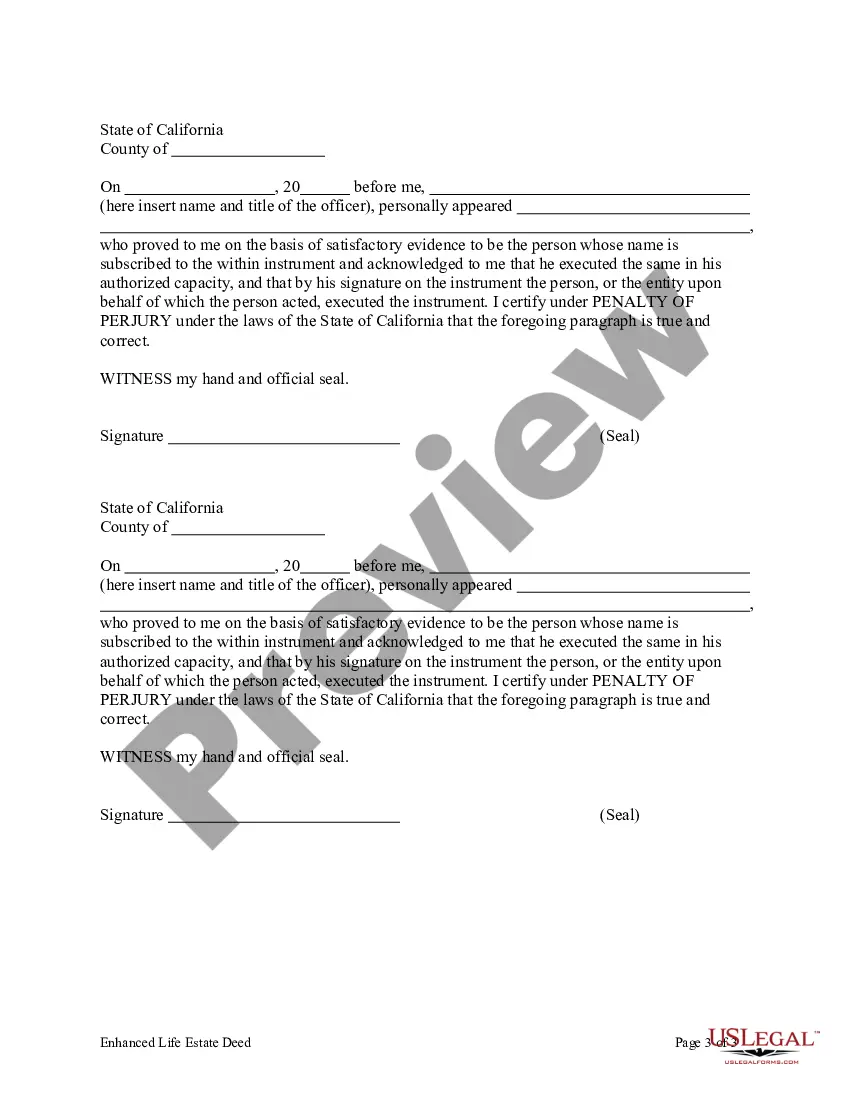
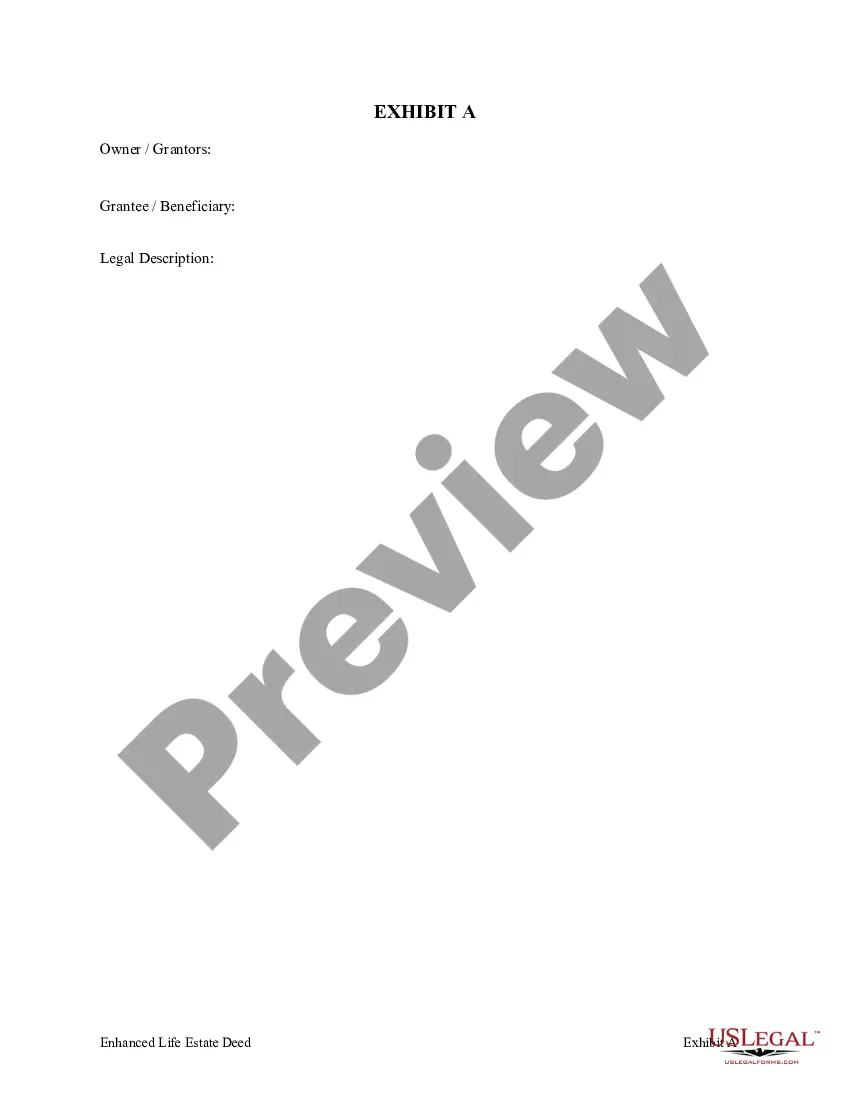

Get your form ready online
Our built-in tools help you complete, sign, share, and store your documents in one place.
Make edits, fill in missing information, and update formatting in US Legal Forms—just like you would in MS Word.
Download a copy, print it, send it by email, or mail it via USPS—whatever works best for your next step.
Sign and collect signatures with our SignNow integration. Send to multiple recipients, set reminders, and more. Go Premium to unlock E-Sign.
If this form requires notarization, complete it online through a secure video call—no need to meet a notary in person or wait for an appointment.
We protect your documents and personal data by following strict security and privacy standards.

Make edits, fill in missing information, and update formatting in US Legal Forms—just like you would in MS Word.

Download a copy, print it, send it by email, or mail it via USPS—whatever works best for your next step.

Sign and collect signatures with our SignNow integration. Send to multiple recipients, set reminders, and more. Go Premium to unlock E-Sign.

If this form requires notarization, complete it online through a secure video call—no need to meet a notary in person or wait for an appointment.

We protect your documents and personal data by following strict security and privacy standards.
Looking for another form?
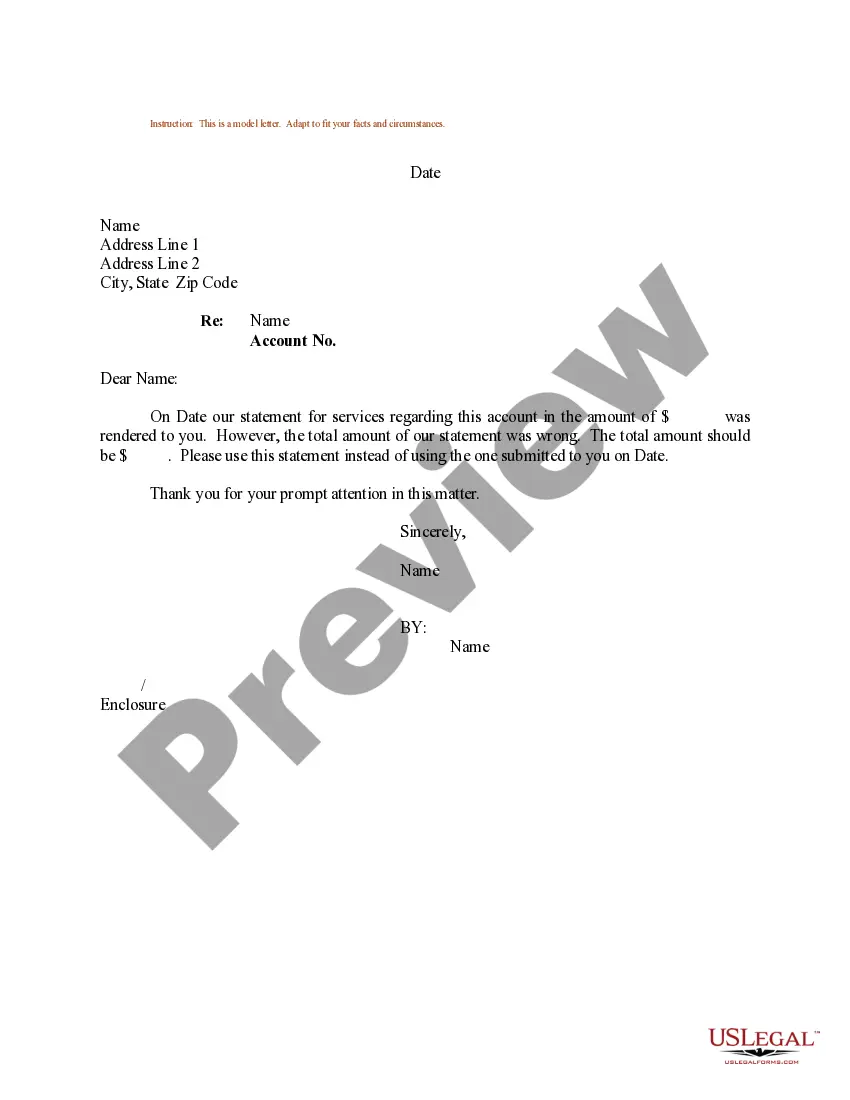

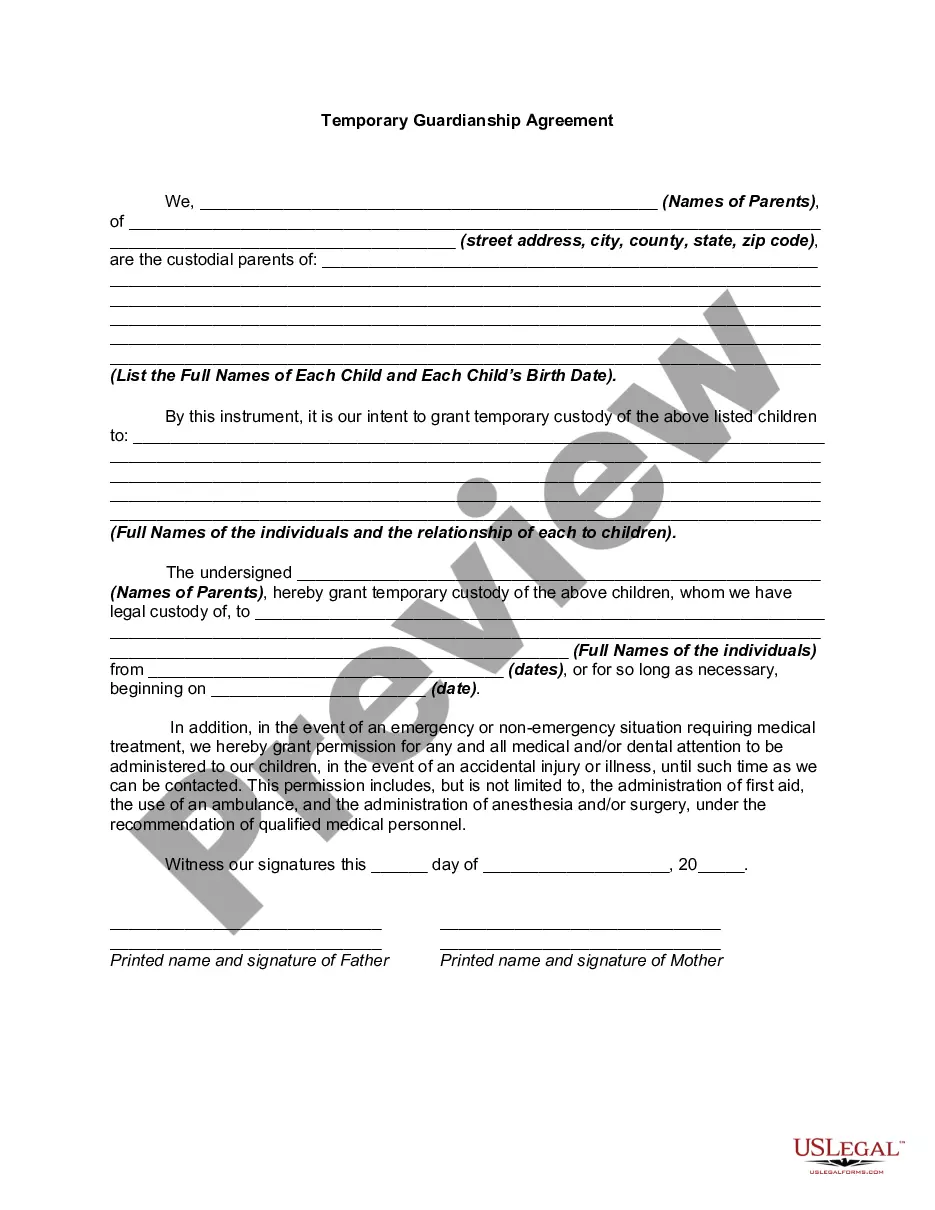


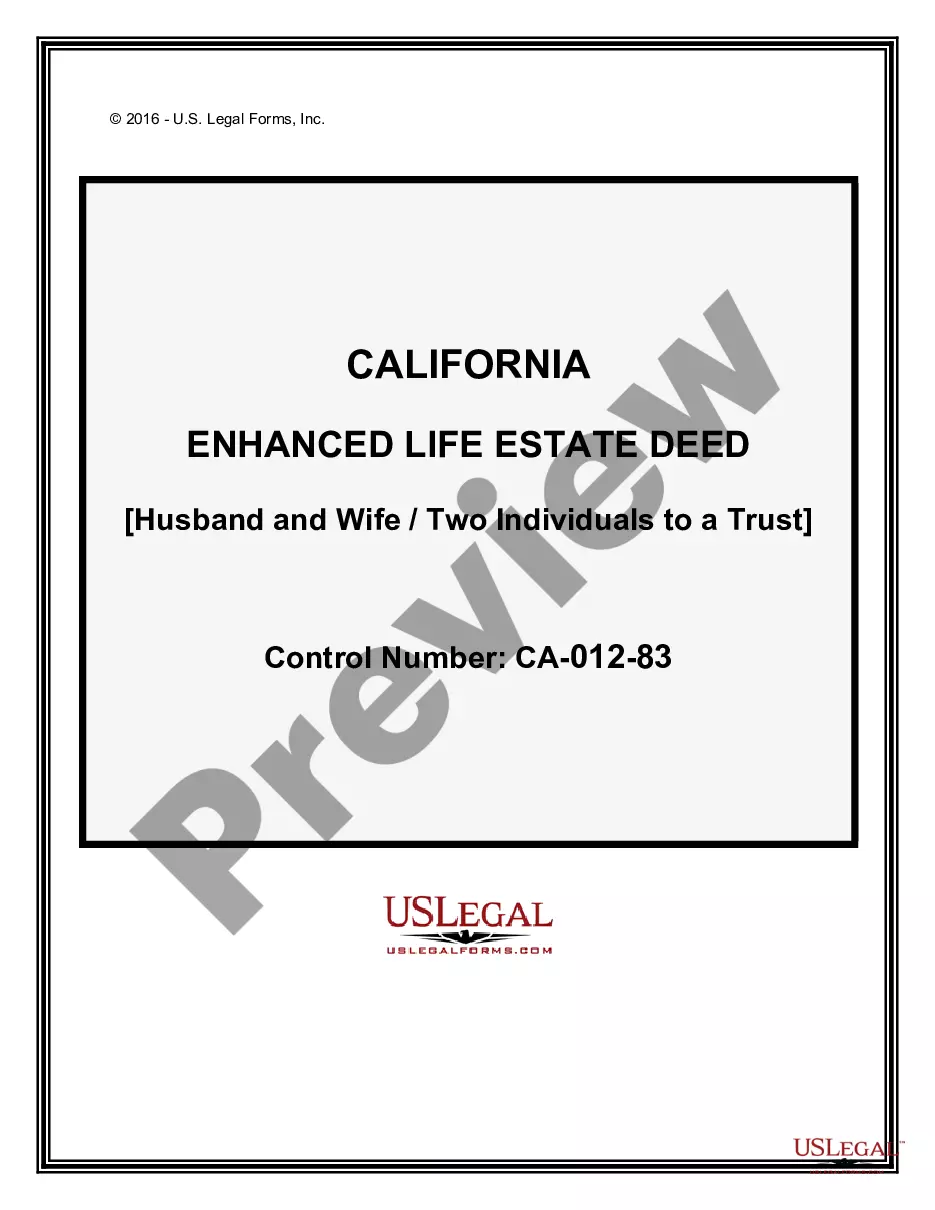
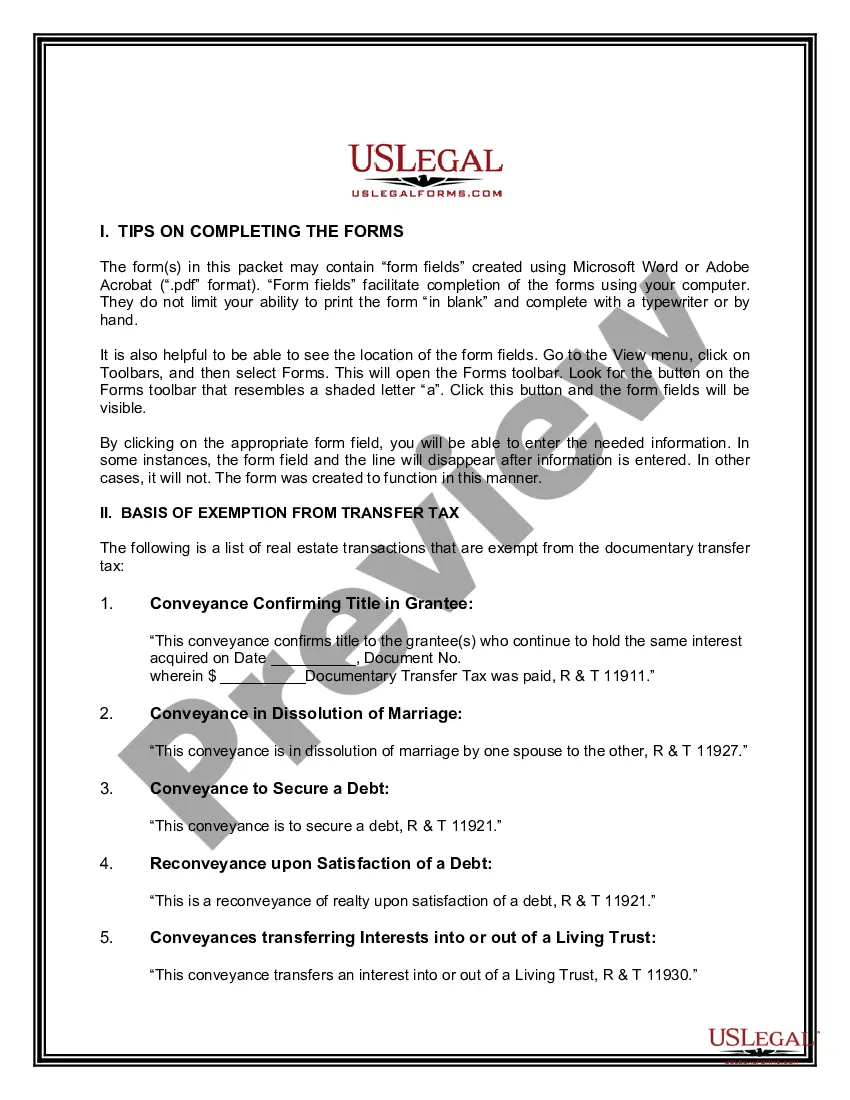
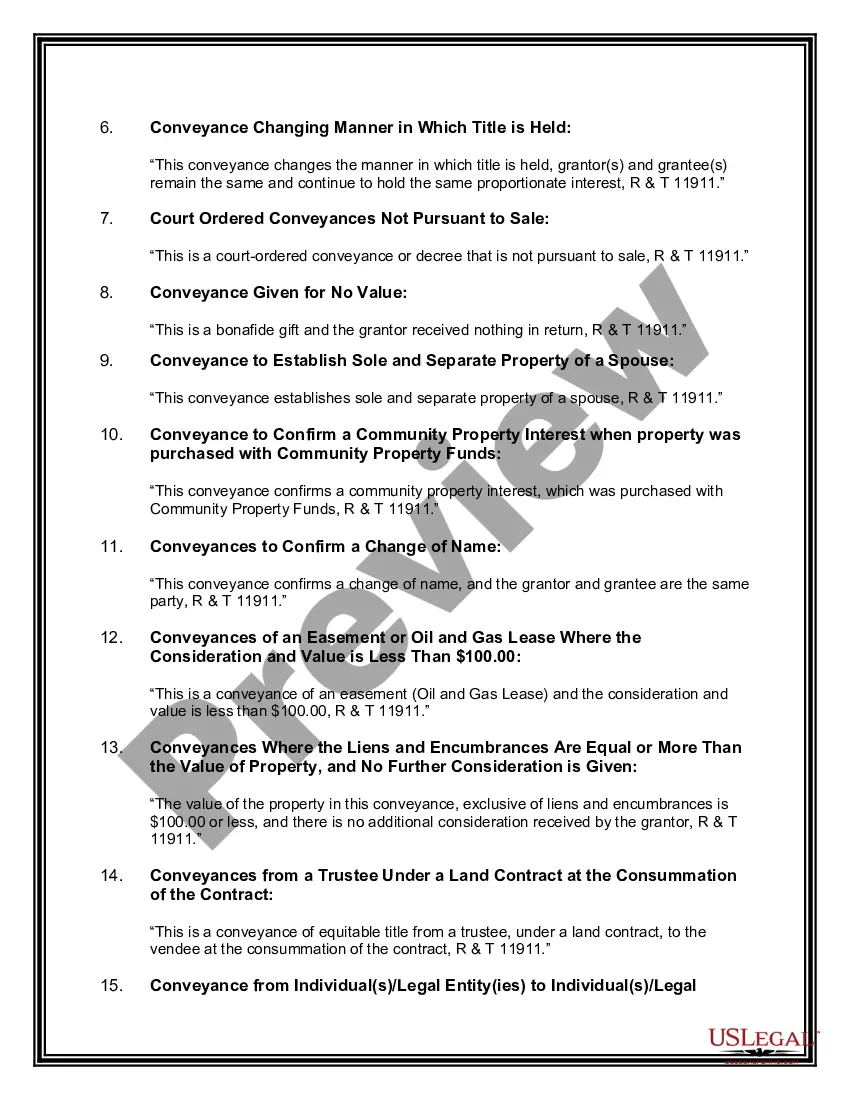
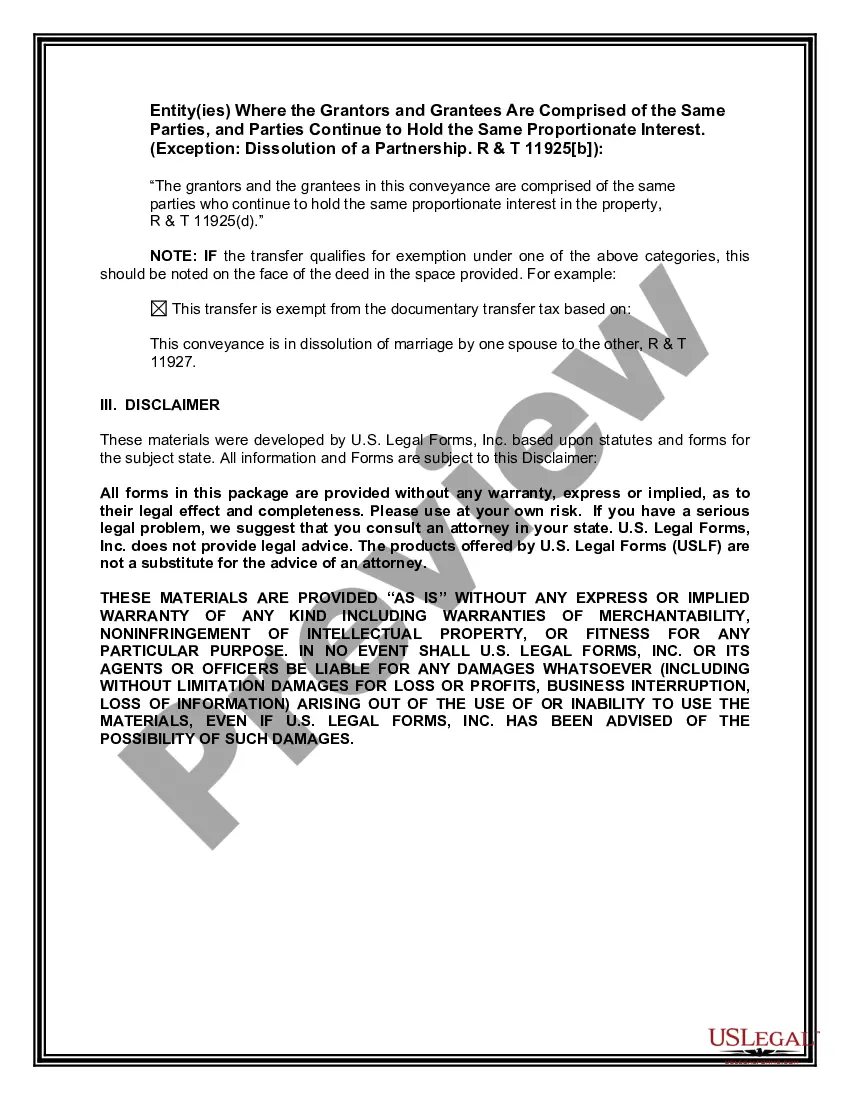
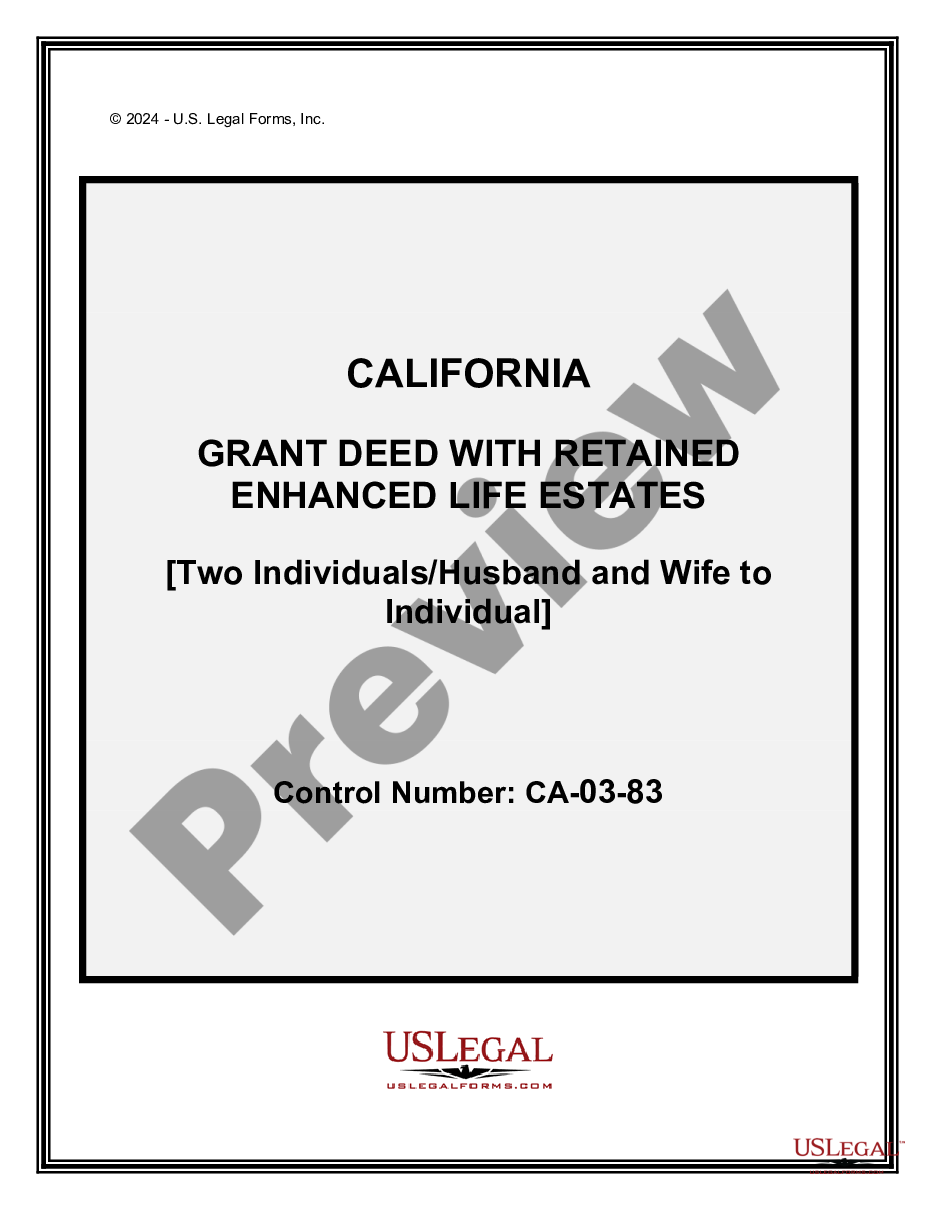
How to fill out California Enhanced Life Estate Deed From Husband And Wife, Or Two Individuals, To A Trust.?
- If you have used US Legal Forms before, log into your account and click the Download button to save the required form template, ensuring your subscription is active.
- For first-time users, begin by reviewing the Preview mode and description of the necessary forms to find one that matches your jurisdiction and needs.
- If the first template isn’t suitable, utilize the Search tab to explore additional options that fulfill your requirements.
- Once you've identified the correct document, click on the Buy Now button and select a subscription plan that best fits you, creating an account in the process.
- Complete your purchase by entering your payment details with either a credit card or PayPal, finalizing your access to essential documents.
- Finally, download the form to your device for filling out and keep it handy by accessing it in the My Forms menu of your account.
By following these steps, you’ll be well on your way to securing your property for future generations through a life estate trust. US Legal Forms provides not only an extensive library of forms but also expert assistance to help ensure your documents are completed accurately.
Start your journey towards a secure future today by exploring the services of US Legal Forms!
Form popularity
FAQ
While life estate deeds offer several advantages, they also come with notable disadvantages. Once established, a life estate trust for the future restricts the ability to sell or modify the property without the consent of the life tenant. Furthermore, if the life tenant faces financial difficulties or legal issues, the property is still at risk, potentially impacting the beneficiaries negatively. Understanding these factors is crucial for informed estate planning.
Getting around a life estate can be complex, and it often requires careful planning and legal insights. One common approach is to negotiate with the life tenant to obtain a reversion of the property interest, which can involve compensation or a mutual agreement. Additionally, consulting with a legal expert can help navigate the nuances of a life estate trust for the future, ensuring your options align with your broader estate goals.
People often create life estates to ensure their property is passed on to a chosen beneficiary while retaining the right to live in it during their lifetime. This arrangement creates a life estate trust for the future, allowing individuals to maintain control over their property, provide for loved ones, and avoid probate complications. Many find it a practical solution for estate planning, as it simplifies the transfer of assets after their passing.
Future interest in real estate refers to the rights to access or control property after a certain event, typically the passing of the current owner. This concept plays a significant role in estate planning and can impact how assets are distributed. For those considering their legacies, establishing a life estate trust for the future can clarify future interests and streamline transition processes.
Yes, future interests can be inheritable, but this depends on how the interest is structured in the prenuptial agreement or estate plan. In many cases, the right to inherit future interests, such as those conveyed through a life estate, gets passed on to heirs. This highlights the importance of careful planning with a life estate trust for the future.
Future interest in a life estate refers to the rights held by another party to benefit from the property once the current occupant passes away. This arrangement ensures that after the life tenant's death, the property automatically transfers to the designated beneficiaries. Establishing a life estate trust for the future simplifies this process and clarifies roles for all involved.
A present interest conveys immediate rights to use or benefit from a property, while a future interest indicates rights that will materialize at a later date. For example, a life estate represents a present interest until the individual passes, at which point a future interest becomes active. Knowing these distinctions is crucial when implementing a life estate trust for the future.
The primary downside of a life estate is that you may lose control over the property once it is transferred. While you can reside in and use the property, major decisions, such as selling, may require consent from future beneficiaries. Understanding these implications is essential, and a life estate trust for the future may help mitigate some concerns.
A life estate is active for the duration of the lifetime of the individual who holds it. When that person passes away, the estate typically transfers to the future beneficiary. With a life estate trust for the future, you can easily structure who receives the property so that it aligns with your long-term objectives.
Choosing between a life estate and a trust often depends on your specific circumstances. A life estate allows you to retain the right to use property during your lifetime, while a trust can provide broader asset management and distribution options. For planning the future, a life estate trust for the future can serve both to ensure your benefits while providing for your heirs.