Limited Liability Formation For A Corporation
Description
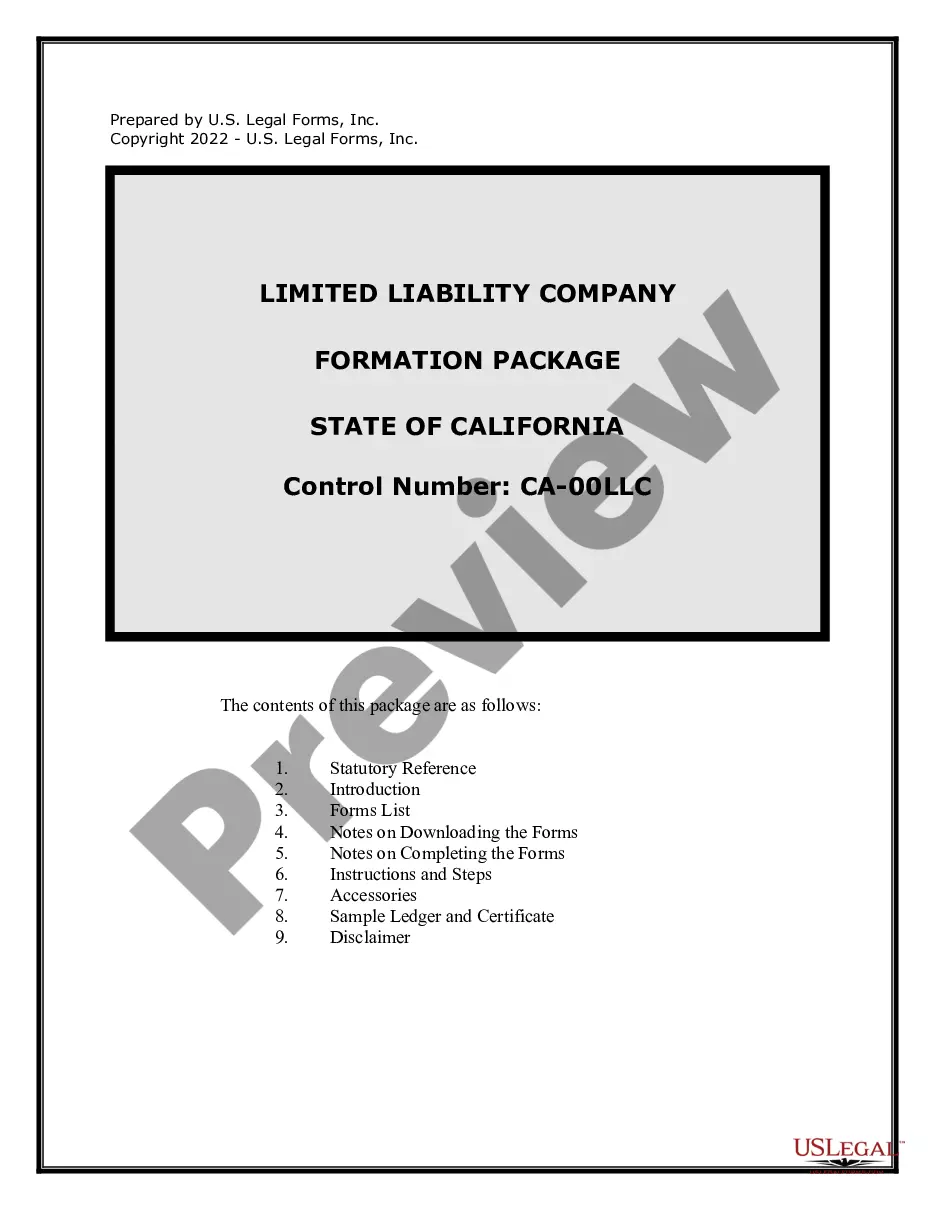
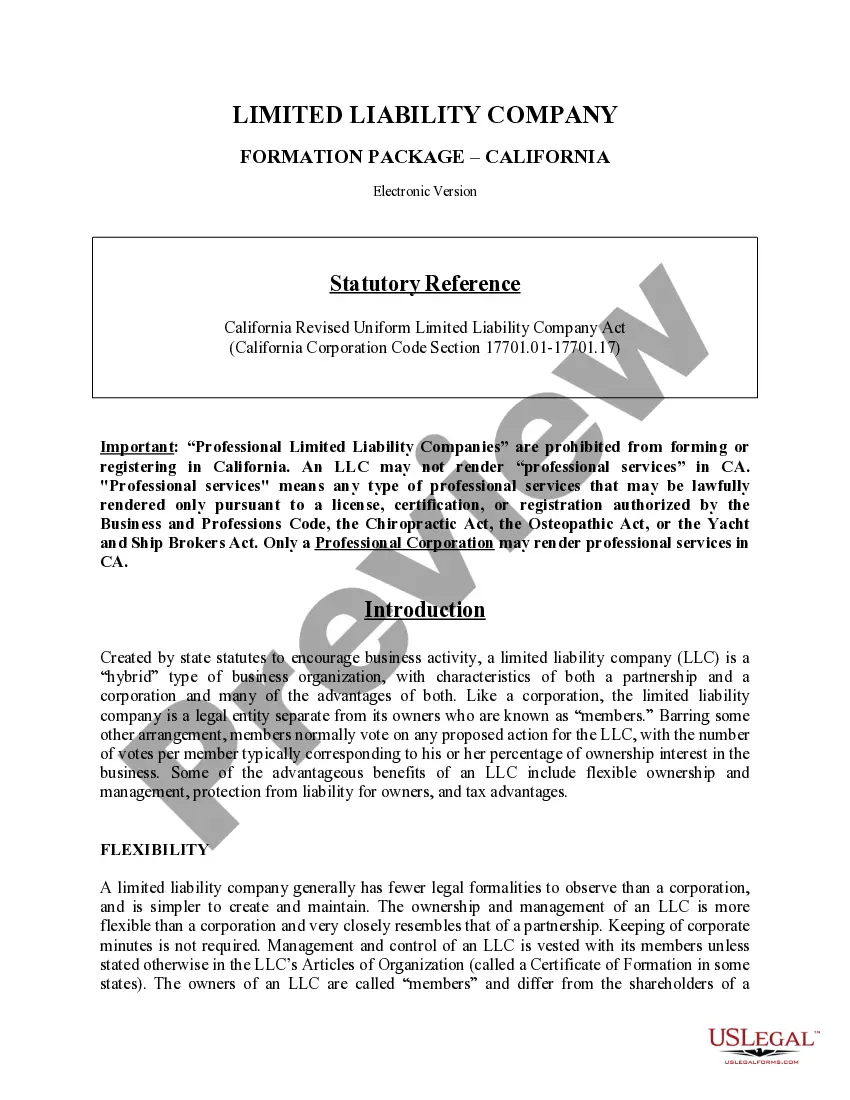
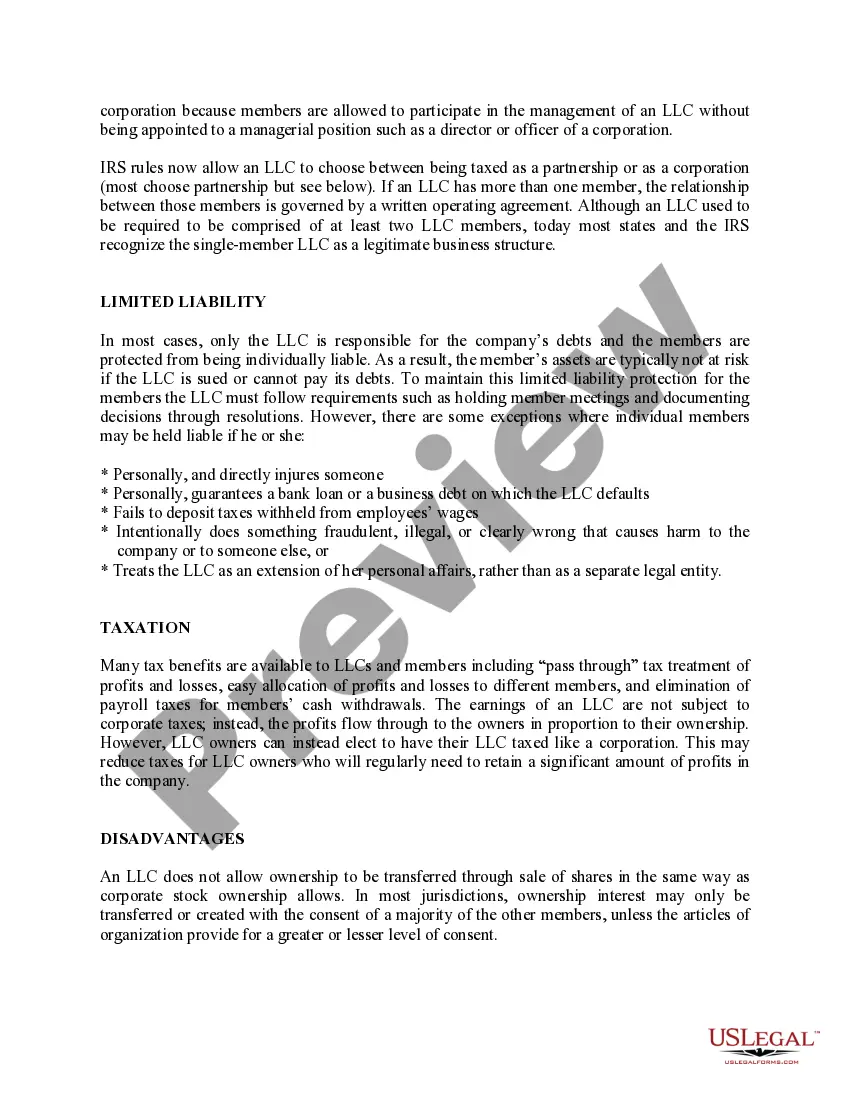
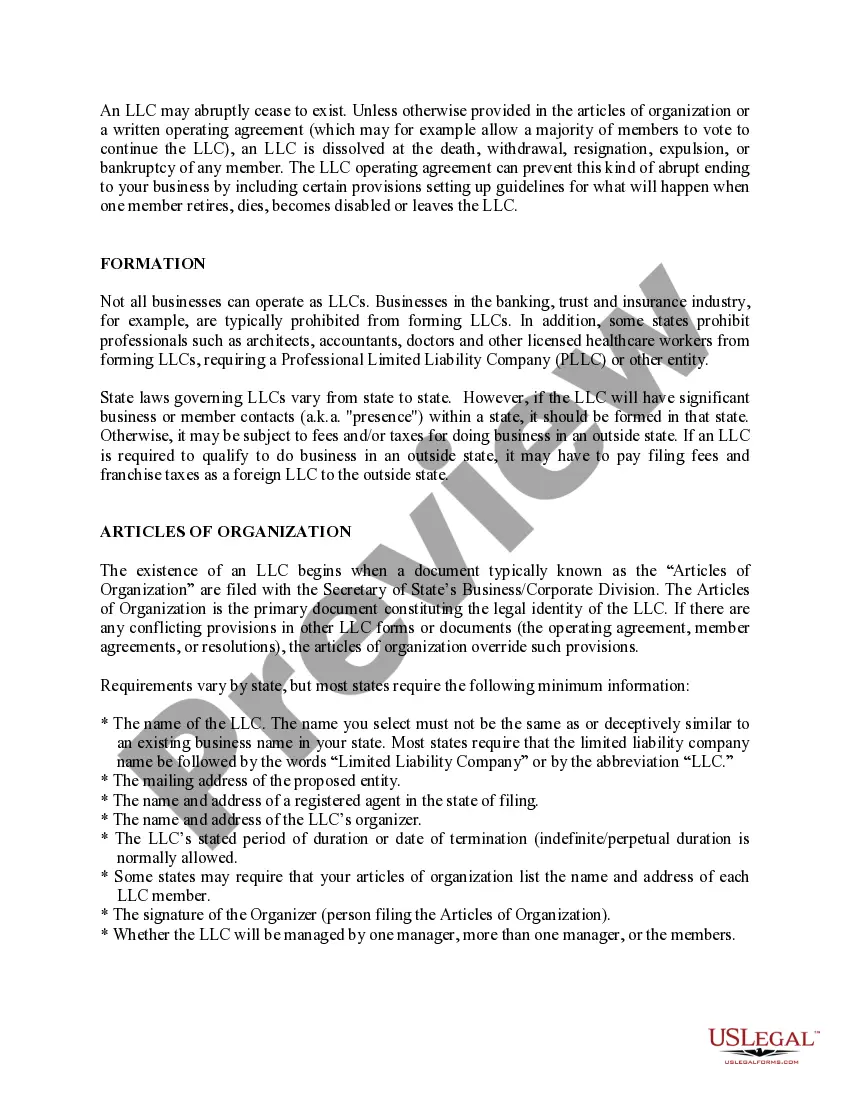
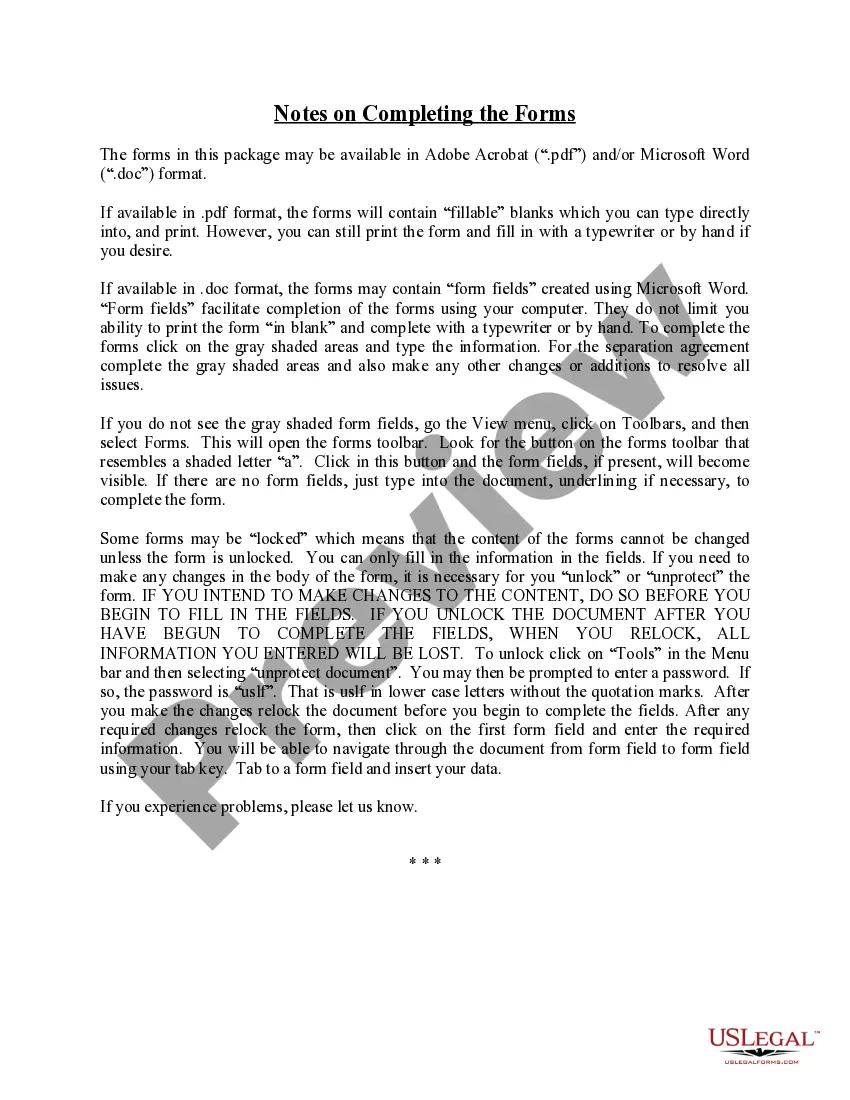
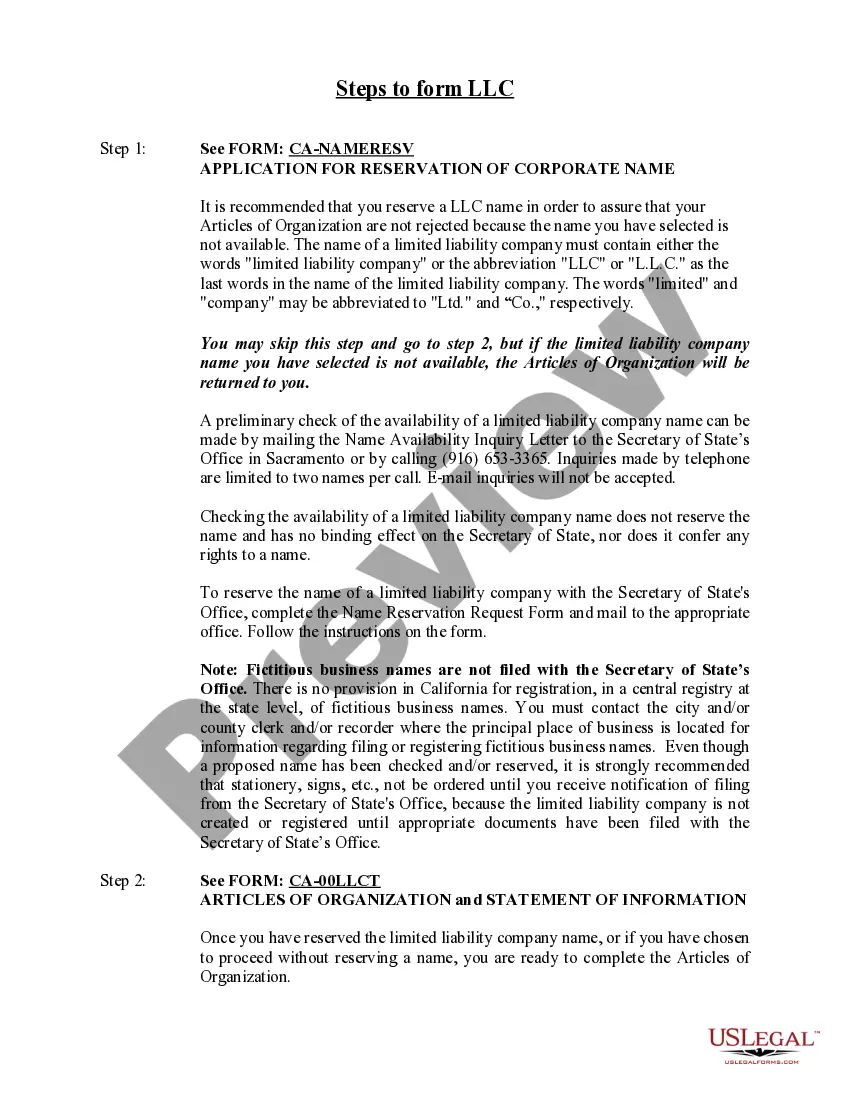

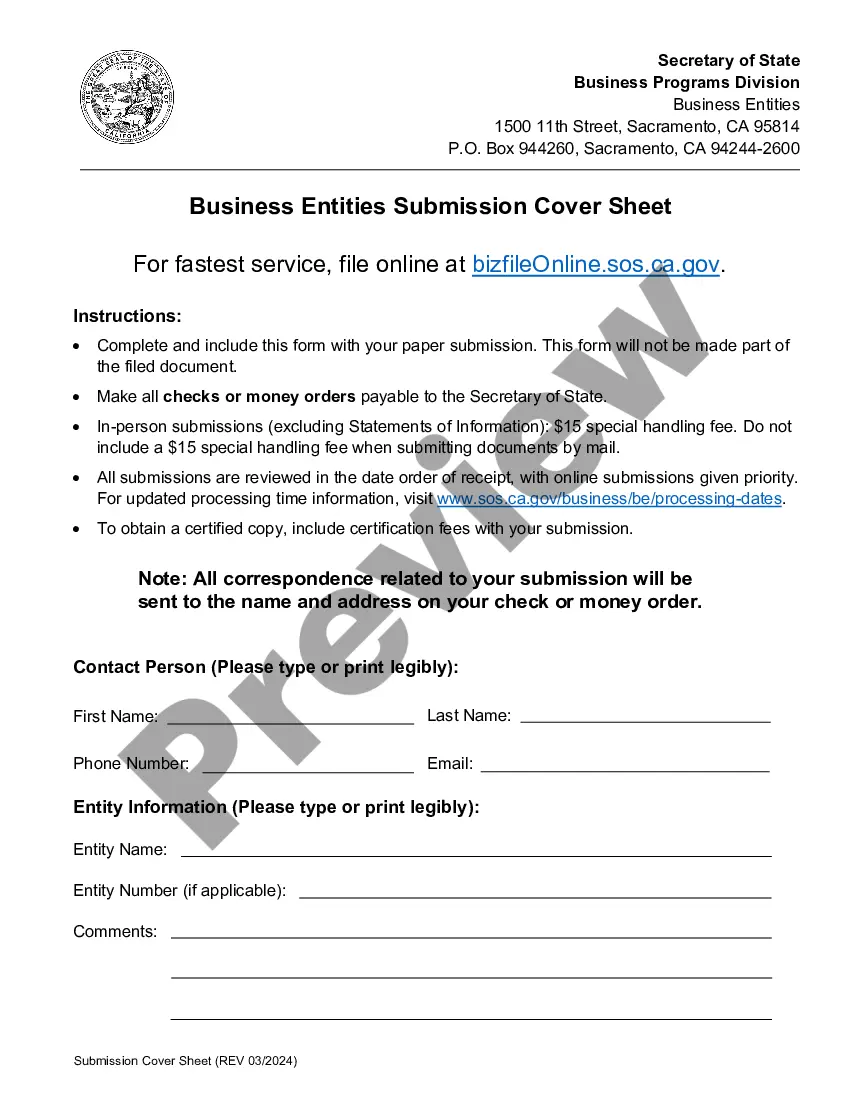
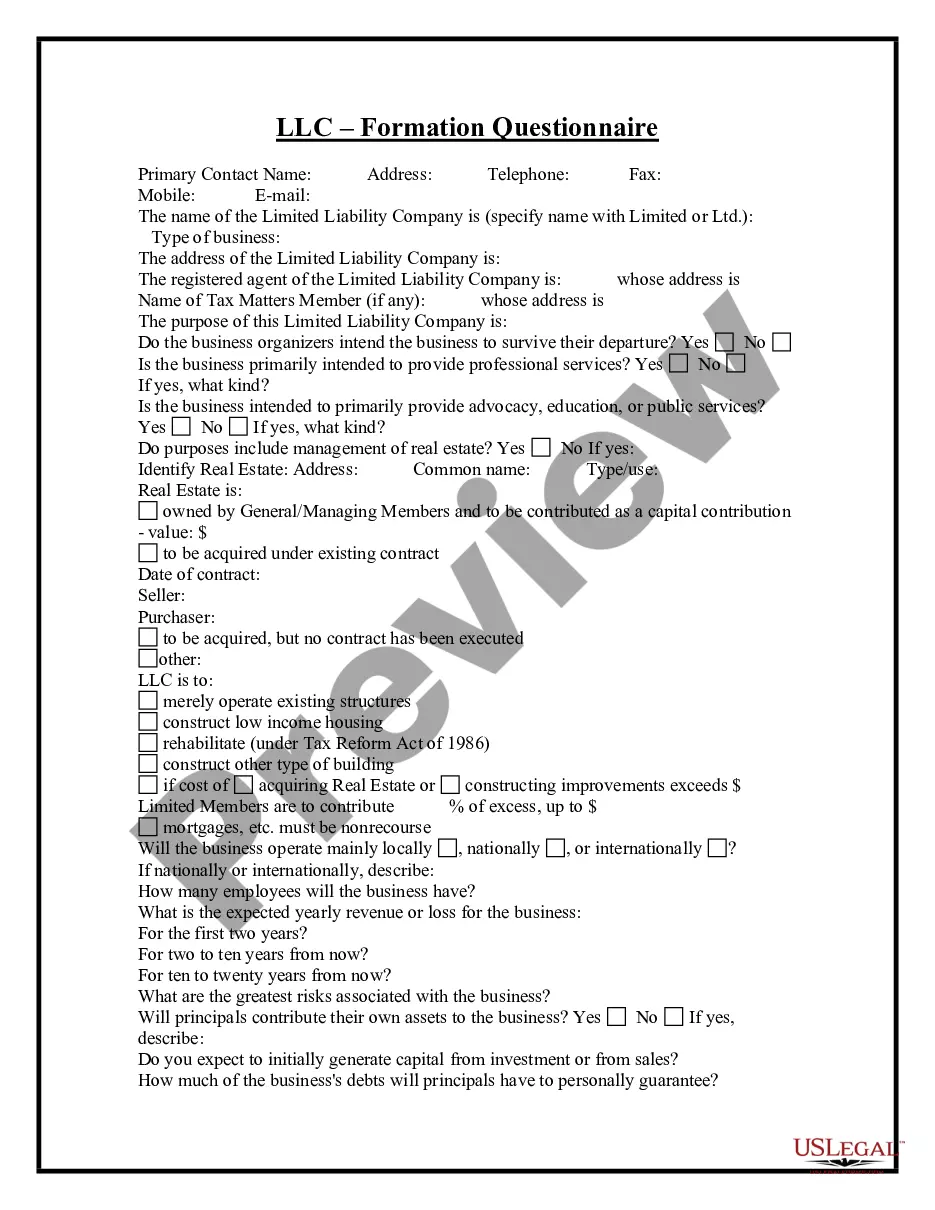
Get your form ready online
Our built-in tools help you complete, sign, share, and store your documents in one place.
Make edits, fill in missing information, and update formatting in US Legal Forms—just like you would in MS Word.
Download a copy, print it, send it by email, or mail it via USPS—whatever works best for your next step.
Sign and collect signatures with our SignNow integration. Send to multiple recipients, set reminders, and more. Go Premium to unlock E-Sign.
If this form requires notarization, complete it online through a secure video call—no need to meet a notary in person or wait for an appointment.
We protect your documents and personal data by following strict security and privacy standards.

Make edits, fill in missing information, and update formatting in US Legal Forms—just like you would in MS Word.

Download a copy, print it, send it by email, or mail it via USPS—whatever works best for your next step.

Sign and collect signatures with our SignNow integration. Send to multiple recipients, set reminders, and more. Go Premium to unlock E-Sign.

If this form requires notarization, complete it online through a secure video call—no need to meet a notary in person or wait for an appointment.

We protect your documents and personal data by following strict security and privacy standards.
Looking for another form?









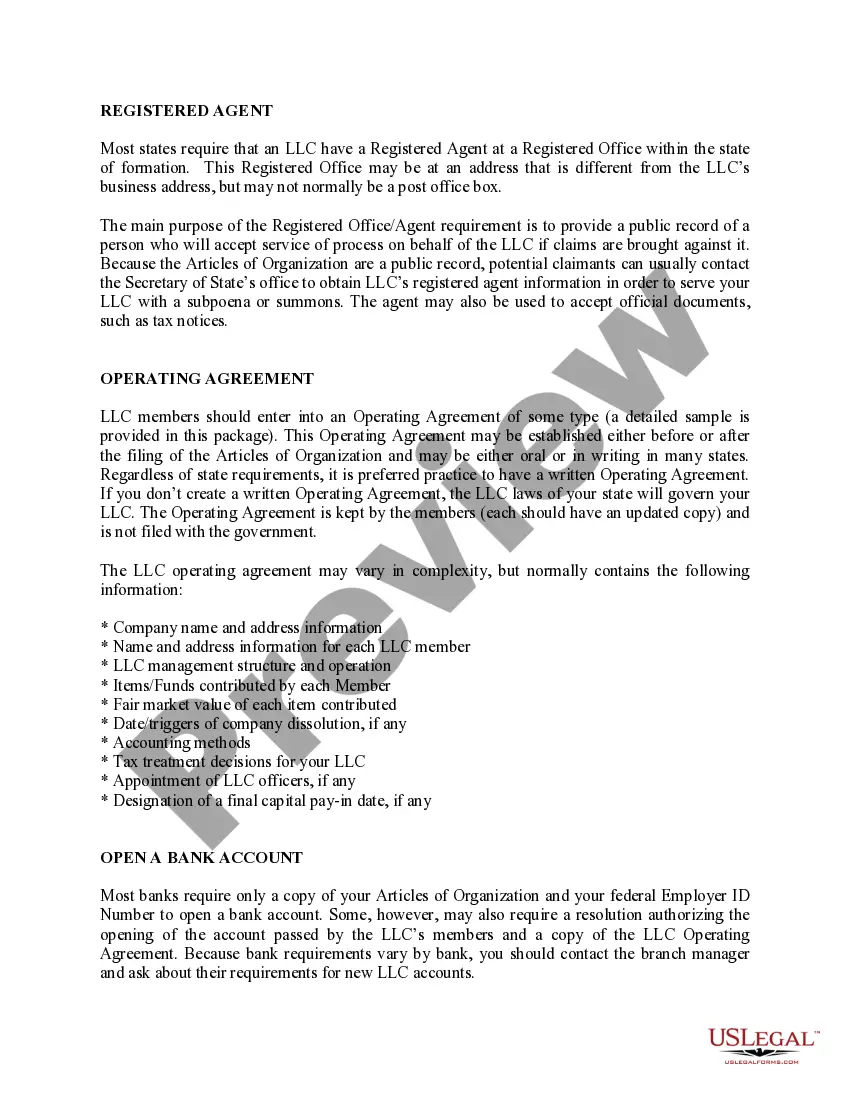
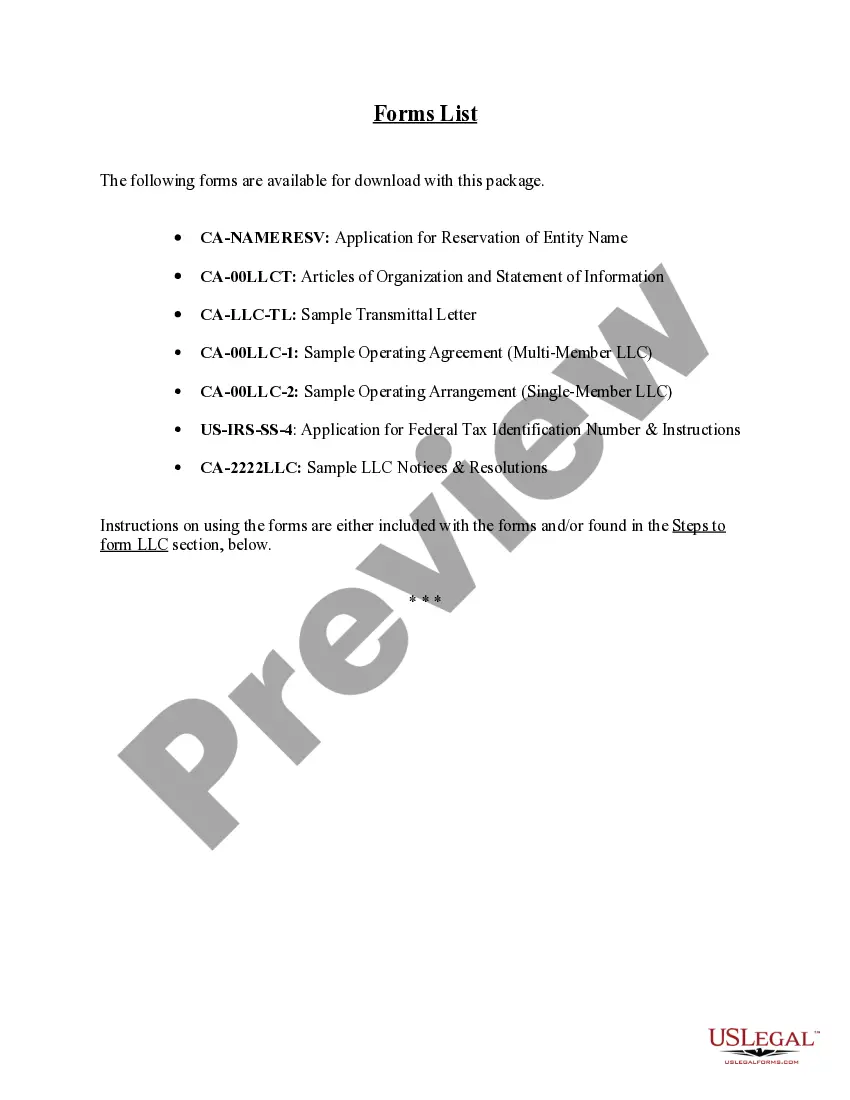
How to fill out California Limited Liability Company LLC Formation Package?
- Visit the US Legal Forms website and log in to your account. If you're a new user, you'll need to create an account to access the forms.
- Browse through the extensive library of over 85,000 legal forms. Use the search function to locate the specific LLC formation document you need based on your jurisdiction.
- Review the form description carefully to ensure it is suitable for your requirements before proceeding.
- Select the document and click the Buy Now button. Choose a subscription plan that best fits your needs.
- Complete your purchase by entering your payment details or using your PayPal account for secure transactions.
- Once your payment is confirmed, download the form directly to your device for immediate access.
After downloading, you can fill out the necessary details for your limited liability formation. Keep in mind that US Legal Forms provides access to expert assistance to help ensure your document is correctly completed.
Getting started with your limited liability formation doesn't have to be complicated. Empower yourself with US Legal Forms today, and ensure your business's legal protection is in place. Explore our library and take the first step towards your corporation's success!
Form popularity
FAQ
A good reason to form a limited liability corporation is the protection it offers against personal liability for business debts. By making this choice, you ensure that your personal assets, such as your home or savings, are safeguarded from business claims. This structure lends credibility to your business and can attract investors. Therefore, pursuing limited liability formation for a corporation is a strategic business move.
The main difference lies in the terminology and the legal structure. A limited liability corporation (LLC) is the correct term, while 'limited liability corporation' is often a misnomer. Both provide limited liability protection to owners, but they differ in their formation requirements and governance. Understanding the nuances is vital for successfully pursuing limited liability formation for a corporation.
You should consider forming an LLC when you want to separate your personal and business liabilities. This is particularly important if you engage in a venture that carries substantial risk. Additionally, forming an LLC can be beneficial for tax advantages and flexibility in management. Therefore, the timing is vital; doing it early can provide critical protections.
When defining the purpose of an LLC, clarity is key. You should specify what your business intends to do, which helps set the stage for its operations and structure. Common examples include retail sales, consulting services, or real estate investment. Ensuring this aligns with limited liability formation for a corporation is essential for compliance.
One significant advantage of limited liability formation for a corporation is that it protects your personal assets. If the business incurs debts or faces legal challenges, your personal finances generally remain safe. This separation is crucial for entrepreneurs concerned about risk. Thus, forming a corporation provides peace of mind, allowing you to focus on business growth.
To obtain a limited liability corporation, you must file the appropriate formation documents with your state, often called articles of incorporation. Additionally, you may need to create bylaws and apply for licenses if required. By choosing platforms like uslegalforms, you're equipped to navigate the limited liability formation for a corporation with confidence and ease.
To convert your LLC into a corporation, begin by reviewing your state’s conversion laws. You'll likely need to prepare and file articles of incorporation, along with other necessary documents. The limited liability formation for a corporation is a key factor in this process, and resources from uslegalforms can guide you through each step seamlessly.
You may consider moving your LLC to a corporation when your business scales and you seek more funding options. If you plan to issue stock or attract a larger investor base, forming a corporation may be beneficial. This transition aligns with the limited liability formation for a corporation, which can further protect your personal assets.
Yes, you can convert your LLC into a corporation through a formal process that varies by state. This process typically involves filing specific documents and paying fees. Utilizing a service like uslegalforms can simplify the limited liability formation for a corporation, ensuring that all legal requirements are met efficiently.
A corporation offers limited liability protection by separating personal assets from business debts. This means that, in most cases, your personal property cannot be used to repay business obligations. Therefore, the limited liability formation for a corporation helps safeguard your individual finances while allowing your business to thrive.