California Harmless Error Rule
Description
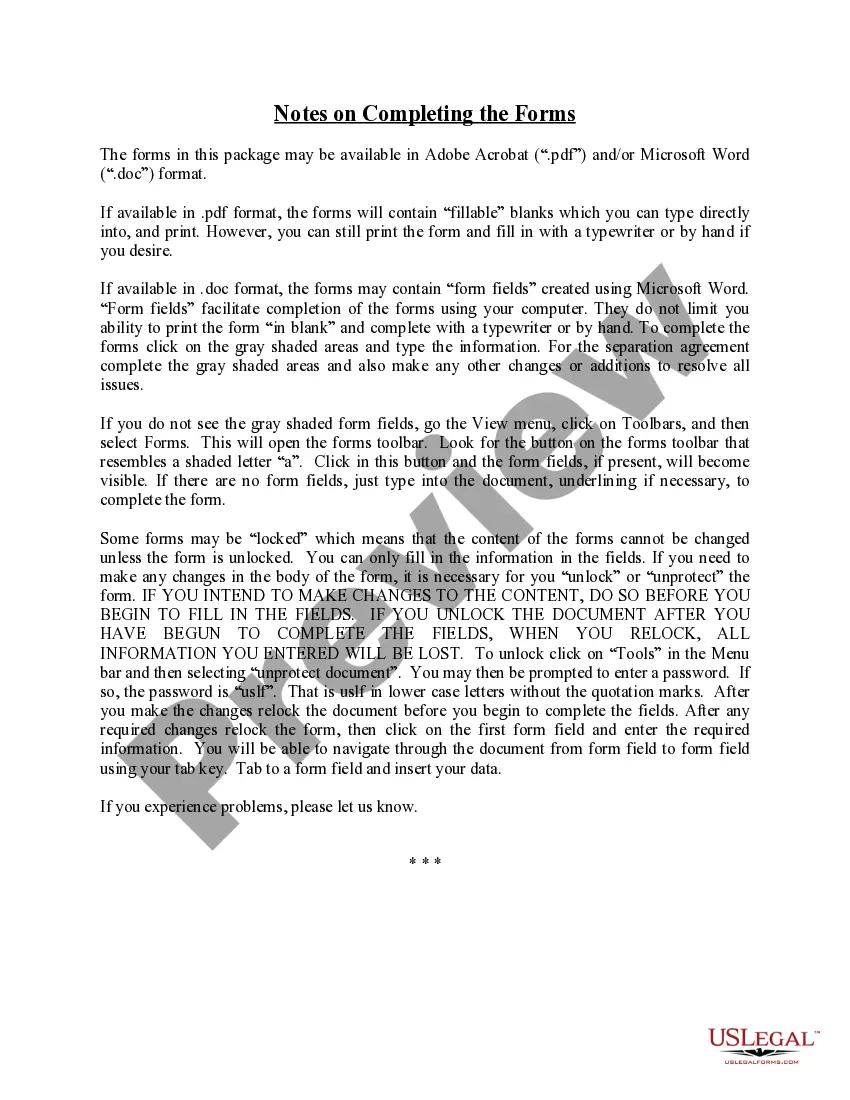
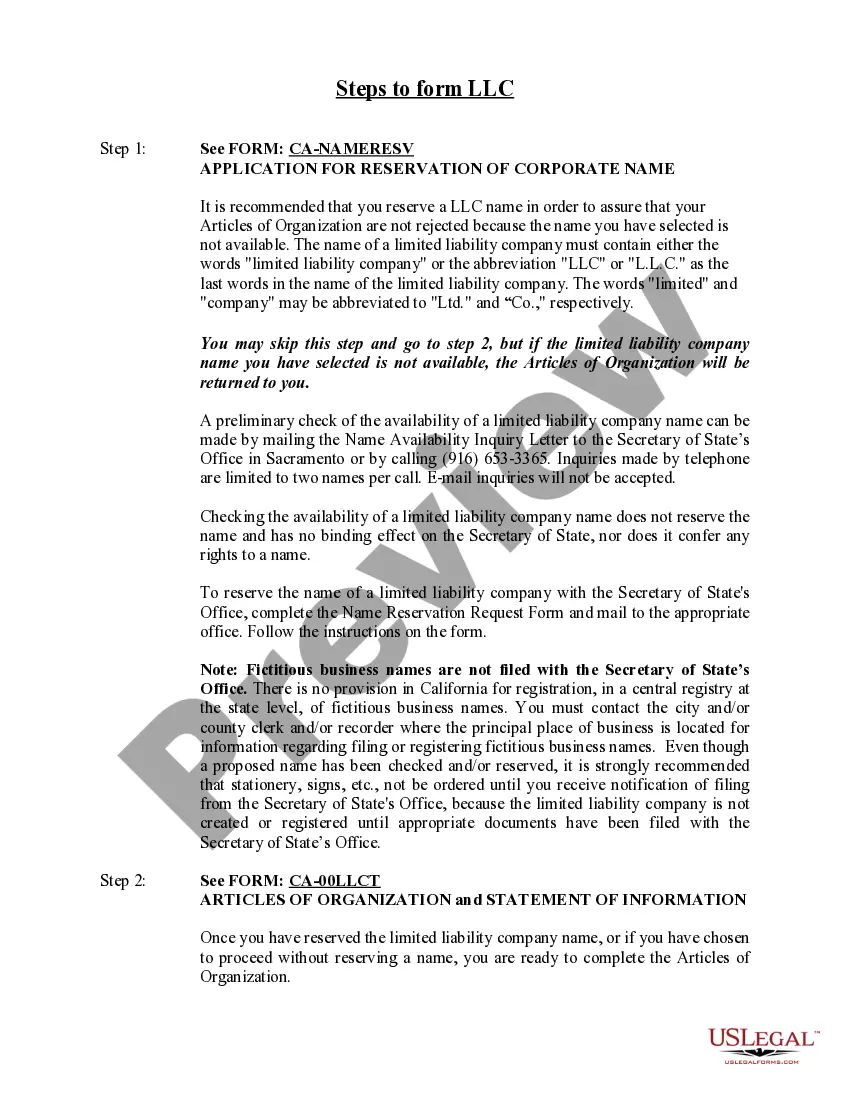

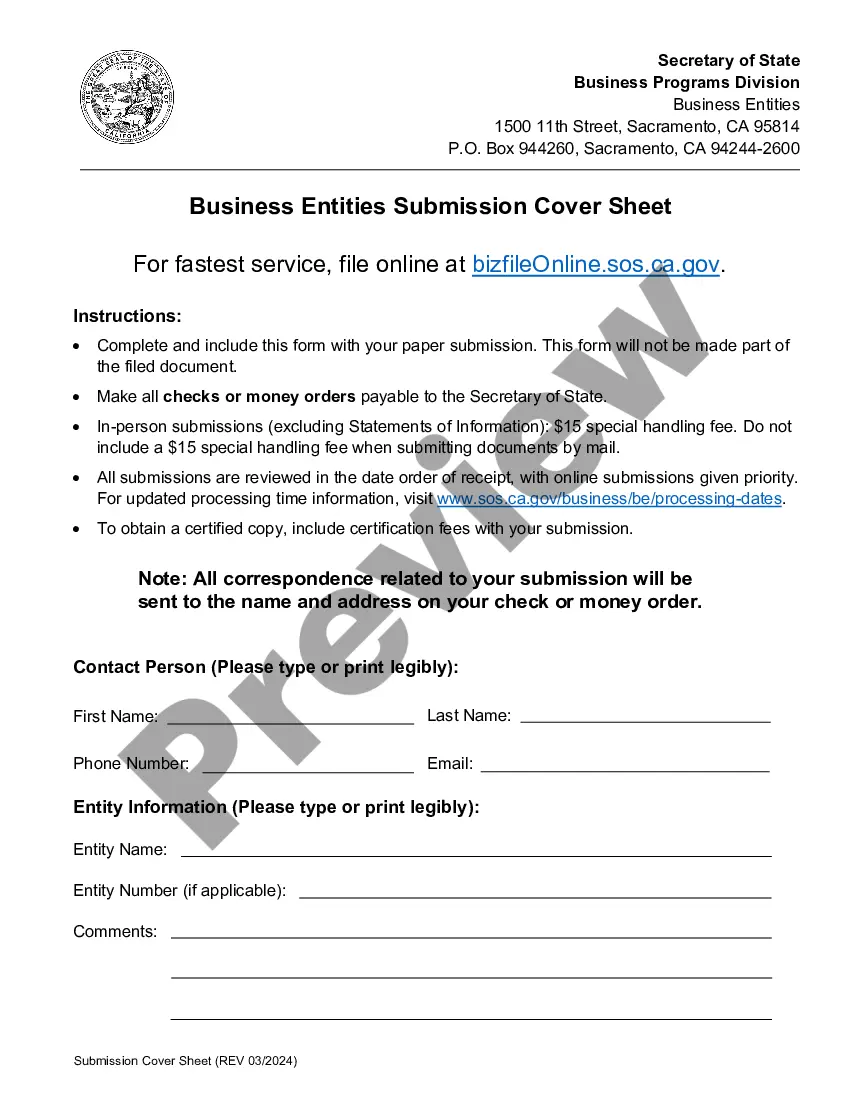
Get your form ready online
Our built-in tools help you complete, sign, share, and store your documents in one place.
Make edits, fill in missing information, and update formatting in US Legal Forms—just like you would in MS Word.
Download a copy, print it, send it by email, or mail it via USPS—whatever works best for your next step.
Sign and collect signatures with our SignNow integration. Send to multiple recipients, set reminders, and more. Go Premium to unlock E-Sign.
If this form requires notarization, complete it online through a secure video call—no need to meet a notary in person or wait for an appointment.
We protect your documents and personal data by following strict security and privacy standards.

Make edits, fill in missing information, and update formatting in US Legal Forms—just like you would in MS Word.

Download a copy, print it, send it by email, or mail it via USPS—whatever works best for your next step.

Sign and collect signatures with our SignNow integration. Send to multiple recipients, set reminders, and more. Go Premium to unlock E-Sign.

If this form requires notarization, complete it online through a secure video call—no need to meet a notary in person or wait for an appointment.

We protect your documents and personal data by following strict security and privacy standards.
Looking for another form?

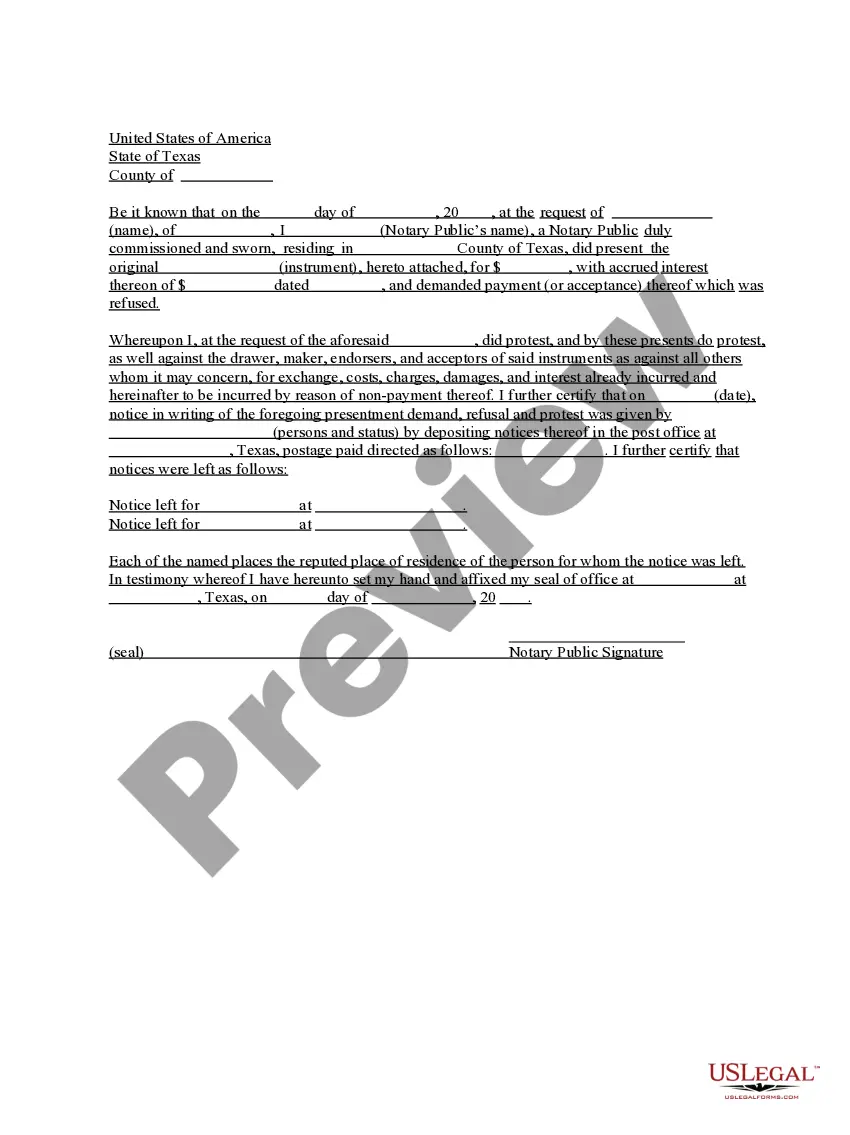

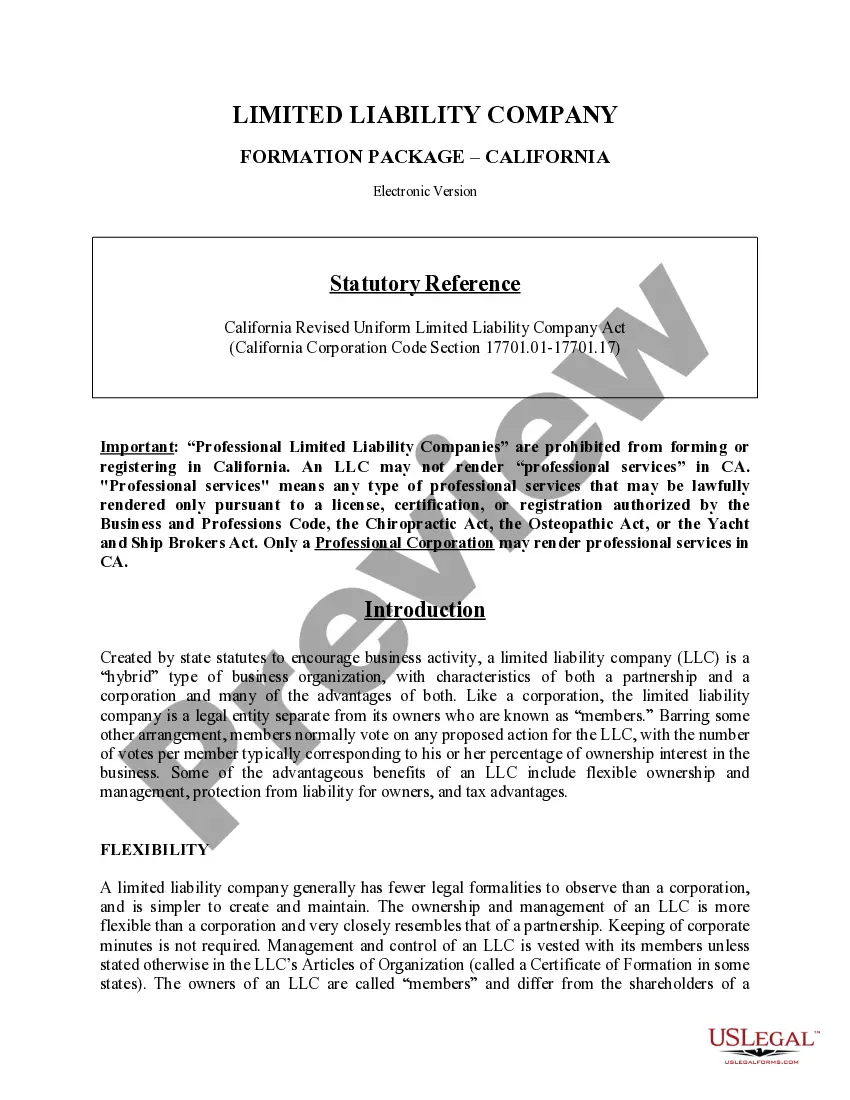
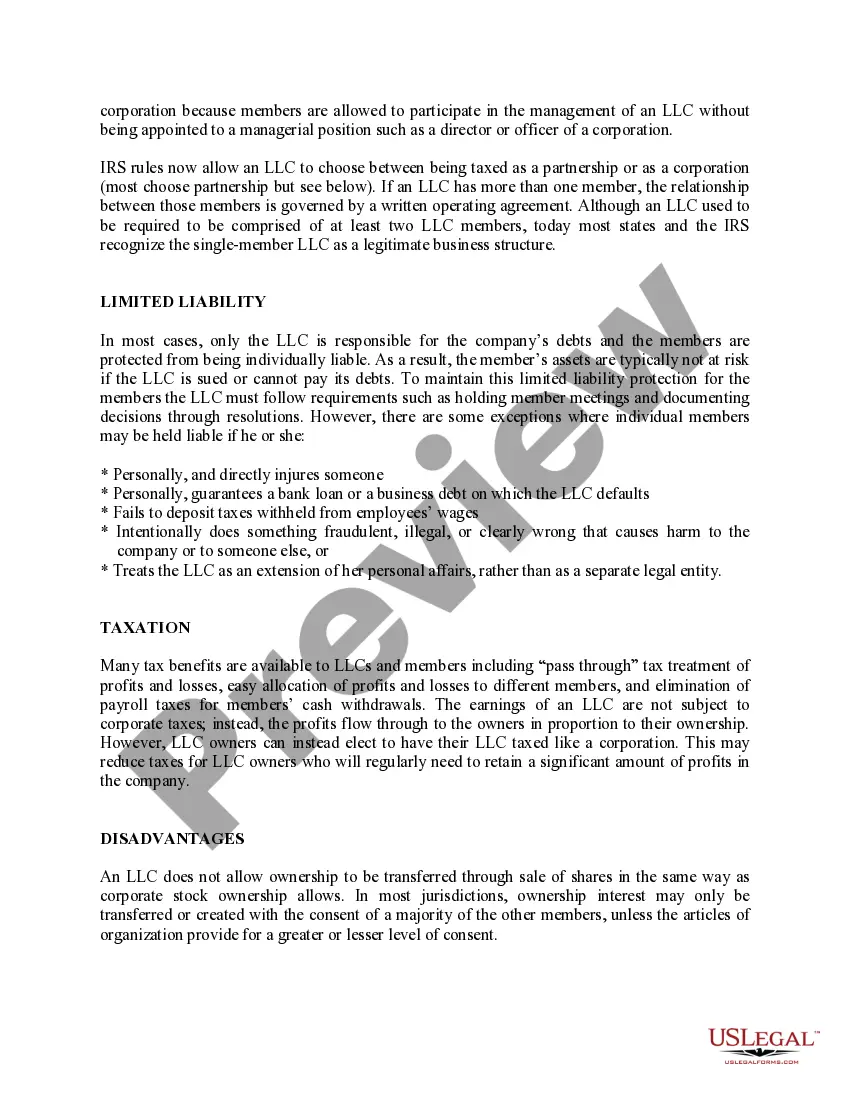
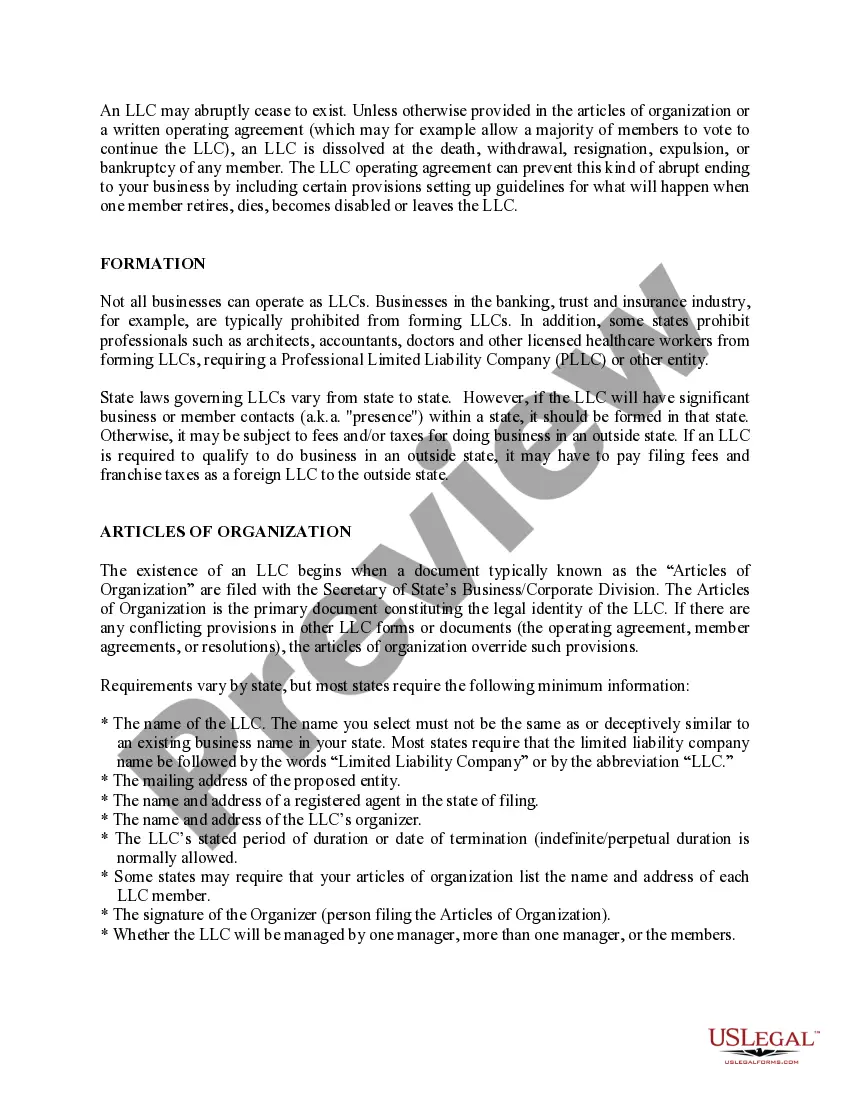
How to fill out California Limited Liability Company LLC Formation Package?
Securing a reliable source for obtaining the latest and suitable legal templates is half the battle of navigating bureaucracy.
Selecting the correct legal documents requires accuracy and meticulousness, which is why it is crucial to source samples of the California Harmless Error Rule exclusively from trustworthy providers, such as US Legal Forms. An incorrect template will squander your time and delay your situation. With US Legal Forms, you have minimal concerns.
After obtaining the form on your device, you can modify it using the editor or print it out and fill it in by hand. Remove the stress associated with your legal paperwork. Explore the extensive US Legal Forms collection where you can locate legal samples, verify their applicability to your situation, and download them instantly.
- Utilize the catalog navigation or search bar to find your template.
- Examine the form’s details to verify if it meets the criteria of your state and county.
- View the form preview, if accessible, to confirm the template is indeed what you need.
- Return to the search to locate the appropriate document if the California Harmless Error Rule does not fulfill your requirements.
- If you are certain about the form’s relevance, download it.
- If you are a registered user, click Log in to verify and access your selected forms in My documents.
- If you have not created an account yet, click Buy now to acquire the form.
- Choose the payment plan that aligns with your needs.
- Proceed to the registration to finalize your purchase.
- Complete your transaction by selecting a payment method (credit card or PayPal).
- Choose the document format for downloading the California Harmless Error Rule.
Form popularity
FAQ
Court of Appeal Applies the Harmless Error Rule When assessing whether a testator intended for a written instrument to be their will under the ?harmless error? rule, a probate court must look to (1) the words in the document itself, and (2) the circumstances surrounding its creation and execution.
A will can be declared invalid if its execution or revocation was procured by duress, menace, fraud, or undue influence. As an executor or estate planner, it's important to ensure that the testator is making or had made their will freely and without any form of coercion.
A codicil is an amendment to the will. A codicil must be executed with the same requirements as the execution requirements for a valid will, as outlined in the California Probate Code. A will cannot be updated by crossing out words, making notes, or adding handwritten corrections.
Court of Appeal Applies the Harmless Error Rule When assessing whether a testator intended for a written instrument to be their will under the ?harmless error? rule, a probate court must look to (1) the words in the document itself, and (2) the circumstances surrounding its creation and execution.
The Golden State adopted what I call ?partial? harmless error?a statute that can cure some deviations from the Wills Act but not others?in 2009. Thus, my research offers new insight into the costs and benefits of relaxing the formalities that govern the execution of wills.