Calc With Vh
Description
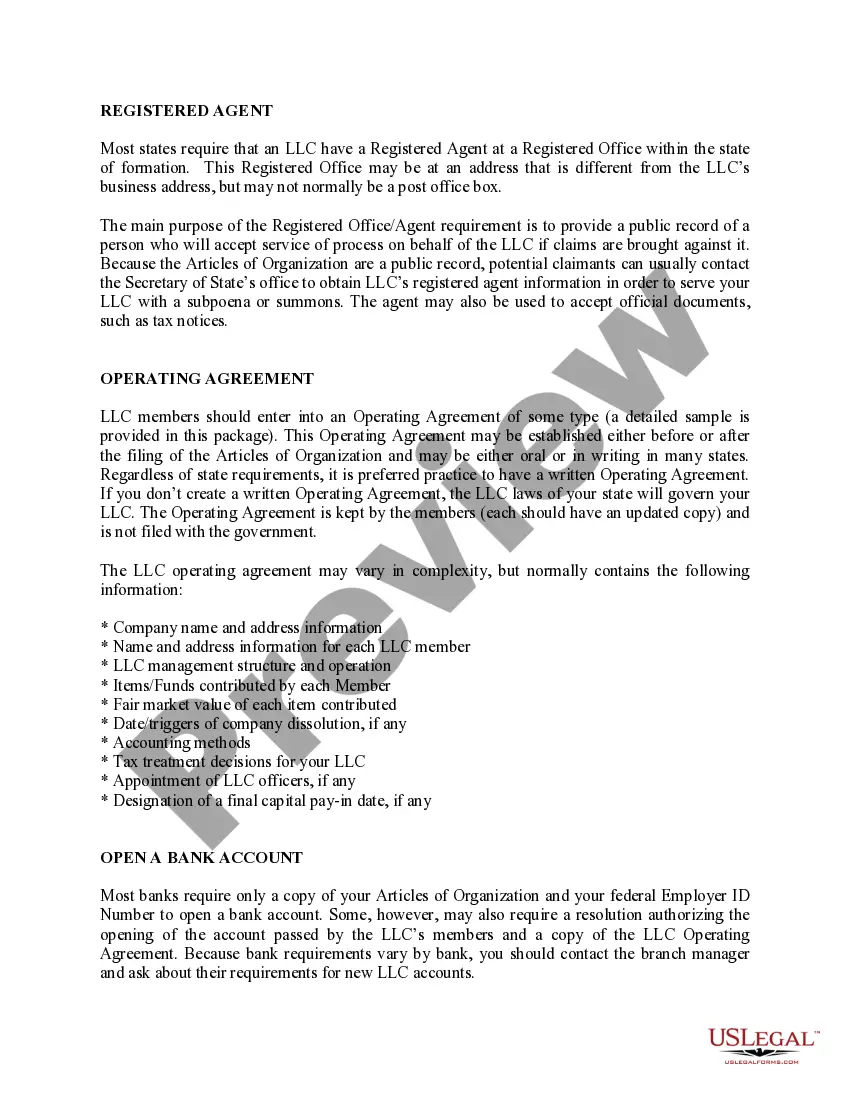



Get your form ready online
Our built-in tools help you complete, sign, share, and store your documents in one place.
Make edits, fill in missing information, and update formatting in US Legal Forms—just like you would in MS Word.
Download a copy, print it, send it by email, or mail it via USPS—whatever works best for your next step.
Sign and collect signatures with our SignNow integration. Send to multiple recipients, set reminders, and more. Go Premium to unlock E-Sign.
If this form requires notarization, complete it online through a secure video call—no need to meet a notary in person or wait for an appointment.
We protect your documents and personal data by following strict security and privacy standards.

Make edits, fill in missing information, and update formatting in US Legal Forms—just like you would in MS Word.

Download a copy, print it, send it by email, or mail it via USPS—whatever works best for your next step.

Sign and collect signatures with our SignNow integration. Send to multiple recipients, set reminders, and more. Go Premium to unlock E-Sign.

If this form requires notarization, complete it online through a secure video call—no need to meet a notary in person or wait for an appointment.

We protect your documents and personal data by following strict security and privacy standards.
Looking for another form?






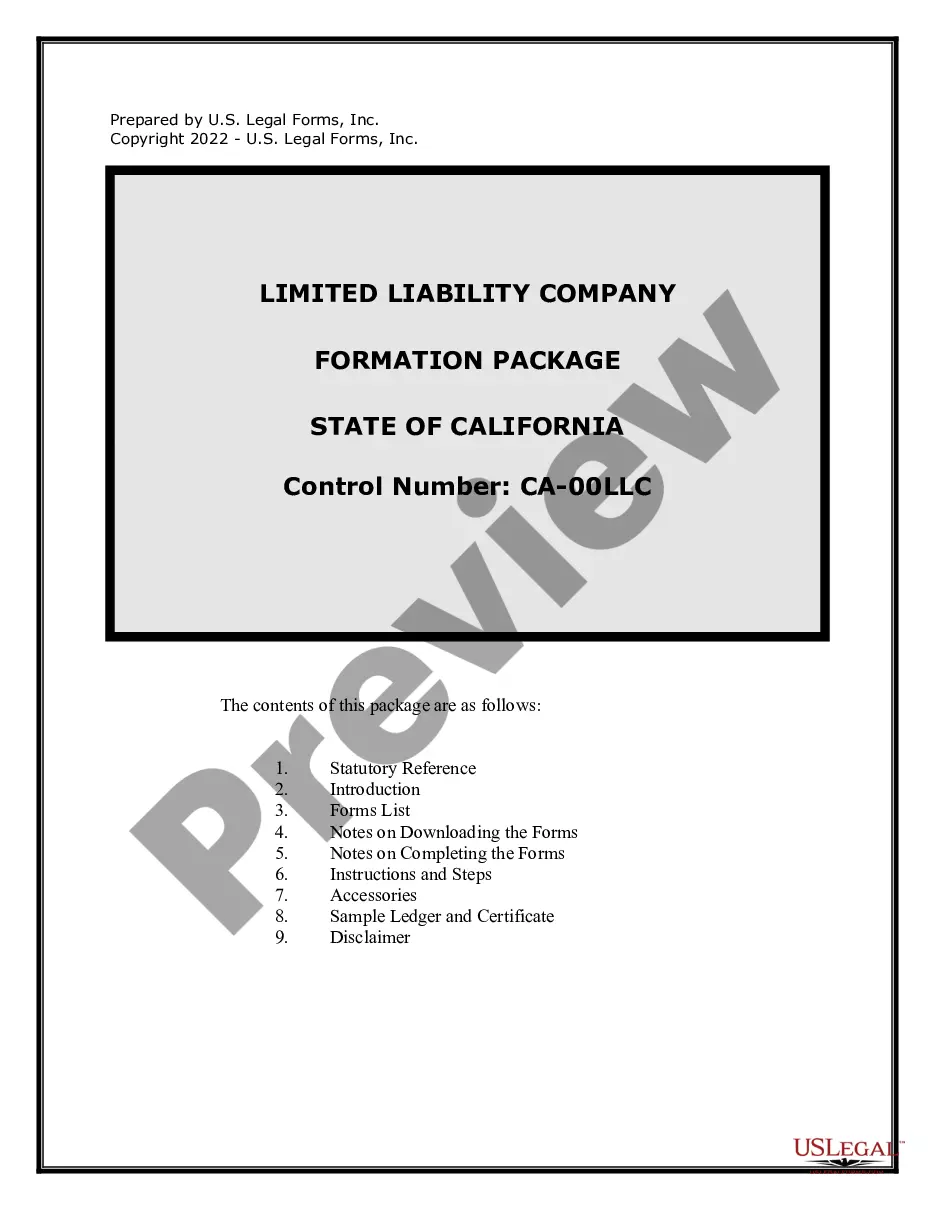
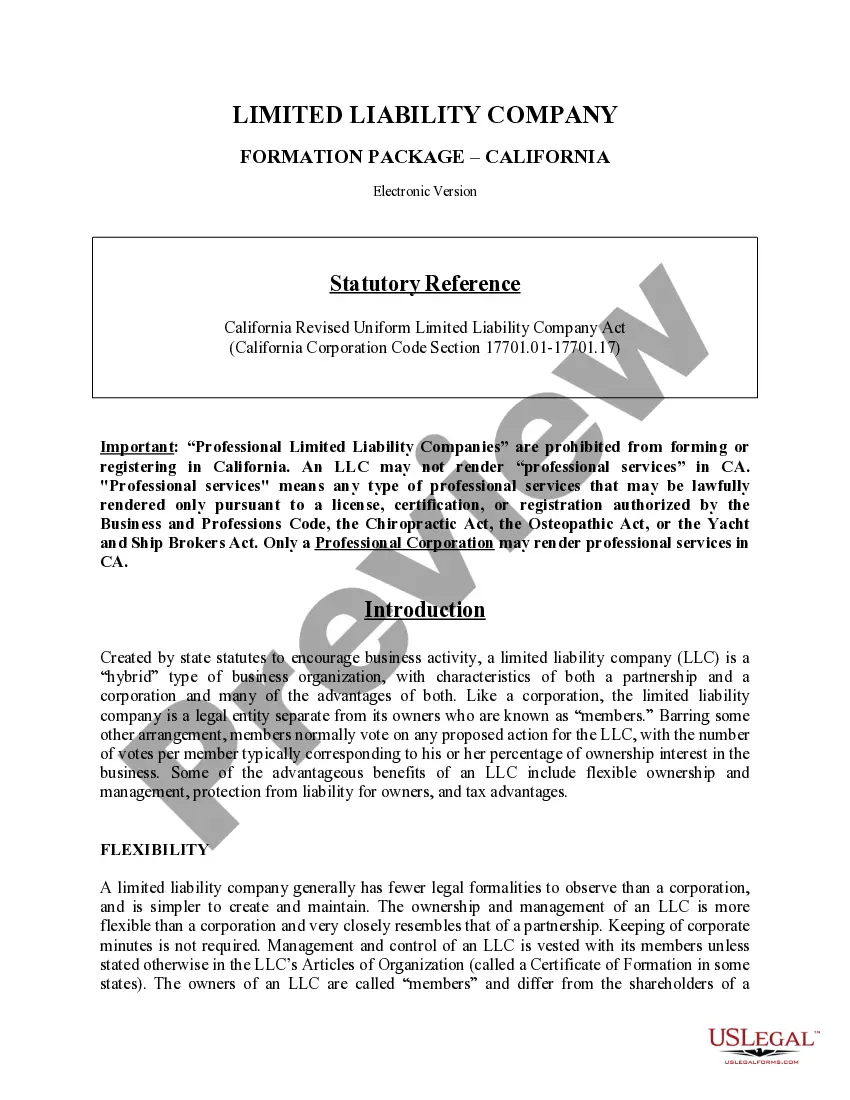
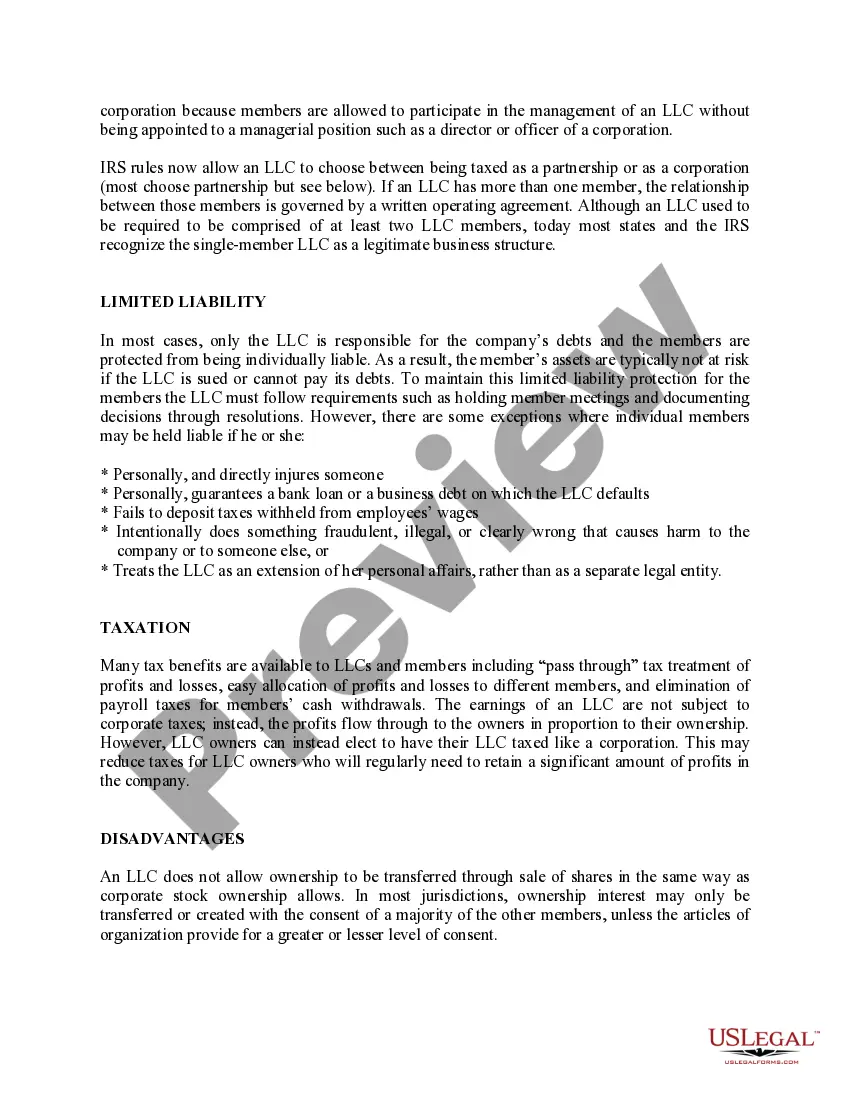
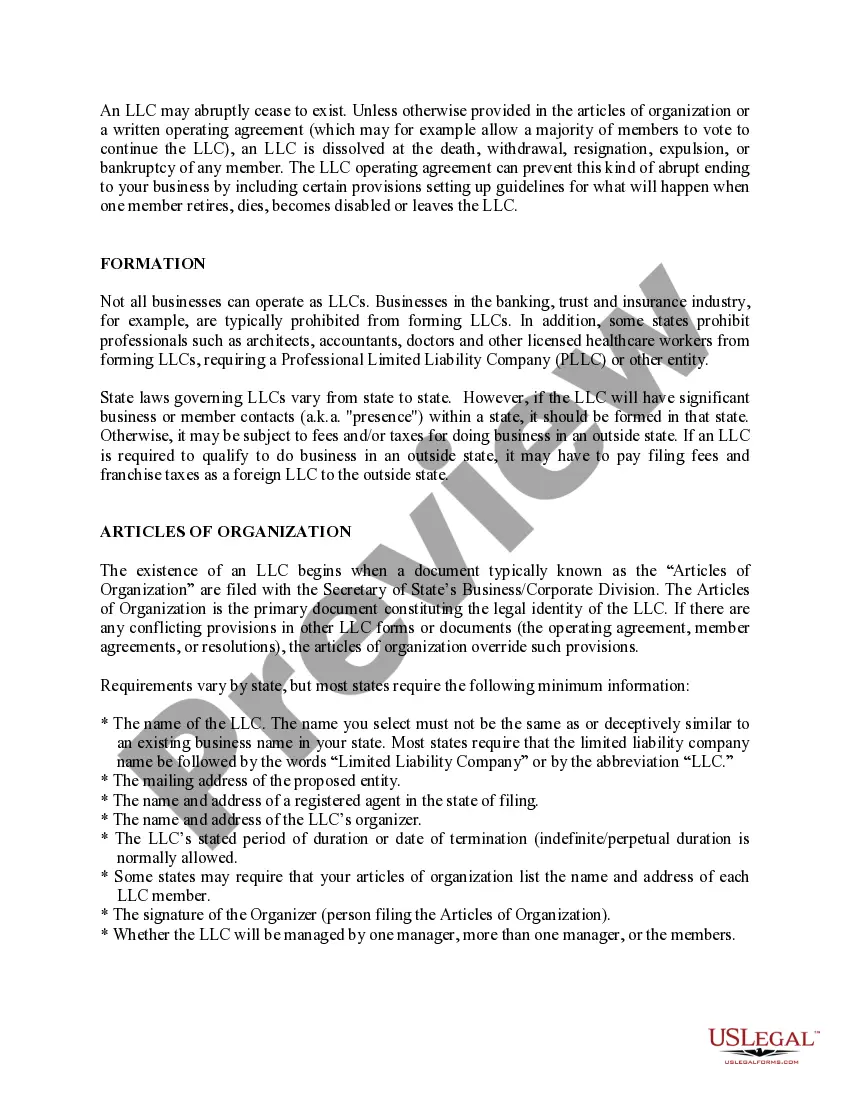
How to fill out California Limited Liability Company LLC Formation Package?
Regardless of whether it’s for professional reasons or personal issues, everyone has to handle legal matters at some point in their life. Completing legal documents requires meticulous attention, starting from selecting the appropriate form template. For instance, if you choose an incorrect version of the Calc With Vh, it will be rejected when submitted. Thus, it is crucial to have a reliable source of legal documents like US Legal Forms.
If you need to obtain a Calc With Vh template, follow these simple steps: Retrieve the template you need by using the search bar or catalog navigation. Review the form’s description to ensure it corresponds with your situation, state, and region. Click on the form’s preview to inspect it. If it is the wrong form, return to the search feature to locate the Calc With Vh sample you need. Download the file if it meets your specifications. If you possess a US Legal Forms account, click Log in to access previously saved documents in My documents. If you do not yet have an account, you can acquire the form by clicking Buy now. Select the appropriate pricing option. Complete the account registration form. Choose your payment method: you can use a credit card or PayPal account. Select the document format you prefer and download the Calc With Vh. Once downloaded, you can complete the form using editing software or print it out and finish it by hand.
- With a comprehensive US Legal Forms catalog available, you don't have to waste time searching for the suitable template online.
- Utilize the library’s user-friendly navigation to find the correct template for any circumstance.
Form popularity
FAQ
One of the most powerful applications of calc() is its combination with viewport units (vh, vw). With this, your design becomes truly responsive, adapting to the user's viewport. With this setup, your main content area will dynamically adapt to any changes in viewport height, always occupying the remaining space.
The calc() function makes use of four basic operators: Addition + : calc(50px + 50px) Subtraction ? : calc(100% - 30px) Division / : calc(100% / 2) Multiplication * : calc(100vh * 2)
Height: 100vh; means the height of this element is equal to 100% of the viewport height. example: height: 50vh; If your screen height is 1000px, your element height will be equal to 500px (50% of 1000px). height: calc(100% - 100px); will calculate the size of the element by using the value of the element.
To use vh and vw values, just type ?Nvh? or ?Nvw? (where ?N? represents the percentage of the viewport you'd like to cover) into any width or height field. So to cover 100% of the viewport, you'd set 100% for the width and 100vh for the height. To cover half of the viewport height, you'd set a height of 50vh.
When in a mobile browser (Chrome + Safari) the address bar is visible, the bottom of the screen gets cut off since mobile browsers incorrectly set 100vh to be the height of the screen without the address bar showing. A Better Solution: use height 100% instead of 100vh.