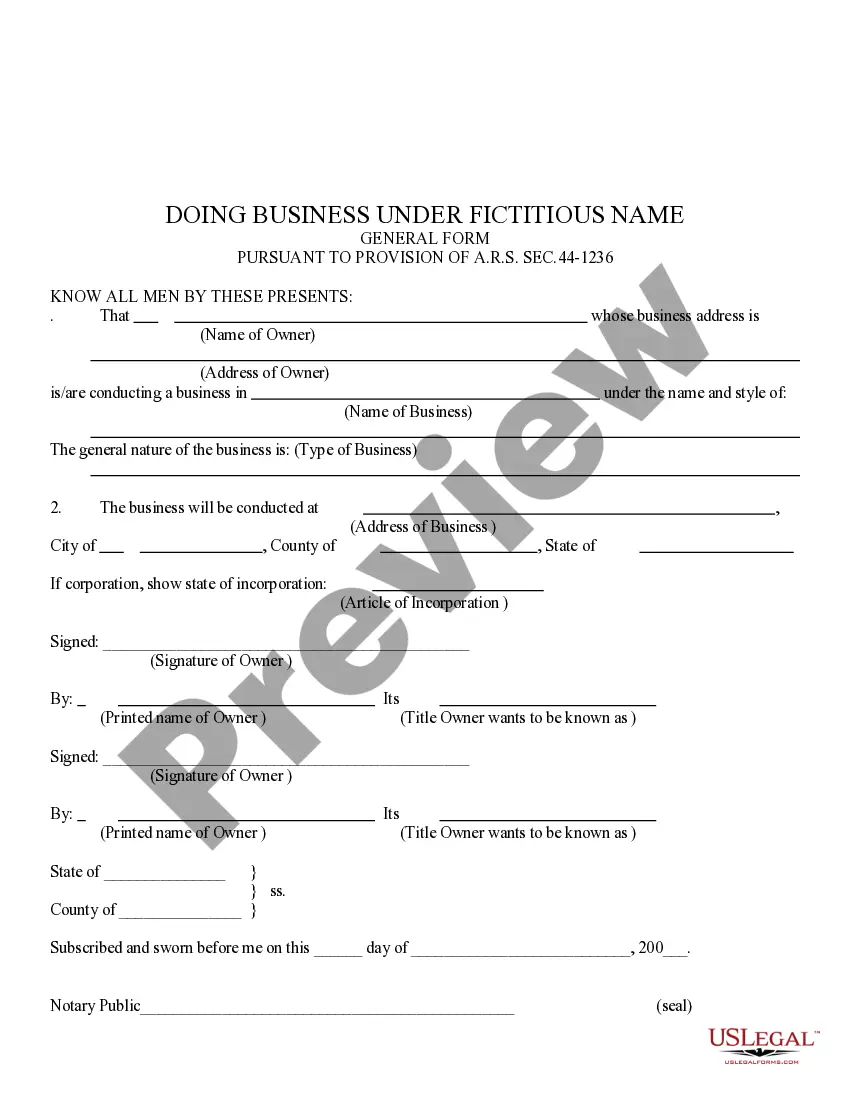
Ficticious Business
Description
Get your form ready online
Our built-in tools help you complete, sign, share, and store your documents in one place.
Make edits, fill in missing information, and update formatting in US Legal Forms—just like you would in MS Word.
Download a copy, print it, send it by email, or mail it via USPS—whatever works best for your next step.
Sign and collect signatures with our SignNow integration. Send to multiple recipients, set reminders, and more. Go Premium to unlock E-Sign.
If this form requires notarization, complete it online through a secure video call—no need to meet a notary in person or wait for an appointment.
We protect your documents and personal data by following strict security and privacy standards.

Make edits, fill in missing information, and update formatting in US Legal Forms—just like you would in MS Word.

Download a copy, print it, send it by email, or mail it via USPS—whatever works best for your next step.

Sign and collect signatures with our SignNow integration. Send to multiple recipients, set reminders, and more. Go Premium to unlock E-Sign.

If this form requires notarization, complete it online through a secure video call—no need to meet a notary in person or wait for an appointment.

We protect your documents and personal data by following strict security and privacy standards.
Looking for another form?


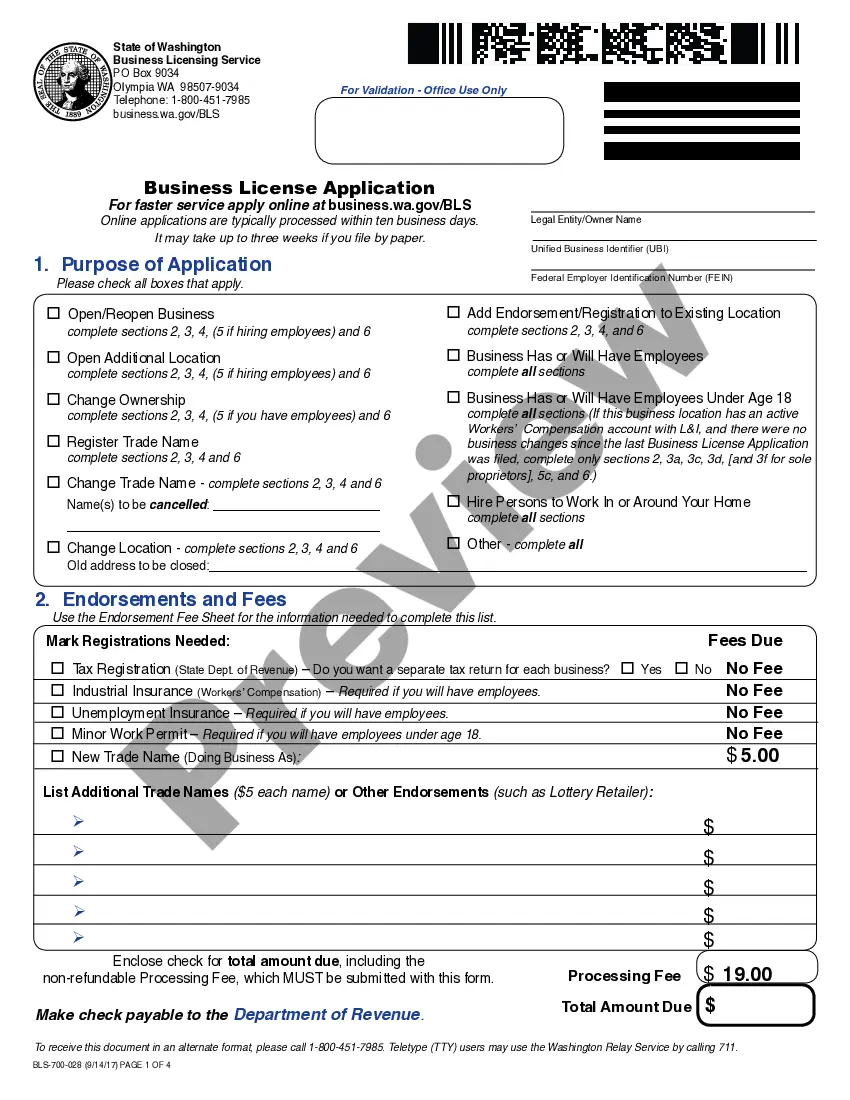


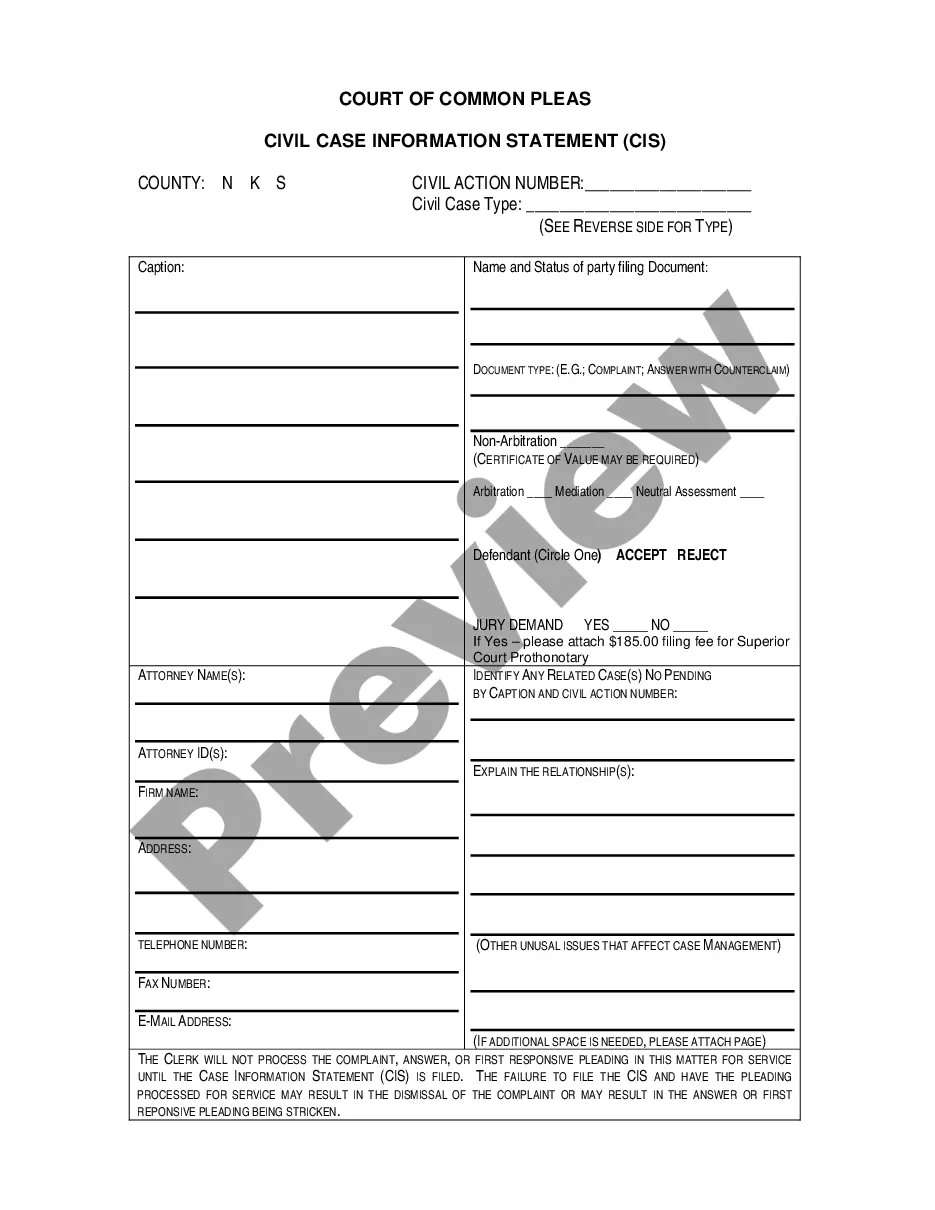

How to fill out Arizona Doing Business Under Fictitious Name?
- If you’re a returning user, log in to your account and download your desired template by clicking the Download button. Ensure your subscription remains active; if not, renew it per your payment plan.
- For first-time users, browse the Preview mode and form descriptions. Confirm you select the correct form that meets your specific needs and adheres to local jurisdiction requirements.
- If necessary, search for additional templates using the Search tab above. Once you find the appropriate form, move on to the next step.
- Purchase the document by clicking on the 'Buy Now' button and choosing a suitable subscription plan. You will need to create an account to access the full library.
- Complete your transaction by entering your credit card details or using your PayPal account to finalize your purchase.
- Download your form to your device, enabling you to fill it out later. You can also access it anytime through the My Forms section of your profile.
In conclusion, US Legal Forms offers a robust collection of templates and access to premium experts, making it an invaluable tool for managing your fictitious business’s legal needs.
Start your journey today and experience the ease of accessing legal forms with US Legal Forms!
Form popularity
FAQ
No, a fictitious name is not the same as an LLC. A fictitious business name serves as a branding tool, allowing you to operate under a name that differs from your legal business name. An LLC is a legal structure that offers significant benefits, including liability protection and tax advantages, making it essential to understand their distinct purposes in business.
A fictitious name is simply a name under which a business operates, and it does not offer any legal protections. An LLC, on the other hand, is a legally recognized entity that provides liability protections for its owners. While a fictitious name can be part of your LLC's branding, the key difference lies in the legal structure and protections each offers.
Choosing between an LLC and a DBA depends on your business goals. An LLC offers personal liability protection and can provide a more formal structure for your business. In contrast, a DBA is simpler to set up and can be sufficient for those not seeking liability protection. Ultimately, consider your business needs when making the decision.
A DBA, or 'doing business as,' is essentially another term for a fictitious business name. Both allow a business owner to operate under a name that is not their legal name. However, the primary distinction lies in the terminology used in different jurisdictions; some states may exclusively use 'fictitious name' or 'DBA' to refer to the same concept.
Yes, you can transition from using a fictitious business name to forming a Limited Liability Company (LLC). This process involves officially registering your LLC while retaining the fictitious name. By doing so, you can benefit from the liability protections that an LLC provides, while still using the recognizable brand name you established.
A fictitious business name allows you to operate a business under a name that is different from your personal name or your legal business name. This can enhance your brand visibility and marketing efforts. Furthermore, it helps to create a unique identity in the marketplace, making it easier for customers to find and recognize your business.
A fictitious business refers to any name that a company uses that does not match its registered business name. This allows businesses to create a unique identity and market themselves more effectively. Understanding what a fictitious business name is can help you make informed decisions when registering and branding your company. Platforms like USLegalForms offer resources to guide you through the registration process of a fictitious name.
No, an LLC itself is not a fictitious business name. The LLC is a recognized legal structure that offers liability protection to its owners. However, if an LLC chooses to operate under a different name than its legal name, that name would be considered fictitious. It is important to differentiate between the two to maintain legal compliance in your business operations.
An example of a fictitious business name could be 'Sunny Skies Landscaping' if your registered business name is 'John Doe LLC'. This name is distinct and helps customers identify your services easily. Fictitious names serve as marketing tools, allowing you to create a brand that resonates with your target audience.
If you operate your LLC under a name different from its registered name, then you will need a DBA, or 'doing business as'. This fictitious business name allows you to conduct business under a more recognizable title. Having a DBA helps enhance your brand visibility, while also ensuring compliance with state regulations.