Tenancy Property Agreement With Landlord
Description
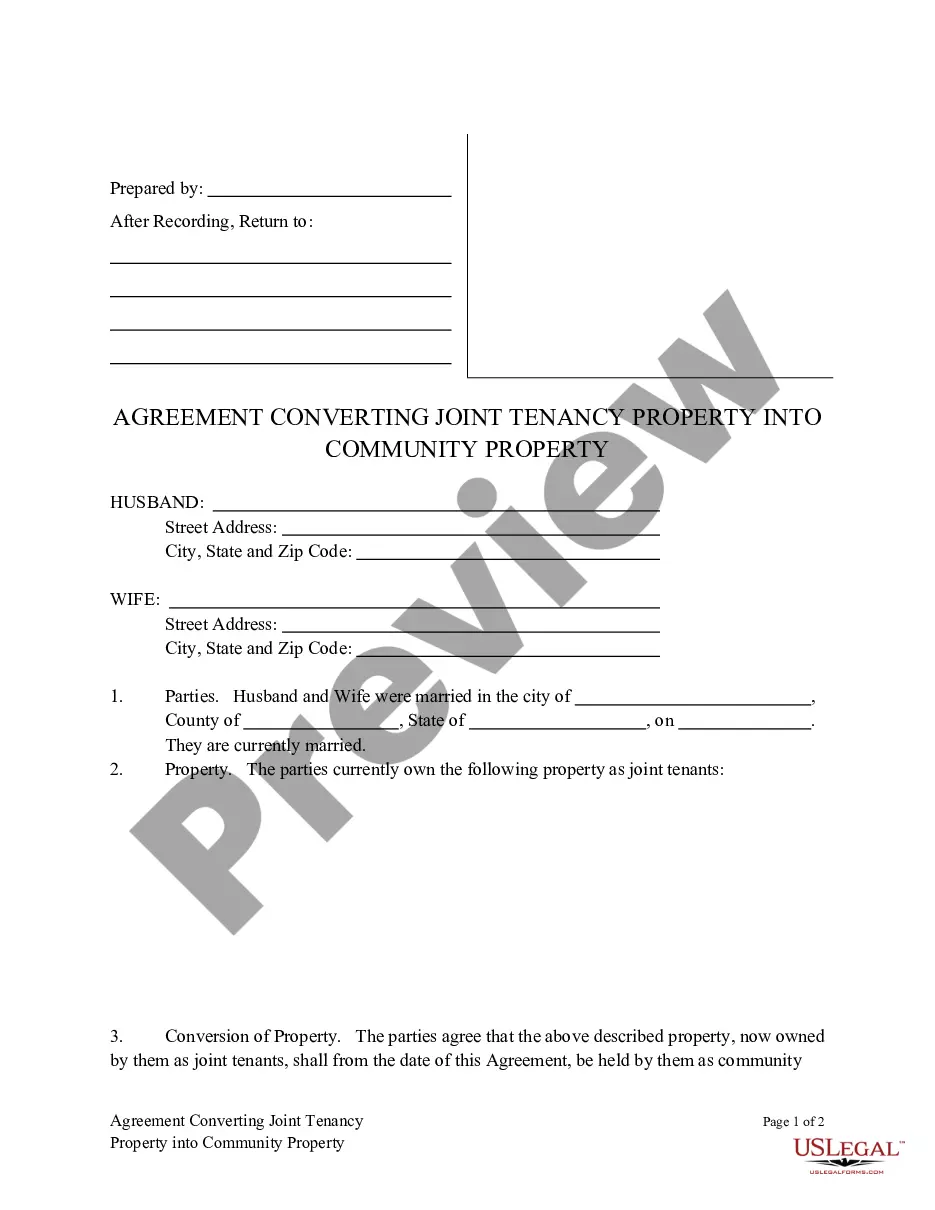
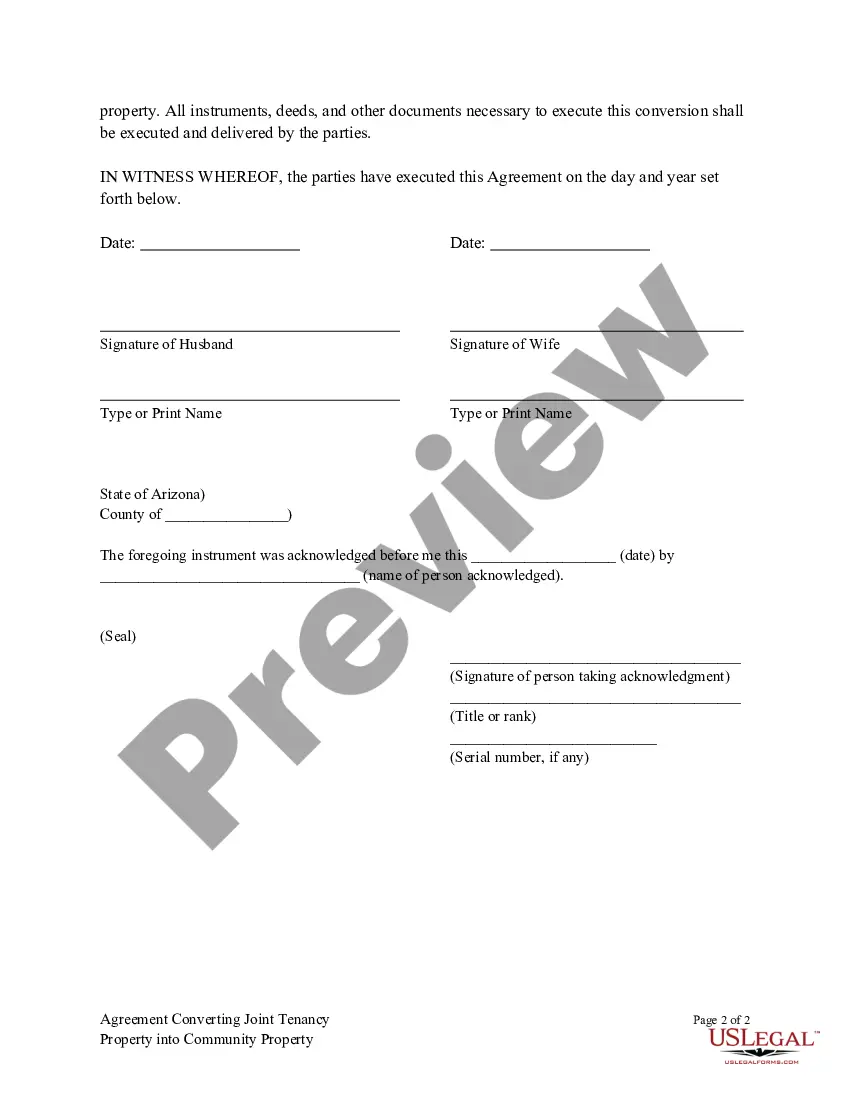
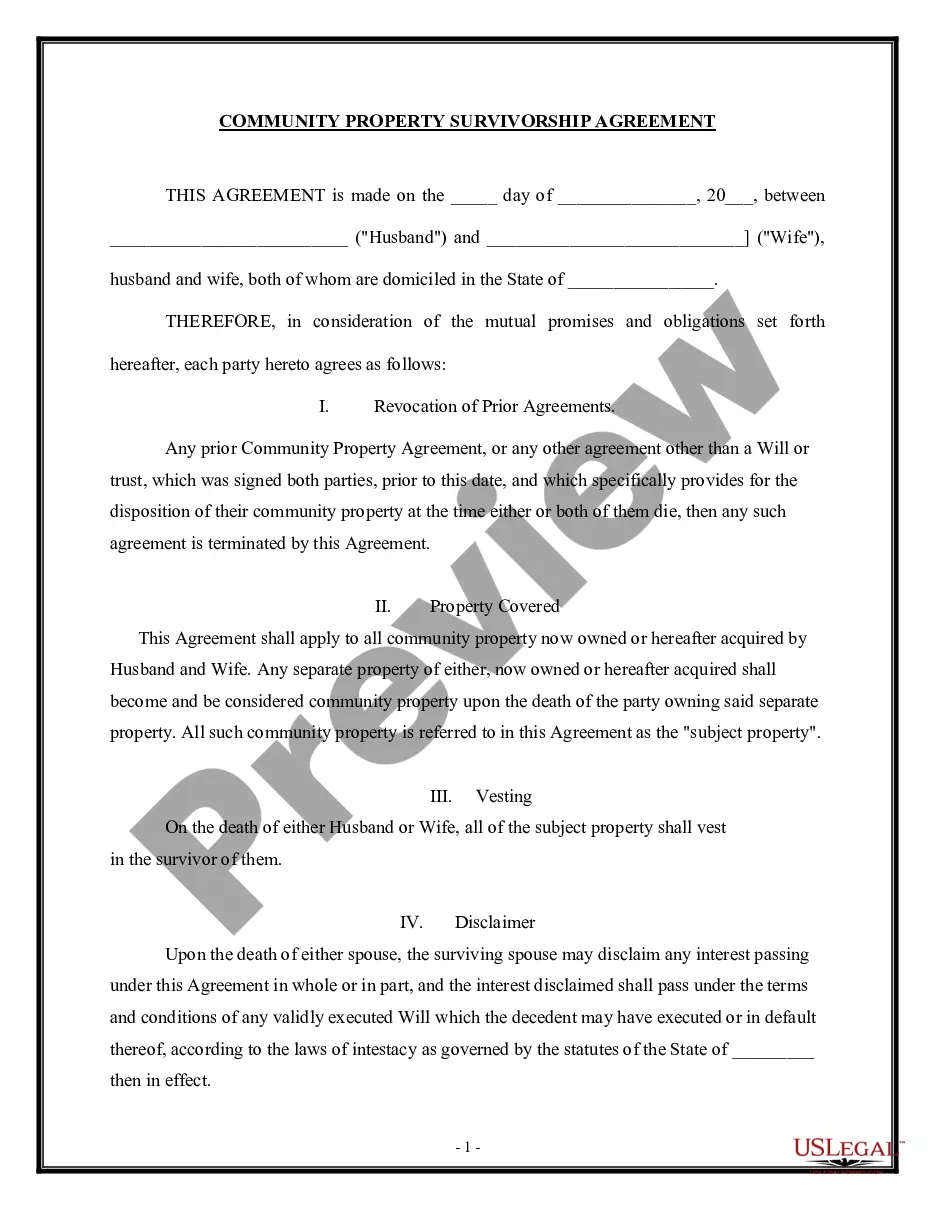
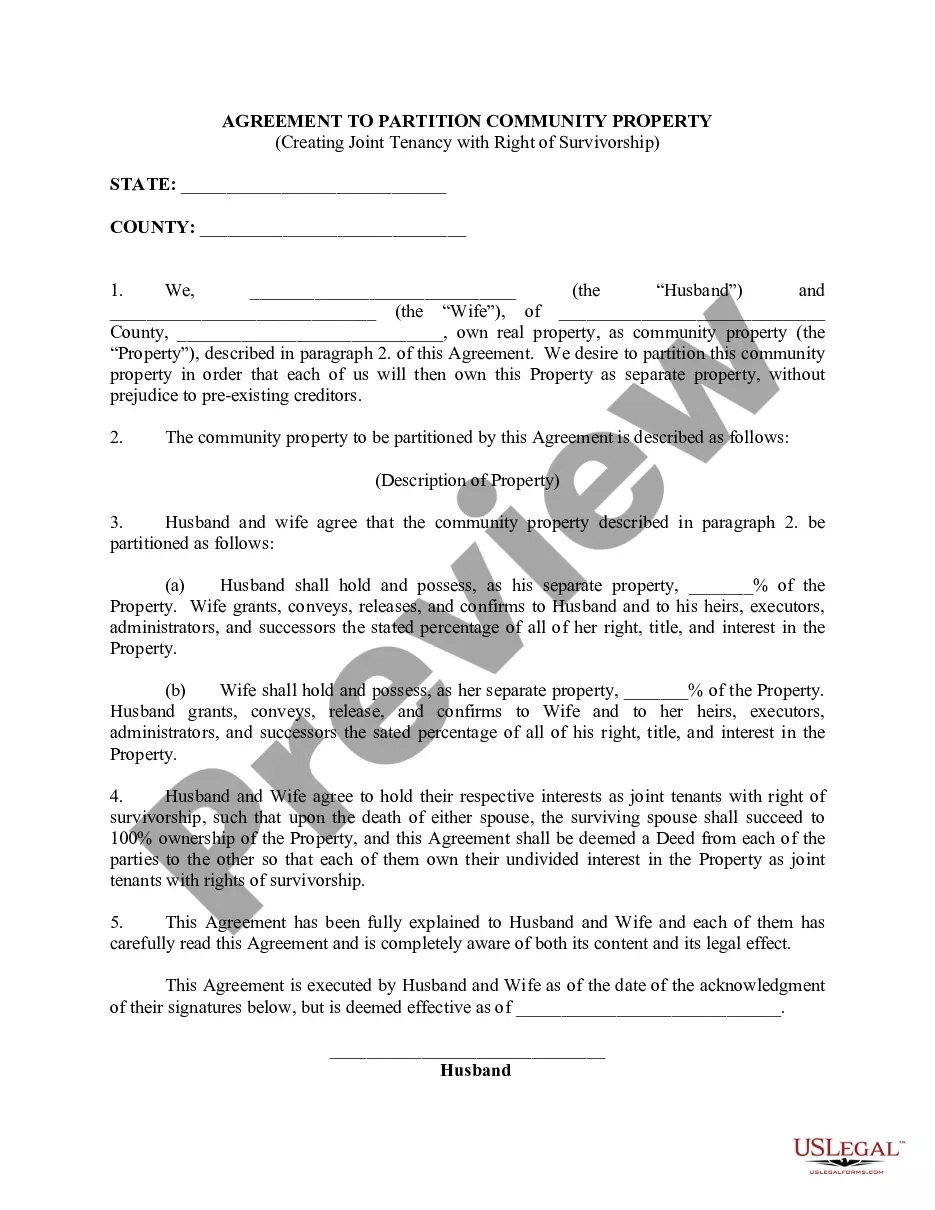
Get your form ready online
Our built-in tools help you complete, sign, share, and store your documents in one place.
Make edits, fill in missing information, and update formatting in US Legal Forms—just like you would in MS Word.
Download a copy, print it, send it by email, or mail it via USPS—whatever works best for your next step.
Sign and collect signatures with our SignNow integration. Send to multiple recipients, set reminders, and more. Go Premium to unlock E-Sign.
If this form requires notarization, complete it online through a secure video call—no need to meet a notary in person or wait for an appointment.
We protect your documents and personal data by following strict security and privacy standards.

Make edits, fill in missing information, and update formatting in US Legal Forms—just like you would in MS Word.

Download a copy, print it, send it by email, or mail it via USPS—whatever works best for your next step.

Sign and collect signatures with our SignNow integration. Send to multiple recipients, set reminders, and more. Go Premium to unlock E-Sign.

If this form requires notarization, complete it online through a secure video call—no need to meet a notary in person or wait for an appointment.

We protect your documents and personal data by following strict security and privacy standards.
Looking for another form?



How to fill out Arizona Agreement Converting Joint Tenancy Property Into Community Property - Deed?
- Log in to your US Legal Forms account if you have one. Ensure your subscription is active; if not, renew it based on your payment plan.
- Browse the form description and preview mode to confirm it suits your needs.
- Use the search feature to locate alternative templates if necessary, ensuring they align with your local jurisdiction.
- Choose the correct document by clicking the Buy Now button; select your preferred subscription plan and create an account to access resources.
- Complete your purchase by entering your payment information or using your PayPal account.
- Download the tenancy property agreement template to your device and access it later from the My Forms section in your account.
Using US Legal Forms simplifies the process of preparing legal documents. Their extensive library offers over 85,000 forms, ensuring you find precisely what you need. Plus, you can consult with premium experts for guidance on form completion, giving you confidence in your documents.
In conclusion, securing your tenancy property agreement with landlord through US Legal Forms streamlines the entire process while providing valuable resources. Start today and ensure your rental arrangements are legally sound!
Form popularity
FAQ
To write a notice from a tenant to a landlord, start with a clear subject line and state the purpose, such as a request for repairs or notice to vacate. Include your name, address, the date, and pertinent details from the tenancy property agreement with landlord. Keep the tone professional and concise, while ensuring all necessary information is included. Using a template can simplify this process and ensure you cover all key points.
In Tennessee, landlords cannot retaliate against tenants for exercising their legal rights, such as reporting code violations. They also cannot lock out tenants or take possession of the property without a court order. Awareness of these restrictions is key for anyone involved in a tenancy property agreement with landlord. It helps protect tenants and ensures compliance with state laws.
Landlords in Tennessee have several rights, including the right to collect rent, access their property under certain conditions, and evict tenants for legitimate reasons. They also have the right to maintain the property, ensuring it meets safety standards. Understanding these rights is vital when drafting a tenancy property agreement with landlord. This clarity helps in establishing a productive landlord-tenant relationship.
The new landlord law in Tennessee emphasizes tenants' rights regarding repairs and security deposits. It aims to streamline processes between landlords and tenants, fostering a better rental experience. Reviewing the updated tenancy property agreement with landlord ensures that both parties are aware of their obligations and rights. The law supports fairness in the rental process, making it easier for everyone.
Landlords in Tennessee are generally not responsible for damages caused by tenants' negligence. They also do not have to handle maintenance for issues resulting from tenant misuse. Understanding these responsibilities is crucial when entering into a tenancy property agreement with landlord. This knowledge helps prevent disputes and sets clear expectations.
In Tennessee, a tenant can refuse entry to the landlord if the landlord does not provide proper notice. According to the tenancy property agreement with landlord, a reasonable notice period is typically 24 hours. However, in emergencies, landlords may enter without notice. Tenants should review their agreement to understand specific terms.
Yes, you can write an agreement without a lawyer. Many people choose to draft their own tenancy property agreement with landlord using templates available online. However, take care to include all essential terms and protections. USLegalForms offers user-friendly templates to help you create a solid agreement.
You do not need a lawyer to write a rental agreement, but creating one without proper knowledge can lead to issues. A clear tenancy property agreement with landlord protects both parties and outlines respective rights and obligations. Consider using reliable templates from USLegalForms to ensure your agreement covers all necessary elements.
Verbal rental agreements can be difficult to enforce in court. It's always better to have a written tenancy property agreement with landlord to clarify obligations and expectations. Written agreements provide clear evidence of the terms, reducing misunderstandings. If you have a verbal agreement, consider formalizing it using a template from USLegalForms.
While you don't need a lawyer for a rental agreement, legal advice could be beneficial, especially for complex situations. A well-drafted tenancy property agreement with landlord can mitigate future conflicts. If you're unsure about legal terms, consider consulting a lawyer or using comprehensive templates from USLegalForms.