Lease Term
Description
Get your form ready online
Our built-in tools help you complete, sign, share, and store your documents in one place.
Make edits, fill in missing information, and update formatting in US Legal Forms—just like you would in MS Word.
Download a copy, print it, send it by email, or mail it via USPS—whatever works best for your next step.
Sign and collect signatures with our SignNow integration. Send to multiple recipients, set reminders, and more. Go Premium to unlock E-Sign.
If this form requires notarization, complete it online through a secure video call—no need to meet a notary in person or wait for an appointment.
We protect your documents and personal data by following strict security and privacy standards.

Make edits, fill in missing information, and update formatting in US Legal Forms—just like you would in MS Word.

Download a copy, print it, send it by email, or mail it via USPS—whatever works best for your next step.

Sign and collect signatures with our SignNow integration. Send to multiple recipients, set reminders, and more. Go Premium to unlock E-Sign.

If this form requires notarization, complete it online through a secure video call—no need to meet a notary in person or wait for an appointment.

We protect your documents and personal data by following strict security and privacy standards.
Looking for another form?


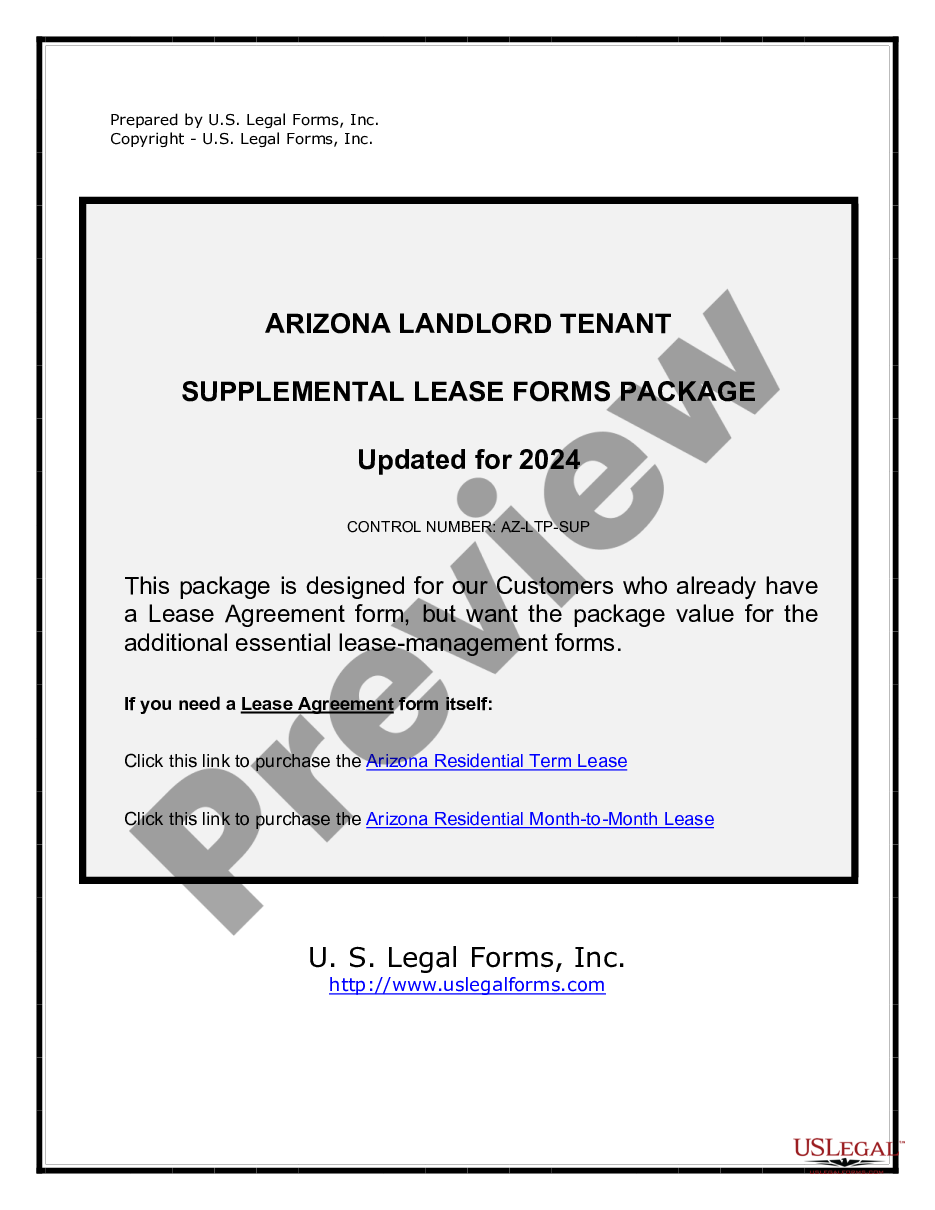
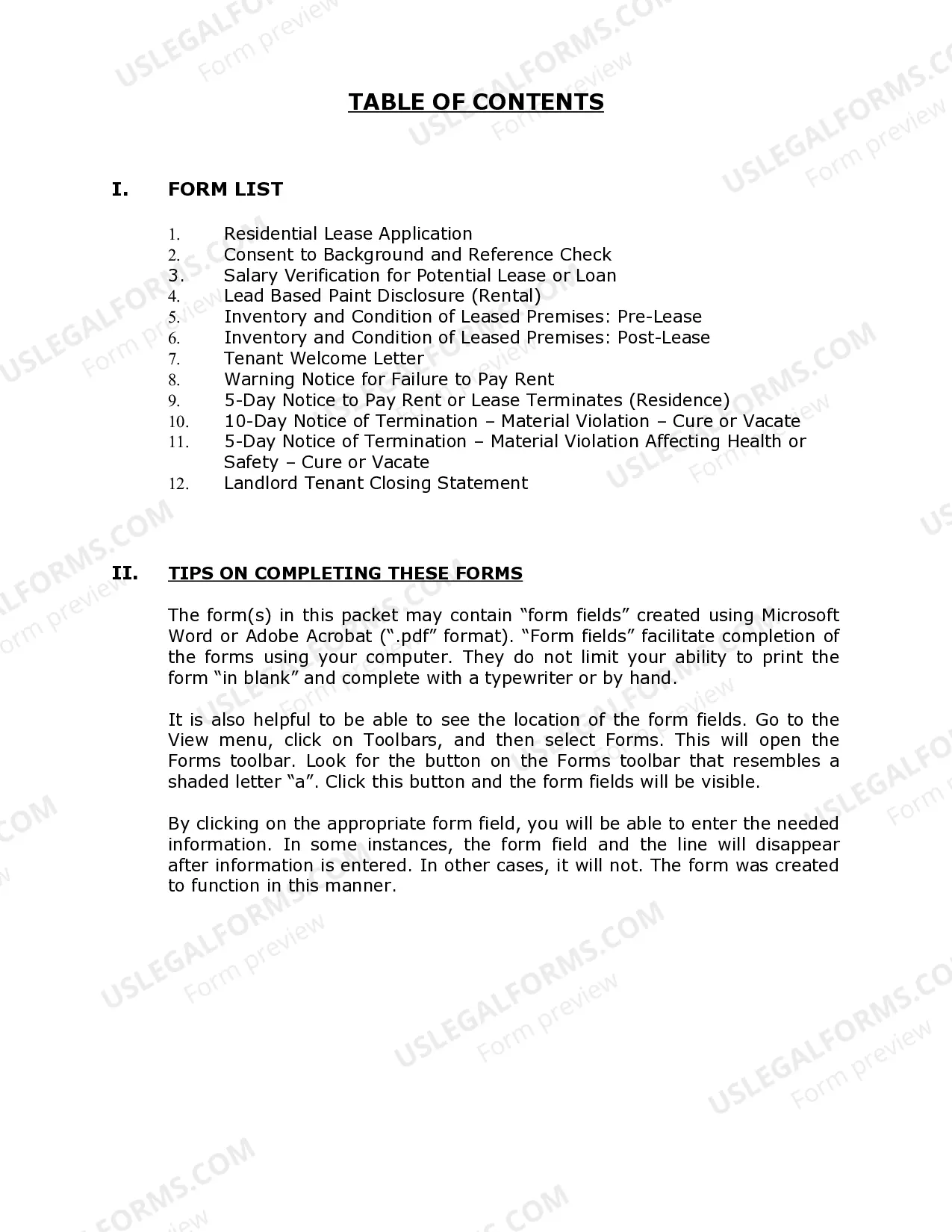
How to fill out Arizona Supplemental Residential Lease Forms Package?
- If you're an existing user, log in to your account and check the status of your subscription. Ensure it's active to proceed with downloading your lease term form.
- If this is your first time using US Legal Forms, start by previewing the document library. Search for 'lease term' templates and carefully review their descriptions to find one that aligns with your legal requirements.
- If you find a suitable template, proceed to purchase it by clicking the Buy Now button. Select a subscription plan that works best for you and create an account for access.
- Complete your purchase using your credit card or PayPal to finalize the transaction.
- After your payment is processed, download the lease term form to your device. You can also access it anytime from the My Forms section of your account.
With US Legal Forms, you can leverage a robust collection of over 85,000 editable legal documents to ensure your needs are met efficiently.
Start your journey today to complete your legal documents with ease and precision. Visit US Legal Forms to access your lease term forms now!
Form popularity
FAQ
Avoid making demands or ultimatums when speaking with a landlord. Negative comments about the property or previous landlords can hurt your negotiating position. Do not lie or exaggerate your rental history, as honesty builds trust. Stay positive, and focus on what you can offer as a tenant.
When approaching your landlord about renting, be direct and respectful. Clearly outline what you are looking for, including the preferred lease term and any other specific needs. Presentation matters, so come prepared to discuss your qualifications as a tenant. Choose a suitable time for this conversation to increase your chances of a favorable outcome.
Yes, obtaining a 3 month lease is possible; however, it largely depends on your landlord’s policies. Discuss your specific needs and inquire about flexible lease terms. Landlords may offer short term leases for certain situations. Be prepared to discuss your plans to help them understand your requirements.
When seeking a lease extension, approach your landlord well before the current lease term ends. Clearly state your desire for an extended lease term, along with your reasons. Highlight your reliability as a tenant by referencing your payment history. This creates a positive foundation for negotiation.
To request a short term lease, communicate directly with your landlord. Clearly express your need for flexibility in the lease term and explain your reasons. Providing context helps landlords understand your situation. Offer cooperation, such as increased rent, to make it a mutually beneficial arrangement.
Deciding whether to lease for 24 or 36 months should reflect your financial situation and car usage. A 24-month lease offers a chance to drive a new model sooner, while a 36-month lease may lead to lower monthly payments. Evaluate how much you drive and your desire for new vehicles to help you choose. Consider utilizing uslegalforms for clarity on lease terms and to ensure that your decision meets your long-term needs.
The lease term refers to the duration of your car lease agreement, defining how long you will be committed to the vehicle. Commonly lasting from 24 to 36 months, the lease term determines factors such as monthly payments, mileage limits, and warranty coverage. Understanding lease terms allows you to make informed decisions and better manage your vehicle expenses. Always read your contract thoroughly for specific conditions related to your lease term.
While lease terms can technically be structured for one year, it is uncommon and may not be the most advantageous option. Most leases are offered for two to three years, which aligns better with depreciation schedules and resale values. A one-year lease may result in higher payments without significant benefits. It is generally wiser to consider longer lease terms for better value.
The ideal lease length varies based on your personal circumstances, but most experts suggest between 24 and 36 months. This duration allows you to enjoy the benefits of a newer vehicle without facing significant depreciation. Moreover, the shorter the lease term, the sooner you can adapt to changing vehicle needs or preferences. Make sure to evaluate your mileage and payment tolerance when choosing a lease term.
The best length for a car lease usually falls between 24 to 36 months. This range generally offers a good balance between monthly payments and vehicle depreciation. Shorter lease terms mean you drive a newer car sooner, while longer terms often come with lower payments. Assess your needs and budget to decide which lease term aligns best with your lifestyle.