Amendment Living Trust With The Beneficiary
Description
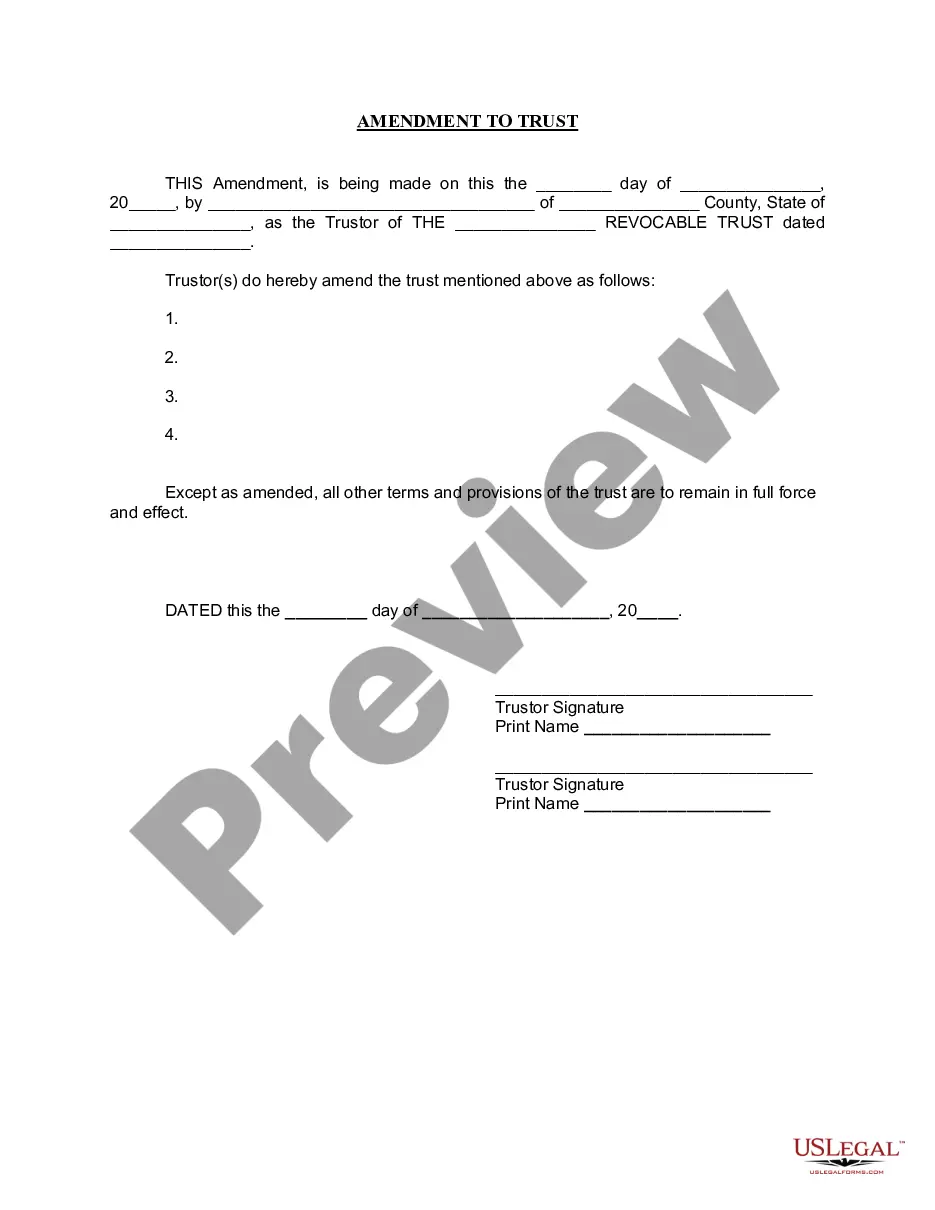


Get your form ready online
Our built-in tools help you complete, sign, share, and store your documents in one place.
Make edits, fill in missing information, and update formatting in US Legal Forms—just like you would in MS Word.
Download a copy, print it, send it by email, or mail it via USPS—whatever works best for your next step.
Sign and collect signatures with our SignNow integration. Send to multiple recipients, set reminders, and more. Go Premium to unlock E-Sign.
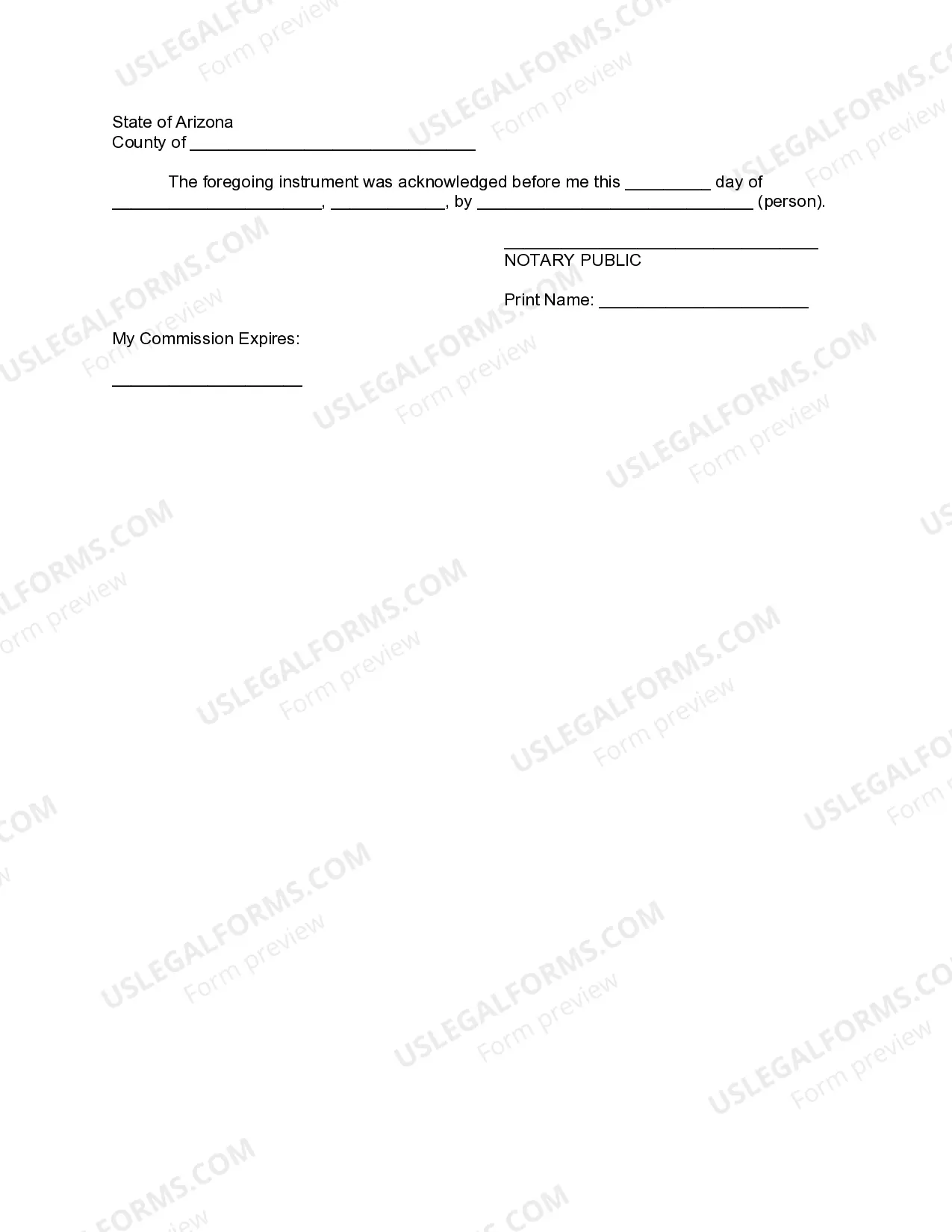
If this form requires notarization, complete it online through a secure video call—no need to meet a notary in person or wait for an appointment.
We protect your documents and personal data by following strict security and privacy standards.

Make edits, fill in missing information, and update formatting in US Legal Forms—just like you would in MS Word.

Download a copy, print it, send it by email, or mail it via USPS—whatever works best for your next step.

Sign and collect signatures with our SignNow integration. Send to multiple recipients, set reminders, and more. Go Premium to unlock E-Sign.

If this form requires notarization, complete it online through a secure video call—no need to meet a notary in person or wait for an appointment.

We protect your documents and personal data by following strict security and privacy standards.
Looking for another form?


How to fill out Arizona Amendment To Living Trust?
- Log in to your existing US Legal Forms account and ensure your subscription is active. If it requires renewal, follow the payment plan instructions provided.
- Search for the amendment living trust template. Review the preview and description to confirm it meets your specific requirements.
- If modifications are necessary, use the search feature to identify and select a different template that aligns with your needs.
- Once you've found the correct document, click on the 'Buy Now' button and choose a suitable subscription plan.
- Complete your purchase by entering your payment information—credit card details or PayPal account.
- After your purchase, download the form directly to your device and access it later via the 'My Forms' section in your profile.
By following these steps, you can effectively amend your living trust with the chosen beneficiary, ensuring that your legal documents are accurate and legally binding.
Start creating your amendment living trust today with US Legal Forms to enjoy hassle-free document management!
Form popularity
FAQ
You do not necessarily need a lawyer to make changes to a trust, such as an amendment living trust with the beneficiary. Many individuals successfully modify their trusts using do-it-yourself resources and templates. However, consulting a lawyer can be beneficial if you want to ensure compliance with legal requirements or have complex changes. US Legal Forms offers user-friendly documents that can guide you through the amendment process effectively.
Changing a living trust can be straightforward, but it does depend on the specific terms set in the document. When you consider an amendment living trust with the beneficiary, the process typically involves creating an amendment document that outlines the changes you want to make. It is essential to ensure that the amendment aligns with state laws to maintain the trust’s validity. Using platforms like US Legal Forms can simplify this process by providing templates specifically for amending living trusts.
Generally, a beneficiary cannot modify a trust unless they have been given specific authority by the trust document or through a legal process. However, they can request changes to the trust, especially if all parties agree. In some cases, you may find solutions in mediation or court if there’s a significant reason for the modification. For those navigating this territory, US Legal Forms can provide clarity on the topic of amending a living trust with the beneficiary.
To amend a living trust, start by reviewing the original trust document for guidelines on making changes. You'll create an amendment document that specifies the changes you wish to make, which you then need to sign and possibly notarize. Remember, it's essential to distribute copies to relevant parties, including your beneficiaries, to maintain transparency. US Legal Forms offers templates and resources that guide you through amending a living trust with the beneficiary.
Amending a trust is typically a straightforward process. Most often, you can make changes by updating the trust document with a written amendment. You need to follow the specific procedures outlined in your original trust, ensuring to keep the best interest of the beneficiaries in mind. Using a reliable platform like US Legal Forms can simplify this process, helping you to easily navigate an amendment living trust with the beneficiary.
A living trust does not override a beneficiary; rather, it outlines how the trust maker wishes to distribute their assets upon their passing. Beneficiary designations still play a vital role in how assets are managed and transferred. Therefore, you should clearly define your beneficiaries within the trust and any amendments. This way, your intentions regarding the amendment of a living trust with the beneficiary remain transparent and legally binding.
Writing a codicil to a trust is similar to writing an amendment. First, title the document clearly as a 'Codicil to Name of Trust.' Then, specify which sections of the trust you are amending and what changes occur. Ensure to sign and date the codicil, and consider using US Legal Forms as a resource to create a legally sound document that updates your trust effectively.
Generally, an amendment to a trust does not need to be recorded with a government office. Instead, it should be kept with the original trust documents and accessible to the beneficiaries. However, if the amendment affects real property held in trust, it may need to be recorded. Hence, consult a legal professional to confirm the specifics of your situation, especially if your amendment involves living trust with the beneficiary.
To write an amendment to a living trust, start by clearly identifying the trust and mentioning the original date of creation. Then, articulate the changes to be made regarding beneficiaries or asset distribution. It is advisable to include a clause that states all previous amendments remain in effect unless explicitly changed. Using a reliable platform like US Legal Forms can simplify this process and ensure compliance with state laws.
Handwritten changes, or 'holographic amendments,' to a trust may be legal in some states if they meet specific criteria. However, it is always best to formally document any changes in writing through a proper amendment process. Handwritten changes might lead to confusion over intentions, especially regarding the amendment of a living trust with the beneficiary. Therefore, you should use an official amendment form for clarity.