Adoption Rights For Lgbtq
Description

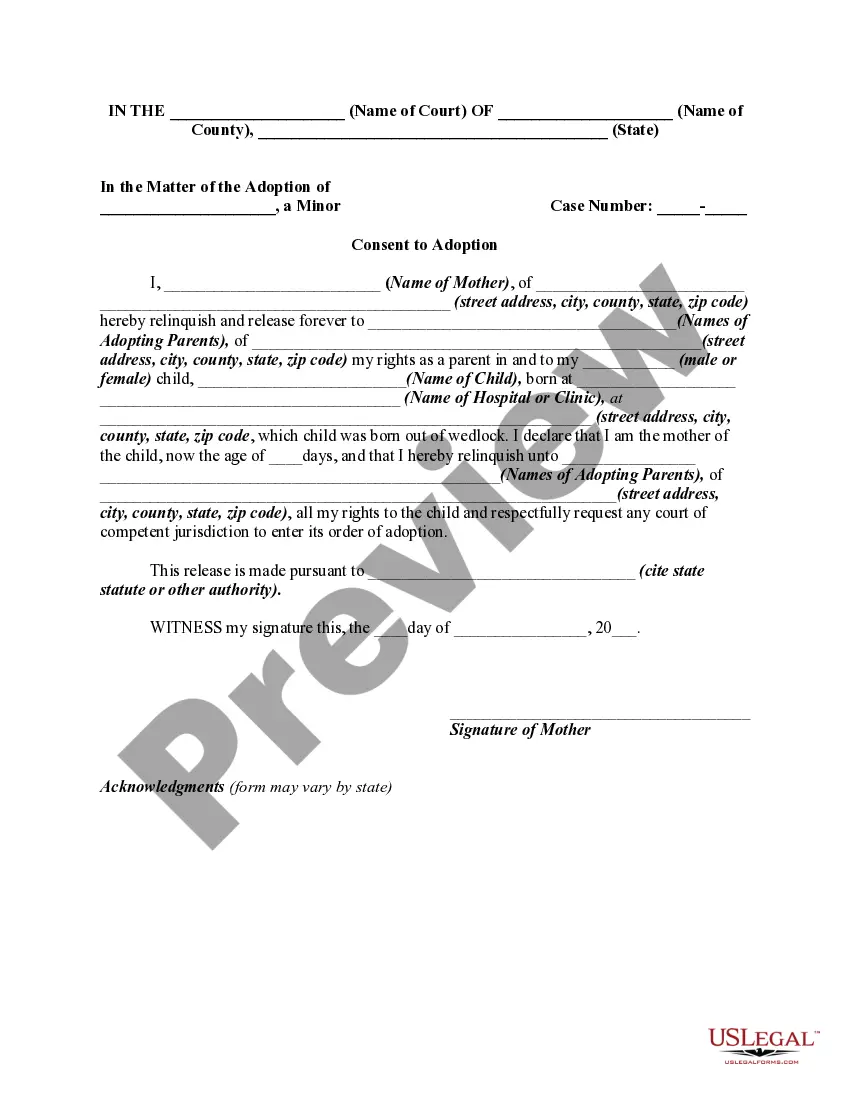
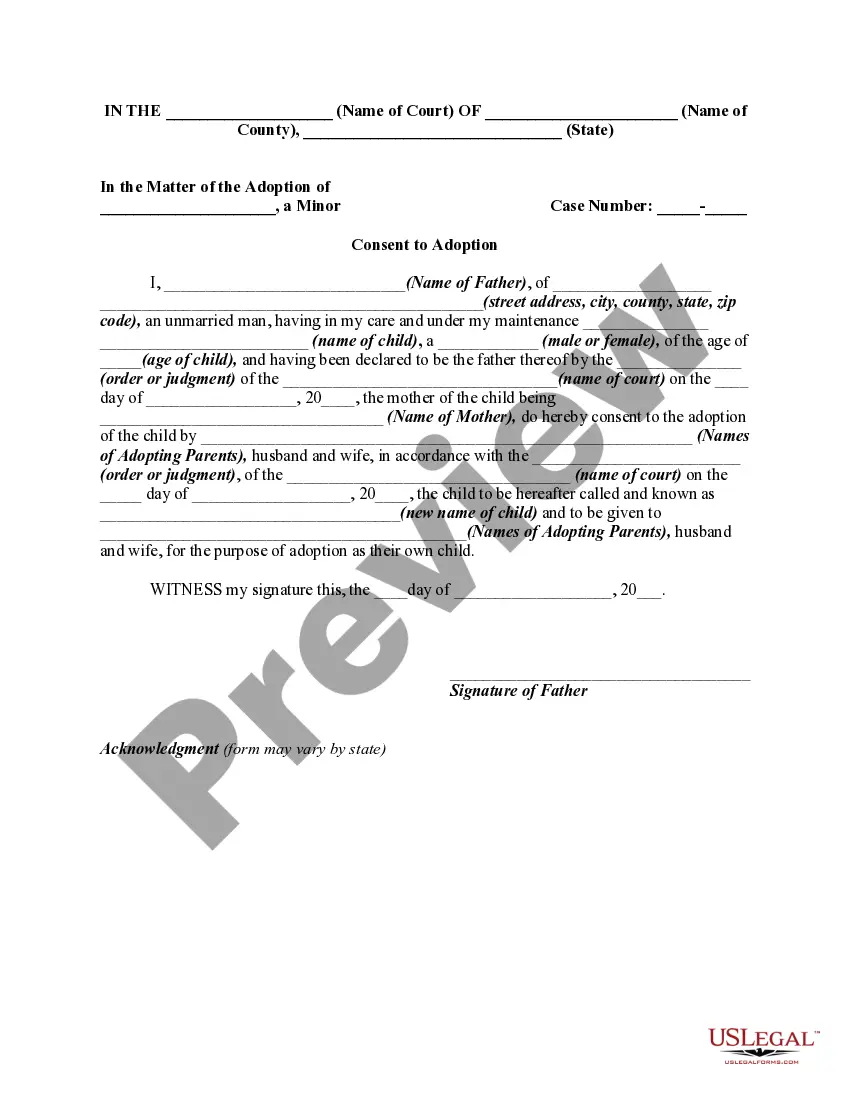
Get your form ready online
Our built-in tools help you complete, sign, share, and store your documents in one place.
Make edits, fill in missing information, and update formatting in US Legal Forms—just like you would in MS Word.
Download a copy, print it, send it by email, or mail it via USPS—whatever works best for your next step.
Sign and collect signatures with our SignNow integration. Send to multiple recipients, set reminders, and more. Go Premium to unlock E-Sign.
If this form requires notarization, complete it online through a secure video call—no need to meet a notary in person or wait for an appointment.
We protect your documents and personal data by following strict security and privacy standards.

Make edits, fill in missing information, and update formatting in US Legal Forms—just like you would in MS Word.

Download a copy, print it, send it by email, or mail it via USPS—whatever works best for your next step.

Sign and collect signatures with our SignNow integration. Send to multiple recipients, set reminders, and more. Go Premium to unlock E-Sign.

If this form requires notarization, complete it online through a secure video call—no need to meet a notary in person or wait for an appointment.

We protect your documents and personal data by following strict security and privacy standards.
Looking for another form?
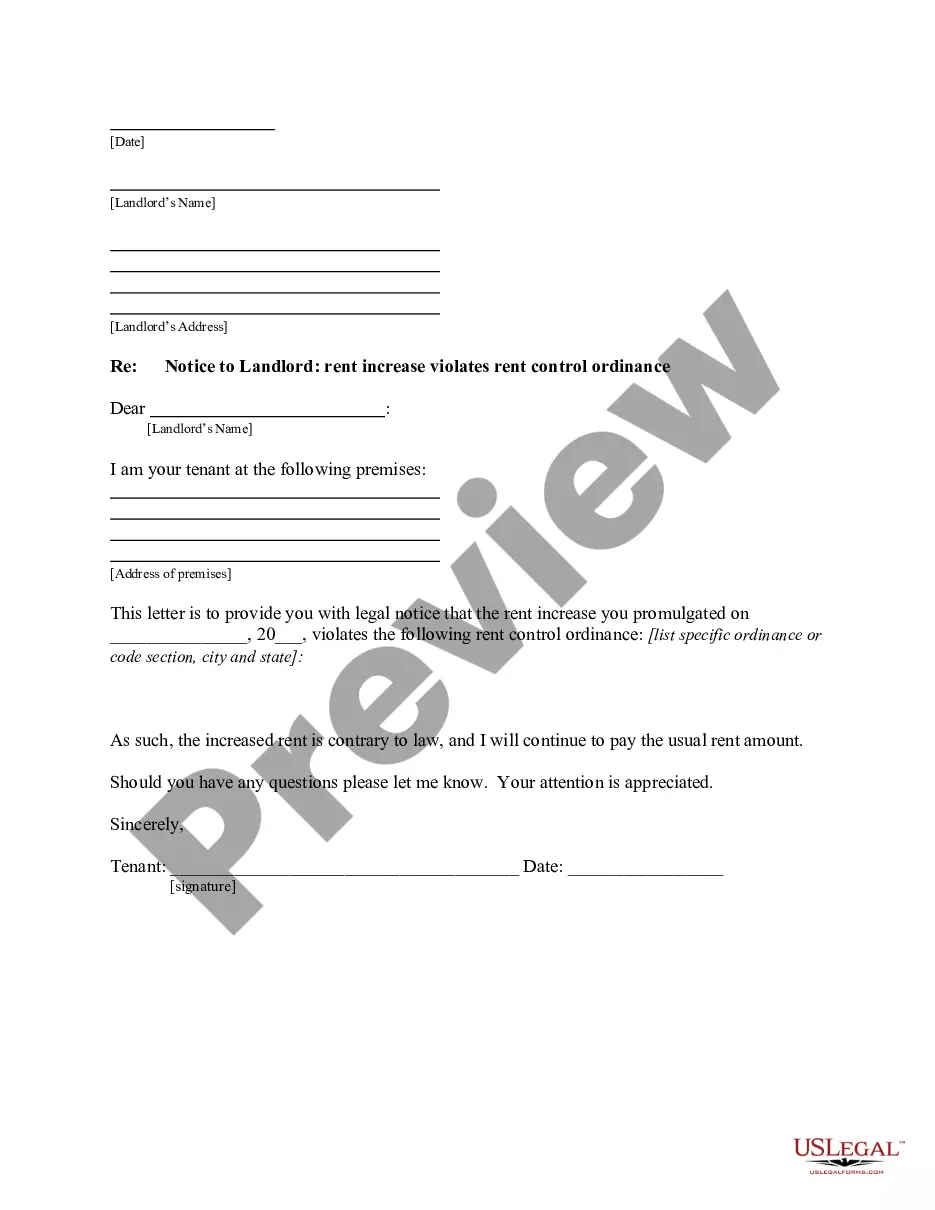



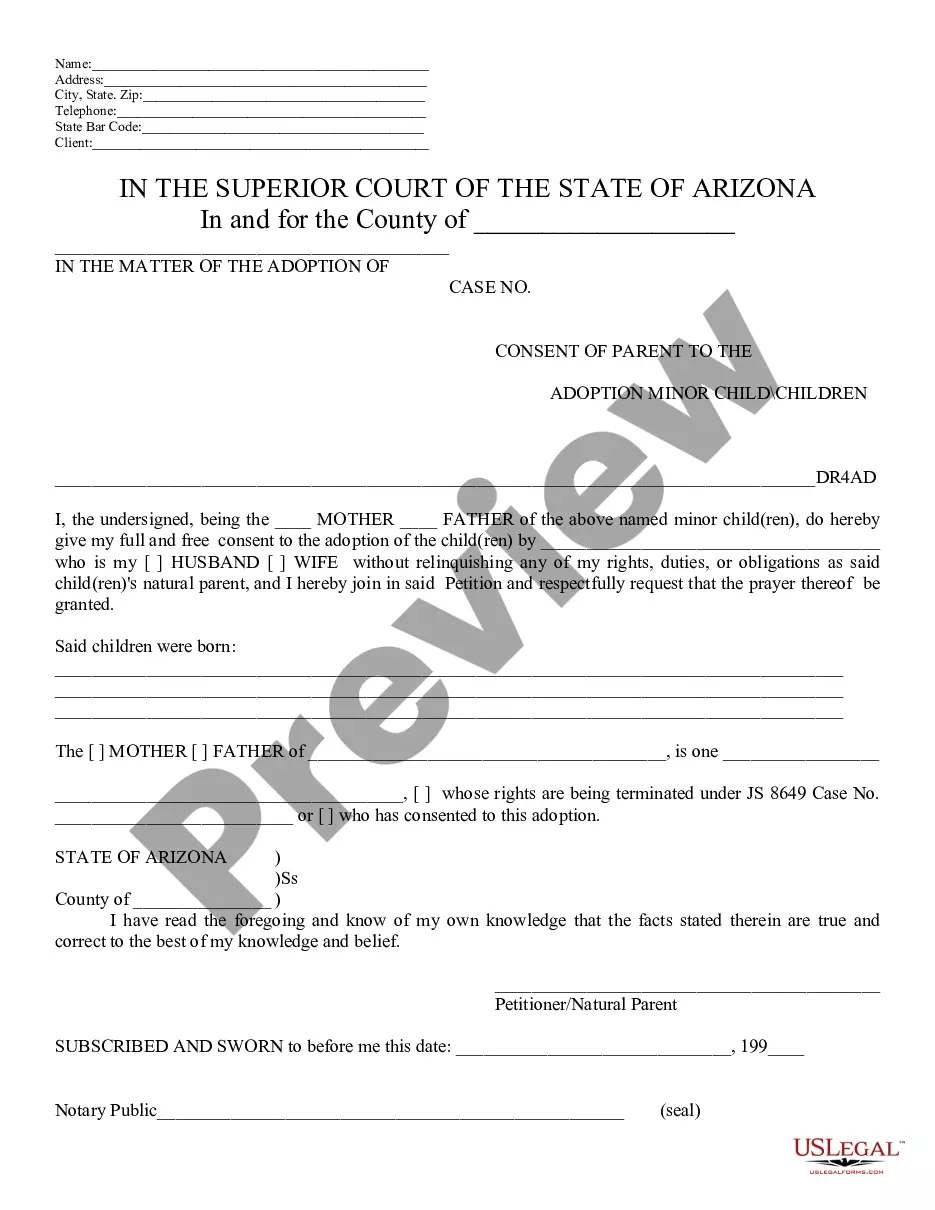
How to fill out Arizona Consent Of Parent To Adoption Of Minor Child - Nonrelinquishing Parental Rights?
- If you're a returning user, log in to your account and locate the required form template. Ensure your subscription is current; renew if necessary.
- For first-time users, start by browsing the library to find the relevant document. Preview the form and confirm it meets your specific needs and complies with local jurisdiction.
- If the form doesn't align with your requirements, utilize the Search tab to explore alternative templates until you find the right match.
- Purchase the necessary document by clicking the Buy Now button and selecting the subscription plan that suits you best. Registration is required to access the full resource library.
- Complete your purchase using your credit card or PayPal account. Once payment is confirmed, you'll gain access to your documents.
- Download your form and save it on your device. You can find your downloaded documents anytime in the My Forms section of your profile.
By utilizing US Legal Forms, you benefit from a robust collection of over 85,000 customizable legal templates and resources, enabling quick and efficient document preparation.
Ensure your family is fully recognized under the law. Start your adoption journey today with US Legal Forms and make your rights and responsibilities clear.
Form popularity
FAQ
Several countries have embraced progressive measures for adoption rights for LGBTQ families. For example, countries like Sweden, Portugal, and Iceland openly permit LGBTQ couples to adopt children. It's crucial to be aware that adoption laws are subject to change, so staying informed about current policies is vital. This knowledge empowers LGBTQ couples in planning their families across borders.
Many countries recognize adoption rights for LGBTQ individuals, allowing them to adopt children legally. Countries like Canada, the Netherlands, and Spain lead the way in inclusive adoption policies. However, it's essential to research the specific laws that apply in each country, as they can vary widely. Understanding these regulations can help ensure a smoother adoption journey for LGBTQ couples.
Many agencies allow prospective parents to indicate a preference for the gender of the child. This practice varies by agency and state regulations, impacting your adoption rights for lgbtq individuals. However, it's crucial to approach this choice with an open heart, focusing on the well-being of the child. Consulting USLegalForms can offer valuable insights into how to express your preferences responsibly and ethically.
The ease of adopting a child often depends on local regulations and available resources. Generally, foster care systems may require shorter wait times compared to private adoptions. Understanding your adoption rights for lgbtq can provide better insights into which routes may be less complicated. USLegalForms can guide you through the adoption process, helping you identify the best opportunities available.
Adoption trends show that children of certain races, such as Black and Hispanic children, often face lower adoption rates. This situation can be attributed to various social and economic factors. Advocating for adoption rights for lgbtq individuals can increase the visibility of children in need of homes, encouraging more inclusive adoption practices. Utilizing platforms like USLegalForms can empower you to support these efforts.
Some states have more restrictive adoption laws, making the process more challenging. States like New York and Florida have specific regulations that may affect adoption rights for lgbtq individuals. It's essential to research each state's requirements or consult resources like USLegalForms for personalized assistance, ensuring you can make informed decisions.
Adopting out of state can present unique challenges due to differing laws and regulations. Many states have their own requirements, which can complicate the process. However, understanding your adoption rights for lgbtq individuals can provide clarity. USLegalForms offers resources to help you navigate these complexities and successfully adopt across state lines.
The adoption landscape in the US varies by region. While there are many families eager to adopt, the number of babies available for adoption often does not meet the demand. This can create challenges, particularly for those seeking adoption rights for lgbtq individuals. Using resources like USLegalForms can help streamline the process and ensure you understand your rights.
In the adoption process, prospective parents often have the opportunity to specify preferences regarding the child's gender. However, this can depend on the agency or legal regulations in your state. For LGBTQ families, understanding the implications of gender preference is a vital aspect of the adoption process, as it reflects personal comfort levels and family dynamics.
Second-parent adoption is permitted in several states across the U.S., promoting equity for LGBTQ families. States like California, New York, and Illinois have inclusive laws that recognize the rights of non-biological parents to adopt their partner's child. Since laws vary by state, it's essential to consult legal resources to understand local regulations regarding adoption rights for LGBTQ families.