Contempt For Court Orders
Description
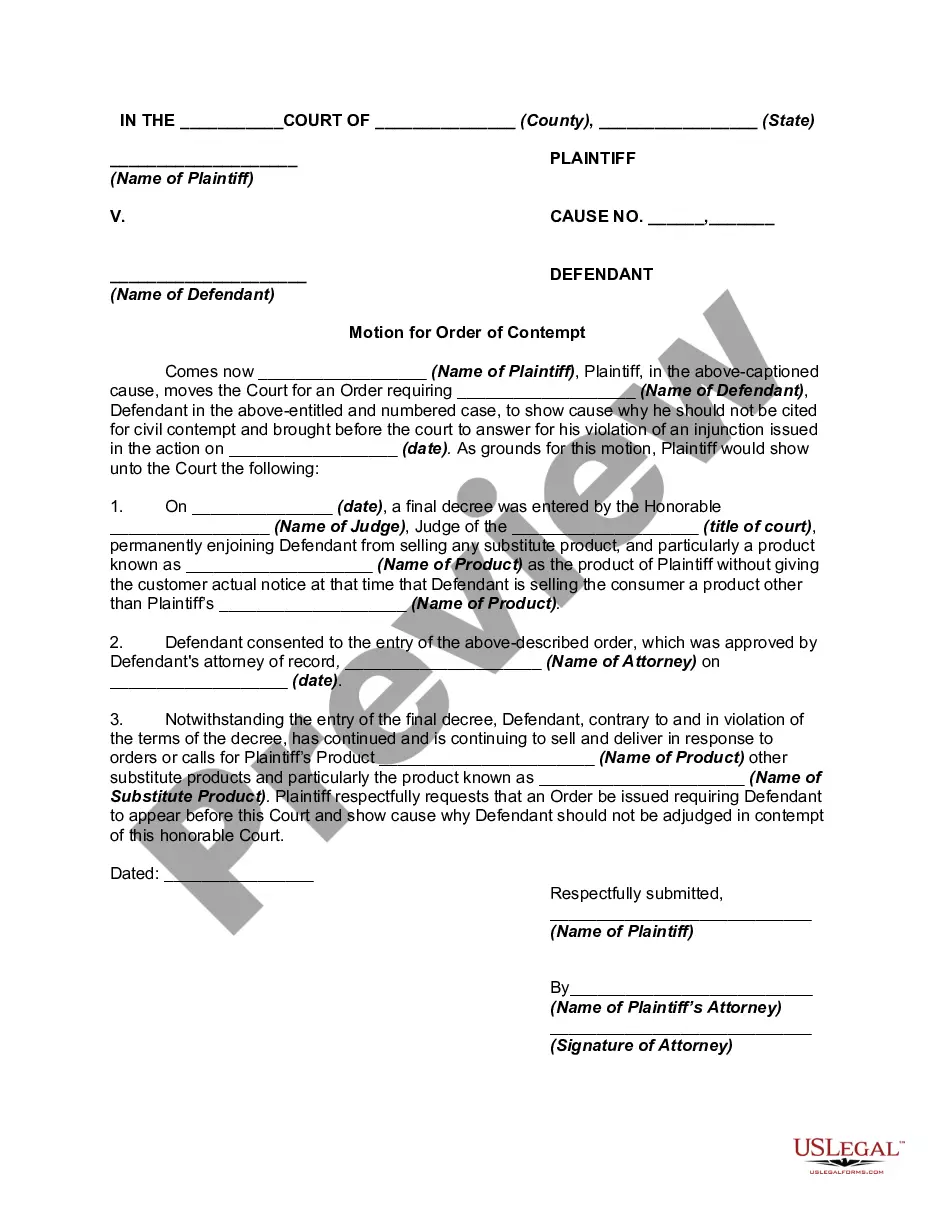
Get your form ready online
Our built-in tools help you complete, sign, share, and store your documents in one place.
Make edits, fill in missing information, and update formatting in US Legal Forms—just like you would in MS Word.
Download a copy, print it, send it by email, or mail it via USPS—whatever works best for your next step.
Sign and collect signatures with our SignNow integration. Send to multiple recipients, set reminders, and more. Go Premium to unlock E-Sign.
If this form requires notarization, complete it online through a secure video call—no need to meet a notary in person or wait for an appointment.
We protect your documents and personal data by following strict security and privacy standards.

Make edits, fill in missing information, and update formatting in US Legal Forms—just like you would in MS Word.

Download a copy, print it, send it by email, or mail it via USPS—whatever works best for your next step.

Sign and collect signatures with our SignNow integration. Send to multiple recipients, set reminders, and more. Go Premium to unlock E-Sign.

If this form requires notarization, complete it online through a secure video call—no need to meet a notary in person or wait for an appointment.

We protect your documents and personal data by following strict security and privacy standards.
Looking for another form?
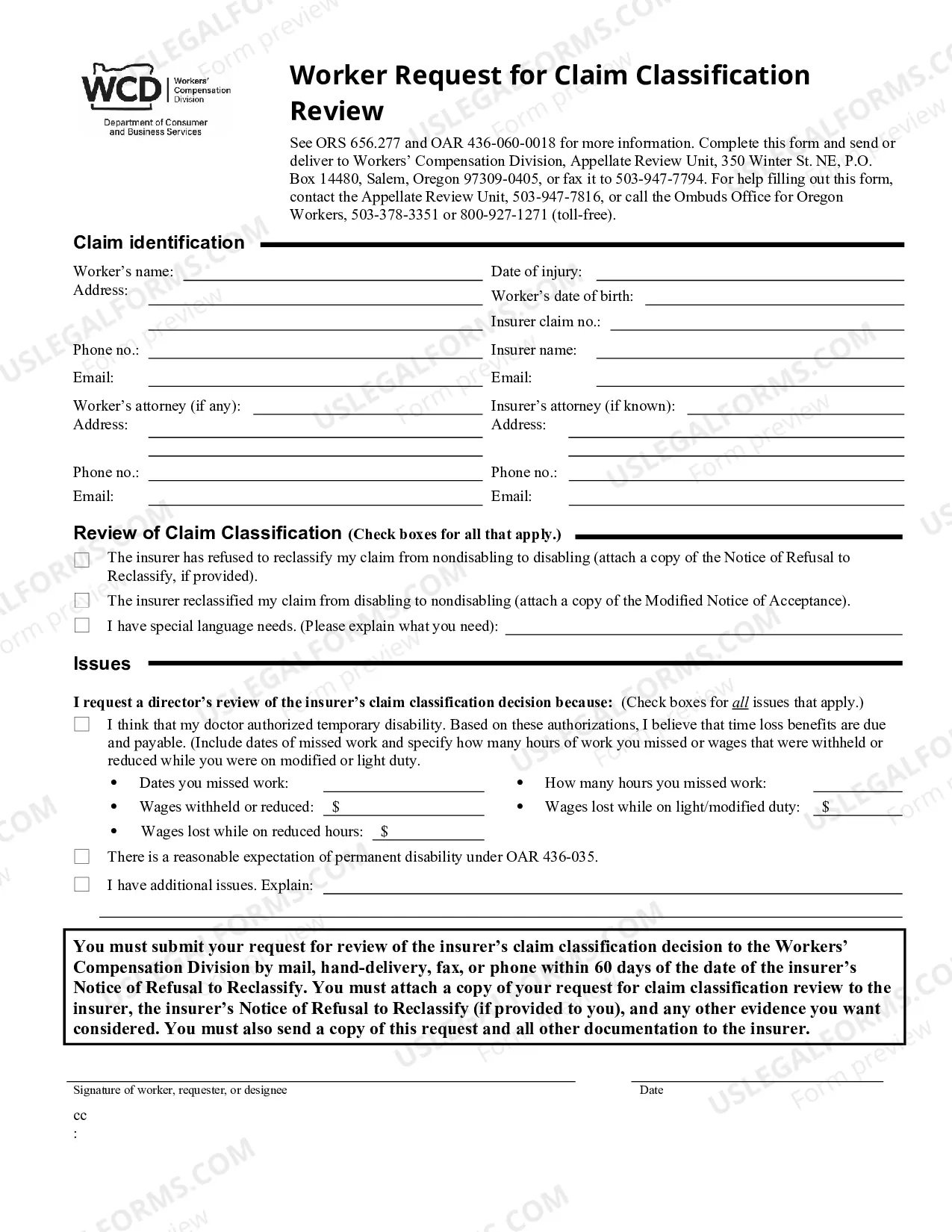







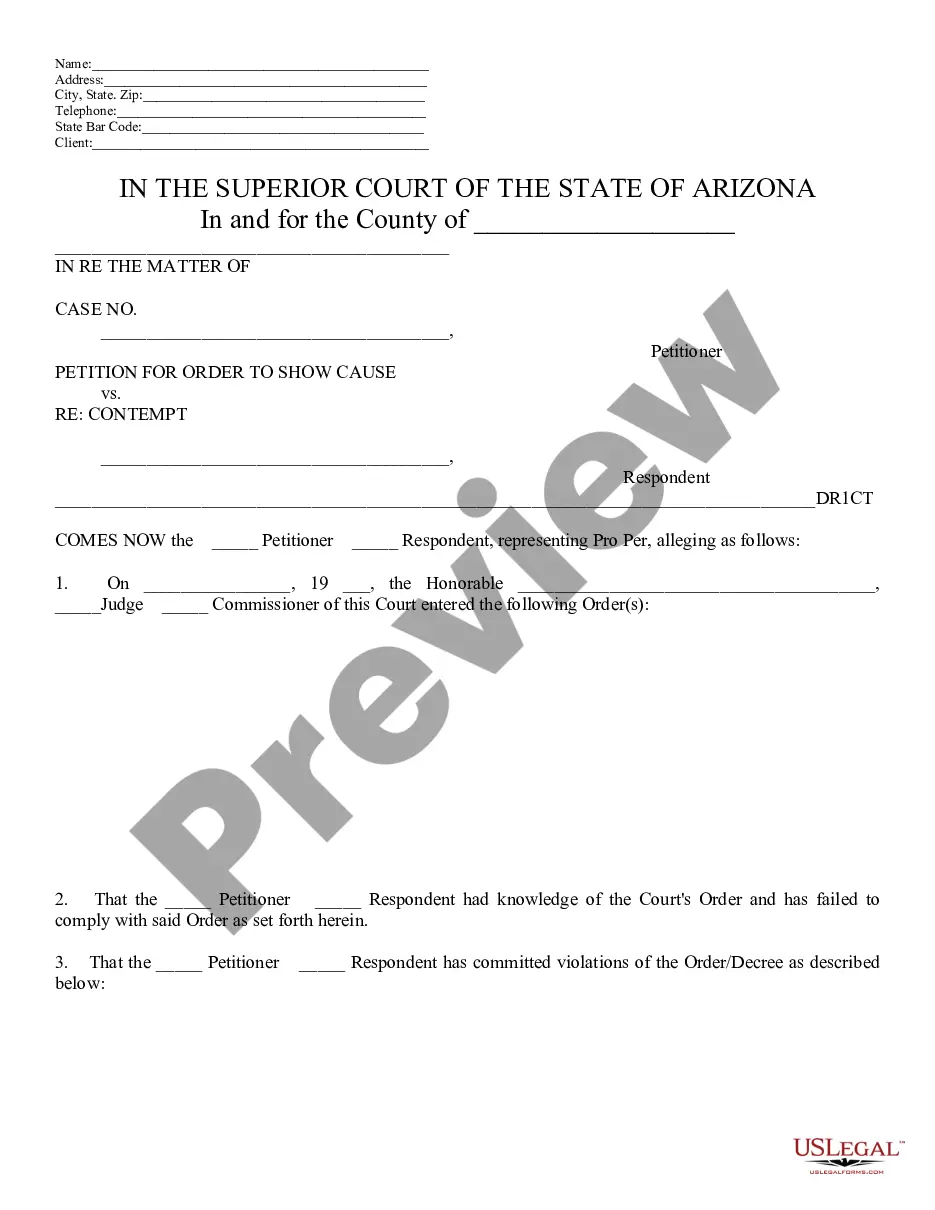
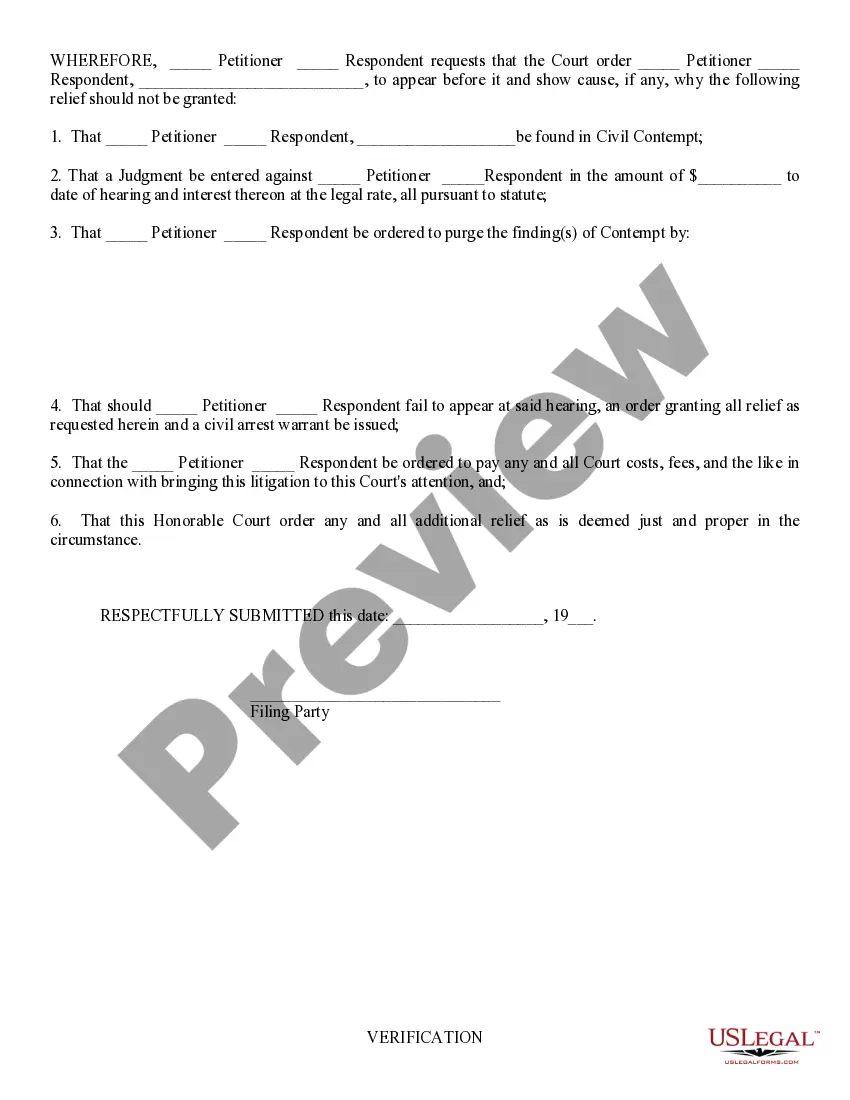
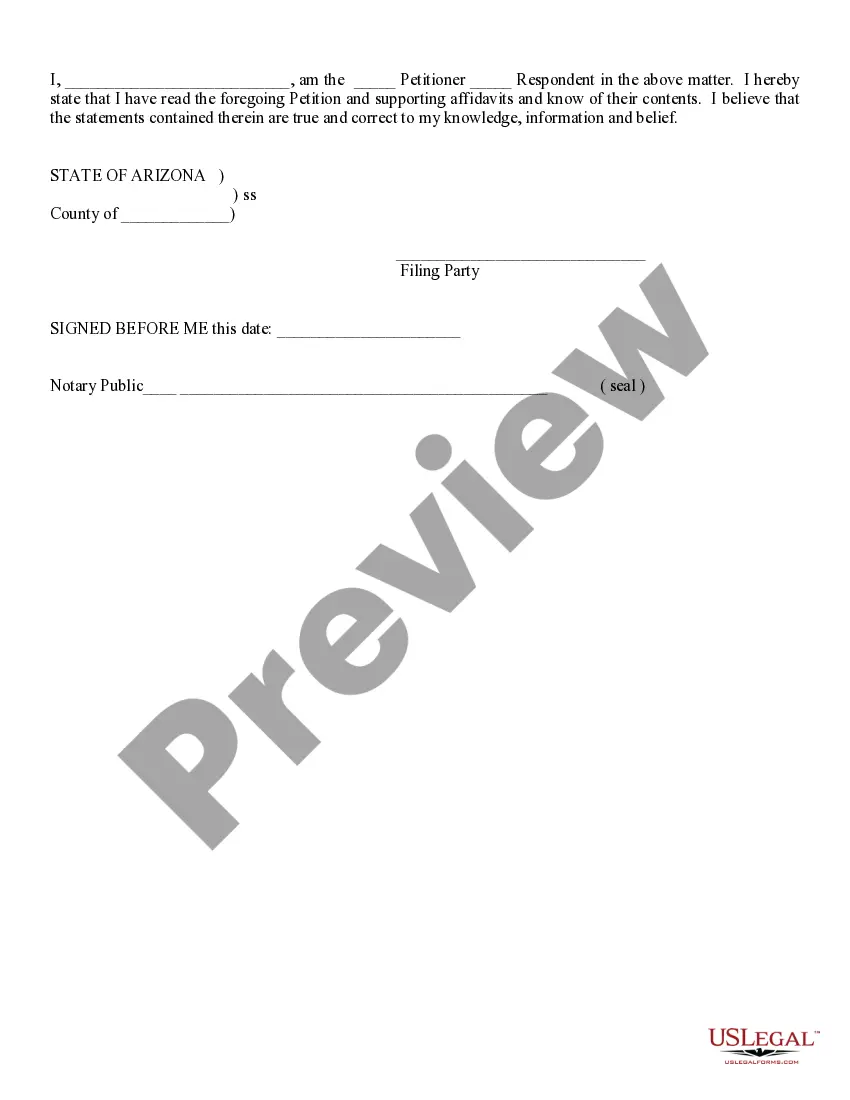
How to fill out Arizona Petition For Order To Show Cause Regarding Contempt?
Acquiring legal document examples that adhere to the federal and local regulations is essential, and the internet presents a variety of alternatives to select from.
However, what is the value in spending time searching for the suitable Contempt For Court Orders example online if the US Legal Forms digital library already has such documents compiled in one location.
US Legal Forms is the largest online legal repository with over 85,000 editable templates drafted by attorneys for any commercial and personal situation.
Enjoy the most comprehensive and user-friendly legal document service!
- They are straightforward to navigate with all documents categorized by state and intended use.
- Our experts keep abreast of legal updates, so you can always trust your form is current and compliant when acquiring a Contempt For Court Orders from our site.
- Obtaining a Contempt For Court Orders is quick and easy for both existing and new users.
- If you already possess an account with an active subscription, Log In and download the document example you need in the correct format.
- If you are unfamiliar with our website, follow the steps below.
Form popularity
FAQ
Preparation for a contempt for court orders hearing is crucial. Start by reviewing the court order in question to identify the specific terms that were violated. Collect all relevant documents and evidence that support your claim of contempt, and consider rehearsing your presentation. You can also utilize US Legal forms to access templates and guidance, ensuring you approach the hearing with confidence and clarity.
To win a case of contempt for court orders, you must demonstrate that the other party willfully disobeyed a valid court order. Gather evidence that shows the breach of the order, and present it clearly in court. You can increase your chances by preparing well, understanding the specific order, and possibly seeking legal counsel. Platforms like US Legal can provide resources to help you navigate this process effectively.
The four types of contempt include civil contempt, criminal contempt, direct contempt, and indirect contempt. Civil contempt aims to compel compliance with a court order, while criminal contempt involves punishment for disobedience. Direct contempt occurs within the courtroom, while indirect contempt happens outside the courtroom. Understanding these distinctions helps you navigate situations involving contempt for court orders more effectively.
The best defense against contempt of court typically involves proving that you did not willfully disobey the court's order. You may argue that circumstances made compliance impossible. Showing that you took reasonable steps to adhere to the order can also strengthen your case. Familiarizing yourself with options through platforms like US Legal Forms can prepare you to present an effective defense.
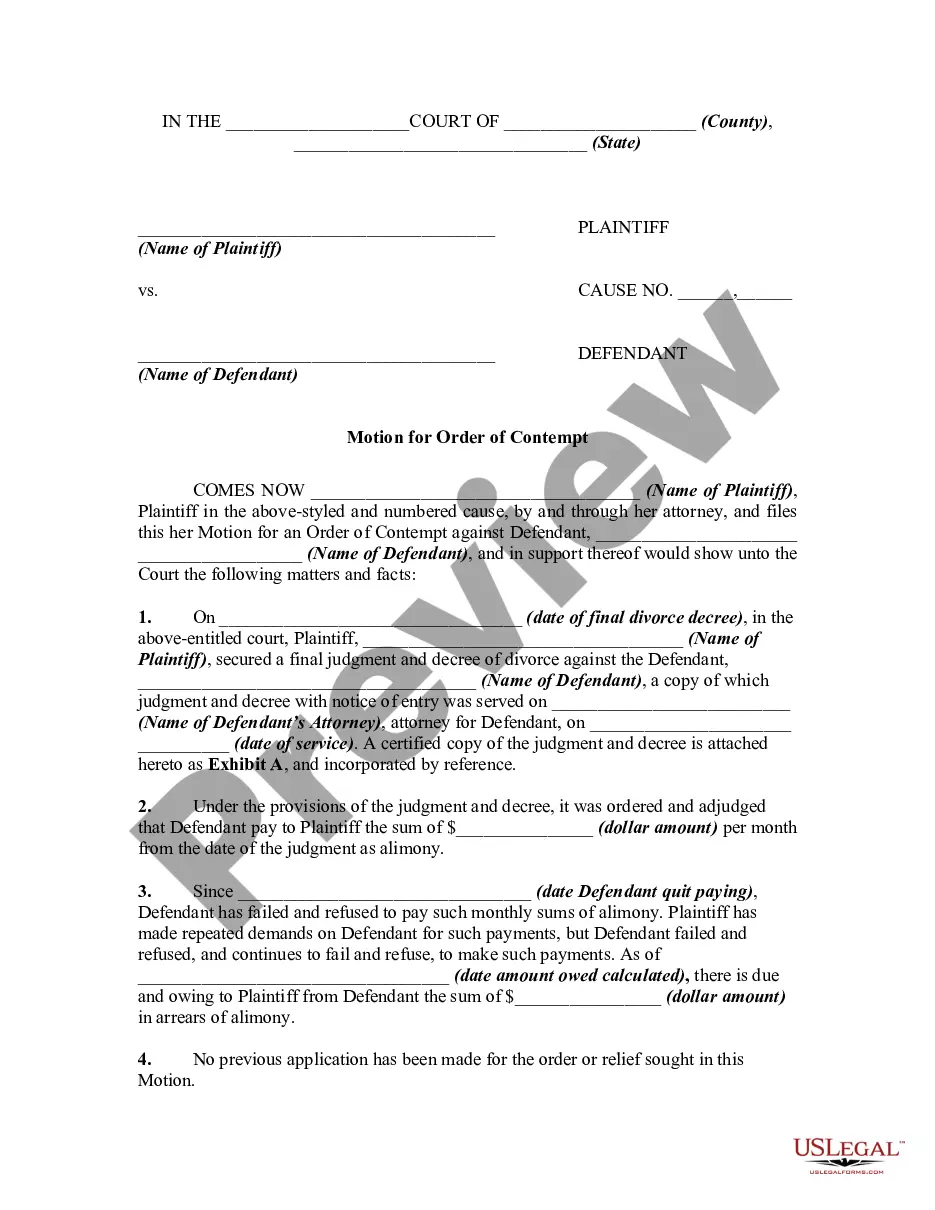
Yes, you can file a contempt of court order yourself, but you must ensure all documents are properly completed. The process requires you to provide evidence that the other party has failed to comply with the court's order. If you are unsure about the requirements, US Legal Forms can offer helpful templates and instructions. Successfully filing contempt for court orders enhances your chances of achieving compliance.
In Iowa, being held in contempt of court can lead to various consequences, such as fines, penalties, or even jail time. The court will assess the situation to determine if there was a reasonable excuse for disobeying the order. If you can demonstrate compliance or a valid reason, the court may be more lenient. However, resolving contempt for court orders swiftly is crucial to avoid escalating penalties.
Yes, you can file a motion of contempt without a lawyer, but it is advisable to seek legal help. While representing yourself is possible, understanding the legal process can be challenging. You must ensure that your paperwork meets court standards and clearly presents your case. Resources like US Legal Forms can guide you through the process and make it smoother.
To be held in contempt of court, there must be clear evidence that you willfully disobeyed a court order. Courts look for deliberate actions or omissions that ignore the guidelines set forth in the order. It is important to show a direct connection between the disobedience and the court's ruling. Establishing this can help the court determine if contempt for court orders occurred.
Anyone who is affected by a court order may file a contempt application. This typically includes the party to the original court case or their attorney. Filing for contempt for court orders allows you to seek enforcement of the court's decision. Organizations can also initiate this process when their rights are being disregarded.
If someone does not listen to a court order, the affected party may file for contempt, leading to potential court proceedings. The court might hold the individual accountable, which can result in penalties that can impact their rights and freedom. It is essential to take court orders seriously, as ignoring them can complicate legal matters. Utilizing resources from US Legal Forms can help you understand your obligations and manage your legal responsibilities effectively.