Superior Court Form For Juvenile Matters
Description
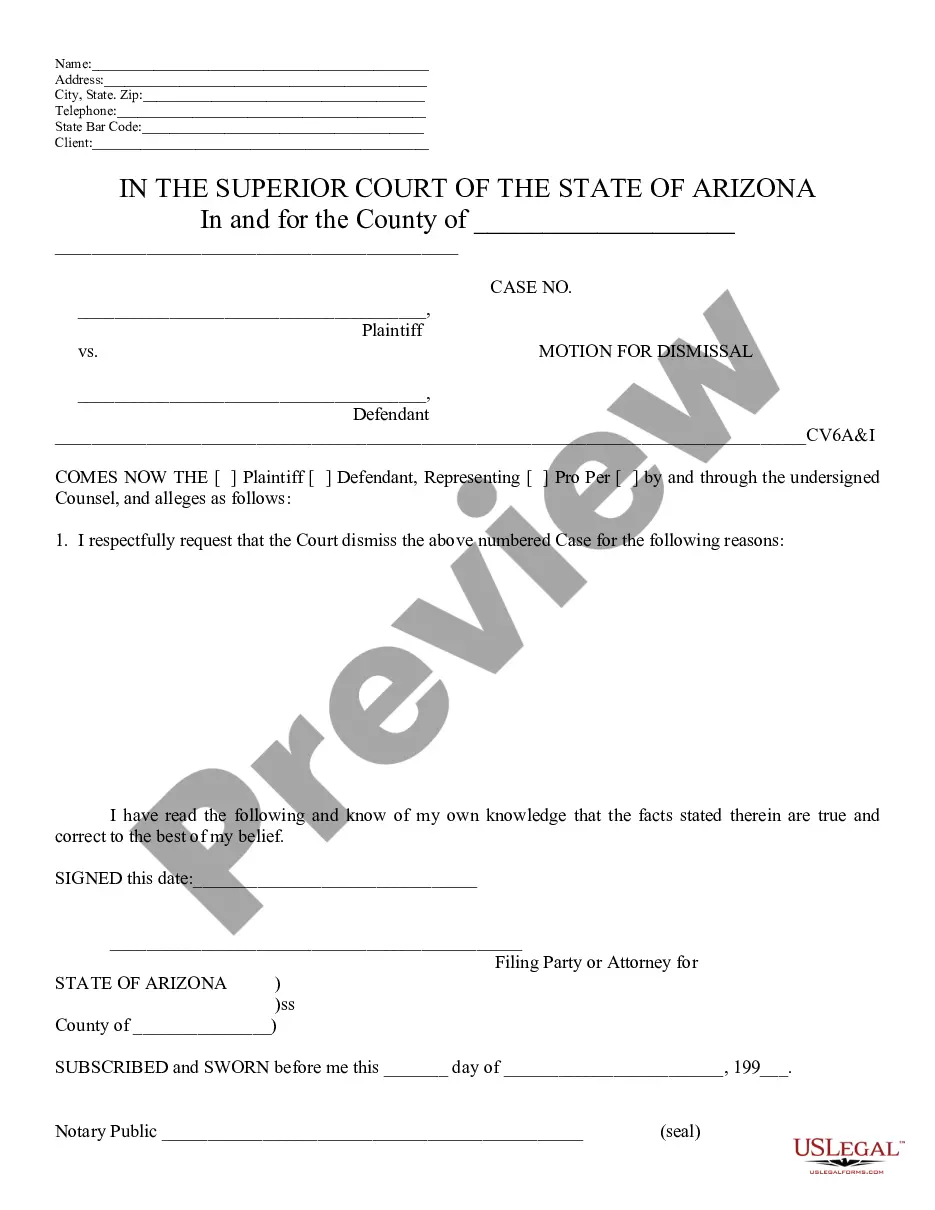
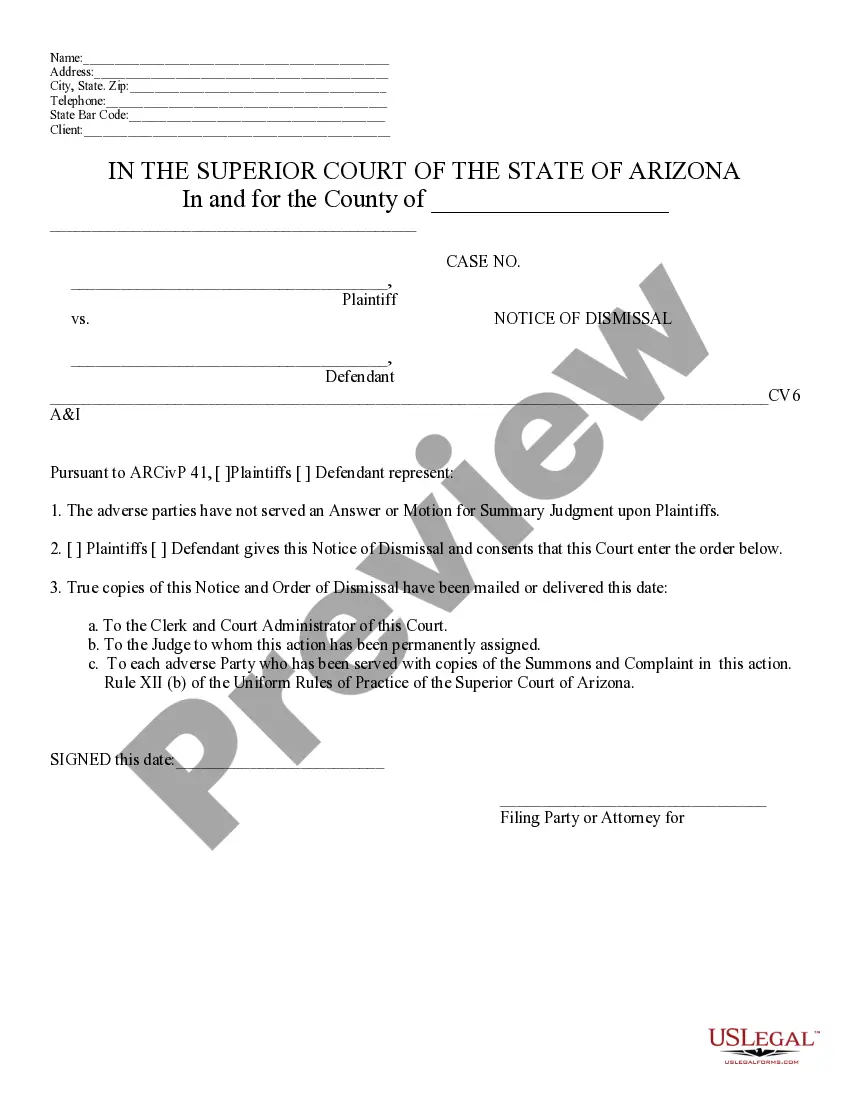
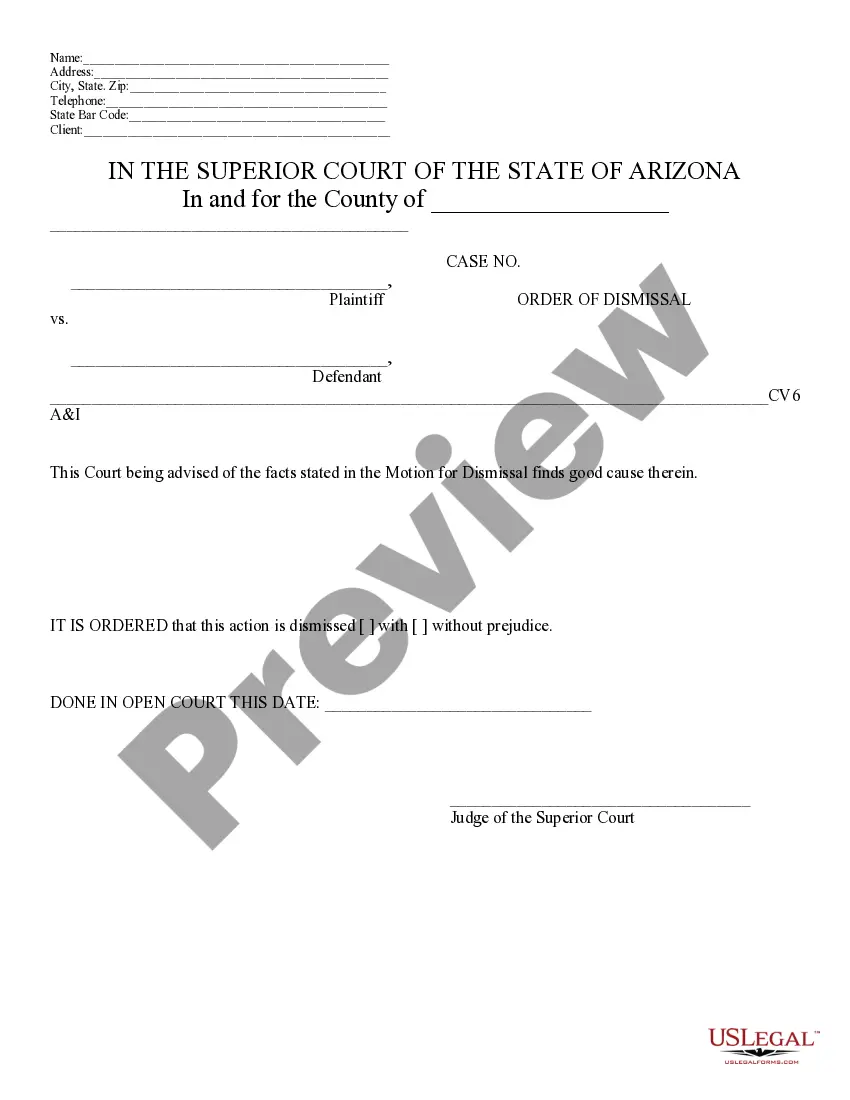
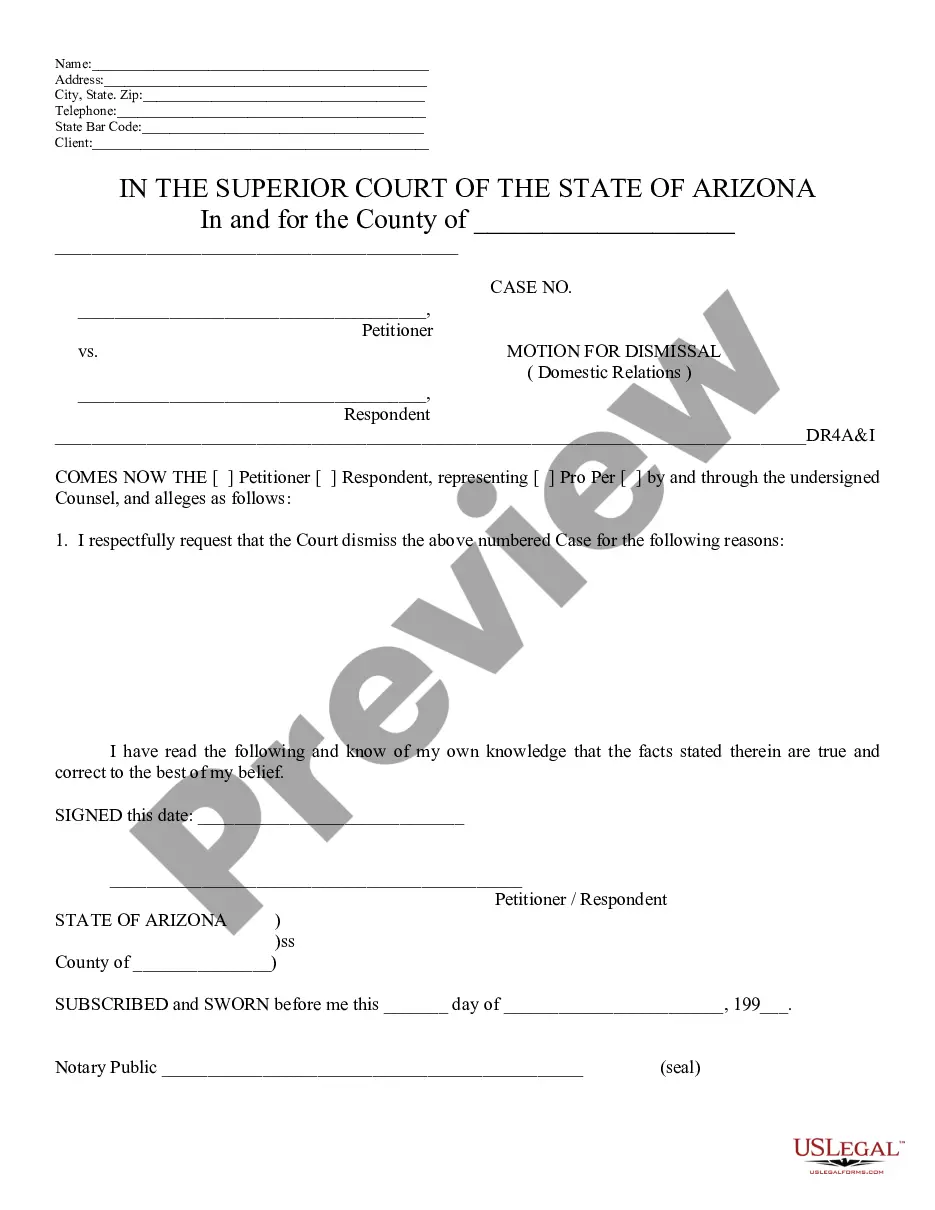
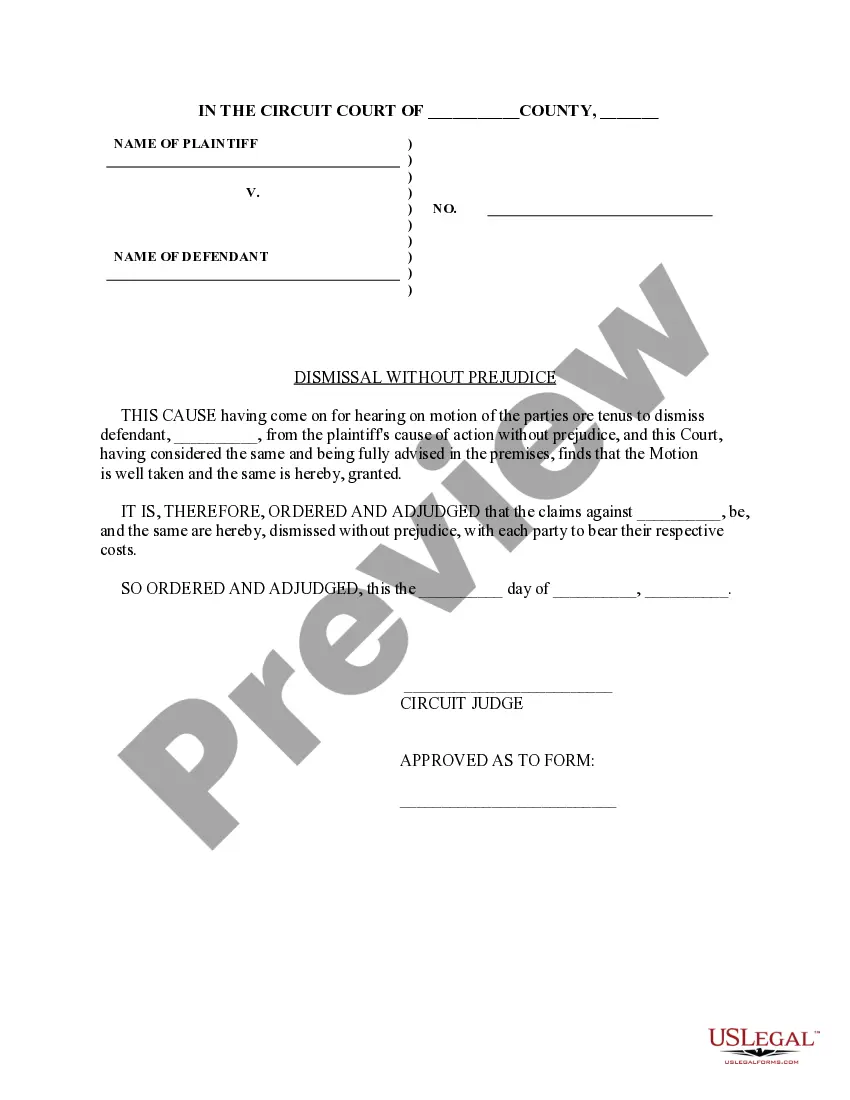
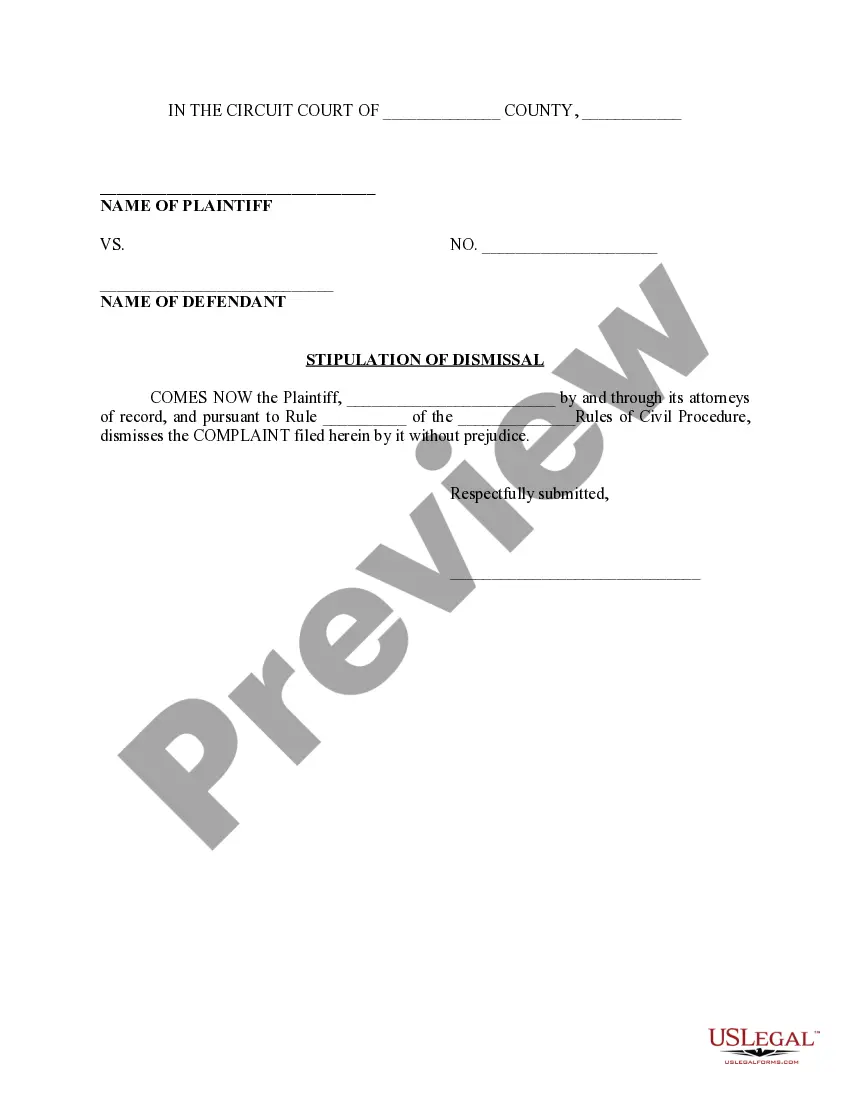
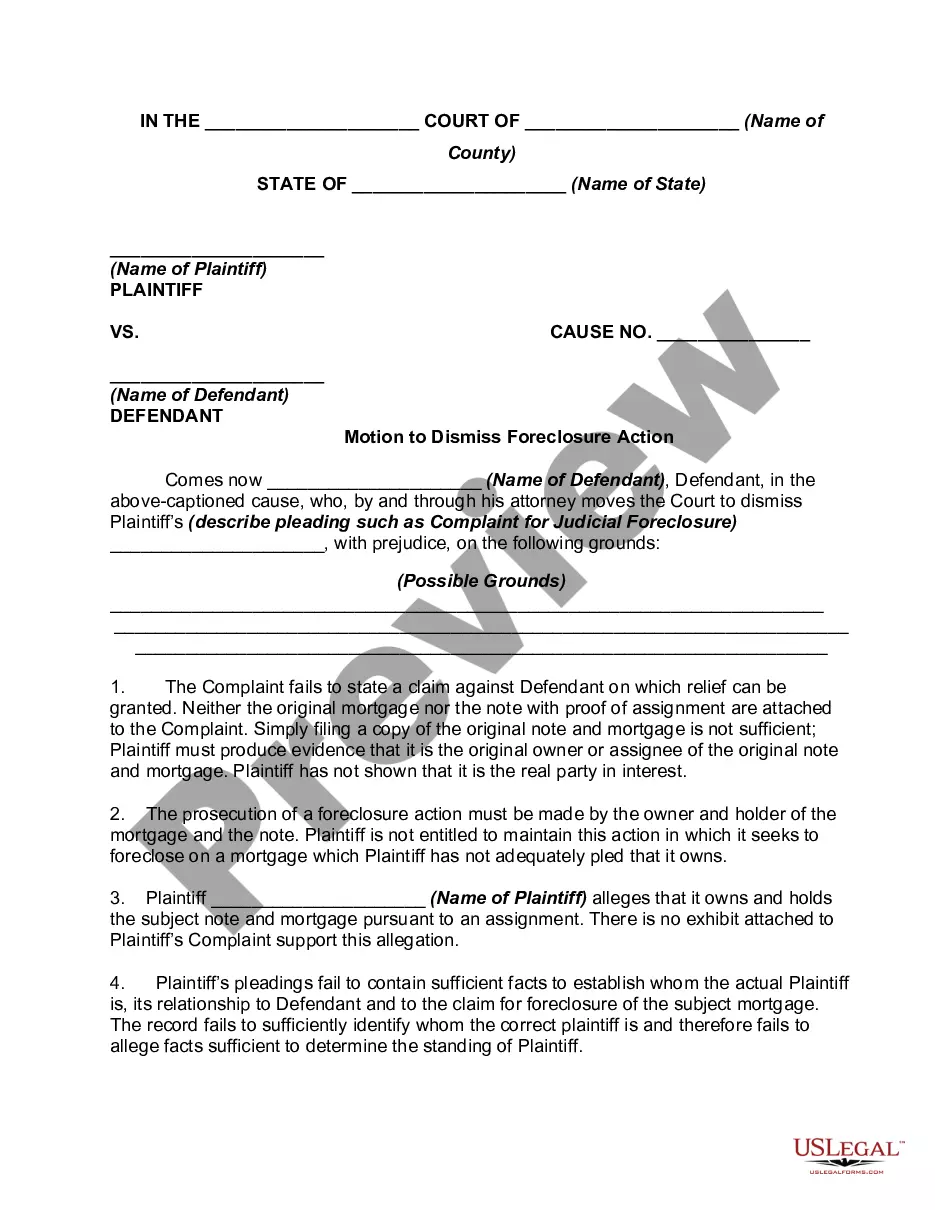
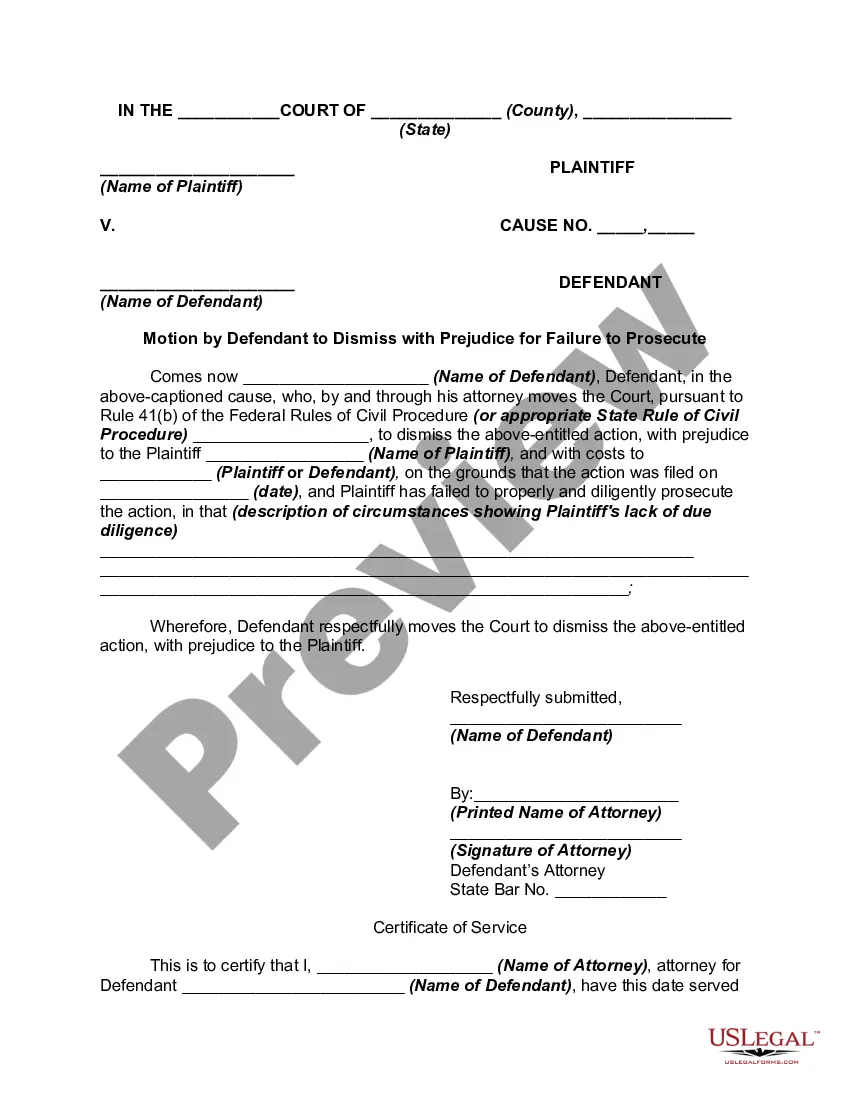
Get your form ready online
Our built-in tools help you complete, sign, share, and store your documents in one place.
Make edits, fill in missing information, and update formatting in US Legal Forms—just like you would in MS Word.
Download a copy, print it, send it by email, or mail it via USPS—whatever works best for your next step.
Sign and collect signatures with our SignNow integration. Send to multiple recipients, set reminders, and more. Go Premium to unlock E-Sign.
If this form requires notarization, complete it online through a secure video call—no need to meet a notary in person or wait for an appointment.
We protect your documents and personal data by following strict security and privacy standards.

Make edits, fill in missing information, and update formatting in US Legal Forms—just like you would in MS Word.

Download a copy, print it, send it by email, or mail it via USPS—whatever works best for your next step.

Sign and collect signatures with our SignNow integration. Send to multiple recipients, set reminders, and more. Go Premium to unlock E-Sign.

If this form requires notarization, complete it online through a secure video call—no need to meet a notary in person or wait for an appointment.

We protect your documents and personal data by following strict security and privacy standards.
Looking for another form?
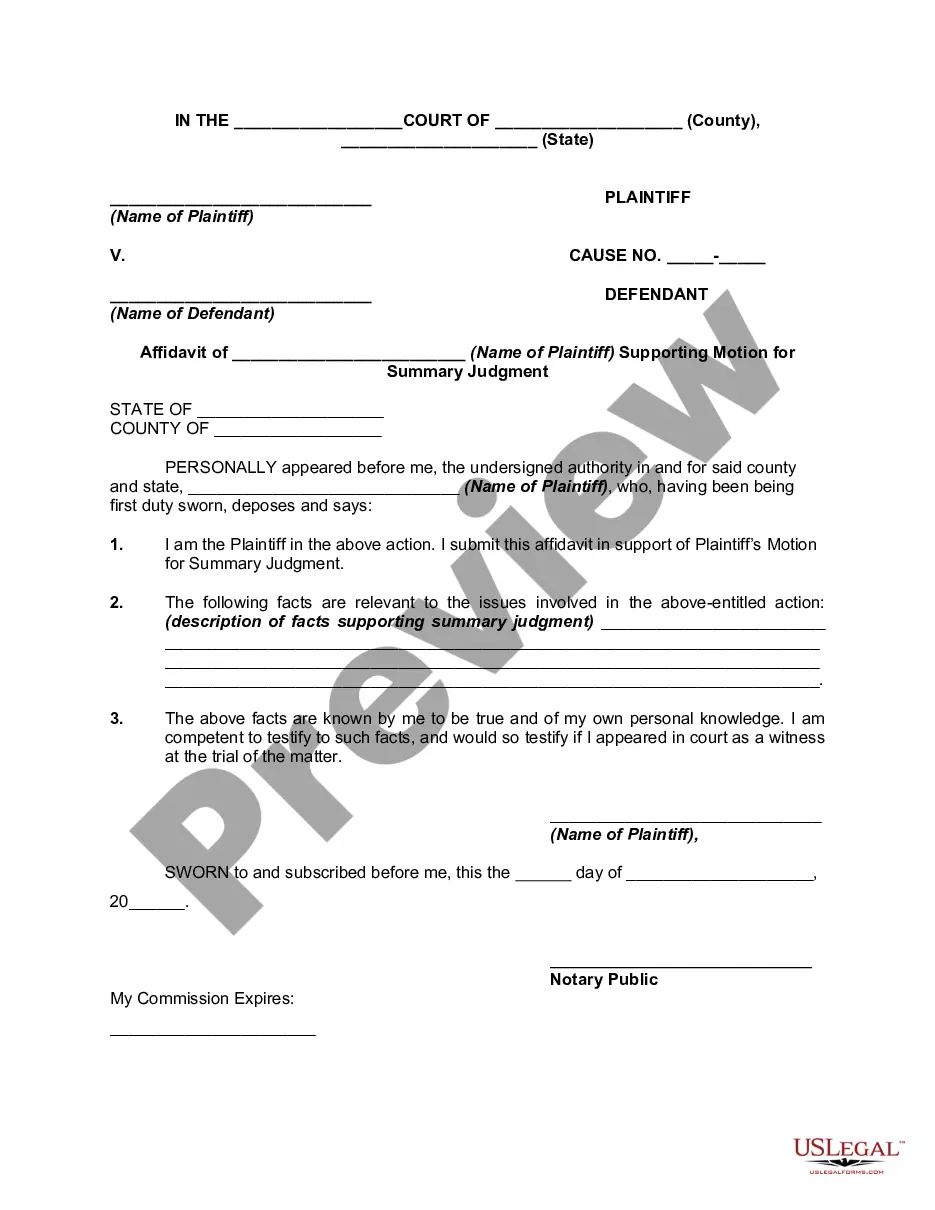
How to fill out Arizona Motion For Dismissal?
It’s well-known that you cannot instantly become a legal expert, nor can you swiftly create the Superior Court Form For Juvenile Matters without possessing a specialized education.
Compiling legal documents is a labor-intensive process that demands specific training and abilities. So why not entrust the creation of the Superior Court Form For Juvenile Matters to the experts.
With US Legal Forms, one of the most comprehensive legal document repositories, you can find everything from court forms to templates for internal communication.
If you need a different form, restart your search.
Create a free account and choose a subscription plan to buy the form. Click Buy now. Once the purchase is finalized, you can download the Superior Court Form For Juvenile Matters, complete it, print it, and send or mail it to the appropriate individuals or organizations.
- We recognize how vital compliance and adherence to federal and local regulations are.
- That’s why, on our platform, all templates are location-specific and current.
- To start, visit our website and acquire the form you need in just minutes.
- Locate the document you require using the search bar at the top of the page.
- Preview it (if this feature is available) and review the accompanying description to see if the Superior Court Form For Juvenile Matters is what you seek.
Form popularity
FAQ
Filling out papers for child support requires careful attention to detail. First, you need to obtain the correct superior court form for juvenile matters related to child support. Next, provide accurate information about your income, expenses, and the child's needs. If you need assistance, uslegalforms offers resources and guidance to help you complete the necessary paperwork correctly.
When you file a petition using the superior court form for juvenile matters, the court will review your submission for completeness. After your petition is accepted, a hearing date will be set, and all involved parties will be notified. This process allows the court to evaluate your situation and make decisions that protect the interests of the child. Understanding the procedures can help you navigate this important step effectively.
The duration of juvenile court cases can vary significantly based on the complexity of the case and the jurisdiction. Generally, cases can take several months to a year to resolve. Factors such as court schedules, the need for evaluations, and the involvement of legal representatives can all influence the timeline. It is helpful to use a superior court form for juvenile matters to ensure all documentation is complete, which can streamline the process.
The juvenile court process typically includes several phases: intake, adjudication, and disposition. During intake, the court reviews the case and determines if it should proceed. Following this, the adjudication phase involves a hearing where the court assesses evidence and makes decisions. Lastly, disposition involves the court deciding the appropriate action for the juvenile, often documented using a superior court form for juvenile matters.
Petition: A document filed in juvenile court alleging that a juvenile is a delinquent or a status offender and asking that the court assume jurisdiction over the juvenile or that an alleged delinquent be transferred to criminal court for prosecution as an adult. Petitioned case: See ?manner of handling.?
Ask the court for a court order to get a copy of a juvenile court case file.
A police officer, parent or private citizen can file a complaint, which is the equivalent of an adult arrest warrant. When the complaint is filed, a Juvenile Court intake officer decides whether or not to detain the youth based on circumstances related to the law.
Ask the court for information from a law enforcement agency about a child taken to a juvenile hall.