Superior Court Address
Description
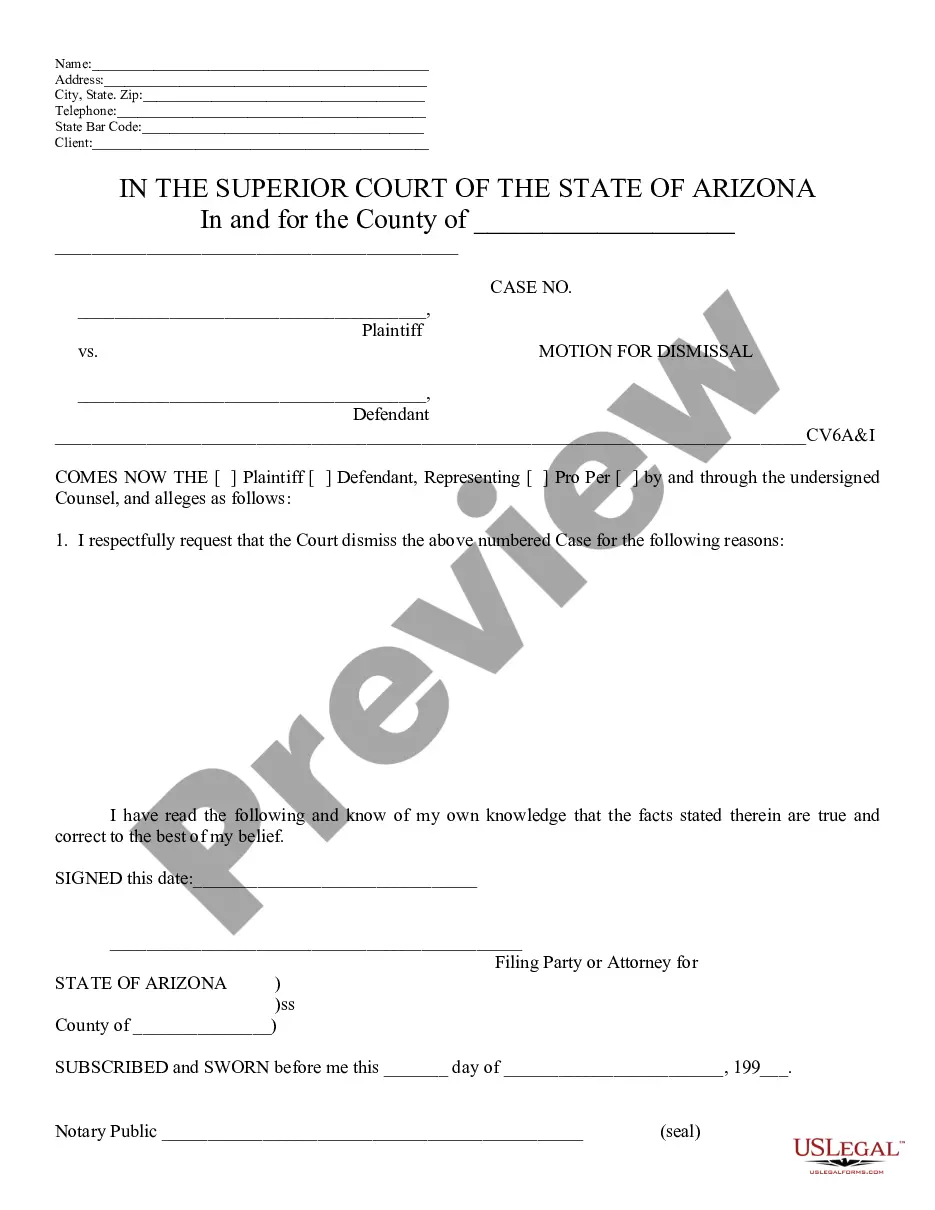
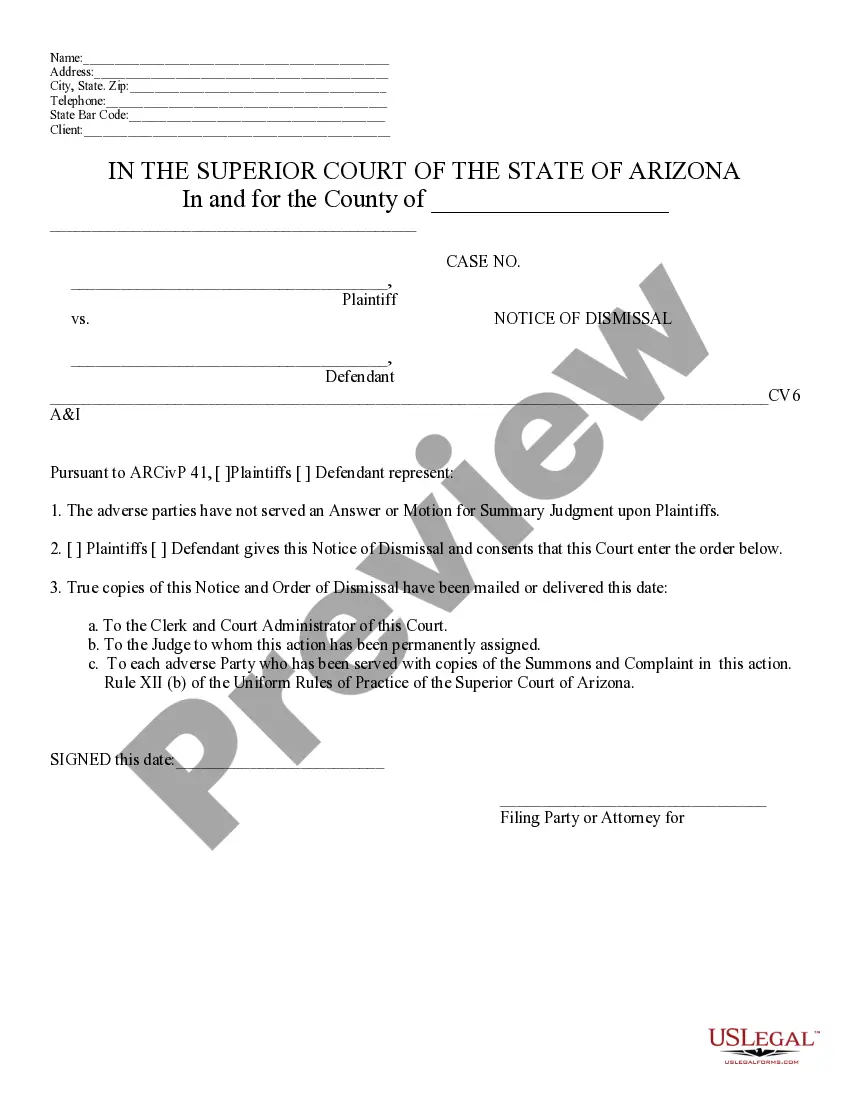
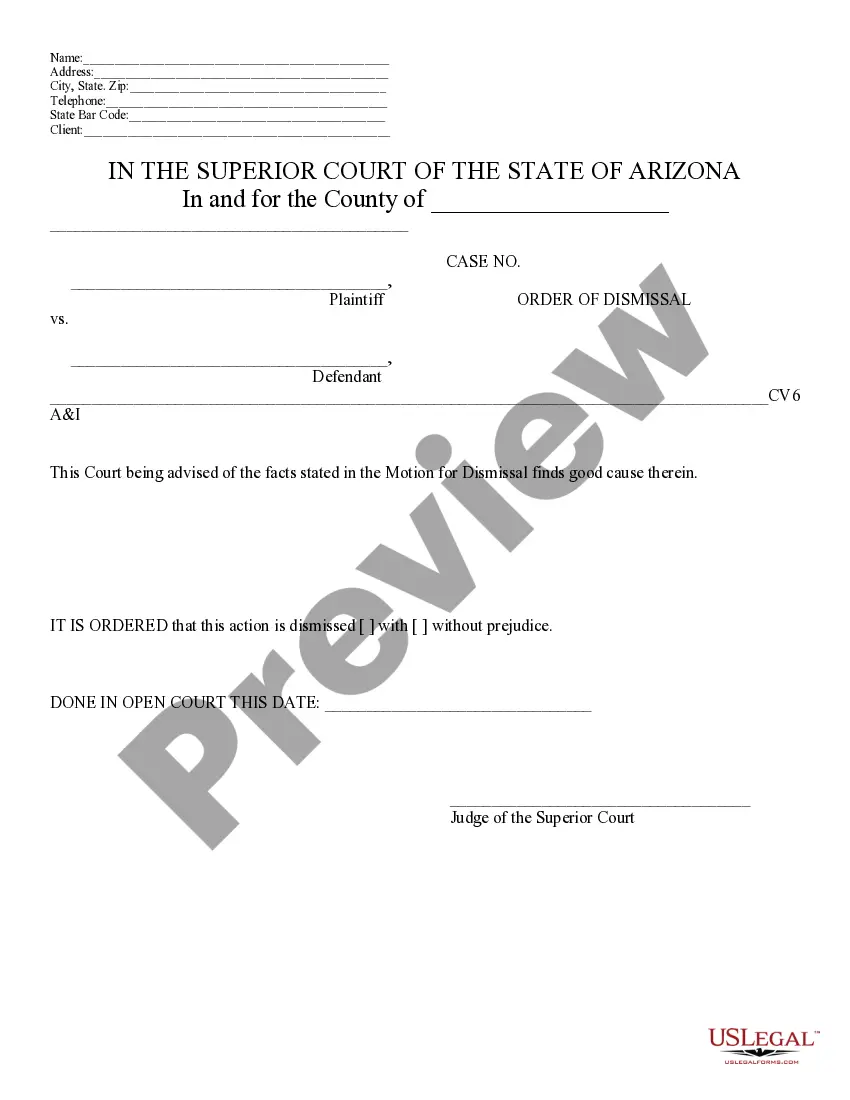
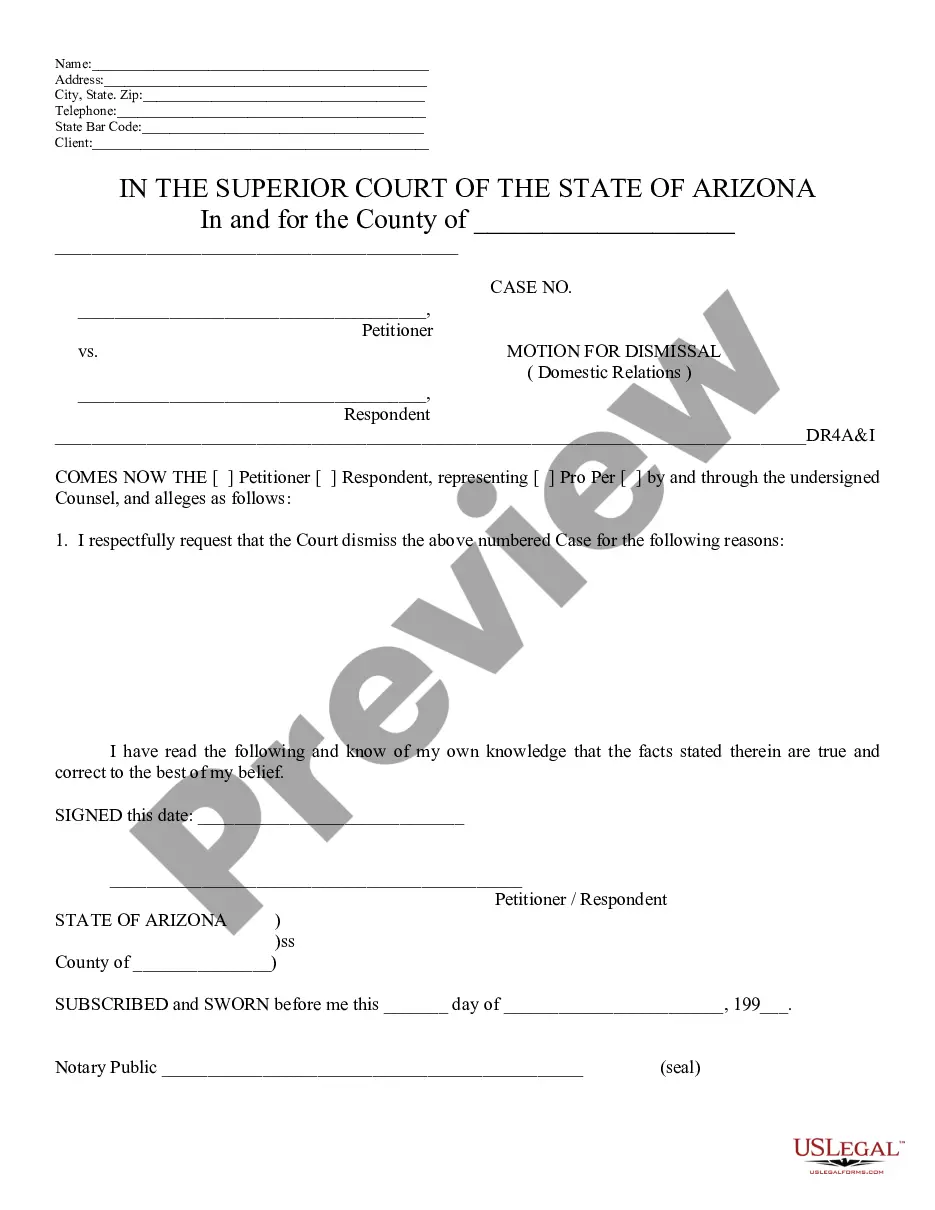
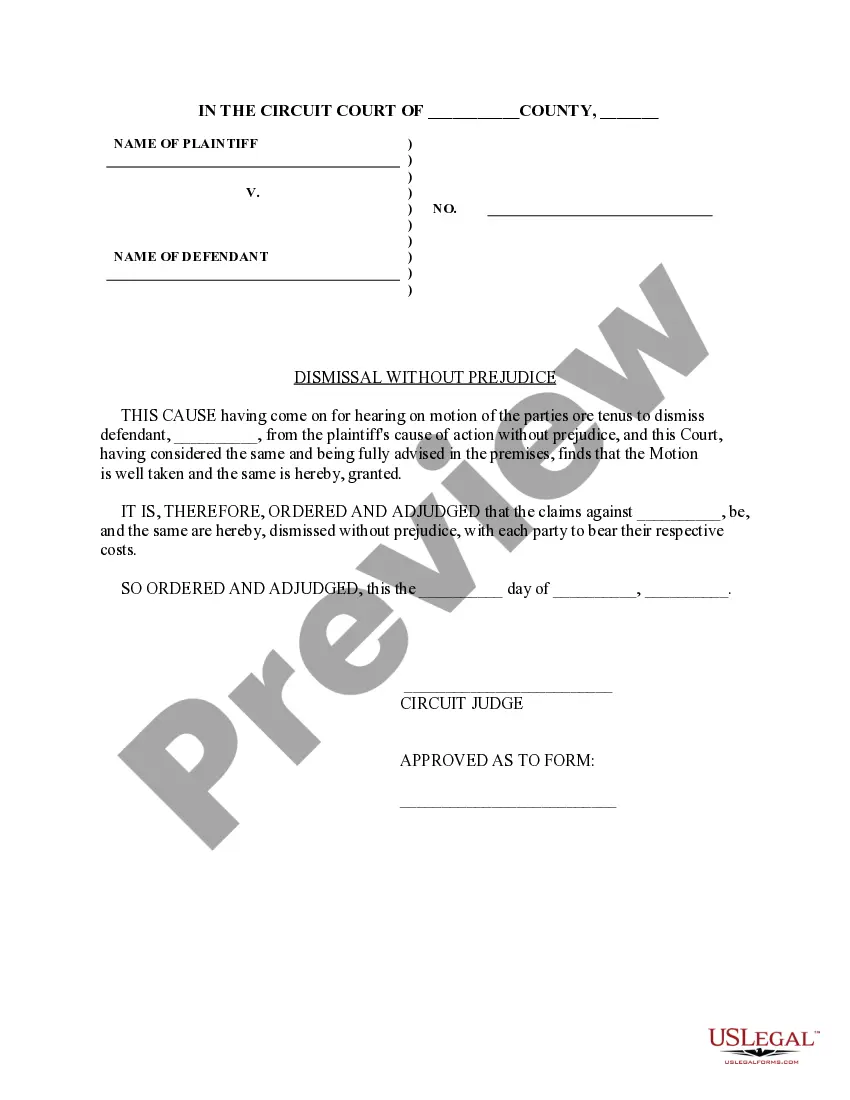
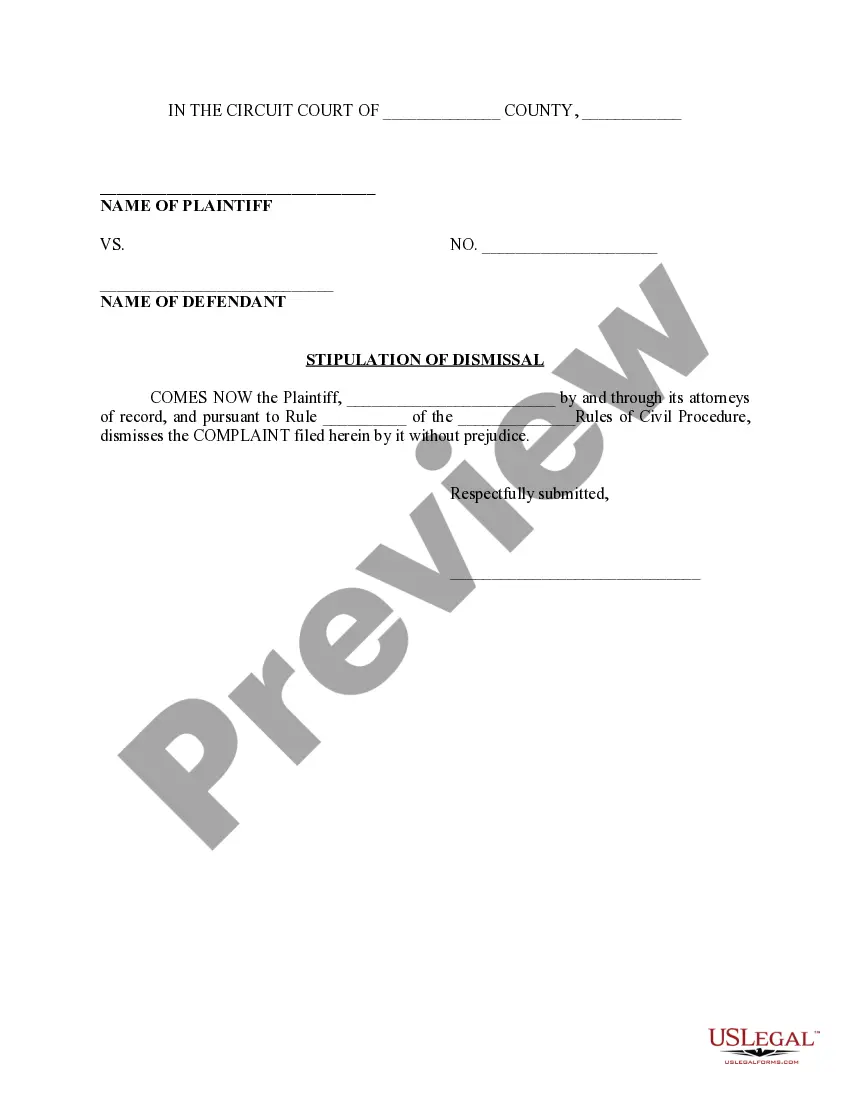
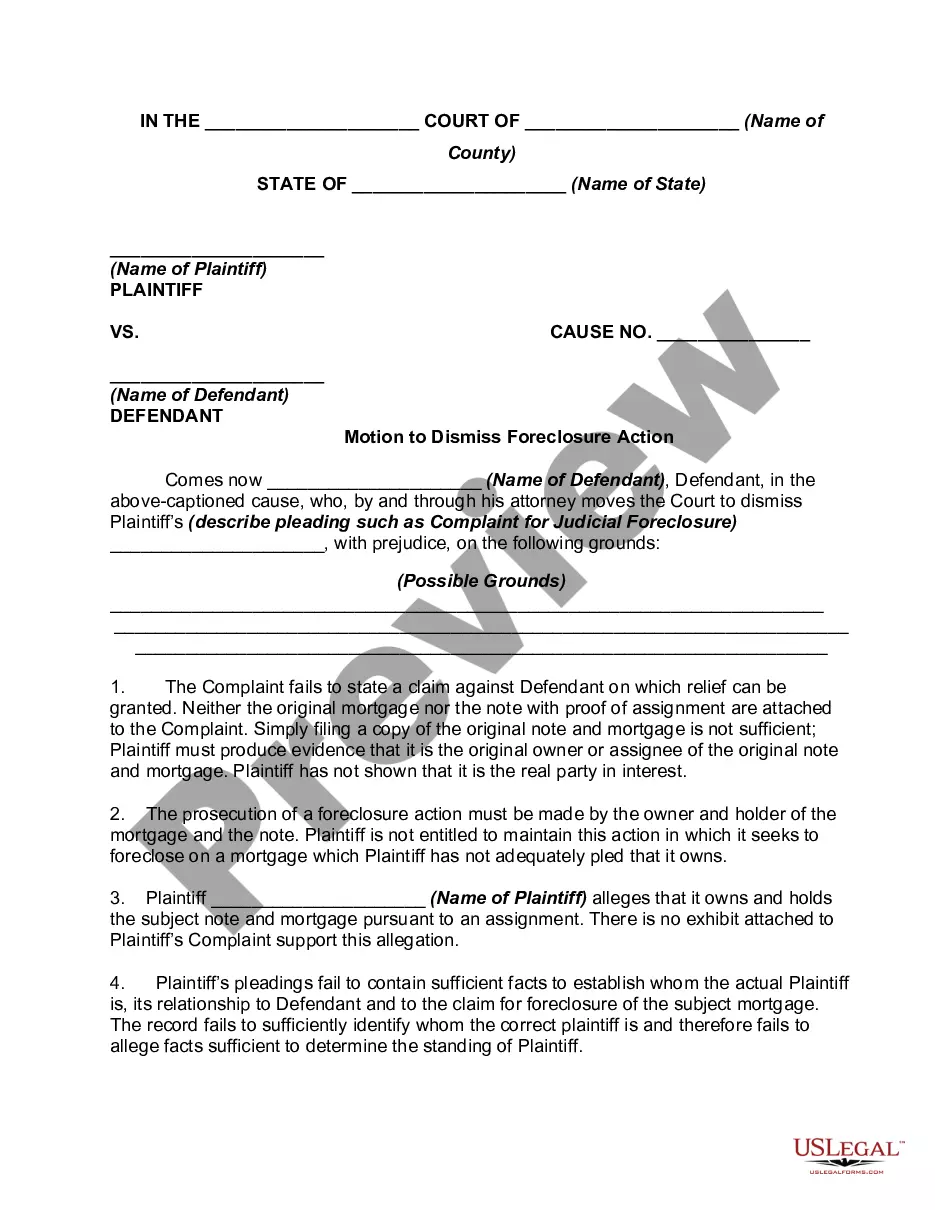
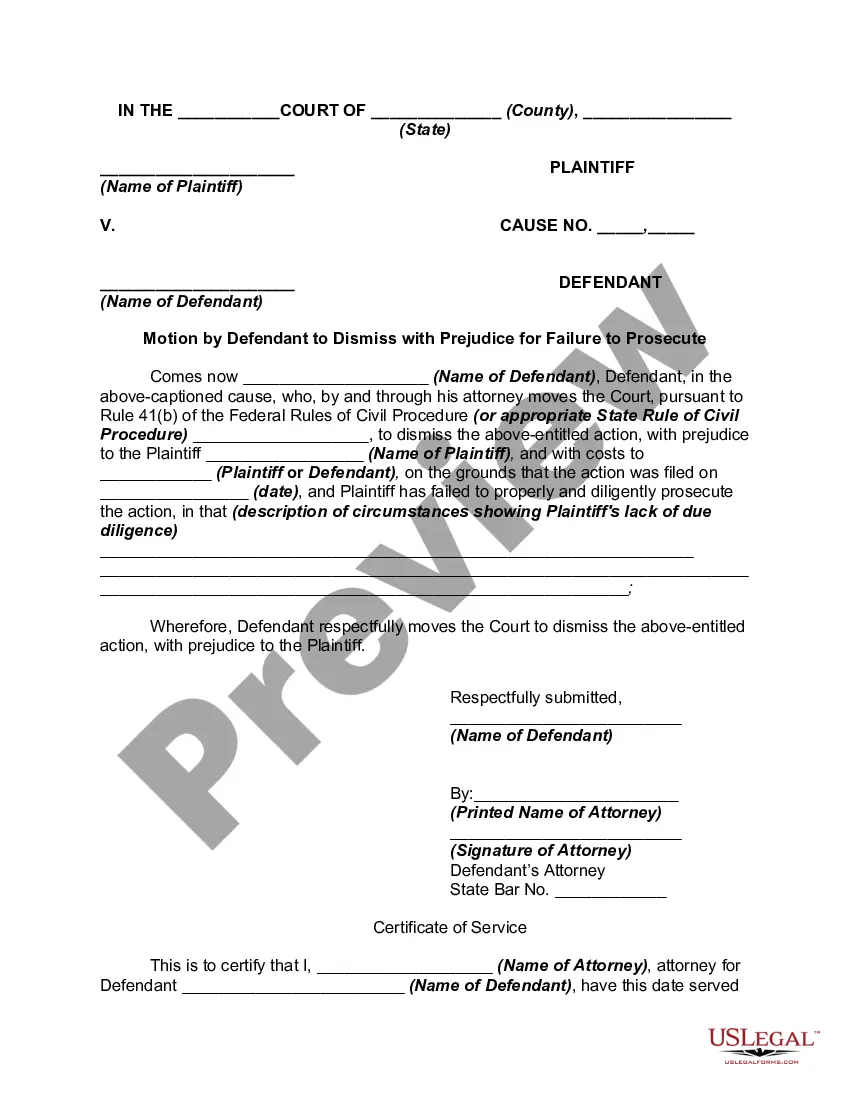
Get your form ready online
Our built-in tools help you complete, sign, share, and store your documents in one place.
Make edits, fill in missing information, and update formatting in US Legal Forms—just like you would in MS Word.
Download a copy, print it, send it by email, or mail it via USPS—whatever works best for your next step.
Sign and collect signatures with our SignNow integration. Send to multiple recipients, set reminders, and more. Go Premium to unlock E-Sign.
If this form requires notarization, complete it online through a secure video call—no need to meet a notary in person or wait for an appointment.
We protect your documents and personal data by following strict security and privacy standards.

Make edits, fill in missing information, and update formatting in US Legal Forms—just like you would in MS Word.

Download a copy, print it, send it by email, or mail it via USPS—whatever works best for your next step.

Sign and collect signatures with our SignNow integration. Send to multiple recipients, set reminders, and more. Go Premium to unlock E-Sign.

If this form requires notarization, complete it online through a secure video call—no need to meet a notary in person or wait for an appointment.

We protect your documents and personal data by following strict security and privacy standards.
Looking for another form?




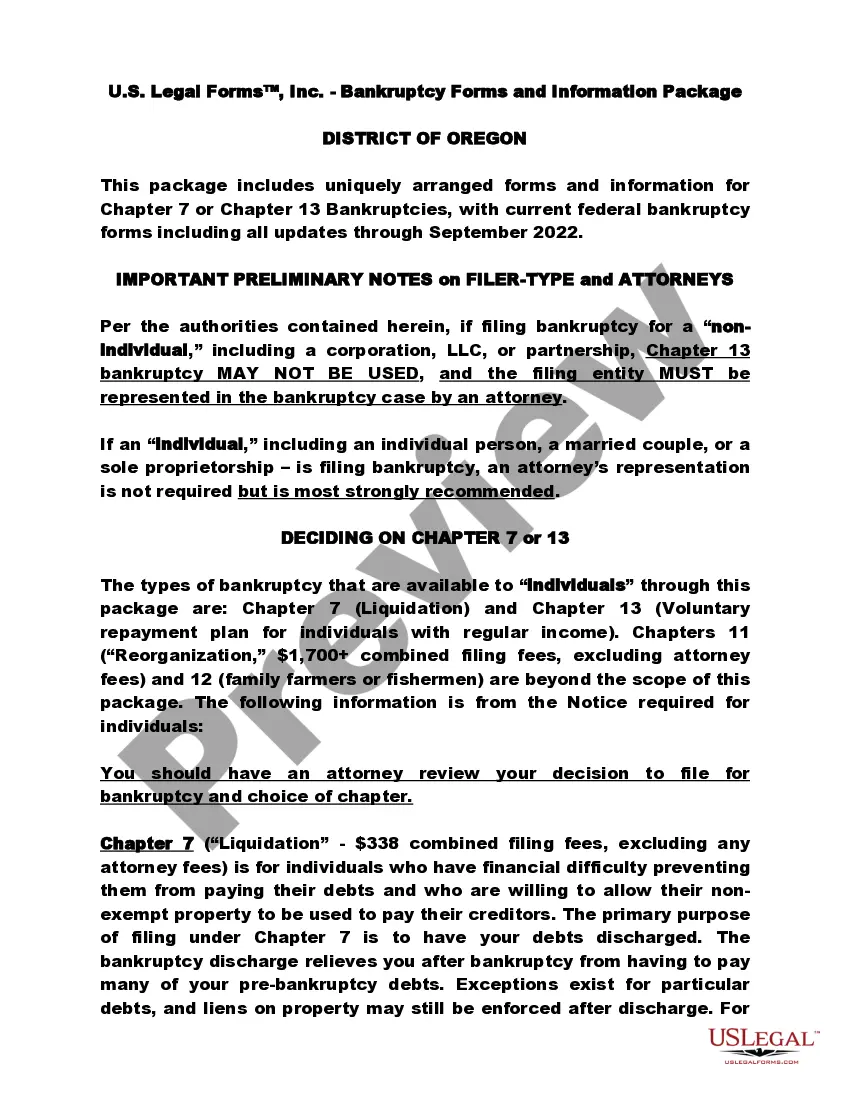
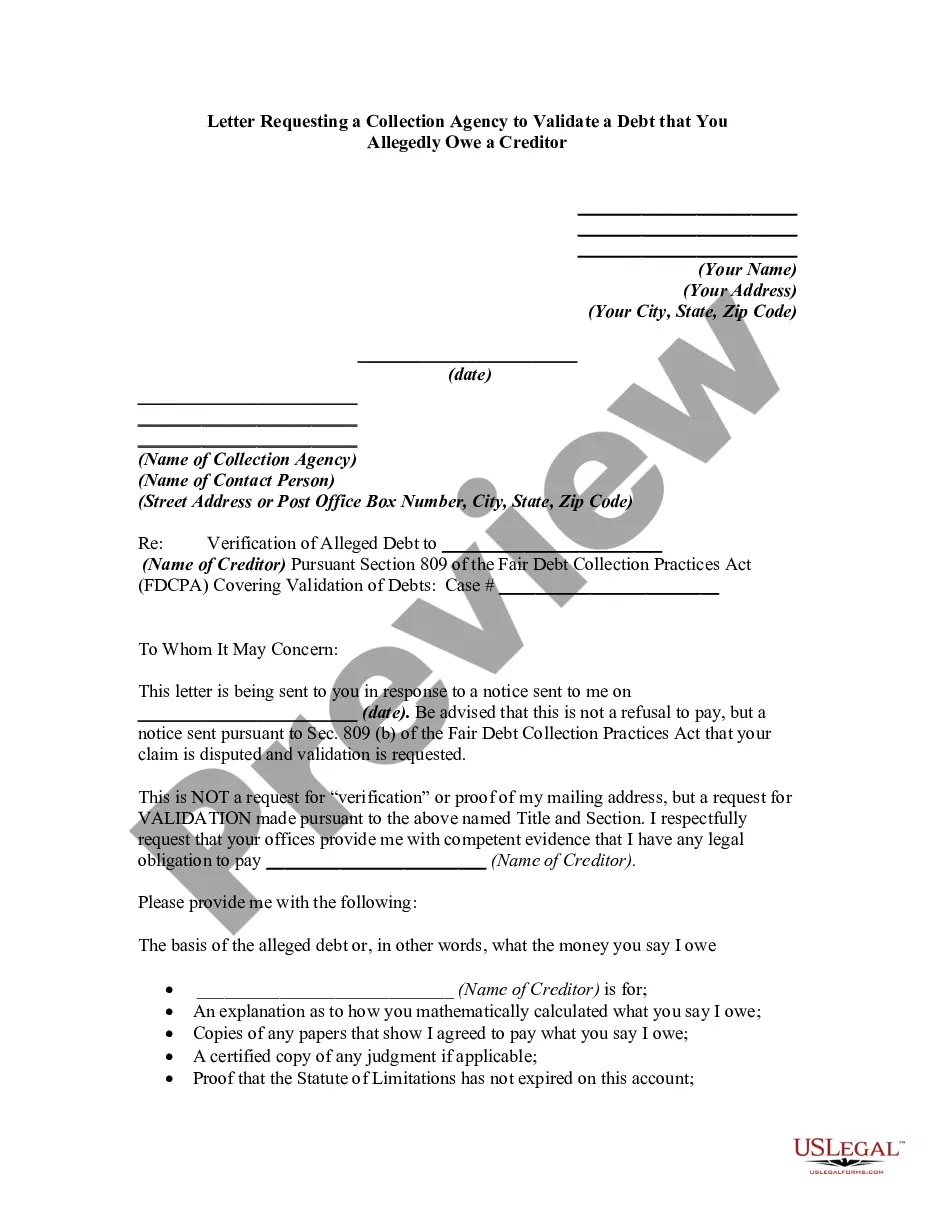


How to fill out Arizona Motion For Dismissal?
Managing legal documents can be exasperating, even for the most seasoned professionals.
When you are looking for a Superior Court Address and lack the time to dedicate to finding the correct and current version, the process can be overwhelming.
US Legal Forms caters to any requirements you may have, from personal to corporate documents, all in one location.
Utilize cutting-edge tools to complete and manage your Superior Court Address.
Here are the steps to follow after accessing the form you need: Confirm this is the correct form by previewing it and examining its description. Ensure that the template is authorized in your state or county. Click Buy Now when you're ready. Select a subscription plan. Choose the desired file format, and Download, complete, sign, print, and submit your documents. Leverage the US Legal Forms online library, backed by 25 years of experience and trustworthiness. Transform your daily document management into a straightforward and user-friendly process today.
- Access a repository of articles, guides, handbooks, and materials pertinent to your situation and needs.
- Save time and energy searching for the documents you require, and take advantage of US Legal Forms’ sophisticated search and Preview feature to locate Superior Court Address and obtain it.
- If you hold a membership, Log In to your US Legal Forms account, find the form, and obtain it.
- Check your My documents tab to review the documents you have previously downloaded and manage your folders as desired.
- If this is your first time using US Legal Forms, create a free account for unlimited access to all the benefits of the library.
- A robust web form library can be transformative for anyone aiming to handle these situations proficiently.
- US Legal Forms is a frontrunner in the online legal forms sector, featuring over 85,000 state-specific legal forms accessible at any time.
- With US Legal Forms, you can access state- or county-specific legal and business documents.
Form popularity
FAQ
To address a Superior Court judge in a letter, use the salutation 'Dear Judge Last Name.' It is important to include the correct Superior Court address at the beginning of your letter. This demonstrates proper etiquette and ensures your correspondence reaches its intended recipient. Following these guidelines will help you communicate effectively.
Yes, you can write a letter directly to a judge, but it must be done respectfully and appropriately. Ensure that you use the correct Superior Court address to avoid misdelivery. Keep your letter concise and focused on the issue at hand. If you need assistance drafting the letter, platforms like US Legal Forms can provide templates to guide you.
The correct way to address a judge in a letter is to use 'Your Honor' when speaking directly. In written communication, start with 'Dear Honorable Last Name.' Always include the Superior Court address in your correspondence to ensure proper delivery. This approach helps you establish respect and clarity in your communication.
To formally address a letter to a judge, begin with the salutation 'Dear Honorable Full Name.' Following this, include the appropriate Superior Court address to ensure the letter is directed correctly. This format maintains a professional tone and reflects respect for the judiciary. It's essential to follow these guidelines to convey your message effectively.
The Texas Supreme Court is located in Austin, Texas. The specific Superior Court address is 201 West 14th Street, Room 104, Austin, TX 78701. Knowing the correct address is crucial if you need to submit documents or attend a hearing. You can find more information about the court's functions and services on official state websites.
To address a letter to a Superior Court judge, start with the salutation 'Dear Judge Last Name.' Ensure you include the correct Superior Court address at the top of the letter. This format shows respect and professionalism. Additionally, using the proper Superior Court address helps ensure your letter reaches the judge without delays.
When addressing a letter to the Supreme Court, start with 'The Supreme Court of the United States' followed by the court's address. If you are writing to a specific justice, include their name on the next line. Ensure your letter is concise and to the point. If you’re unsure about the format, uslegalforms can provide templates to guide your correspondence.
The address for the US Supreme Court justices is the Supreme Court of the United States, 1 First Street, NE, Washington, DC 20543. If you need to send correspondence to a justice, using this address ensures that your letter reaches the appropriate office. Always include the name of the specific justice if you have one in mind. Additionally, you may find it helpful to know the superior court address relevant to your case.
Generally, you cannot go directly to the Supreme Court. Most cases must first be heard in lower courts, such as a superior court, before they can be escalated to the Supreme Court. This process allows for a thorough examination of the case at various judicial levels. For specific legal issues, consider consulting resources like uslegalforms to navigate the complexities involved.
When addressing a judge, it is important to use a respectful tone. Typically, you should refer to them as 'Your Honor' during court proceedings. This shows proper respect for their position and authority. Remember, maintaining a respectful demeanor helps create a positive atmosphere in the courtroom.