Arizona Motion Az For New Trial
Description
Get your form ready online
Our built-in tools help you complete, sign, share, and store your documents in one place.
Make edits, fill in missing information, and update formatting in US Legal Forms—just like you would in MS Word.
Download a copy, print it, send it by email, or mail it via USPS—whatever works best for your next step.
Sign and collect signatures with our SignNow integration. Send to multiple recipients, set reminders, and more. Go Premium to unlock E-Sign.
If this form requires notarization, complete it online through a secure video call—no need to meet a notary in person or wait for an appointment.
We protect your documents and personal data by following strict security and privacy standards.

Make edits, fill in missing information, and update formatting in US Legal Forms—just like you would in MS Word.

Download a copy, print it, send it by email, or mail it via USPS—whatever works best for your next step.

Sign and collect signatures with our SignNow integration. Send to multiple recipients, set reminders, and more. Go Premium to unlock E-Sign.

If this form requires notarization, complete it online through a secure video call—no need to meet a notary in person or wait for an appointment.

We protect your documents and personal data by following strict security and privacy standards.
Looking for another form?




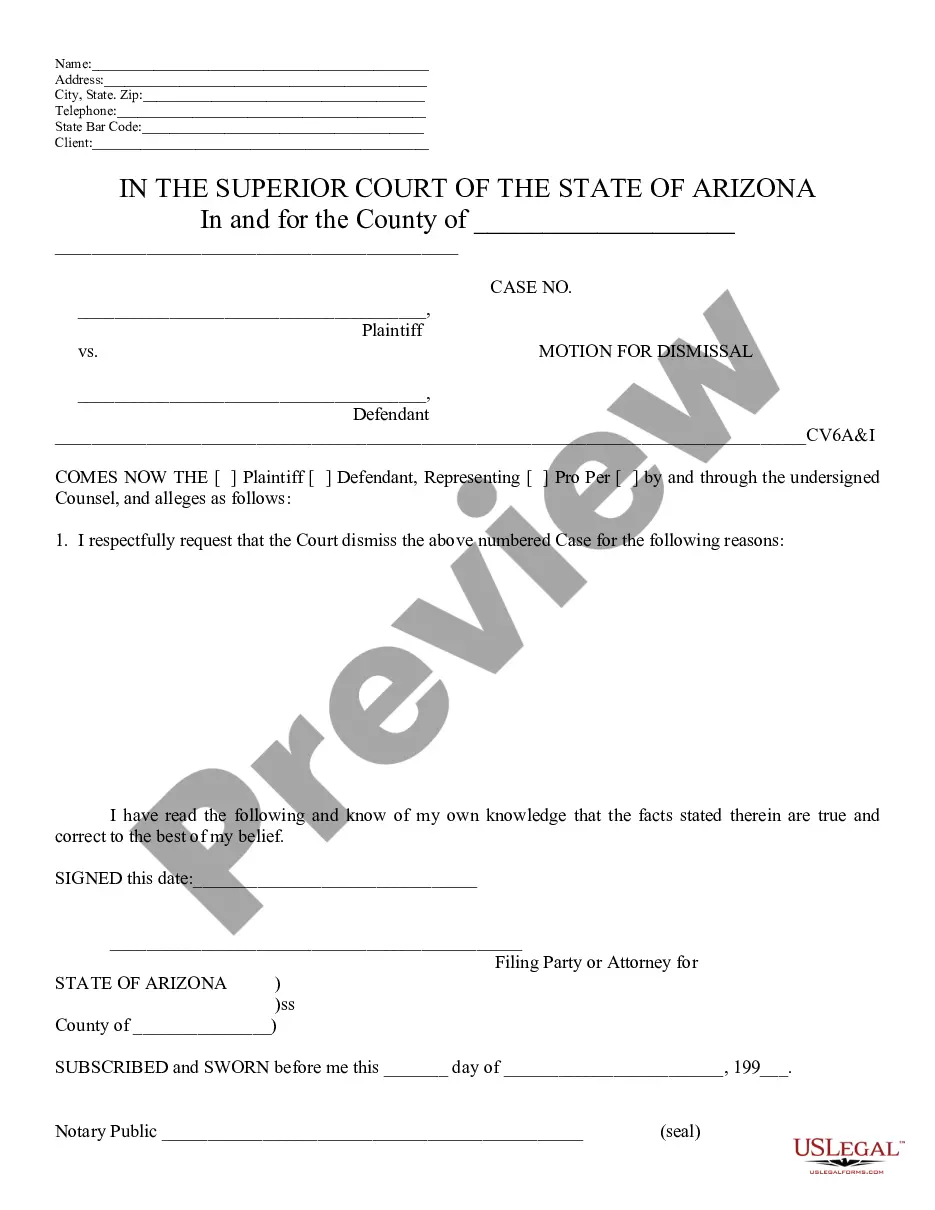
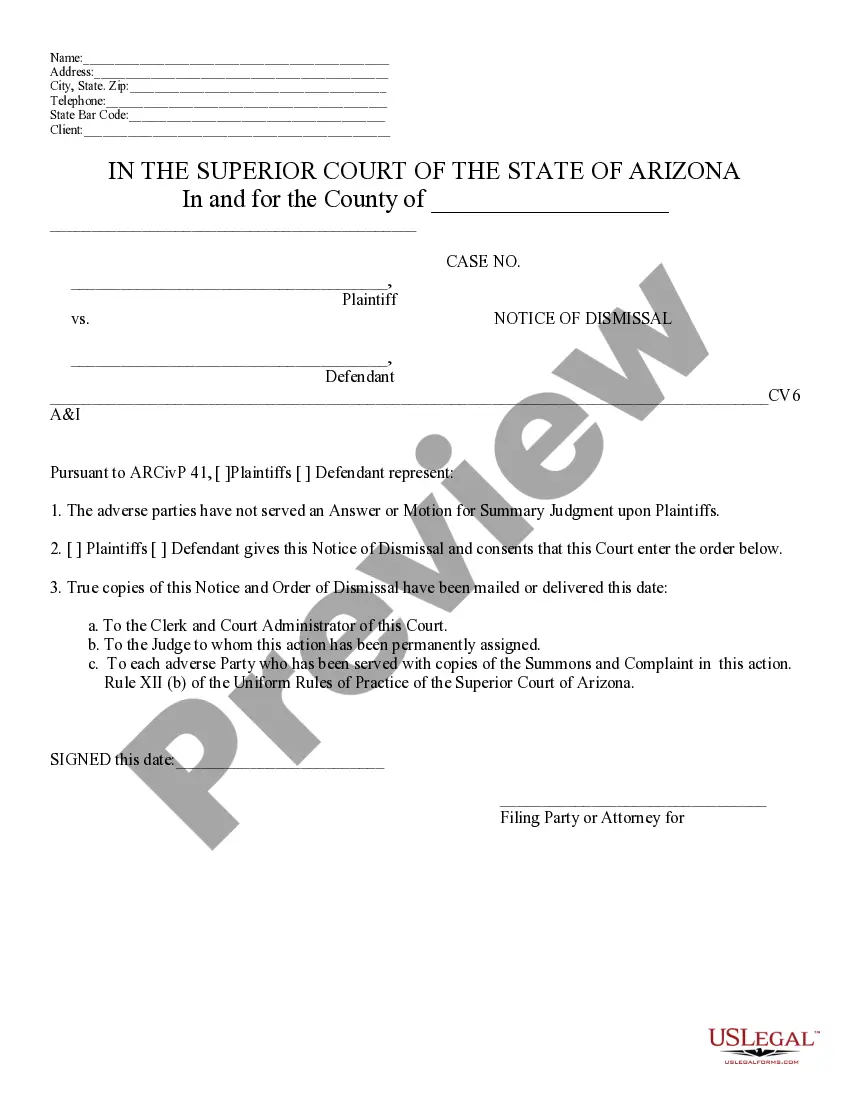
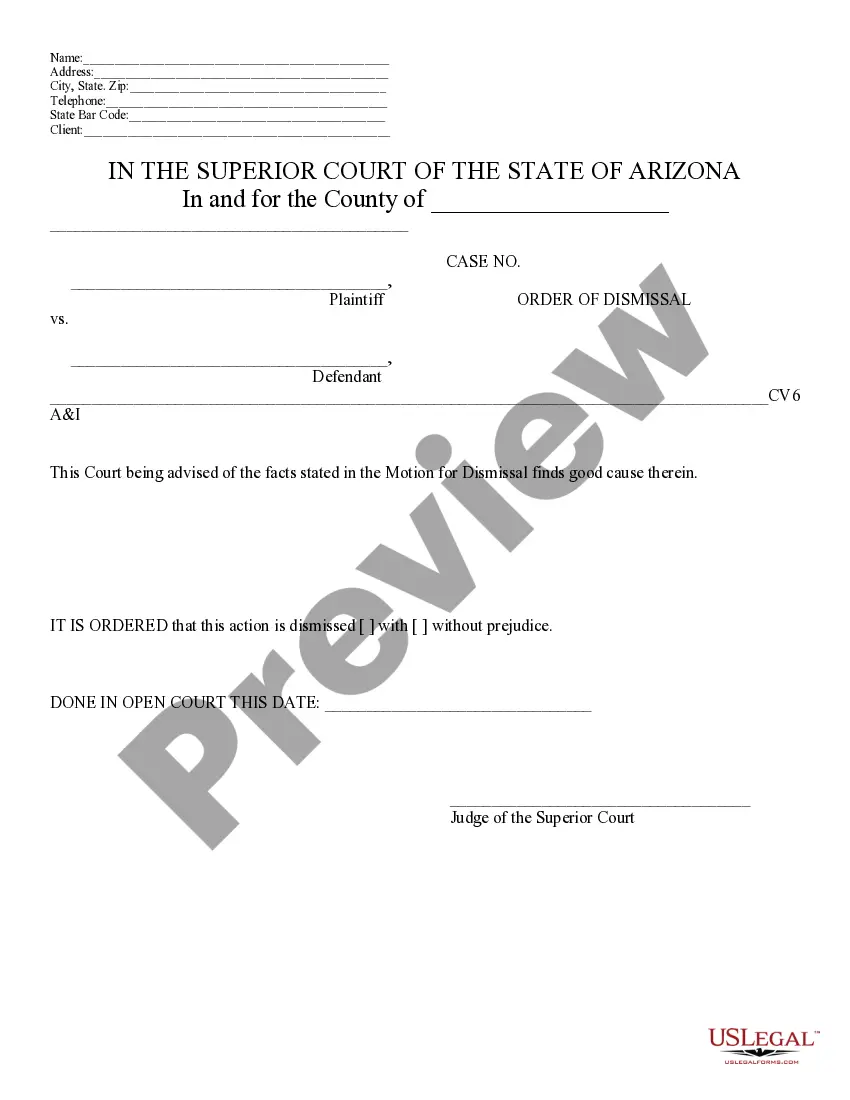
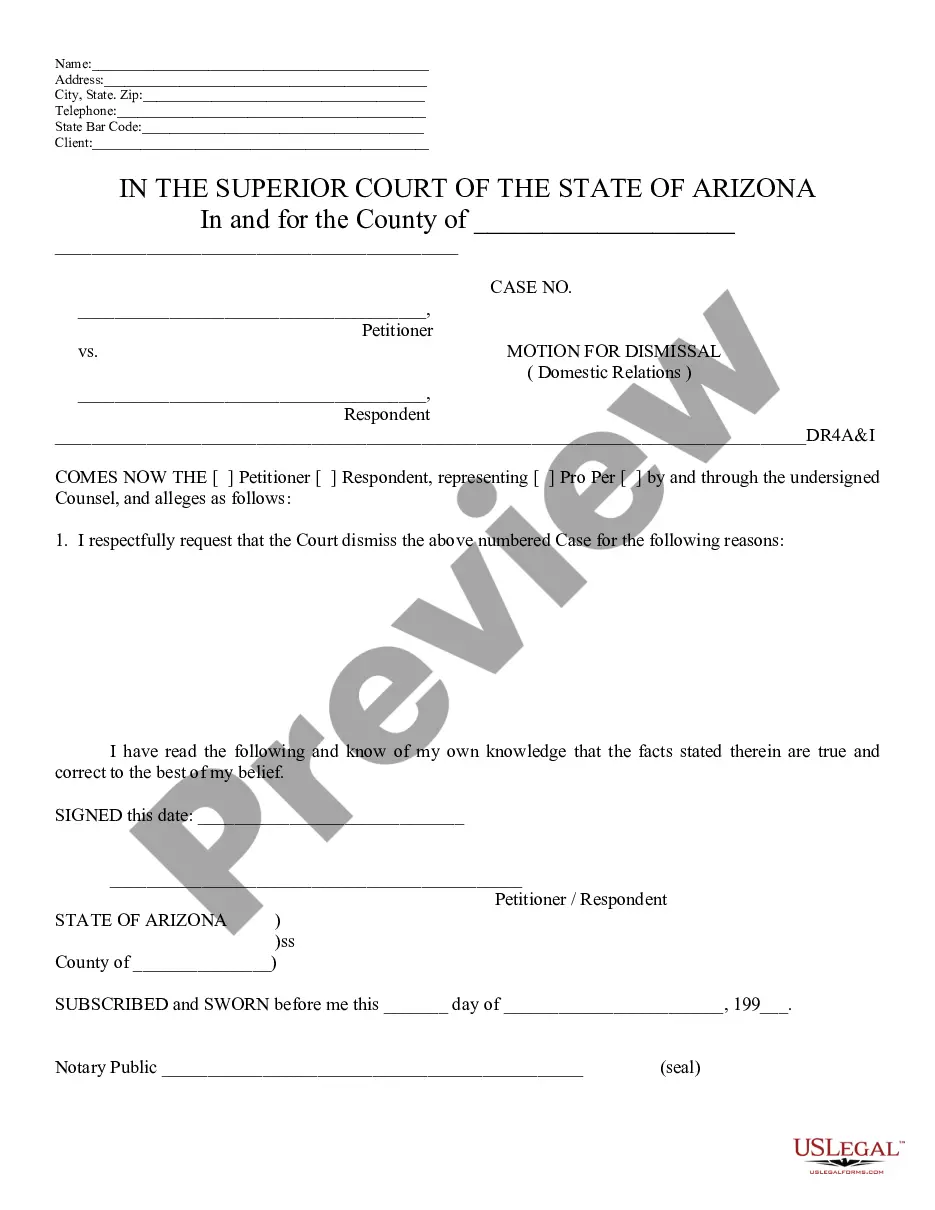
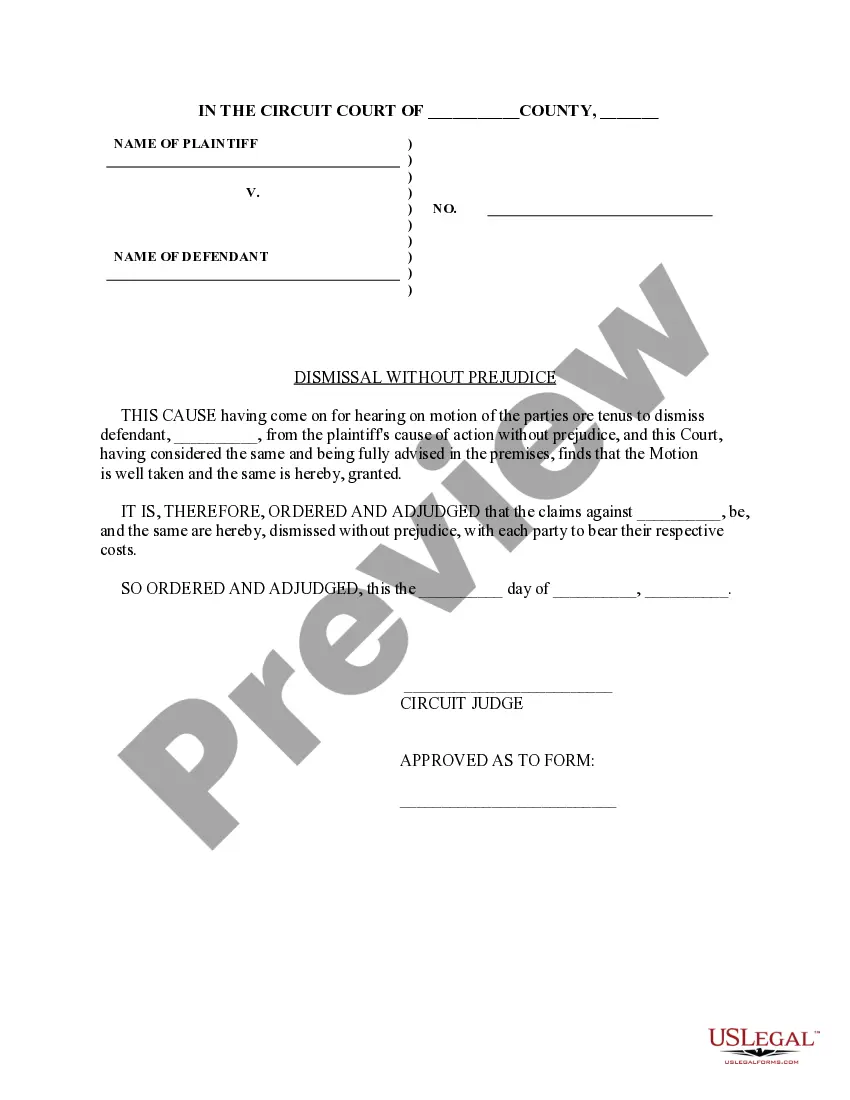
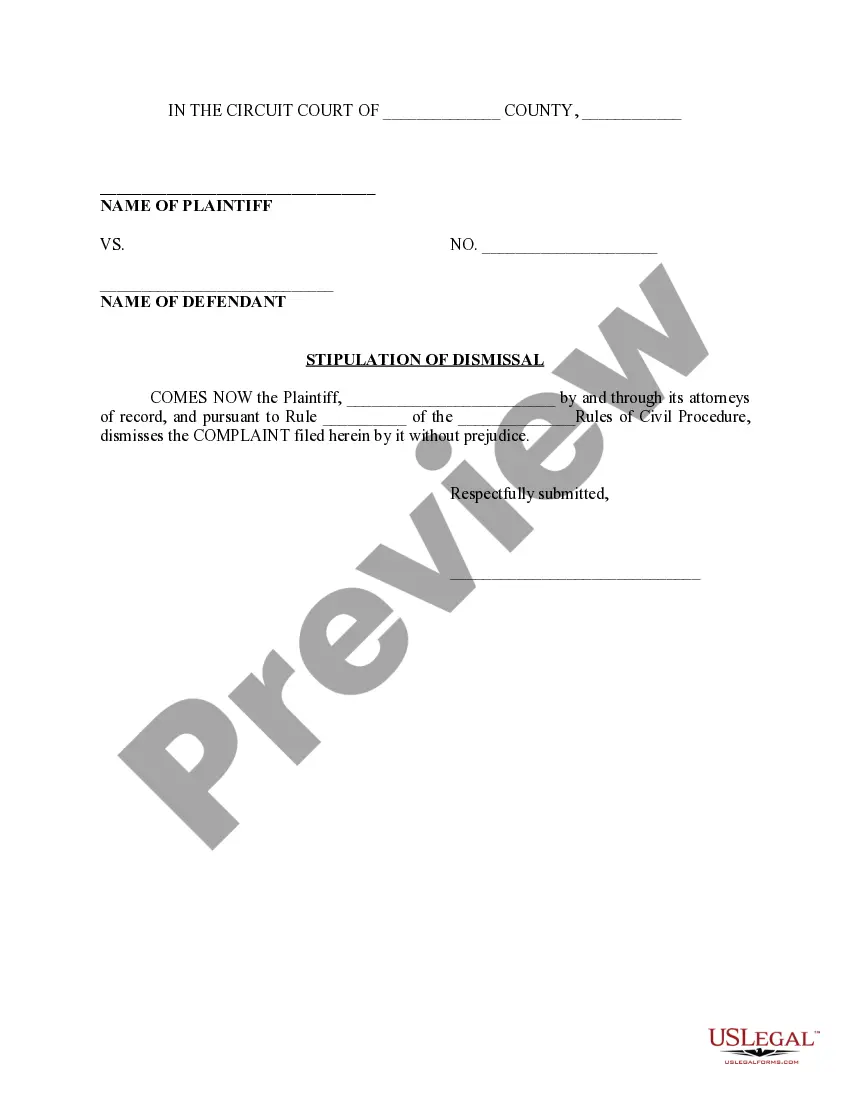
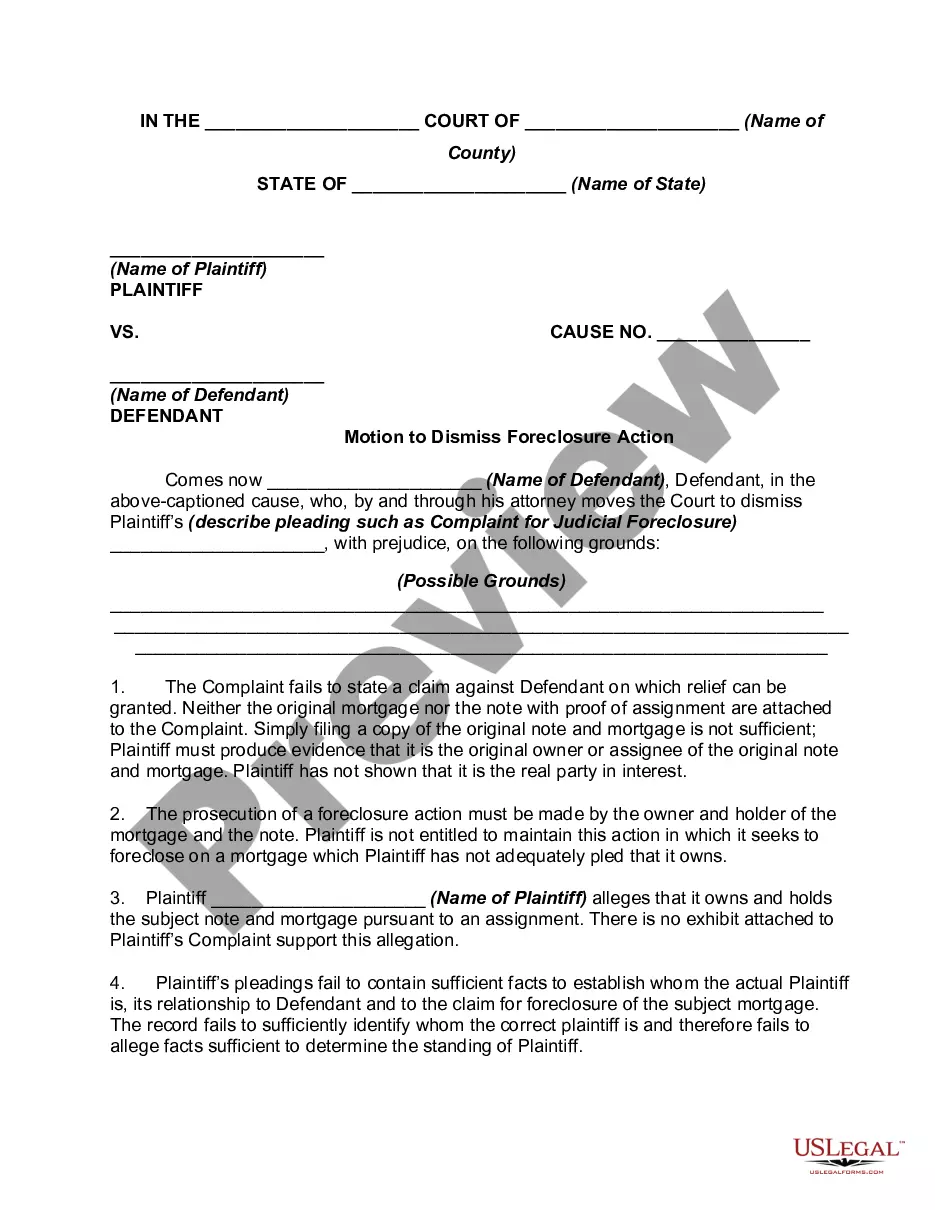
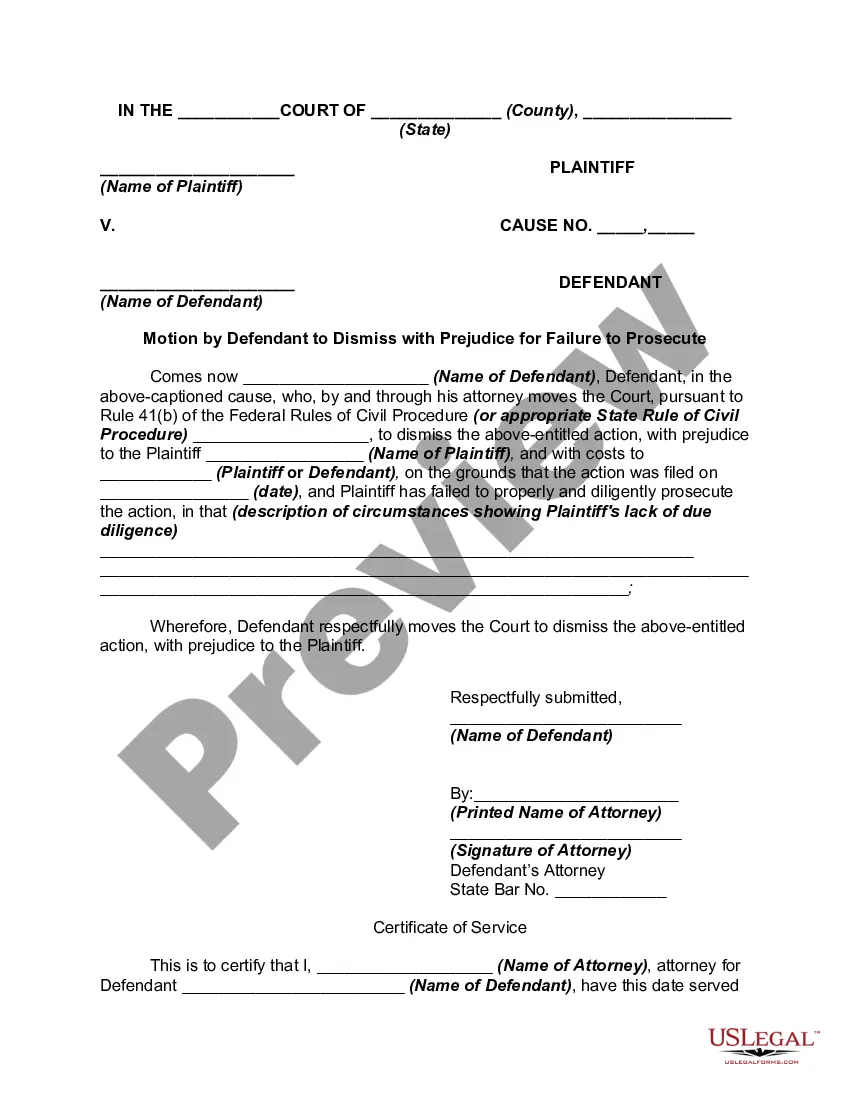
How to fill out Arizona Motion For Dismissal?
Regardless of whether it is for corporate reasons or personal issues, everyone must confront legal matters at some point in their existence.
Completing legal documentation necessitates meticulous care, starting from selecting the appropriate form template.
Once it is saved, you can complete the form using editing software or print it to finalize it by hand. With a comprehensive US Legal Forms catalog available, you don’t need to waste time searching for the suitable template online. Utilize the library’s straightforward navigation to find the correct form for any circumstance.
- Obtain the template you require via the search field or catalog navigation.
- Review the form’s details to confirm it aligns with your situation, state, and county.
- Select the form’s preview to examine it.
- If it is not the correct form, return to the search function to locate the Arizona Motion Az For New Trial sample you need.
- Acquire the template once it satisfies your needs.
- If you possess a US Legal Forms account, simply click Log in to access previously saved documents in My documents.
- Should you not have an account yet, you can download the form by clicking Buy now.
- Choose the suitable pricing option.
- Fill out the profile registration form.
- Select your payment method: you can use a credit card or PayPal account.
- Choose the file format you prefer and download the Arizona Motion Az For New Trial.
Form popularity
FAQ
Any party desiring reconsideration of a decision of an appellate court may file a motion for reconsideration in the appellate court within fifteen days after the filing of a decision by the appellate court. The motion shall not be amended except by leave of court.
After a nonjury trial, the court may, on motion for a new trial, vacate the judgment if one has been entered, take additional testimony, amend findings of fact and conclusions of law or make new ones, and direct the entry of a new judgment.
Motions must be in writing unless made during a hearing or trial. AZ D LRCiv 7.2(a) (amended eff 12/1/17). The moving party must serve and file with the motion's papers a memorandum setting forth the points and authorities relied upon, unless ordered by the court.
After a verdict in any phase of trial, capital or noncapital, the court may order a new trial or phase of trial on the defendant's motion or on its own, with the defendant's consent. (b)Timeliness. A party must file a motion for a new trial no later than 10 days after return of the verdict being challenged.
No later than 28 days after the entry of judgment, the court, on its own, may order a new trial for any reason that would justify granting one on a party's motion. After giving the parties notice and an opportunity to be heard, the court may grant a timely motion for a new trial for a reason not stated in the motion.