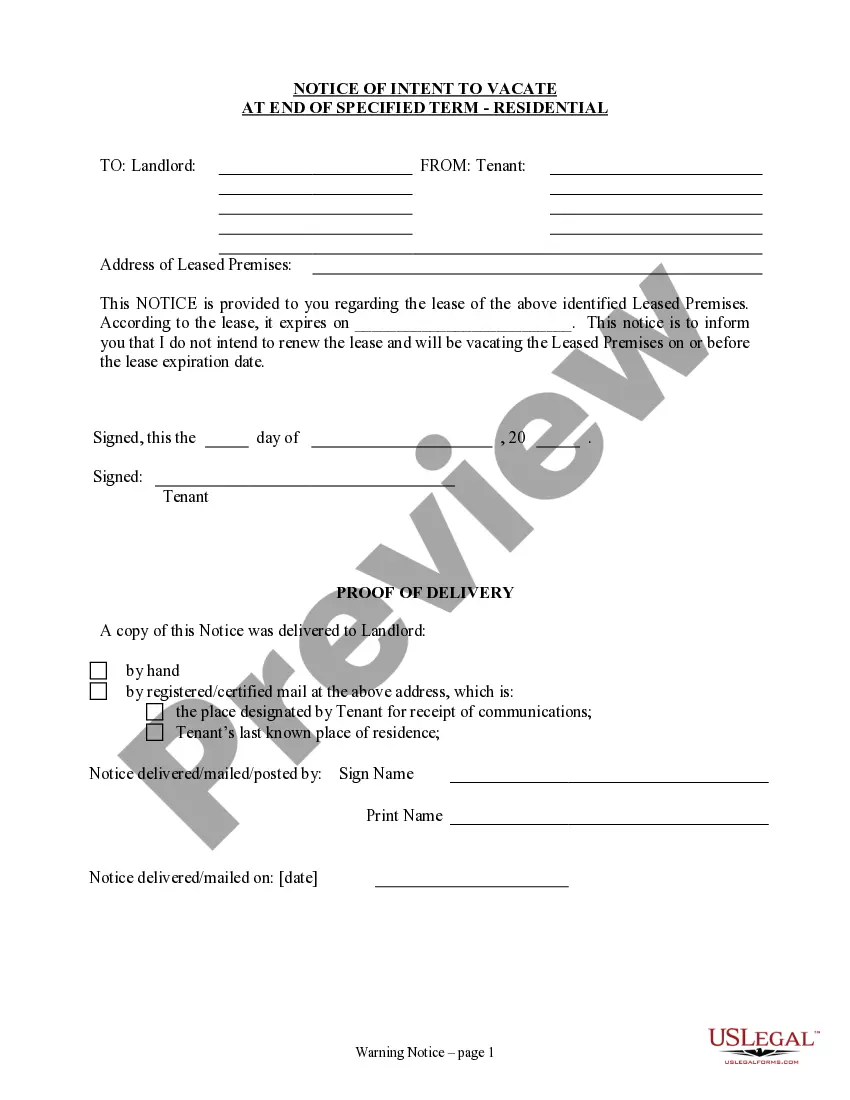
Notice Tenant Landlord With A Tenant
Description
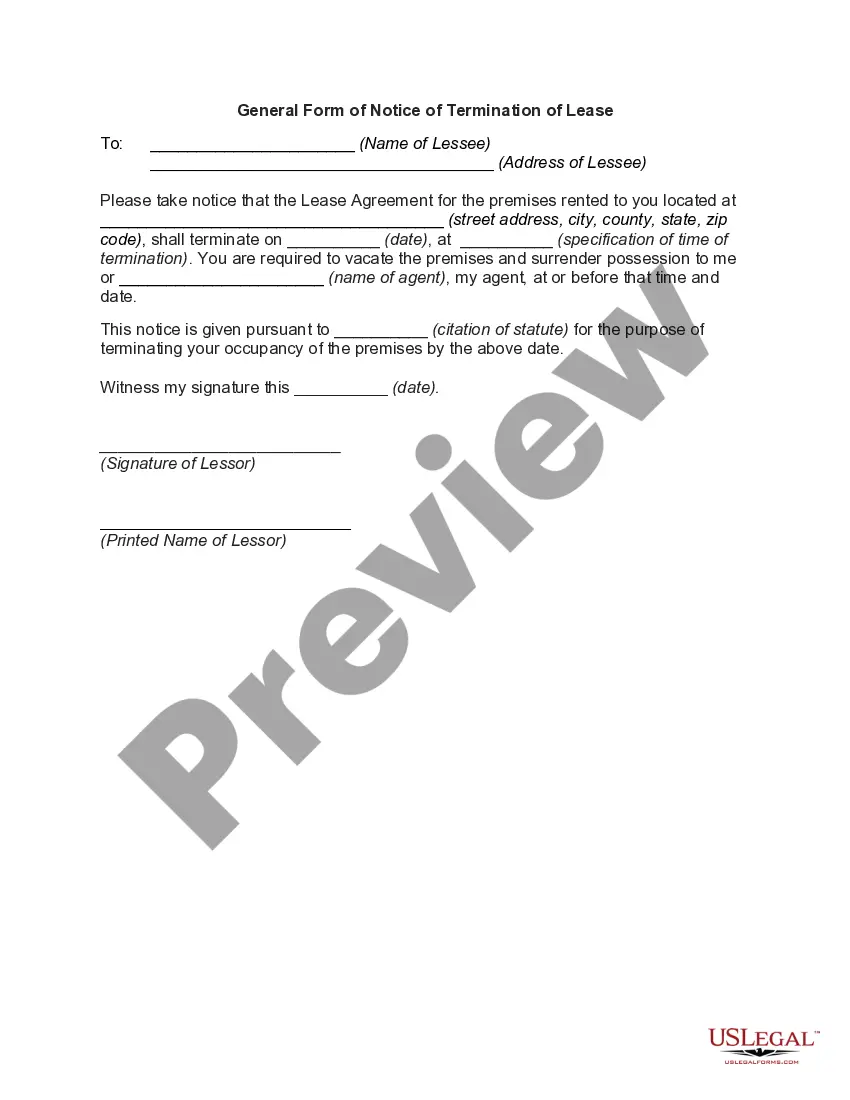
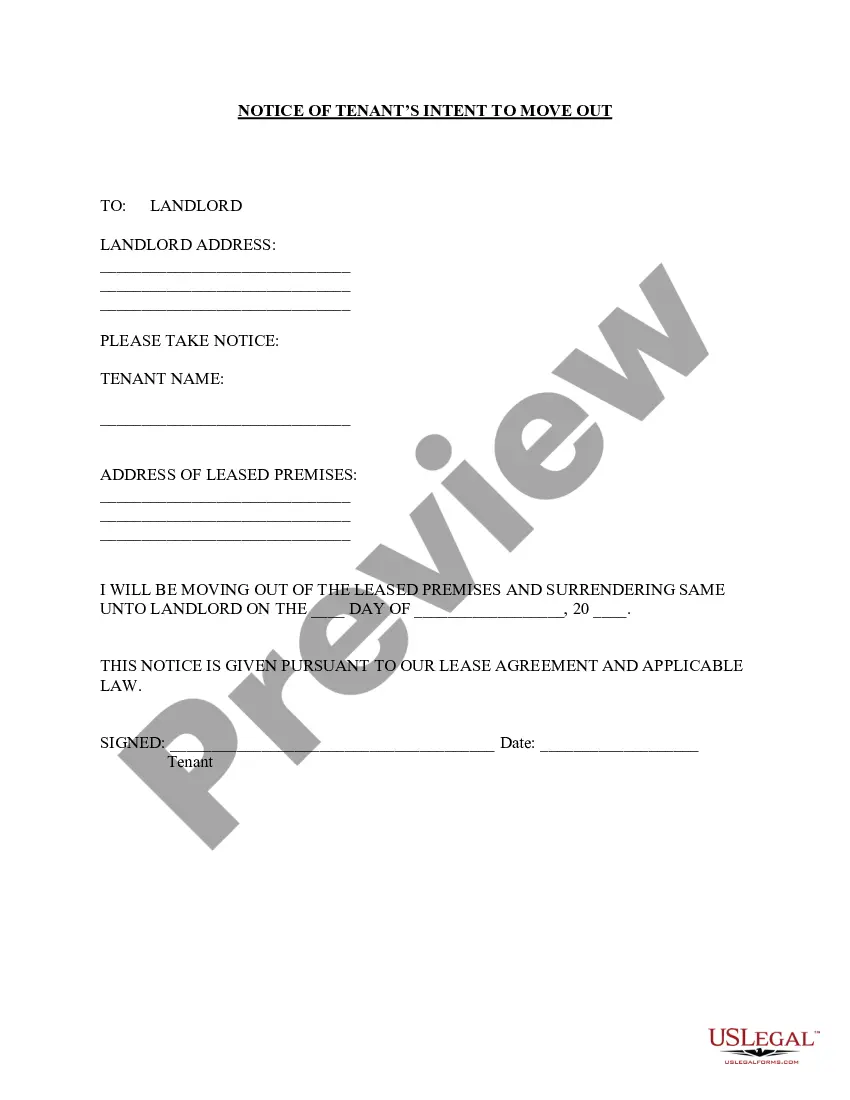

Get your form ready online
Our built-in tools help you complete, sign, share, and store your documents in one place.
Make edits, fill in missing information, and update formatting in US Legal Forms—just like you would in MS Word.
Download a copy, print it, send it by email, or mail it via USPS—whatever works best for your next step.
Sign and collect signatures with our SignNow integration. Send to multiple recipients, set reminders, and more. Go Premium to unlock E-Sign.
If this form requires notarization, complete it online through a secure video call—no need to meet a notary in person or wait for an appointment.
We protect your documents and personal data by following strict security and privacy standards.

Make edits, fill in missing information, and update formatting in US Legal Forms—just like you would in MS Word.

Download a copy, print it, send it by email, or mail it via USPS—whatever works best for your next step.

Sign and collect signatures with our SignNow integration. Send to multiple recipients, set reminders, and more. Go Premium to unlock E-Sign.

If this form requires notarization, complete it online through a secure video call—no need to meet a notary in person or wait for an appointment.

We protect your documents and personal data by following strict security and privacy standards.
Looking for another form?









How to fill out Arizona Notice Of Intent To Vacate At End Of Specified Lease Term From Tenant To Landlord For Residential Property?
- Start by visiting the US Legal Forms website and check for the specific form you need in preview mode. Ensure it aligns with your local jurisdiction.
- If you need a different template, utilize the Search feature located at the top of the homepage to find the right document.
- Proceed to purchase the document by clicking the 'Buy Now' button. Select your preferred subscription plan, and create an account to access their extensive library.
- Complete your purchase by entering your credit card information or using your PayPal account for easy payment.
- Download the form directly to your device, and you can always revisit your saved documents in the 'My Forms' section of your account.
In conclusion, utilizing US Legal Forms simplifies the otherwise complex process of legal documentation. Their extensive library not only saves time but also provides peace of mind, knowing you're using reliable forms.
Start your journey to compliance today by visiting US Legal Forms and access your needed documents effortlessly!
Form popularity
FAQ
In Mississippi, the eviction process can take about two to three weeks, depending on various factors such as the court's schedule and the response from the tenant. After a landlord serves the tenant with a notice to vacate, the tenant has a specific timeframe to respond. If the tenant does not comply, the landlord can file an eviction lawsuit. Understanding this timeframe can help landlords manage their expectations and plan accordingly.
Yes, you can be evicted for having someone live with you if your lease agreement prohibits it. It's essential to review your lease terms regarding guests and additional occupants. If your landlord has a policy about unapproved residents, they may issue a notice to address the situation. Remember, clear communication with your landlord can often prevent disputes over this matter.
To write a letter from a landlord to a tenant to vacate, begin with a formal greeting and clearly state the purpose. Specify the date by which the tenant must vacate the property, keeping in mind the notice period required by your state laws. Include any relevant details about the property and contact information for any questions. Utilizing a professional format and concise language in your notice will help convey the seriousness of the request.
Yes, it is necessary to tell your landlord when someone moves in. Providing this notice is critical in maintaining an honest and transparent relationship. Failure to inform your landlord can result in breaches of your lease and potential eviction. Clear communication is fundamental to a positive renting experience, and platforms like US Legal Forms can assist you in notifying your landlord properly.
Yes, someone can move in with you if you rent, but you must notify your landlord first. Informing your landlord helps ensure that you maintain compliance with your lease terms and local regulations. This proactive communication contributes to a respectful landlord-tenant relationship. If your landlord opposes the move, you may need to negotiate or explore alternatives.
Yes, you need to notify your landlord if you plan to have roommates. This notice is important for maintaining compliance with your lease agreement and ensuring that all residents are legally recognized. A clear communication line with your landlord helps prevent misunderstandings and possible issues in the future. Always check your lease for specific roommate policies.
In New York City, landlords are not legally required to paint units between tenants. However, many choose to do so to maintain the property's appearance. If you want to know about your specific lease terms, refer to your rental agreement. Understanding these details can help you make informed decisions about your living situation.
Yes, you should inform your landlord if someone moves in with you. This notice allows your landlord to keep accurate records of occupants and ensures that your lease agreement is adhered to. Not sharing this information could lead to consequences, such as eviction or lease termination. Communication fosters a better relationship with your landlord.
Yes, you typically need to notify your landlord if your girlfriend moves in with you. Most leases require tenants to inform the landlord about any additional occupants. This notice gives the landlord a chance to update rental agreements and ensures compliance with occupancy limits. Notifying your landlord helps avoid potential disputes later.
To write a notice to a tenant, start by clearly stating the date and the purpose of the notice at the beginning of the document. Include necessary information such as the specific section of the lease violated or issues that need addressing. Be sure to specify any deadlines for compliance or further action. Using this structured approach helps convey your message effectively while adhering to landlord-tenant regulations.