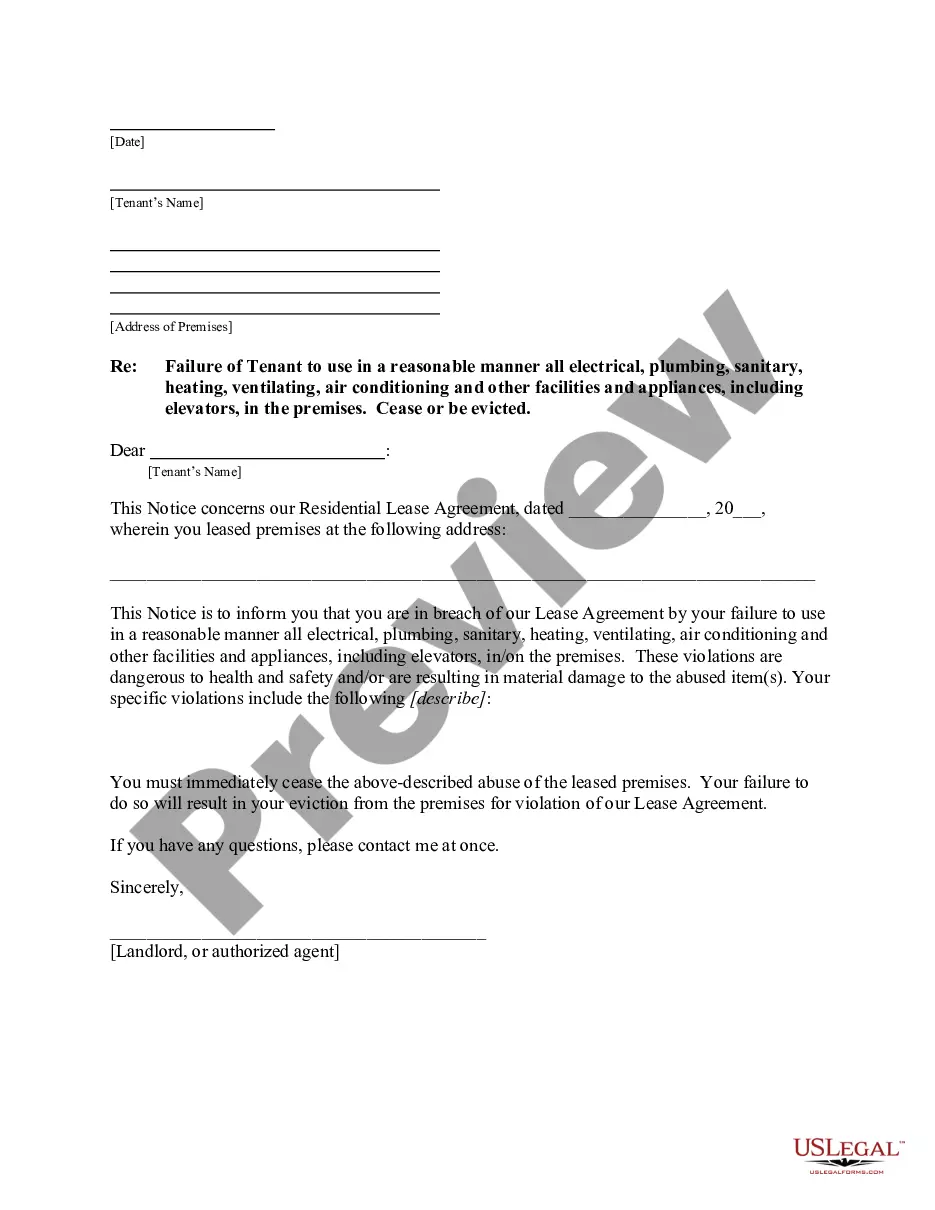
Failure Use Heating With The Help
Description



Get your form ready online
Our built-in tools help you complete, sign, share, and store your documents in one place.
Make edits, fill in missing information, and update formatting in US Legal Forms—just like you would in MS Word.
Download a copy, print it, send it by email, or mail it via USPS—whatever works best for your next step.
Sign and collect signatures with our SignNow integration. Send to multiple recipients, set reminders, and more. Go Premium to unlock E-Sign.
If this form requires notarization, complete it online through a secure video call—no need to meet a notary in person or wait for an appointment.
We protect your documents and personal data by following strict security and privacy standards.

Make edits, fill in missing information, and update formatting in US Legal Forms—just like you would in MS Word.

Download a copy, print it, send it by email, or mail it via USPS—whatever works best for your next step.

Sign and collect signatures with our SignNow integration. Send to multiple recipients, set reminders, and more. Go Premium to unlock E-Sign.

If this form requires notarization, complete it online through a secure video call—no need to meet a notary in person or wait for an appointment.

We protect your documents and personal data by following strict security and privacy standards.
Looking for another form?







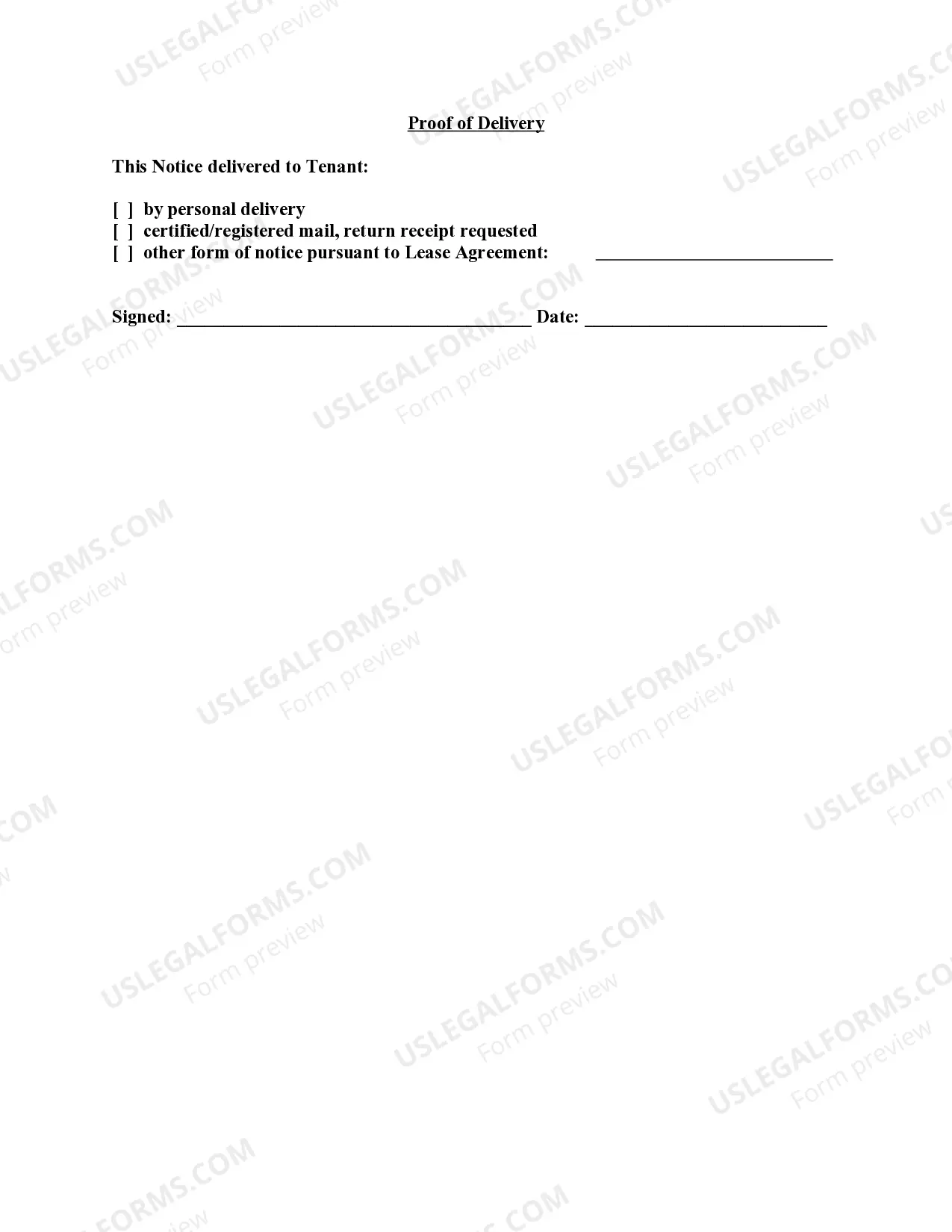
How to fill out Arizona Letter From Landlord To Tenant For Failure To Use Electrical, Plumbing, Sanitary, Heating, Ventilating, Air Conditioning And Other Facilities In A Reasonable Manner?
- If you are a returning user, log in to your account to access the form template you need by clicking the Download button. Confirm that your subscription is active; renew it if necessary.
- For first-time users, start by reviewing the Preview mode and description of the forms available. Make sure the form matches your specific requirements and complies with local regulations.
- If you don't find what you need, use the Search feature to find a suitable template.
- Once you identify the correct document, click the Buy Now button to select your subscription plan. You will need to create an account to continue.
- Proceed with payment by entering your credit card information or utilizing your PayPal account.
- After completing your purchase, download the form to your device. You can also access it anytime in the My Forms section of your profile.
By utilizing US Legal Forms, you can access a remarkable selection of over 85,000 legal documents. The platform also connects you with premium experts for guidance, ensuring your forms are completed accurately.
Experience the ease of legal documentation with US Legal Forms today. Start your journey by choosing the right plan for your needs and empower yourself with the resources required for legal success.
Form popularity
FAQ
Legally, a landlord should not leave tenants without heat for an extended period, especially during colder months. In California, if the heating issue is not addressed promptly, it can lead to claims of tenant rights violations. Failure use heating with the help of effective management can put landlords at risk for legal consequences. Understanding your rights allows you to take appropriate action to ensure your living conditions are comfortable.
After a tenant reports heater issues in California, landlords generally have 30 days to resolve the problem. However, urgent cases may require immediate attention. If you encounter failure use heating with the help of your landlord's inaction, you may need to escalate the situation. Keeping a record of all communications can be beneficial if legal steps become necessary.
In California, a landlord typically has 30 days to fix heating issues after being notified. If the problem is an emergency, such as a complete lack of heat, they are expected to respond more quickly. Failure use heating with the help can lead to legal actions if ignored. Knowing the timeline helps you advocate for your rights more effectively.
In New York City, you have the right to sue your landlord for no heat during the winter months. The law mandates landlords provide heat to ensure tenant safety and comfort. If you experience failure use heating with the help of proper systems and it goes unresolved, you can take legal action. Speak with an attorney familiar with tenant rights to explore your options.
Yes, you can sue your landlord for no heating if they have failed to provide adequate heat in your rental unit. This is a breach of the implied warranty of habitability, which requires landlords to maintain livable conditions. Failure use heating with the help may give you grounds for legal action if your landlord does not address your heating issues promptly. Consult with a legal expert to navigate your situation effectively.
In California, a temperature below 50 degrees Fahrenheit can be considered uninhabitable. Landlords are responsible for providing adequate heating to ensure tenant safety and comfort. Failure use heating with the help of proper maintenance can lead to serious consequences for landlords. If you feel your home is uninhabitable, it's essential to understand your rights and possibly seek guidance.
If your emergency heat is blowing cold air, it may indicate a problem with your heating system or the thermostat settings. Failure use heating with the help of emergency options should guarantee warmth; however, if cold air flows, it may signal a need for service or attention. Ensure your thermostat is set correctly, and check for any error codes that could provide insight into the issue. For persistent problems, contacting a certified HVAC professional is advisable.
To activate your emergency heat, locate the switch or settings on your thermostat. Often, switching the system from 'heat' to 'emergency heat' will prompt your backup heat source to engage. It's crucial to understand how to effectively manage your heating options to prevent failure use heating with the help of proper setup. If you encounter issues, consulting your user manual or contacting a professional may be necessary.
Your heater may not be working in an emergency due to several factors, including a malfunctioning thermostat or insufficient power supply. Failure use heating with the help of a comprehensive maintenance plan can help you identify and resolve issues before they escalate. Regularly check your system, and understand that reliance on emergency settings means your equipment needs to operate at peak efficiency. Troubleshooting can often reveal simple fixes, so don't hesitate to investigate.
A house can typically go without heat for a short period, but this depends on the outside temperature and insulation quality. In frigid conditions, your home can lose heat quickly, potentially resulting in frozen pipes and other damage. If you experience failure use heating with the help of alternative sources, it’s important to seek solutions to prevent prolonged exposure to cold. To safeguard your home, consider backup heating options.