Letter To Landlord Withholding Rent
Description
Get your form ready online
Our built-in tools help you complete, sign, share, and store your documents in one place.
Make edits, fill in missing information, and update formatting in US Legal Forms—just like you would in MS Word.
Download a copy, print it, send it by email, or mail it via USPS—whatever works best for your next step.
Sign and collect signatures with our SignNow integration. Send to multiple recipients, set reminders, and more. Go Premium to unlock E-Sign.
If this form requires notarization, complete it online through a secure video call—no need to meet a notary in person or wait for an appointment.
We protect your documents and personal data by following strict security and privacy standards.

Make edits, fill in missing information, and update formatting in US Legal Forms—just like you would in MS Word.

Download a copy, print it, send it by email, or mail it via USPS—whatever works best for your next step.

Sign and collect signatures with our SignNow integration. Send to multiple recipients, set reminders, and more. Go Premium to unlock E-Sign.

If this form requires notarization, complete it online through a secure video call—no need to meet a notary in person or wait for an appointment.

We protect your documents and personal data by following strict security and privacy standards.
Looking for another form?



Form popularity
FAQ
When apologizing for not paying rent, clarity and respect are key. You might express genuine regret while explaining the circumstances that led to the delay. Acknowledge any inconvenience caused to your landlord and outline how you plan to rectify the situation. A well-crafted letter to your landlord expressing your apology can be an effective way to address this issue.
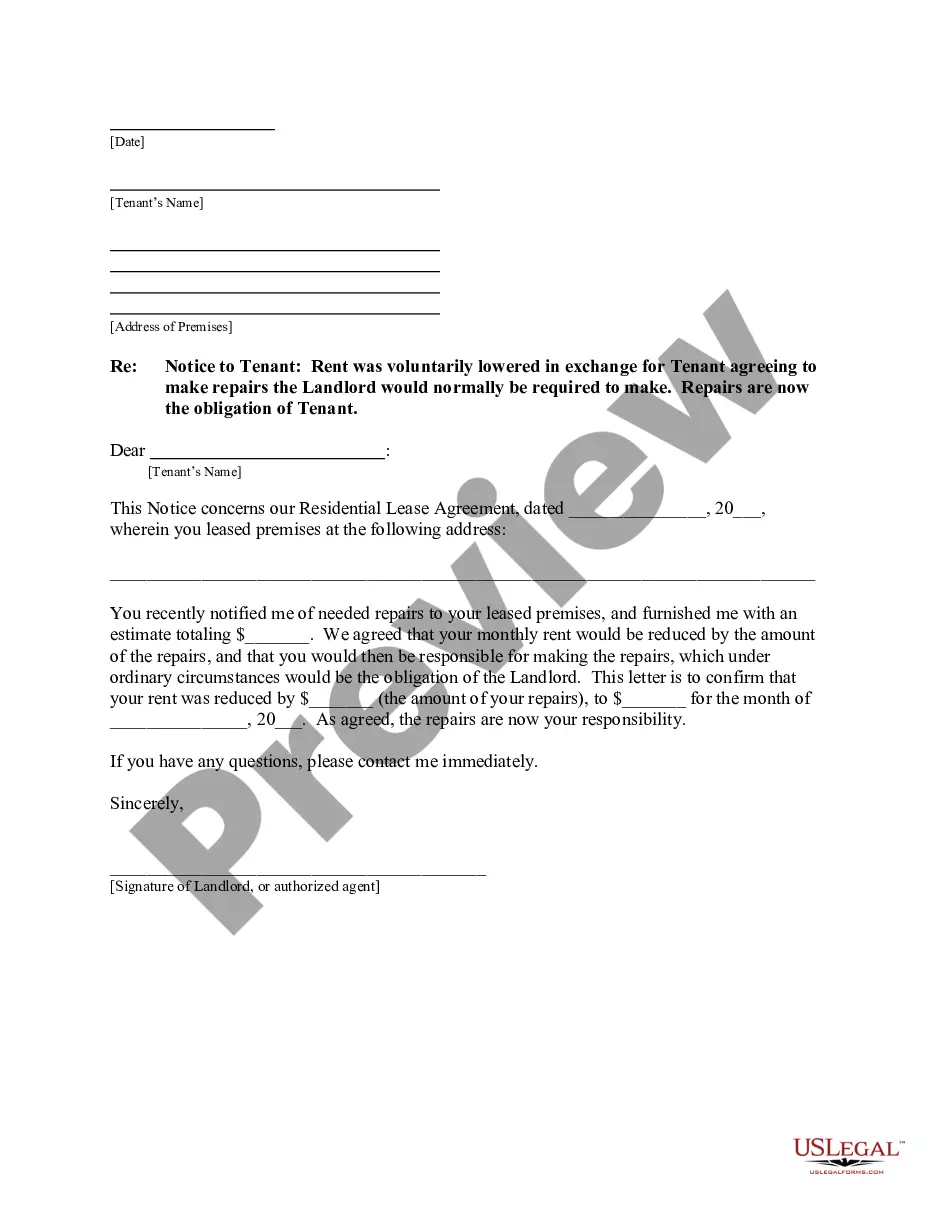
When writing a letter to your landlord about withholding rent, be clear and concise. Start by stating the reason for withholding, reference any previous communication regarding the issue, and provide a timeline for expected repairs. It’s essential to remain professional while communicating your intentions, and using a template from USLegalForms can make this process easier and more effective.
In Arizona, tenants can legally withhold rent if the landlord fails to make necessary repairs that affect habitability, provided the tenant has followed the required legal procedures. Tenants must give proper notice and wait a reasonable time for the landlord to address the issue. It’s crucial to document everything and, if needed, send a letter to your landlord regarding withholding rent to protect your interests.
Yes, tenants in New Hampshire can withhold rent under specific circumstances, such as when the landlord does not maintain the property or fails to address serious health and safety violations. Before proceeding, it’s important to formally notify the landlord about the issues in writing, ideally using a letter to notify them of your intent to withhold rent. Resources like USLegalForms can help you draft an appropriate letter to landlords withholding rent.
In New Hampshire, landlords are typically required to address necessary repairs within a reasonable timeframe after being notified. What constitutes 'reasonable' can vary based on the severity of the issue, but urgent problems like lack of heat or water usually need prompt attention. If your landlord fails to act, you may consider sending a letter to your landlord withholding rent until the issue is resolved.
In New Hampshire, there is no specific grace period for late rent payments outlined in law. However, common practice often allows a few days' leniency before late fees are applied. It’s advisable to review your lease agreement for any specific terms regarding late rent. As a tenant, if you face difficulties, writing a letter to your landlord withholding rent can help communicate your situation.
The eviction process in New Hampshire typically takes around 30 to 60 days, depending on various factors such as the reason for eviction and court schedules. Landlords must provide appropriate notice and follow legal procedures to initiate the eviction. Understanding your rights as a landlord can simplify this process. Consider consulting resources like USLegalForms for templates that support you during this process.
In California, tenants can withhold rent when the landlord fails to address significant repairs, creating unsafe or unlivable conditions. Start by notifying your landlord of the issues and allowing a reasonable time for repairs. If the situation does not improve, write a letter to the landlord withholding rent, clearly stating your reasons. Utilizing resources like uslegalforms can also help you create an effective letter and understand your rights.
To withhold rent effectively, begin by documenting any issues with your rental property. Next, draft a letter to the landlord withholding rent, detailing your concerns and referencing any conversations about the problems. Be sure to keep copies of your communication. This approach not only highlights your concerns but also shows that you are taking steps to address them legally.
In New York City, tenants may withhold rent if their landlord fails to maintain the property in a habitable condition. This includes issues like severe leaks, lack of heat, or infestations. Before taking this step, it is advisable to send a letter to the landlord withholding rent, clearly outlining the problems. Taking this route can help protect your rights, while also encouraging the landlord to resolve the issues.