Tenant Landlord With With A Suit
Description


Get your form ready online
Our built-in tools help you complete, sign, share, and store your documents in one place.
Make edits, fill in missing information, and update formatting in US Legal Forms—just like you would in MS Word.
Download a copy, print it, send it by email, or mail it via USPS—whatever works best for your next step.
Sign and collect signatures with our SignNow integration. Send to multiple recipients, set reminders, and more. Go Premium to unlock E-Sign.
If this form requires notarization, complete it online through a secure video call—no need to meet a notary in person or wait for an appointment.
We protect your documents and personal data by following strict security and privacy standards.

Make edits, fill in missing information, and update formatting in US Legal Forms—just like you would in MS Word.

Download a copy, print it, send it by email, or mail it via USPS—whatever works best for your next step.

Sign and collect signatures with our SignNow integration. Send to multiple recipients, set reminders, and more. Go Premium to unlock E-Sign.

If this form requires notarization, complete it online through a secure video call—no need to meet a notary in person or wait for an appointment.

We protect your documents and personal data by following strict security and privacy standards.
Looking for another form?









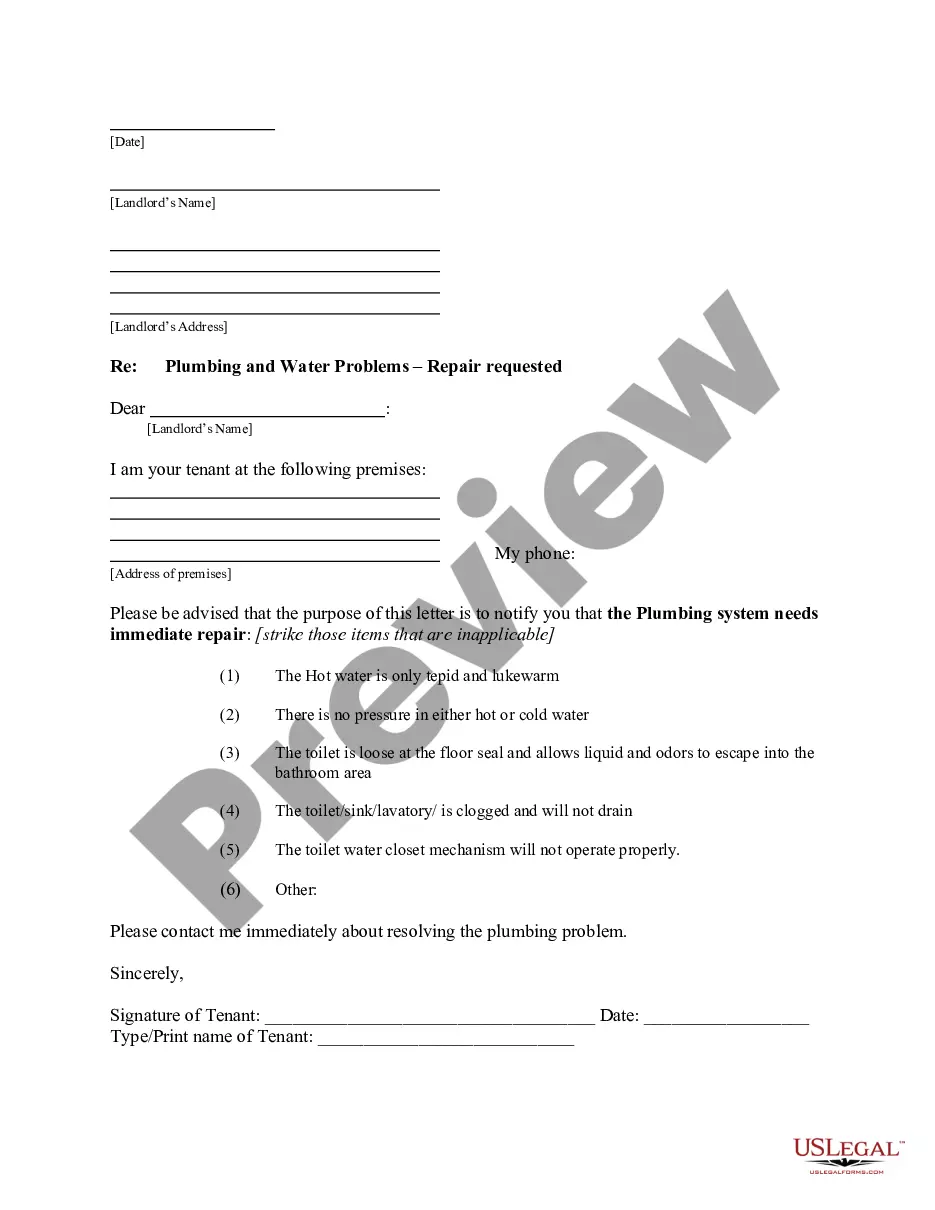
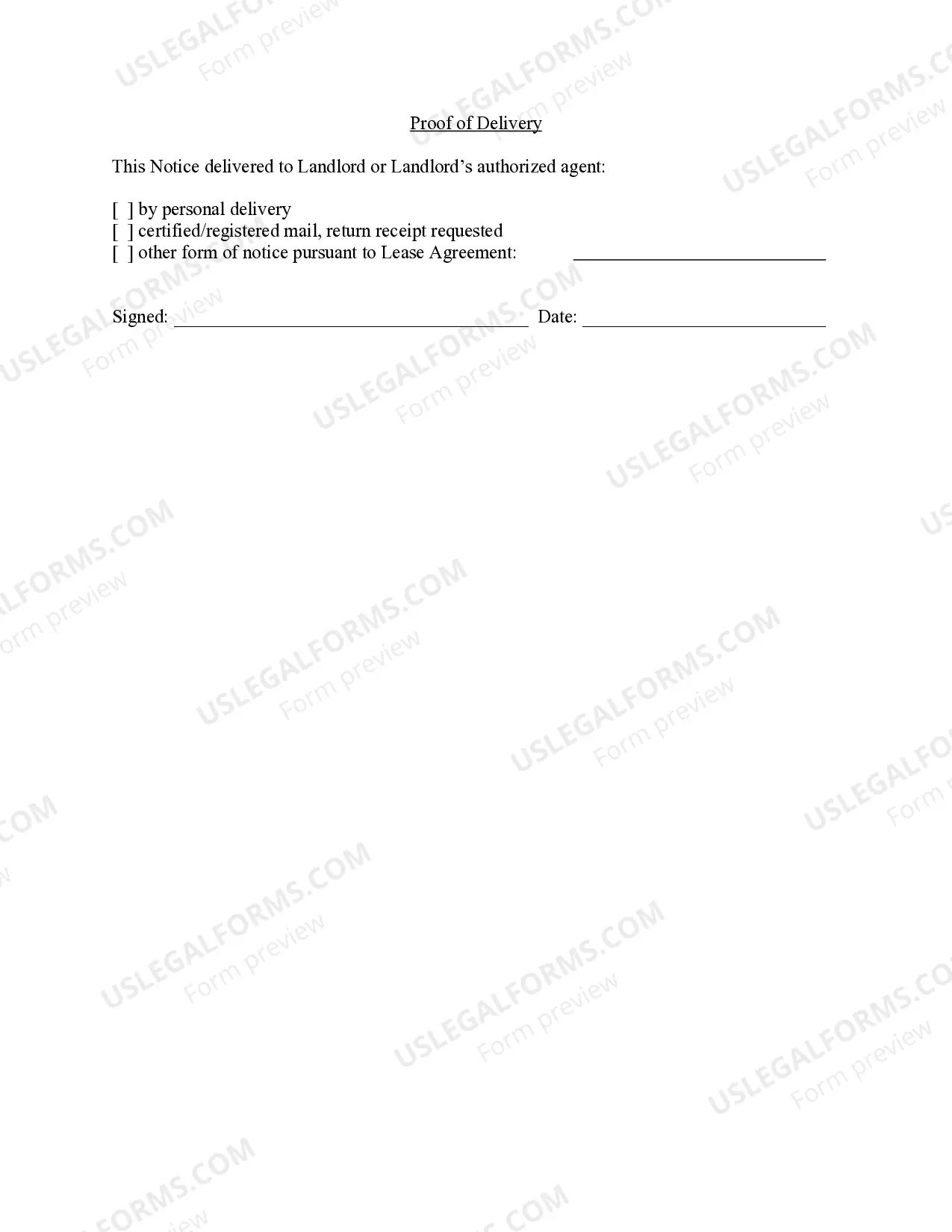
How to fill out Arizona Letter From Tenant To Landlord With Demand That Landlord Repair Plumbing Problem?
- If you're a returning user, log into your account and download your desired form template by clicking the Download button. Verify that your subscription is still active.
- For first-time users, begin by checking the Preview mode and form description to select the right template that aligns with your local jurisdiction requirements.
- If necessary, use the Search tab above to find another template that fits your needs accurately. Ensure it corresponds to your requirements before proceeding.
- Purchase the document by clicking the Buy Now button. Select your preferred subscription plan and create an account to gain access to the extensive library.
- Complete your purchase by entering your credit card details or opting for a PayPal transaction for your subscription.
- Finally, download your completed form to your device and access it anytime from the My Forms section in your profile.
The extensive library at US Legal Forms features over 85,000 fillable and editable legal documents, making it more comprehensive than many competitors.
Don’t let paperwork stress you out! Start using US Legal Forms today for streamlined access to all the legal documents you need.
Form popularity
FAQ
In Wisconsin, landlords cannot discriminate against tenants based on race, gender, religion, or other protected categories. They also must provide safe and habitable living conditions, which includes proper maintenance and timely repairs. Additionally, landlords cannot retaliate against tenants for exercising their legal rights. Understanding these laws can empower you as a tenant, and resources like US Legal Forms can help clarify your rights and options if issues arise.
To suit your landlord, start by gathering all relevant documents, including your lease agreement and any communication with your landlord. Next, determine the legal grounds for your suit, such as breach of contract or failure to maintain safe living conditions. Consider using the US Legal Forms platform to access templates and resources that can guide you through the legal process effectively. Finally, file your complaint with the appropriate court and be prepared to present your case.
In California, a tenant can sue a landlord for various reasons, including unaddressed habitability issues, wrongful eviction, or improper handling of security deposits. Ensure you document incidents and communications to strengthen your case. Resources like US Legal Forms offer forms that can assist you throughout the legal process.
The most common landlord-tenant dispute involves non-payment of rent, often exacerbated by misunderstandings about lease terms. Other disputes may center around maintenance responsibilities or security deposits. By being proactive and thoroughly understanding your rights as a tenant, you can alleviate many of these common issues.
Yes, a landlord can initiate eviction proceedings even if you have a suit against them, provided they follow the legal process. However, retaliatory evictions are prohibited, and if you believe yours is retaliatory, gather evidence to support your claim. Understanding your state's landlord-tenant laws and utilizing resources like the US Legal Forms platform can provide clarity.
Landlord negligence occurs when a landlord fails to maintain safe living conditions or address significant property issues promptly. This may include ignoring necessary repairs, failing to provide adequate heating, or neglecting pest control. Documentation of these failures is essential if you consider legal action against your landlord.
To win an eviction lawsuit, gather evidence to support your defense, such as proof of rent payments or communication with your landlord. Be prepared to show how the landlord did not follow proper legal procedures. Present your case clearly and confidently in court, as this will strengthen your position as a tenant facing a landlord with a suit.
In Connecticut, you can sue your landlord for breaches of lease agreements, unsafe living conditions, or failure to return your security deposit. Document any damages or lease violations thoroughly, as this will support your case in court. Using US Legal Forms can provide you with necessary tools and templates to pursue your claim.
To protect your landlord from a lawsuit, maintain clear communication regarding any maintenance issues or disputes. Document your concerns and provide reasonable notice for repairs, as effective communication can often prevent escalation. By fostering a cooperative relationship, you may help avoid misunderstandings that lead to legal actions.
Deciding whether to sue a landlord requires careful consideration of the situation's specifics. If the issues involve serious lease violations or tenant rights, pursuing legal action may be justified. However, weigh the costs and potential outcomes against the benefits. If you find yourself contemplating a tenant landlord with a suit, consulting legal resources like UsLegalForms can offer valuable guidance.