Az Deed Form For California
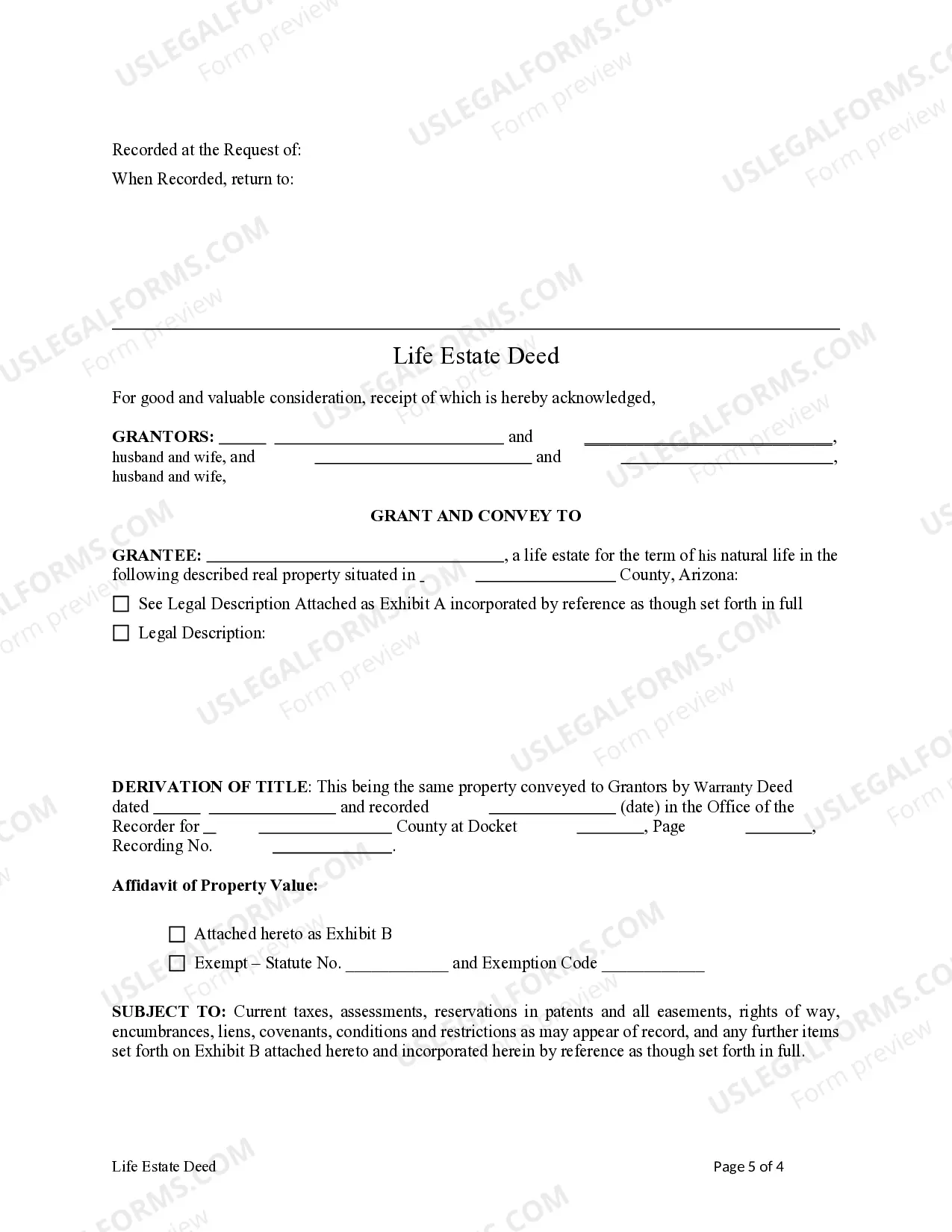
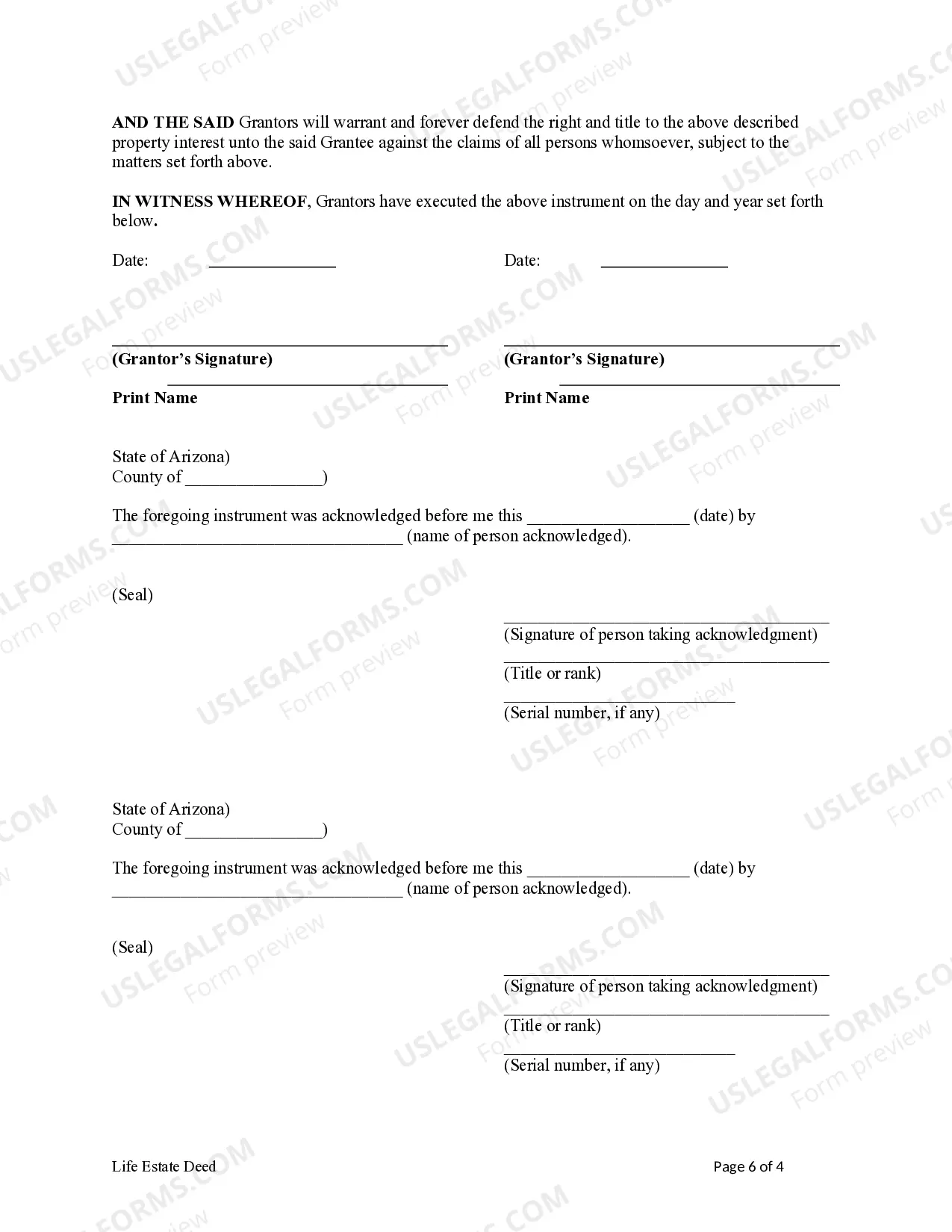
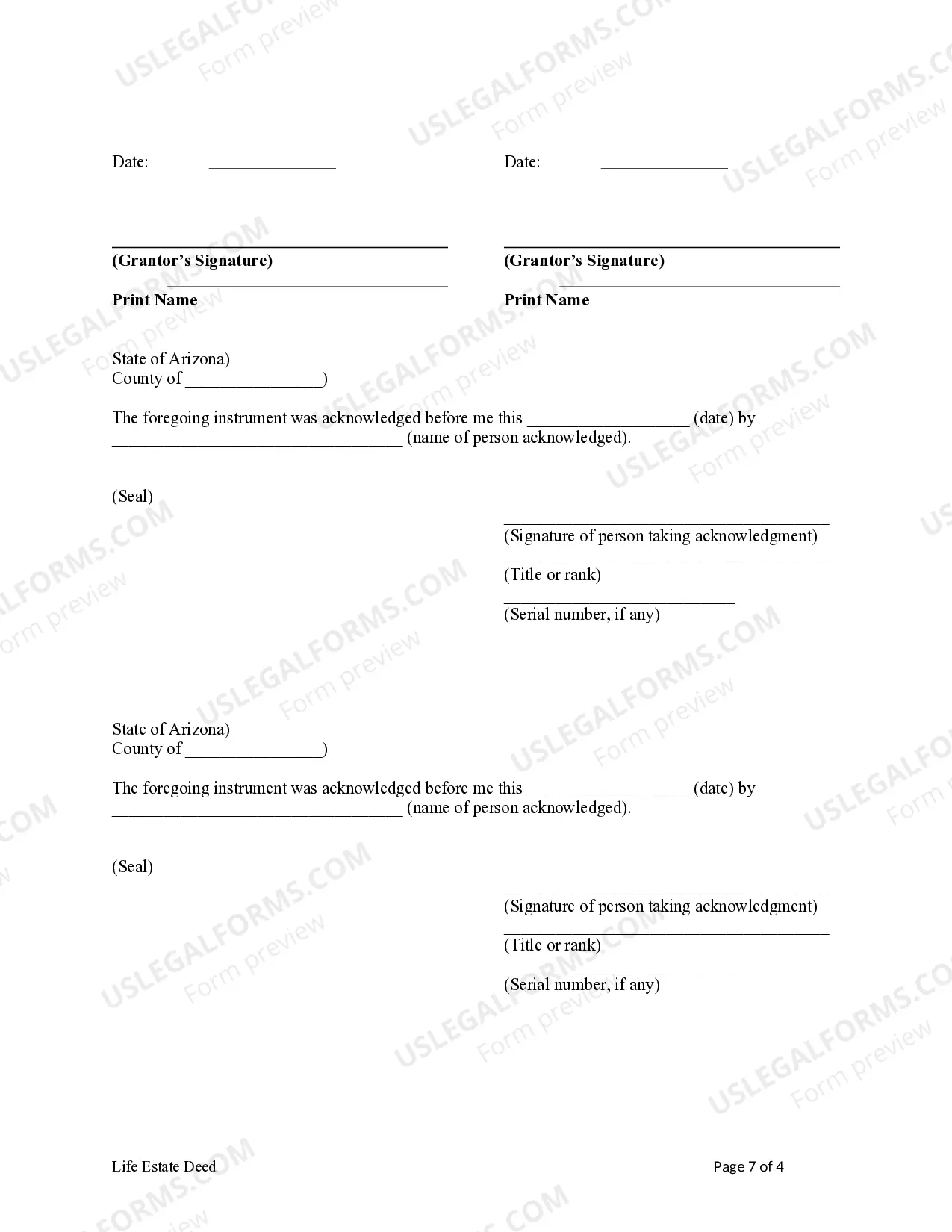
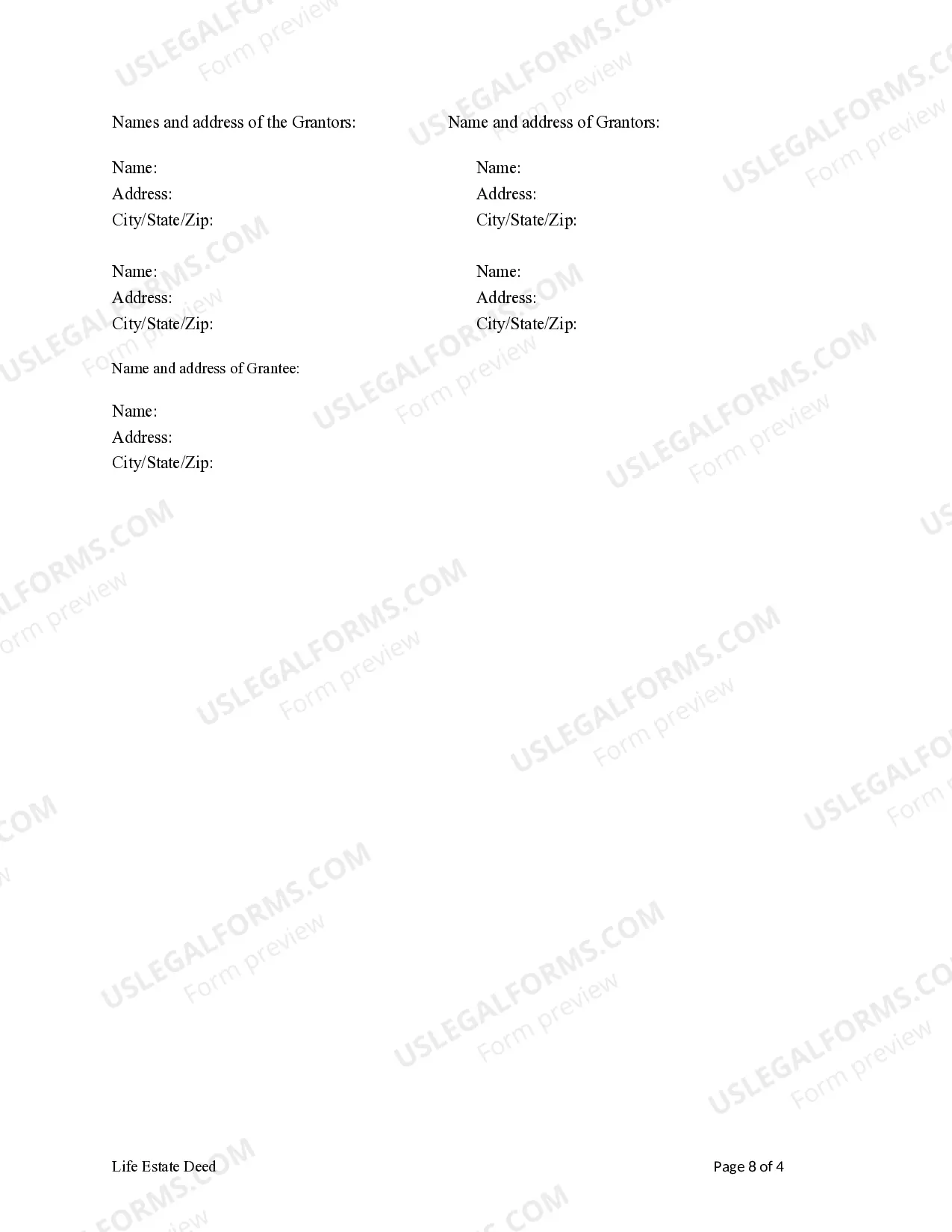
Description

Get your form ready online
Our built-in tools help you complete, sign, share, and store your documents in one place.
Make edits, fill in missing information, and update formatting in US Legal Forms—just like you would in MS Word.
Download a copy, print it, send it by email, or mail it via USPS—whatever works best for your next step.
Sign and collect signatures with our SignNow integration. Send to multiple recipients, set reminders, and more. Go Premium to unlock E-Sign.
If this form requires notarization, complete it online through a secure video call—no need to meet a notary in person or wait for an appointment.
We protect your documents and personal data by following strict security and privacy standards.

Make edits, fill in missing information, and update formatting in US Legal Forms—just like you would in MS Word.

Download a copy, print it, send it by email, or mail it via USPS—whatever works best for your next step.

Sign and collect signatures with our SignNow integration. Send to multiple recipients, set reminders, and more. Go Premium to unlock E-Sign.

If this form requires notarization, complete it online through a secure video call—no need to meet a notary in person or wait for an appointment.

We protect your documents and personal data by following strict security and privacy standards.
Looking for another form?
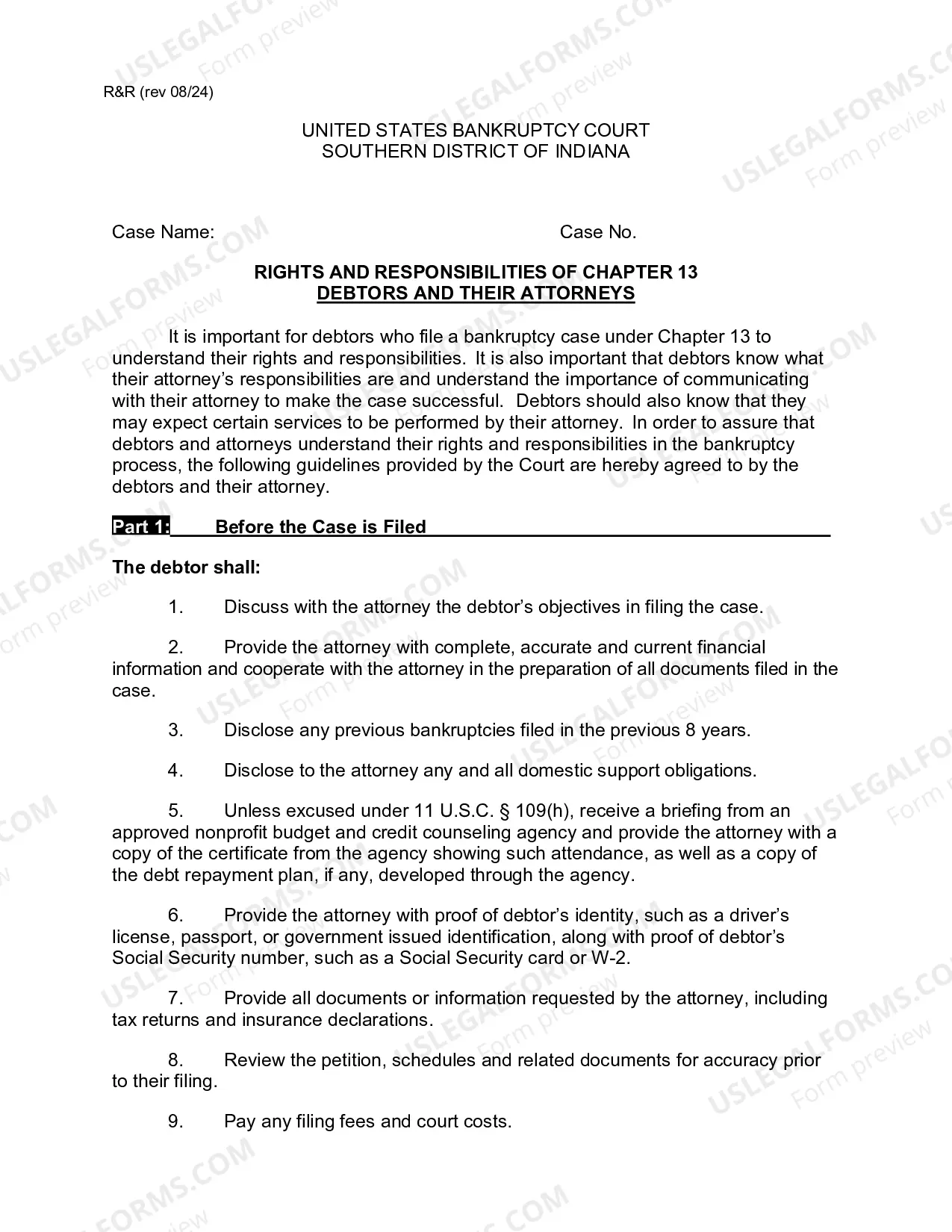






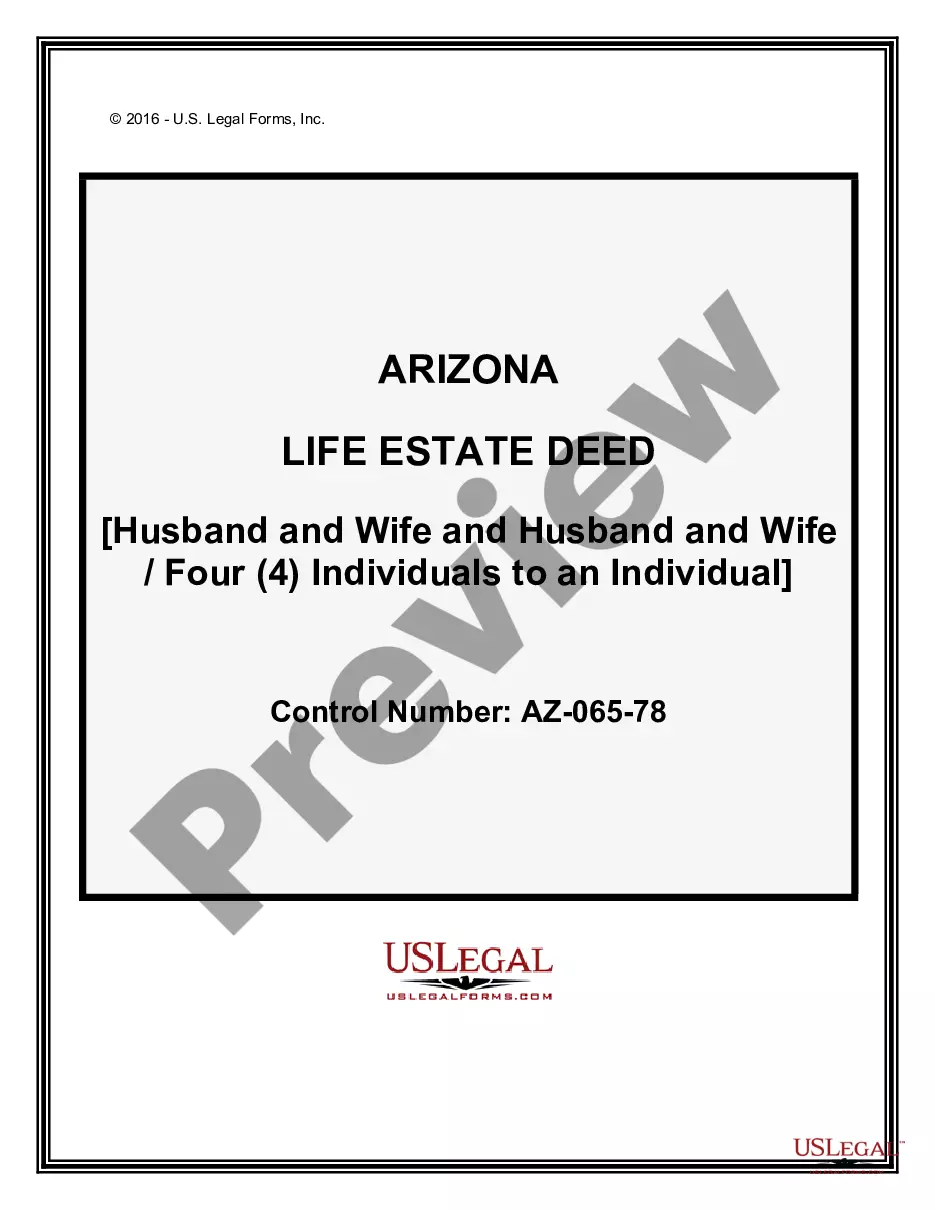
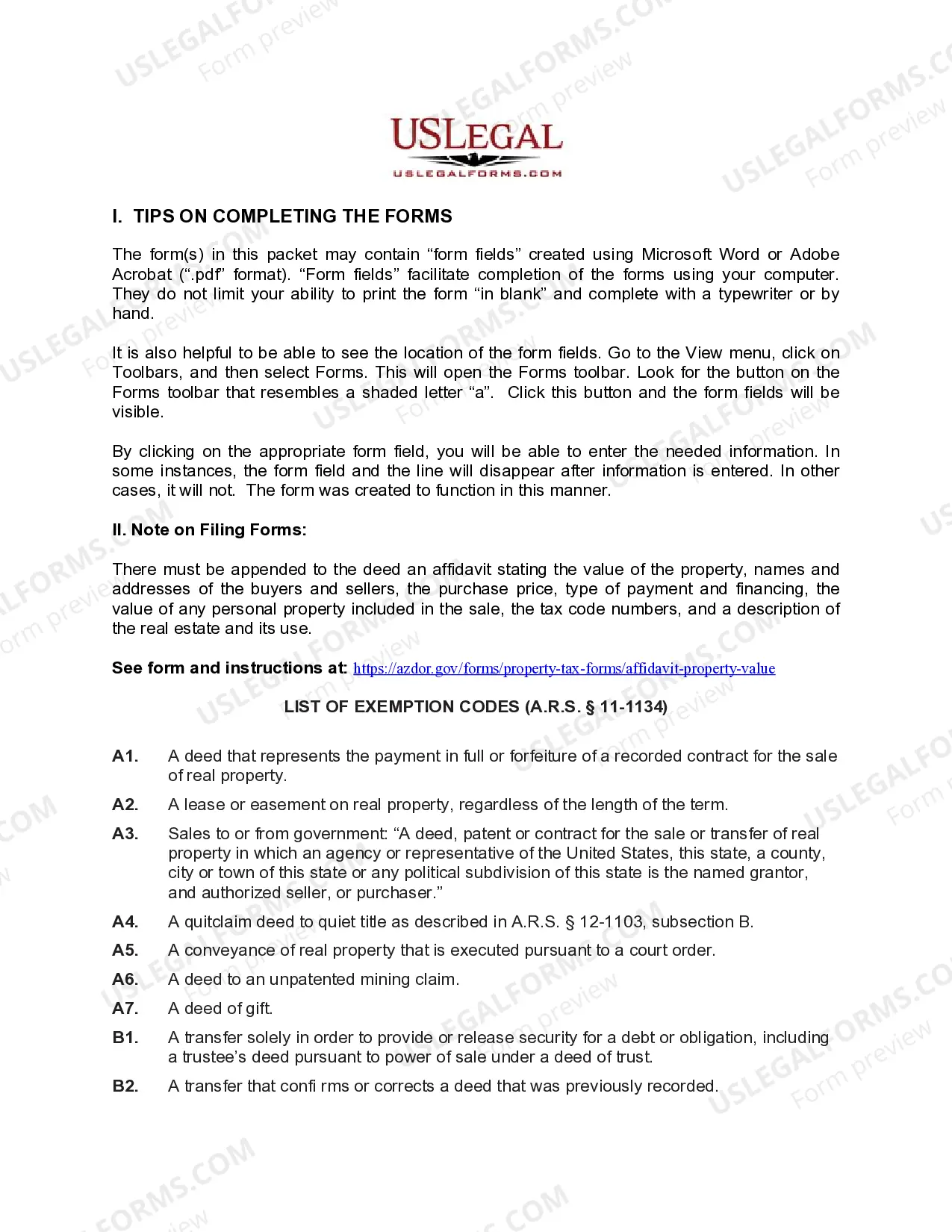
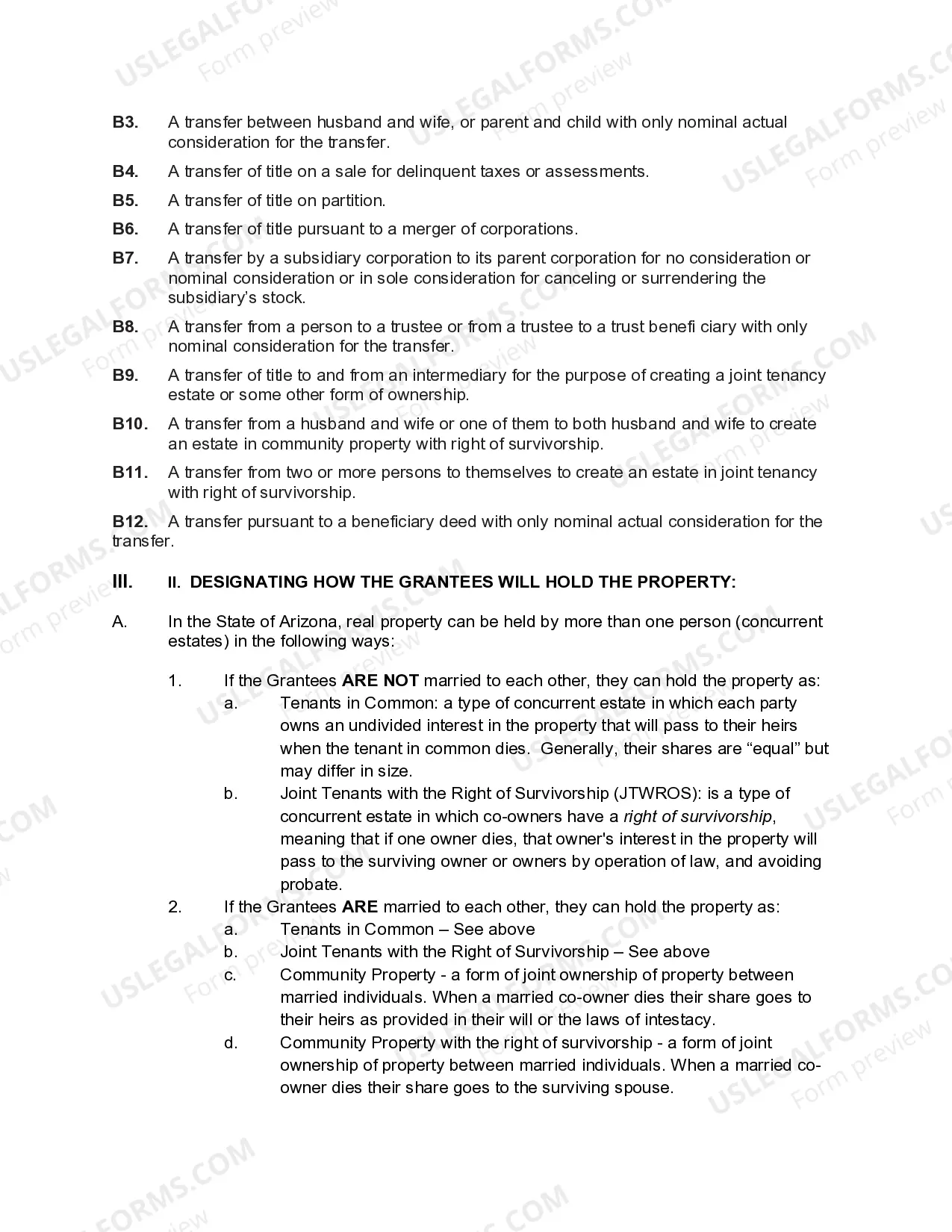
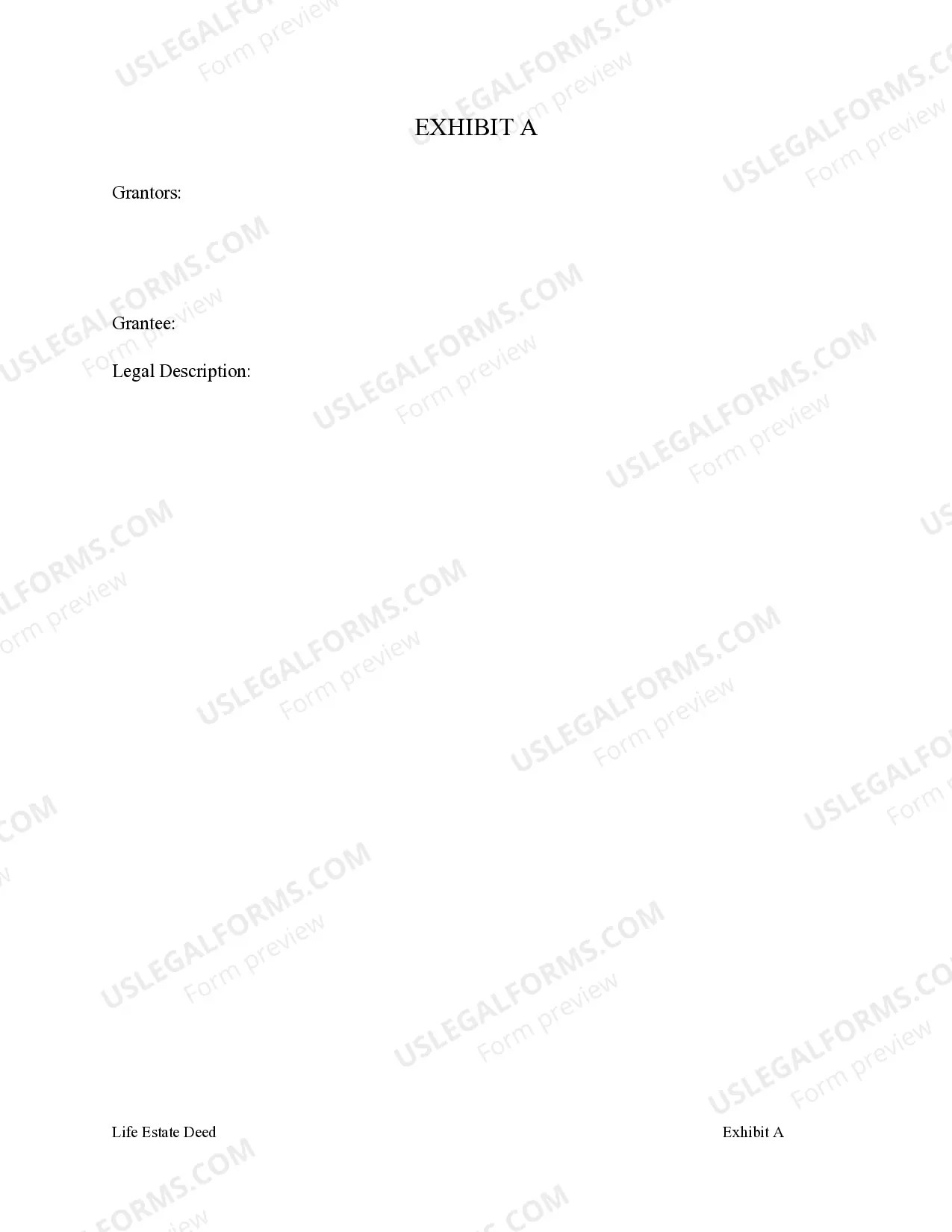
How to fill out Arizona Life Estate Deed From Two Married Couples To An Individual?
It’s no secret that you can’t become a law professional overnight, nor can you grasp how to quickly draft Az Deed Form For California without the need of a specialized set of skills. Putting together legal forms is a long venture requiring a specific education and skills. So why not leave the preparation of the Az Deed Form For California to the pros?
With US Legal Forms, one of the most comprehensive legal document libraries, you can find anything from court documents to templates for in-office communication. We understand how important compliance and adherence to federal and state laws and regulations are. That’s why, on our website, all templates are location specific and up to date.
Here’s start off with our website and get the document you need in mere minutes:
- Find the document you need by using the search bar at the top of the page.
- Preview it (if this option available) and read the supporting description to figure out whether Az Deed Form For California is what you’re looking for.
- Begin your search over if you need any other template.
- Register for a free account and select a subscription plan to purchase the form.
- Pick Buy now. Once the payment is through, you can download the Az Deed Form For California, complete it, print it, and send or send it by post to the designated individuals or organizations.
You can re-gain access to your forms from the My Forms tab at any time. If you’re an existing customer, you can simply log in, and locate and download the template from the same tab.
No matter the purpose of your paperwork-whether it’s financial and legal, or personal-our website has you covered. Try US Legal Forms now!
Form popularity
FAQ
Step 1: Locate the Current Deed for the Property. ... Step 2: Determine What Type of Deed to Fill Out for Your Situation. ... Step 3: Determine How New Owners Will Take Title. Step 4: Fill Out the New Deed (Do Not Sign) ... Step 5: Grantor(s) Sign in Front of a Notary. ... Step 6: Fill Out the Preliminary Change of Ownership Report (PCOR)
A general warranty deed must include the following to be valid: The name and address of the seller (called the grantor) The name and address of the buyer (called the grantee) A legal description of the property (found on the previous deed) A statement that the grantor is transferring the property to the grantee.
From here, the process looks like this: Choose the most appropriate deed. Prepare the deed. Complete the deed with accurate information about the property and the person being added. Sign the deed in the presence of a notary public. File the deed with the county recorder's office. Update the property records.
DEEDS IN GENERAL It must be in writing; 2. The parties must be properly described; 3. The parties must be competent to convey and capable of receiving the grant of the property; 4. The property conveyed must be described so as to distinguish it from other parcels of real property.; 5.
It must note the legal description of the property in the accepted verbiage of the state in which it is transferred, and it must be signed, notarized and delivered to the grantee. In order to provide the most protection, it should be recorded in a timely fashion with the county recorder's office.