Deed Transfer After Death Of Parent
Description



Get your form ready online
Our built-in tools help you complete, sign, share, and store your documents in one place.
Make edits, fill in missing information, and update formatting in US Legal Forms—just like you would in MS Word.
Download a copy, print it, send it by email, or mail it via USPS—whatever works best for your next step.
Sign and collect signatures with our SignNow integration. Send to multiple recipients, set reminders, and more. Go Premium to unlock E-Sign.
If this form requires notarization, complete it online through a secure video call—no need to meet a notary in person or wait for an appointment.
We protect your documents and personal data by following strict security and privacy standards.

Make edits, fill in missing information, and update formatting in US Legal Forms—just like you would in MS Word.

Download a copy, print it, send it by email, or mail it via USPS—whatever works best for your next step.

Sign and collect signatures with our SignNow integration. Send to multiple recipients, set reminders, and more. Go Premium to unlock E-Sign.

If this form requires notarization, complete it online through a secure video call—no need to meet a notary in person or wait for an appointment.

We protect your documents and personal data by following strict security and privacy standards.
Looking for another form?


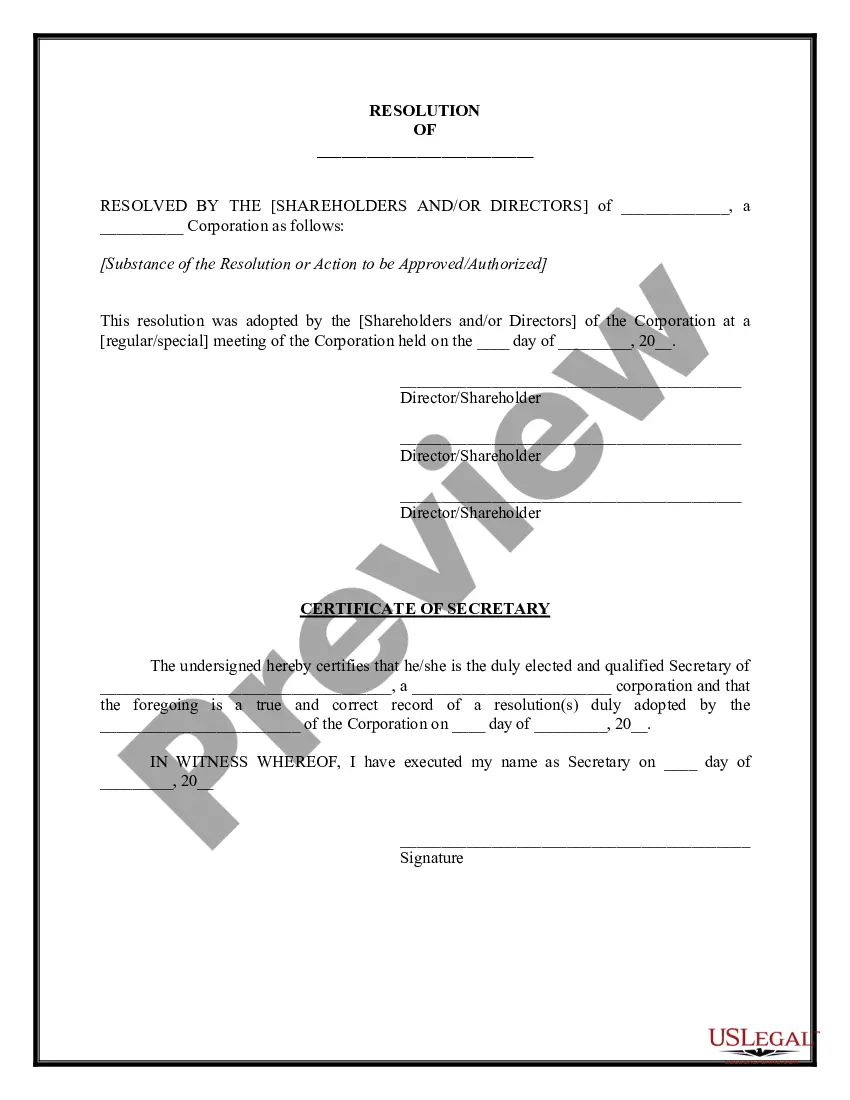
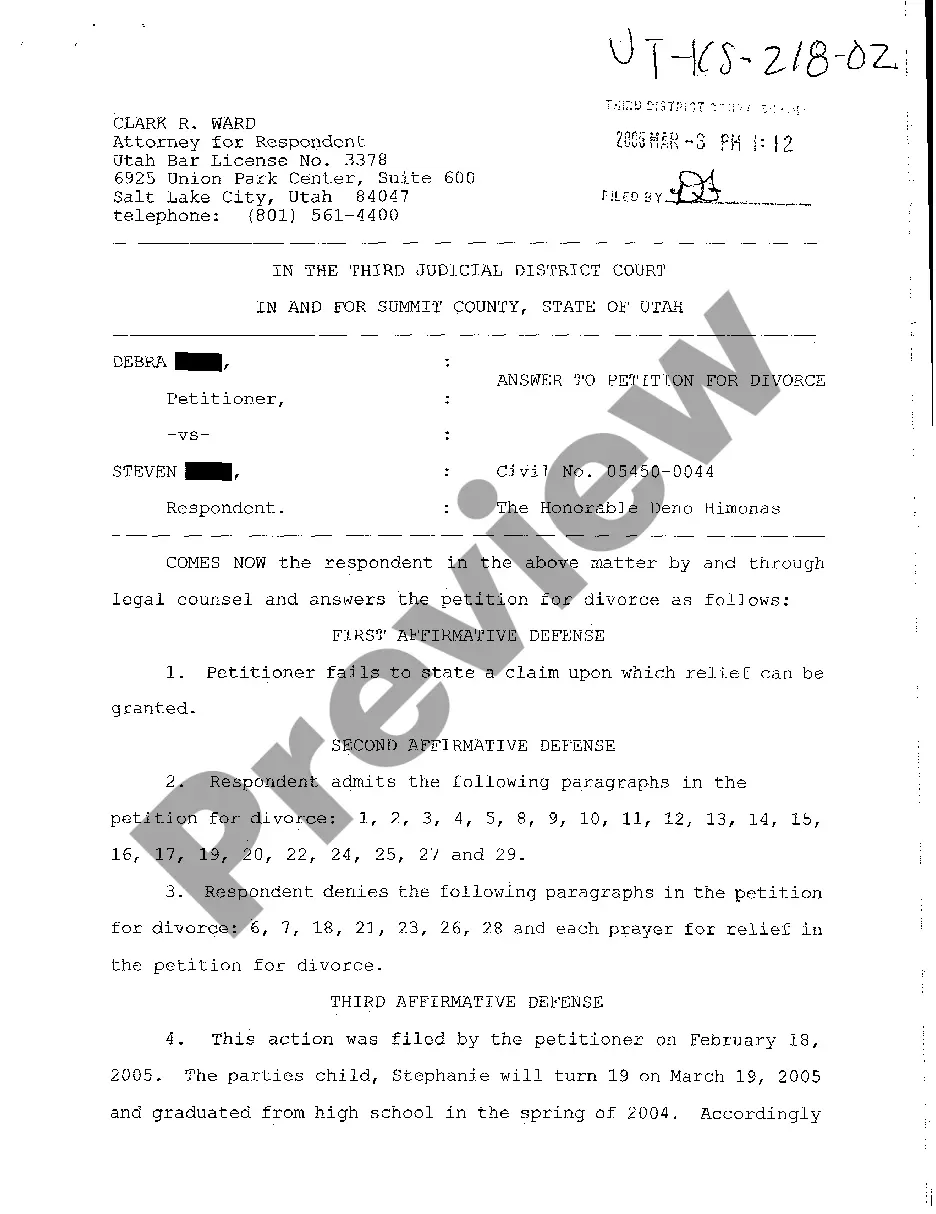


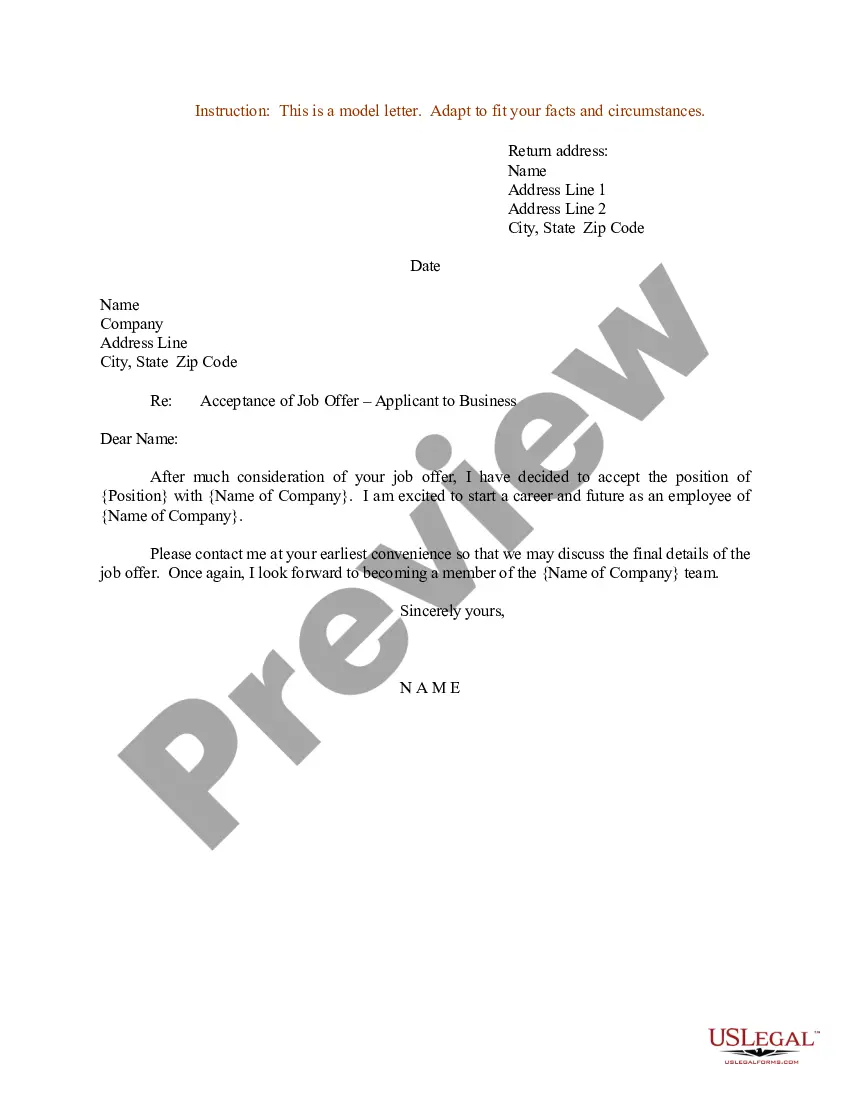

How to fill out Arizona Transfer On Death Or TOD - Beneficiary Deed - Individual Grantor To Three Individuals?
The Property Transfer Following the Passing of a Parent displayed on this page is a versatile formal template created by experienced attorneys in accordance with federal and local laws. For over 25 years, US Legal Forms has been supplying individuals, businesses, and legal practitioners with more than 85,000 authenticated, state-specific documents for any commercial and personal scenario. It’s the most rapid, simplest, and most reliable method to acquire the documents you require, as the service ensures bank-level data protection and anti-malware security.
Obtaining this Property Transfer Following the Passing of a Parent will only require a few straightforward steps.
Subscribe to US Legal Forms to have authenticated legal templates for all of life’s circumstances at your fingertips.
- Look for the document you require and examine it. Browse through the sample you searched and preview it or review the form description to confirm it meets your requirements. If it doesn’t, utilize the search function to find the correct one. Click Purchase Now once you have located the template you need.
- Create an account and Log In. Choose the pricing option that fits your needs and register for an account. Use PayPal or a credit card to make a swift payment. If you already possess an account, Log In and check your subscription to proceed.
- Obtain the editable template. Select the format you prefer for your Property Transfer Following the Passing of a Parent (PDF, Word, RTF) and save the sample on your device.
- Complete and sign the documents. Print the template to finish it manually. Alternatively, use an online versatile PDF editor to quickly and accurately fill out and sign your form with a legally binding electronic signature.
- Download your documents once more. Reuse the same document anytime needed. Access the My documents tab in your profile to redownload any previously saved documents.
Form popularity
FAQ
You need to apply to the court for a grant of probate. Once you have your grant of probate, you need to make an application to the Land Registry to change the register using form AP1. This needs to be accompanied by a sealed or certified copy of the grant of probate and a document called an 'assent' (form AS1).
Sole ownership If the intention is to transfer the property into the name of the beneficiary(s) and the deceased was the sole owner, the Executor or Administrator can transfer (assent) the property to the beneficiary(s) using a Land Registry form known as an AS1.
Be realistic about timescales Legally, there's nothing to stop you from putting the property on the market and accepting an offer before probate is issued. But, the grant of probate must be in place in order to exchange contracts. And, it can sometimes take 12 weeks or more for probate to be granted.
Normally when property is purchased jointly there is a survivorship clause, meaning that on the death of one of the joint owners, their share in the property automatically passes to the survivor(s).
A beneficiary who receives real estate through a transfer on death deed becomes personally liable for the debts of the dead property owner without proper counsel from an estate planning professional or a title company. The beneficiary becomes liable to potential financial obligations as a result.