Beneficiary Bank
Description



Get your form ready online
Our built-in tools help you complete, sign, share, and store your documents in one place.
Make edits, fill in missing information, and update formatting in US Legal Forms—just like you would in MS Word.
Download a copy, print it, send it by email, or mail it via USPS—whatever works best for your next step.
Sign and collect signatures with our SignNow integration. Send to multiple recipients, set reminders, and more. Go Premium to unlock E-Sign.
If this form requires notarization, complete it online through a secure video call—no need to meet a notary in person or wait for an appointment.
We protect your documents and personal data by following strict security and privacy standards.

Make edits, fill in missing information, and update formatting in US Legal Forms—just like you would in MS Word.

Download a copy, print it, send it by email, or mail it via USPS—whatever works best for your next step.

Sign and collect signatures with our SignNow integration. Send to multiple recipients, set reminders, and more. Go Premium to unlock E-Sign.

If this form requires notarization, complete it online through a secure video call—no need to meet a notary in person or wait for an appointment.

We protect your documents and personal data by following strict security and privacy standards.
Looking for another form?



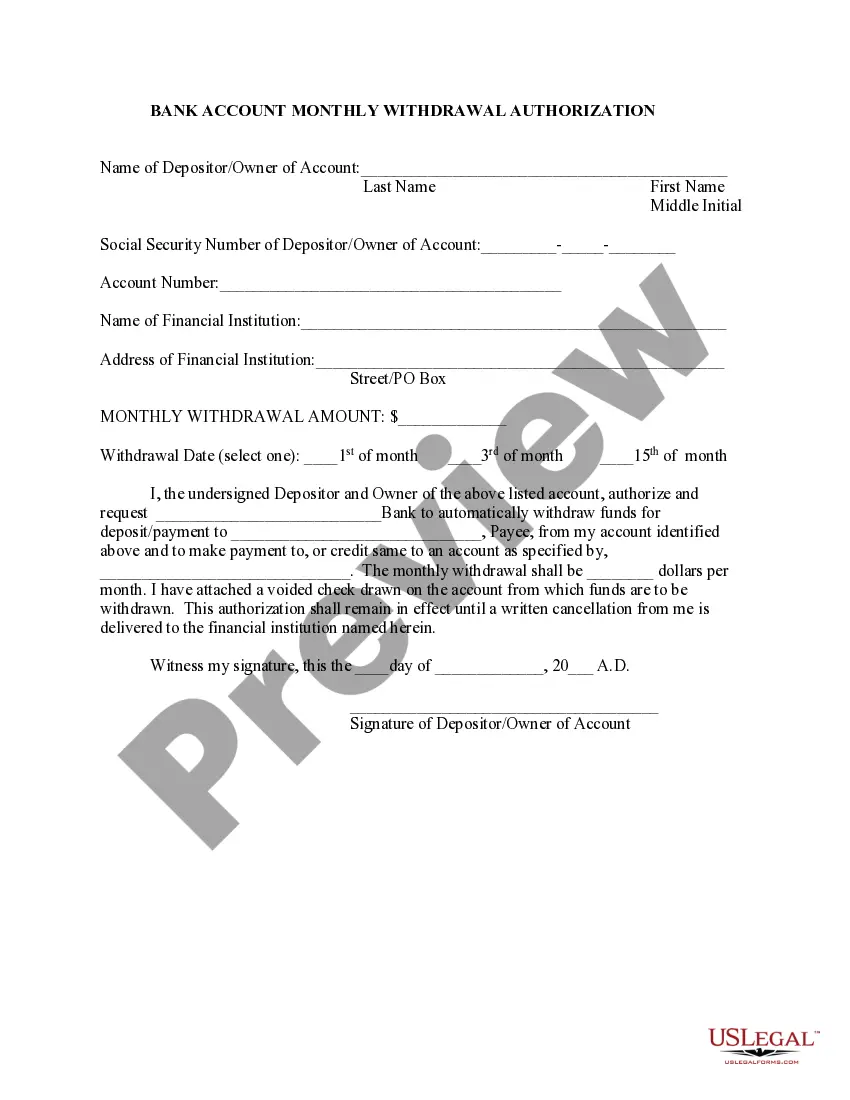




How to fill out Arizona Transfer On Death Or TOD - Beneficiary Deed - Individual Grantor To Three Individuals?
- Log in to your US Legal Forms account if you're an existing user, ensuring your subscription is active. If it has lapsed, renew based on your payment plan.
- If you're new, begin by browsing the vast library. Use the Preview mode to read descriptions and confirm the chosen form meets your jurisdiction's requirements.
- Should you need a different document, utilize the Search tab above. Find a suitable form, then proceed.
- Purchase the desired document by clicking the Buy Now button and selecting your preferred subscription plan. Remember to register for full access.
- Complete your purchase using a credit card or PayPal for a seamless transaction.
- Download the completed template and save it on your device for easy future access through the My Forms section of your account.
With US Legal Forms, you gain access to more than 85,000 editable legal documents, ensuring precision and compliance with regional regulations.
Start your journey to simplified legal documentation today! Explore US Legal Forms and secure your peace of mind.
Form popularity
FAQ
To add a beneficiary to your bank account, visit your bank and request the necessary forms. You will typically need to provide the beneficiary's full name and contact information. This straightforward process allows you to ensure that your funds go to the right person without complications. If you prefer guidance through this, platforms like US Legal Forms offer resources to help you navigate the necessary steps.
Failing to add a beneficiary to your bank account can create unnecessary challenges after your passing. The account funds may be frozen and tied up in probate, leading to delays and additional stress for your loved ones. To avoid these outcomes, it is wise to set up a beneficiary bank account as part of your financial planning. This proactive move can protect your family's interests.
Being a beneficiary of a beneficiary bank account can come with certain downsides. For instance, the individual might become subject to misunderstandings with other heirs or family members. Additionally, handling taxes on the inherited funds can be complicated, especially if large sums are involved. Understanding these factors helps clarify the responsibilities tied to being a beneficiary.
Setting up a beneficiary bank account involves selecting the right financial institution and deciding on a beneficiary. Visit the bank to fill out the account application, ensuring you clearly state the beneficiary's details. It's also wise to review how the account will function in the event of your passing. Using uslegalforms, you can find forms and guidance tailored to ensure your beneficiary bank account meets your needs.
To open a beneficiary account, start by choosing a bank that offers this feature. Gather necessary identification documents and complete the required paperwork, ensuring you specify the beneficiary. Additionally, review the account terms to understand how it operates. For assistance with legal documents, uslegalforms can provide resources for setting up your beneficiary bank account properly.
If no beneficiary is named on a bank account, the funds usually become part of your estate after your passing. This means they may need to go through the probate process, which can be lengthy and costly. Furthermore, if heirs are not clearly identified, conflicts may arise among potential beneficiaries. For peace of mind, consider opening a beneficiary bank account to simplify transfers.
A Payable on Death (POD) account can have several disadvantages. First, it may not provide protection against creditors, as funds might be subject to claims. Second, the account does not allow for extensive estate planning benefits compared to a trust. Lastly, if you don’t name a beneficiary promptly, the account could complicate matters during the probate process, making a beneficiary bank a preferable option.
To add someone as a beneficiary on your bank account, access your account online or speak with a bank representative. You will need to provide the potential beneficiary's full name, contact information, and possibly their Social Security number. After completing this process, the beneficiary bank will recognize this person as an inheritor of your funds. For those seeking guidance, US Legal Forms can help streamline your beneficiary designation.
To list beneficiaries on your bank account, log into your online banking account or visit your local bank branch. Most banks provide an option in their account settings to add or manage beneficiaries. This step ensures your assets go to the right people when the time comes. If you want a straightforward process, consider using platforms like US Legal Forms to create necessary documents.
The terms receiving bank and beneficiary bank can be used interchangeably. Both refer to the financial institution where an individual or organization receives funds. It’s important to know this to avoid confusion during transactions and to ensure funds reach the correct destination.