Maricopa County Beneficiary Deed Form With Signature
Description

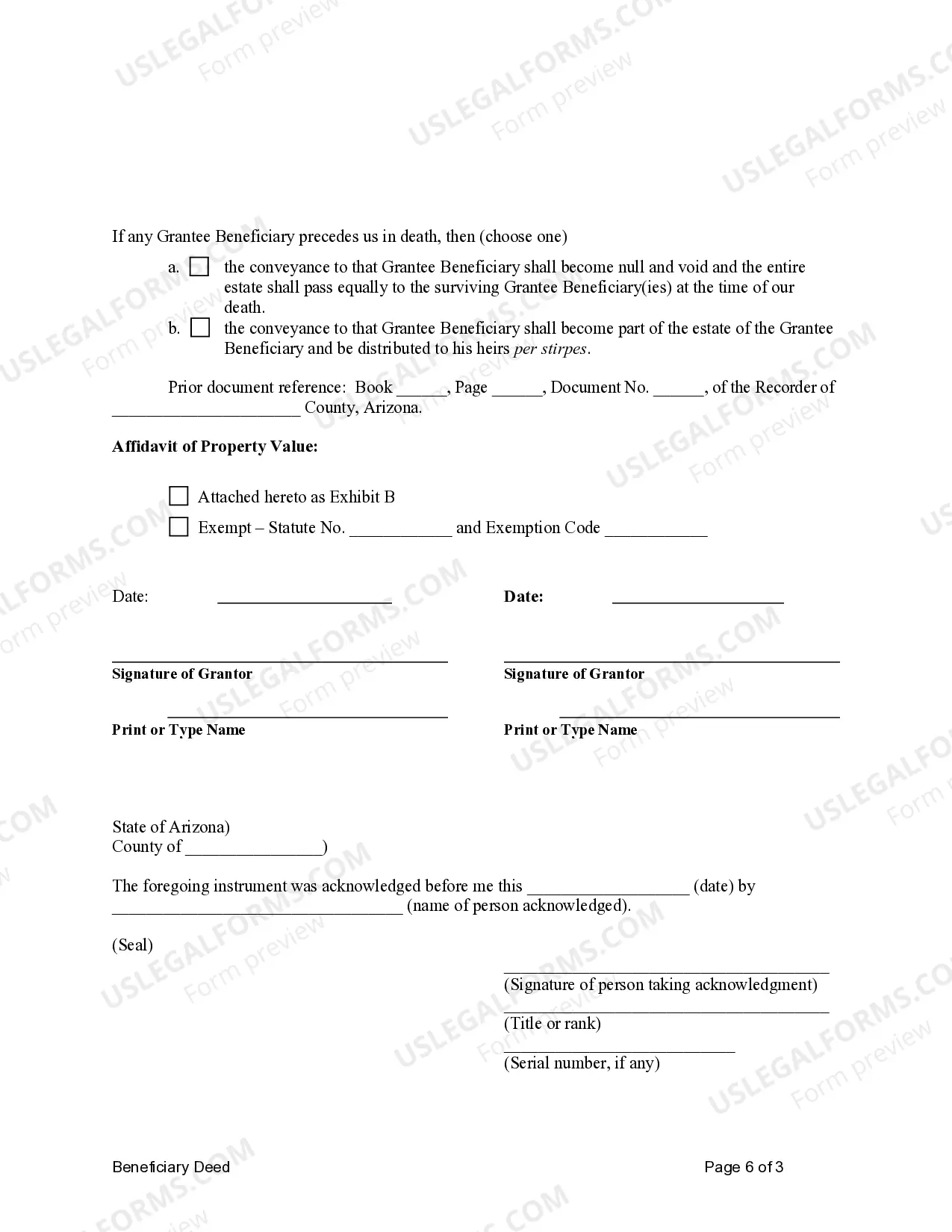

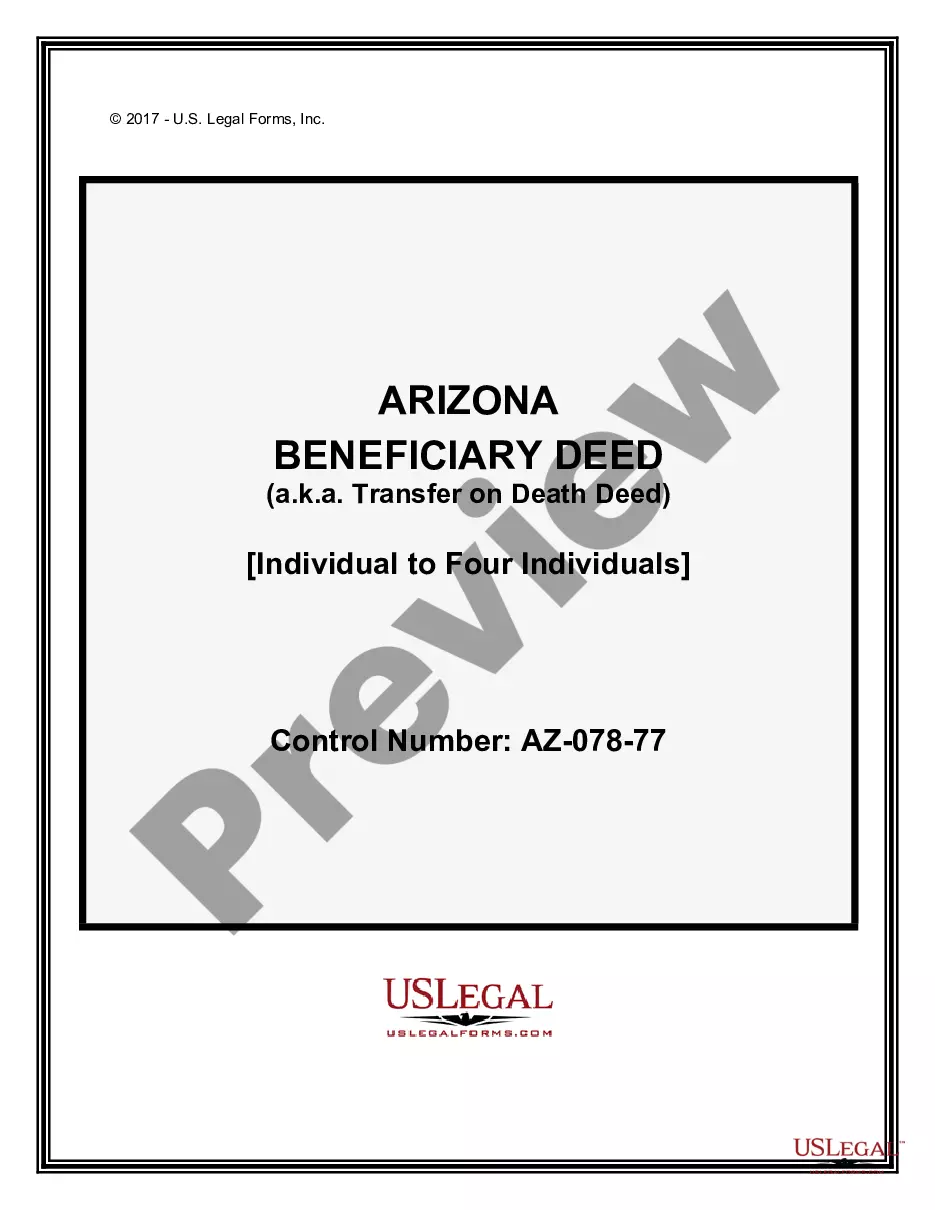

Get your form ready online
Our built-in tools help you complete, sign, share, and store your documents in one place.
Make edits, fill in missing information, and update formatting in US Legal Forms—just like you would in MS Word.
Download a copy, print it, send it by email, or mail it via USPS—whatever works best for your next step.
Sign and collect signatures with our SignNow integration. Send to multiple recipients, set reminders, and more. Go Premium to unlock E-Sign.
If this form requires notarization, complete it online through a secure video call—no need to meet a notary in person or wait for an appointment.
We protect your documents and personal data by following strict security and privacy standards.

Make edits, fill in missing information, and update formatting in US Legal Forms—just like you would in MS Word.

Download a copy, print it, send it by email, or mail it via USPS—whatever works best for your next step.

Sign and collect signatures with our SignNow integration. Send to multiple recipients, set reminders, and more. Go Premium to unlock E-Sign.

If this form requires notarization, complete it online through a secure video call—no need to meet a notary in person or wait for an appointment.

We protect your documents and personal data by following strict security and privacy standards.
Looking for another form?
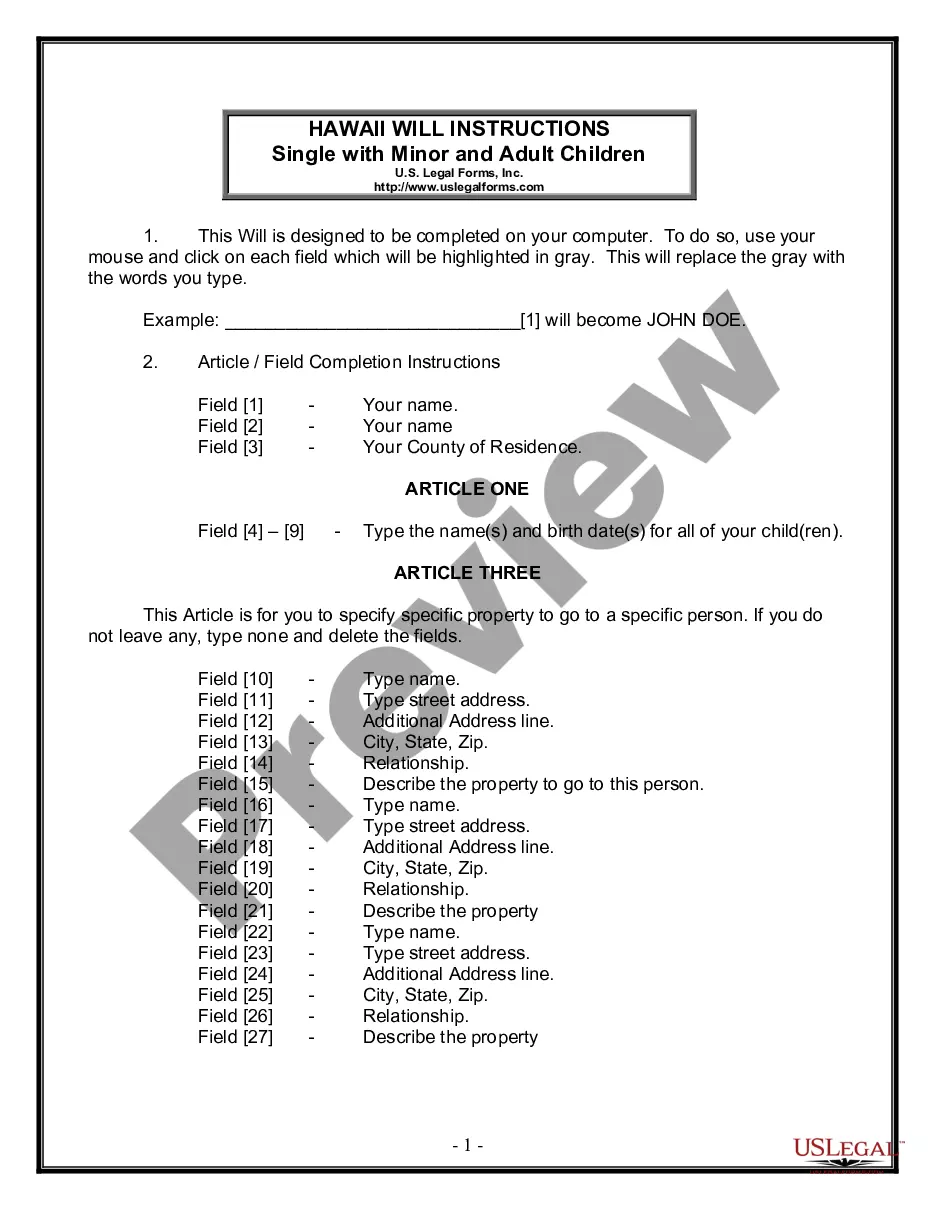


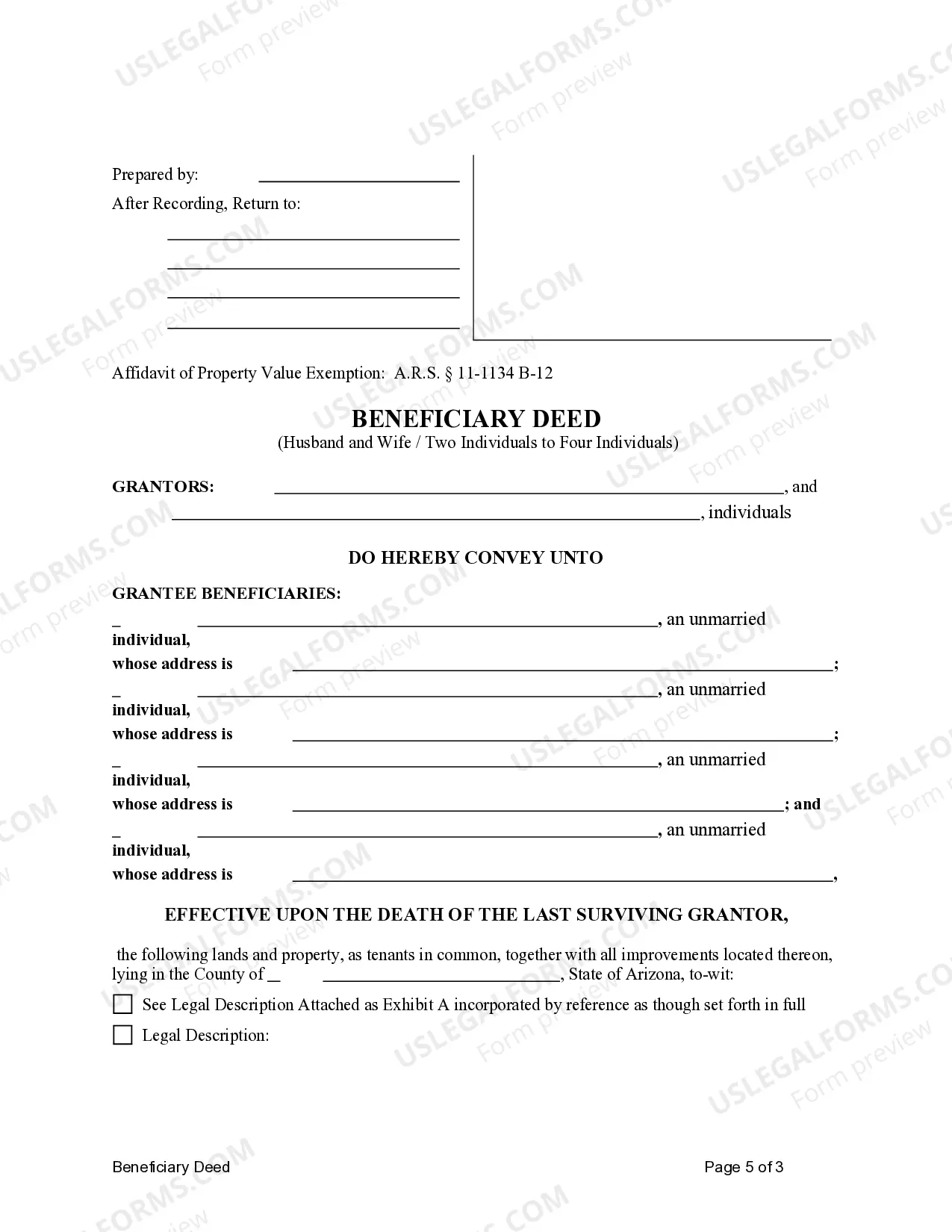
How to fill out Arizona Transfer On Death Deed Or TOD - Beneficiary Deed For Husband And Wife To Four Individuals?
Whether for commercial needs or personal matters, everyone must confront legal circumstances at some point in their life.
Completing legal paperwork demands meticulous focus, starting from selecting the right template.
With an extensive US Legal Forms catalog available, you never have to waste time searching for the correct template online. Utilize the library’s straightforward navigation to find the right form for any occasion.
- Locate the form you require by using the search bar or browsing the catalog.
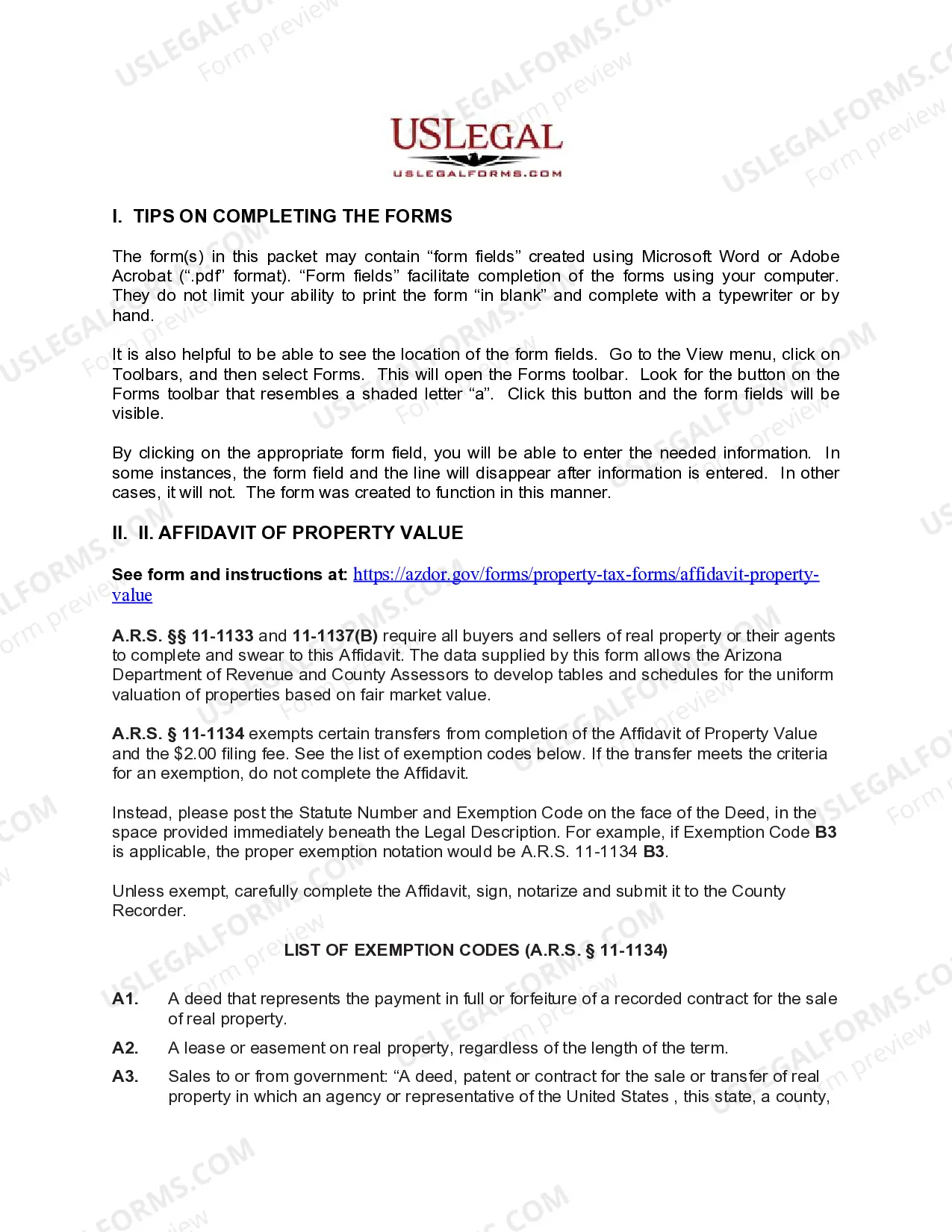
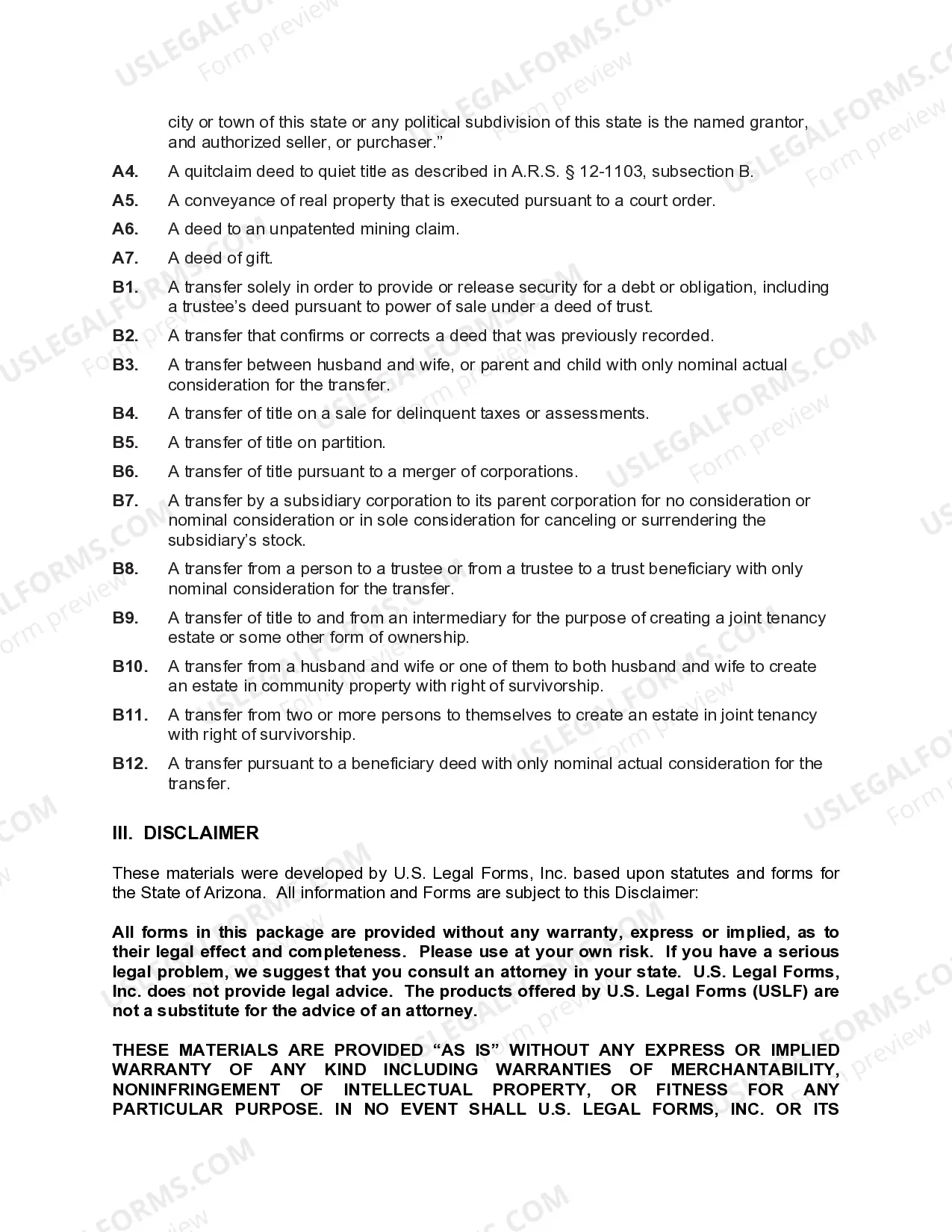
- Examine the form’s description to confirm it aligns with your situation, state, and locality.
- Click on the form’s preview to inspect it.
- If it’s the wrong document, return to the search feature to find the Maricopa County Beneficiary Deed Form With Signature sample you need.
- Download the template if it suits your requirements.
- If you have a US Legal Forms account, click Log in to access previously saved documents in My documents.
- If you don’t have an account yet, you can acquire the form by clicking Buy now.
- Choose the relevant pricing option.
- Complete the profile registration form.
- Select your payment method: you can utilize a credit card or PayPal account.
- Choose the document format you prefer and download the Maricopa County Beneficiary Deed Form With Signature.
- Once saved, you can fill out the form with editing software or print it out and complete it manually.
Form popularity
FAQ
Yes, a non-lawyer can prepare a beneficiary deed, including the Maricopa county beneficiary deed form with signature. Many individuals choose to fill out such forms on their own to save costs. It is important to follow the specific requirements for your state to ensure validity. Utilizing resources from platforms like USLegalForms can guide you through the preparation process effectively.
While it is not mandatory to hire an attorney for completing a Maricopa county beneficiary deed form with signature, consulting one can simplify the process. An attorney can help ensure that the form meets all legal requirements and is executed correctly. However, with the right resources and guidance, many individuals opt to handle it themselves. Using platforms like USLegalForms can provide you with the necessary templates and instructions to successfully complete your deed.
Recording a beneficiary deed in Arizona involves a few straightforward steps. Start by filling out the Maricopa county beneficiary deed form with signature accurately. Once you have signed the form, take it to your local county recorder's office to file it. This process secures your wishes regarding property distribution and ensures clarity for your heirs.
To record a beneficiary deed in Arizona, first complete the Maricopa county beneficiary deed form with signature. After signing the document, you must file it with the county recorder's office where your property is located. This step provides legal recognition of your intentions for the property and protects the rights of your beneficiaries.
You can obtain a beneficiary deed form from various sources, but the easiest method is through platforms like U.S. Legal Forms. They offer a valid Maricopa county beneficiary deed form with signature that you can customize to fit your needs. This ensures you complete the form correctly and comply with state regulations.
Yes, a beneficiary deed does avoid probate in Arizona. By using a Maricopa county beneficiary deed form with signature, you can ensure that property transfers directly to your designated beneficiaries upon your passing. This streamlines the transfer process and alleviates the burden of probate, providing peace of mind to both you and your loved ones.
To file a beneficiary deed in Maricopa County, you should visit the Maricopa County Recorder's Office. Once you've completed the Maricopa county beneficiary deed form with signature, make sure to submit it in person or via mail. It's important that the form is properly filled out and signed to ensure acceptance. Additionally, filing the deed helps ensure your property transfers to the designated beneficiary smoothly.
The main downside of a beneficiary deed is that it does not allow for contingent beneficiaries; if the primary beneficiary predeceases you, the property would go through probate. Additionally, any debts related to your estate may cloud title after your passing. Understanding the implications of the Maricopa County beneficiary deed form with signature can help you make an informed decision.
A beneficiary deed generally does not override a will, as both documents serve different purposes. If you create a beneficiary deed using the Maricopa County beneficiary deed form with signature, the property listed will pass outside of the will upon your death. However, it is essential to coordinate your estate planning documents to ensure consistency.
Yes, a beneficiary deed must be notarized in Arizona to be valid. This adds an extra layer of authenticity to the Maricopa County beneficiary deed form with signature. Make sure to sign the document in the presence of a notary public to ensure that it meets all legal requirements.