Death Beneficiary For Social Security
Description
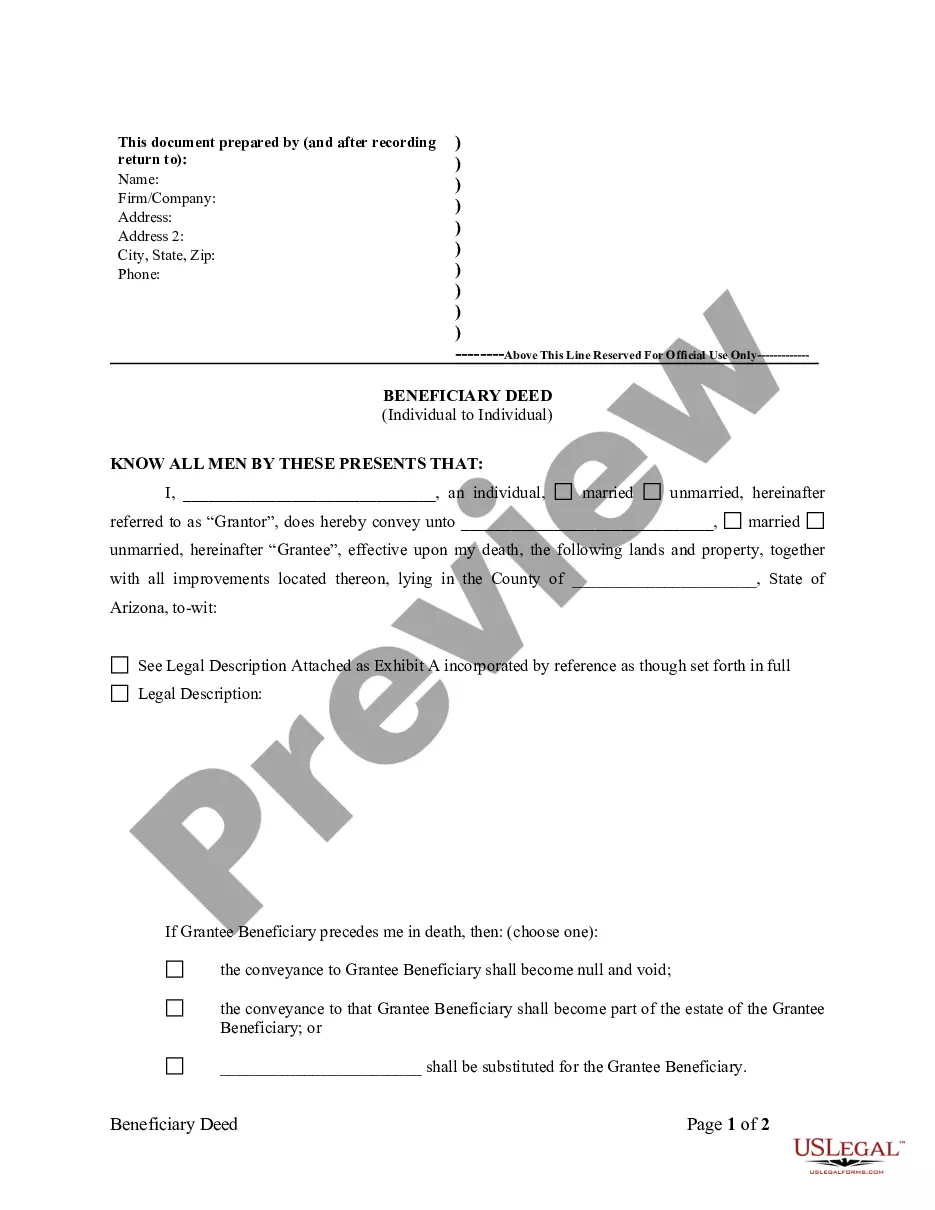
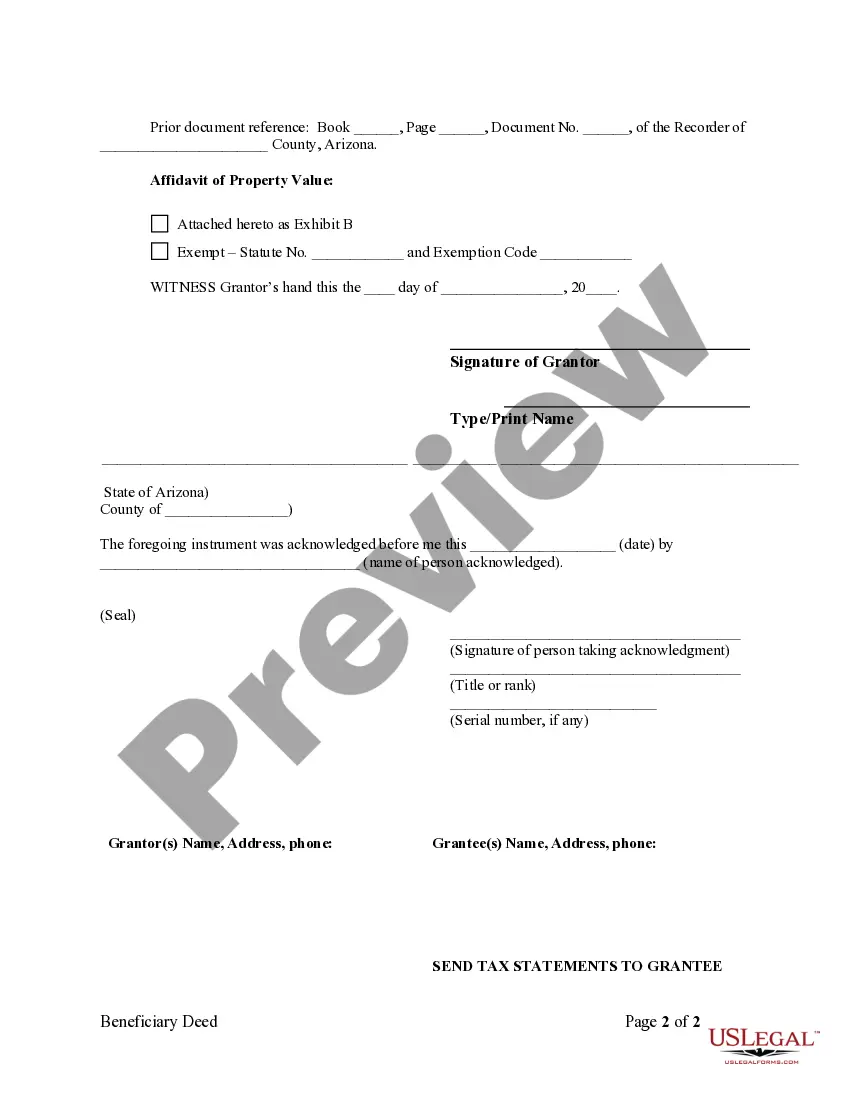


Get your form ready online
Our built-in tools help you complete, sign, share, and store your documents in one place.
Make edits, fill in missing information, and update formatting in US Legal Forms—just like you would in MS Word.
Download a copy, print it, send it by email, or mail it via USPS—whatever works best for your next step.
Sign and collect signatures with our SignNow integration. Send to multiple recipients, set reminders, and more. Go Premium to unlock E-Sign.
If this form requires notarization, complete it online through a secure video call—no need to meet a notary in person or wait for an appointment.
We protect your documents and personal data by following strict security and privacy standards.

Make edits, fill in missing information, and update formatting in US Legal Forms—just like you would in MS Word.

Download a copy, print it, send it by email, or mail it via USPS—whatever works best for your next step.

Sign and collect signatures with our SignNow integration. Send to multiple recipients, set reminders, and more. Go Premium to unlock E-Sign.

If this form requires notarization, complete it online through a secure video call—no need to meet a notary in person or wait for an appointment.

We protect your documents and personal data by following strict security and privacy standards.
Looking for another form?





How to fill out Arizona Beneficiary Deed For Individual To Individual?
The Death Beneficiary Form For Social Security displayed on this page is a versatile official template created by skilled attorneys in compliance with federal and state laws.
For over 25 years, US Legal Forms has delivered to individuals, organizations, and legal experts more than 85,000 verified, state-specific documents for various business and personal events.
Complete and sign the documents. Print the template to fill it out manually. Alternatively, use an online multifunctional PDF editor to efficiently and accurately complete and sign your form with an eSignature. Download your documents once again. Reuse the same document whenever necessary. Access the My documents section in your profile to redownload any previously acquired documents. Subscribe to US Legal Forms to have authenticated legal templates for all of life's circumstances at your fingertips.
- It’s the fastest, most direct, and most reliable method to acquire the documents you need, as the service promises the utmost level of data security and anti-malware safeguards.
- Obtaining this Death Beneficiary Form For Social Security involves only a few straightforward steps.
- Search for the document you require and review it. Browse through the file you searched and view it or check the form description to confirm it meets your needs. If it doesn't, utilize the search feature to find the appropriate one. Click Buy Now once you have located the template you require.
- Register and Log In. Choose the pricing option that fits you best and create an account. Use PayPal or a credit card for a rapid payment process. If you already possess an account, Log In and verify your subscription to proceed.
- Obtain the editable template. Select the format you desire for your Death Beneficiary Form For Social Security (PDF, Word, RTF) and store the sample on your device.
Form popularity
FAQ
The death benefit eligibility generally extends to immediate family members of the deceased worker, such as spouses, children, and in some cases, dependent parents. Each situation may vary based on the worker's Social Security earnings record. To navigate the eligibility guidelines effectively, consult uslegalforms, which can provide valuable assistance.
Eligibility for the $255 death benefit from Social Security typically includes the spouse or children of the deceased worker. To qualify, the deceased must have worked long enough to earn Social Security credits. It’s crucial to check your specific situation and consider using uslegalforms for guidance on eligibility and the application process.
To apply for the $250 Social Security death benefit, you will need to gather the necessary documents, including proof of death and your relationship to the deceased. You can submit your application online or through your local Social Security office. If you need assistance with the application process, uslegalforms offers resources that simplify filing for the death beneficiary for social security.
Not everyone qualifies for the $255 Social Security death benefit. This benefit is limited to specific survivors of the deceased worker, such as a spouse or minor child. To find out if you can receive this benefit, review the eligibility criteria and consult resources like uslegalforms, which can guide you through the process.
The lump sum death benefit is available to certain survivors of a deceased worker. Specifically, a spouse, child, or dependent parent may qualify as a death beneficiary for social security. To ensure you receive this benefit, it is essential to understand the eligibility requirements and the necessary documentation needed for the application process.
The $255 Social Security death benefit is available to the surviving spouse or, in some cases, to children of the deceased worker. To qualify, the deceased must have sufficient work credits and the surviving spouse must have been living with them at the time of death, or have been eligible for benefits. This benefit is designed to help cover immediate expenses after the loss. For more information on eligibility and application, check out the resources on the USLegalForms platform.
When someone dies, the death beneficiary for Social Security typically includes a surviving spouse, minor children, and sometimes dependent parents. Each of these individuals may receive different benefit amounts based on the worker's earnings history. Social Security benefits aim to provide financial support during a difficult time, ensuring that loved ones have some security. You can find resources on the USLegalForms platform to guide you through the application process.
Not everyone qualifies for the $2500 death benefit under Social Security. This benefit is generally available only to certain family members of the deceased worker. To be eligible, the deceased must have earned enough credits during their working years. If you want to determine your eligibility, the USLegalForms platform can help simplify the process.
The death beneficiary for Social Security includes the spouse, children, and in some cases, dependent parents of the deceased worker. These individuals may receive benefits based on the earnings record of the deceased. It's important to note that eligibility can depend on the specific relationship and the worker's work history. To explore your options, consider using the USLegalForms platform for guidance.
Not everyone is eligible for survivor benefits, as it depends on your relationship to the deceased and their work history. Generally, qualifying individuals since spouse, children, and dependent parents have priority. Understanding these qualifications can help ensure you understand your benefits as a survivor. Consulting with resources can provide clarity about your eligibility as a death beneficiary for social security.