Waiver Of Accounting Form For Covid-19 Vaccine Philippines
Description

Form popularity
FAQ
The two types of allowable immunization waivers typically include medical and philosophical exemptions. A medical waiver is granted based on health reasons, while a philosophical waiver allows individuals to opt-out based on personal beliefs. These waivers play a crucial role in vaccine policy. To support your needs related to immunization documentation, the Waiver of accounting form for covid-19 vaccine Philippines can serve as an essential tool.
In insurance, a blanket waiver refers to an agreement that eliminates the insurer's right to subrogate against any party. This type of waiver is advantageous for policyholders, as it simplifies claims processes and promotes goodwill in business relationships. Many organizations choose blanket waivers to enhance their coverage. If you're preparing documentation, the Waiver of accounting form for covid-19 vaccine Philippines can streamline this process.
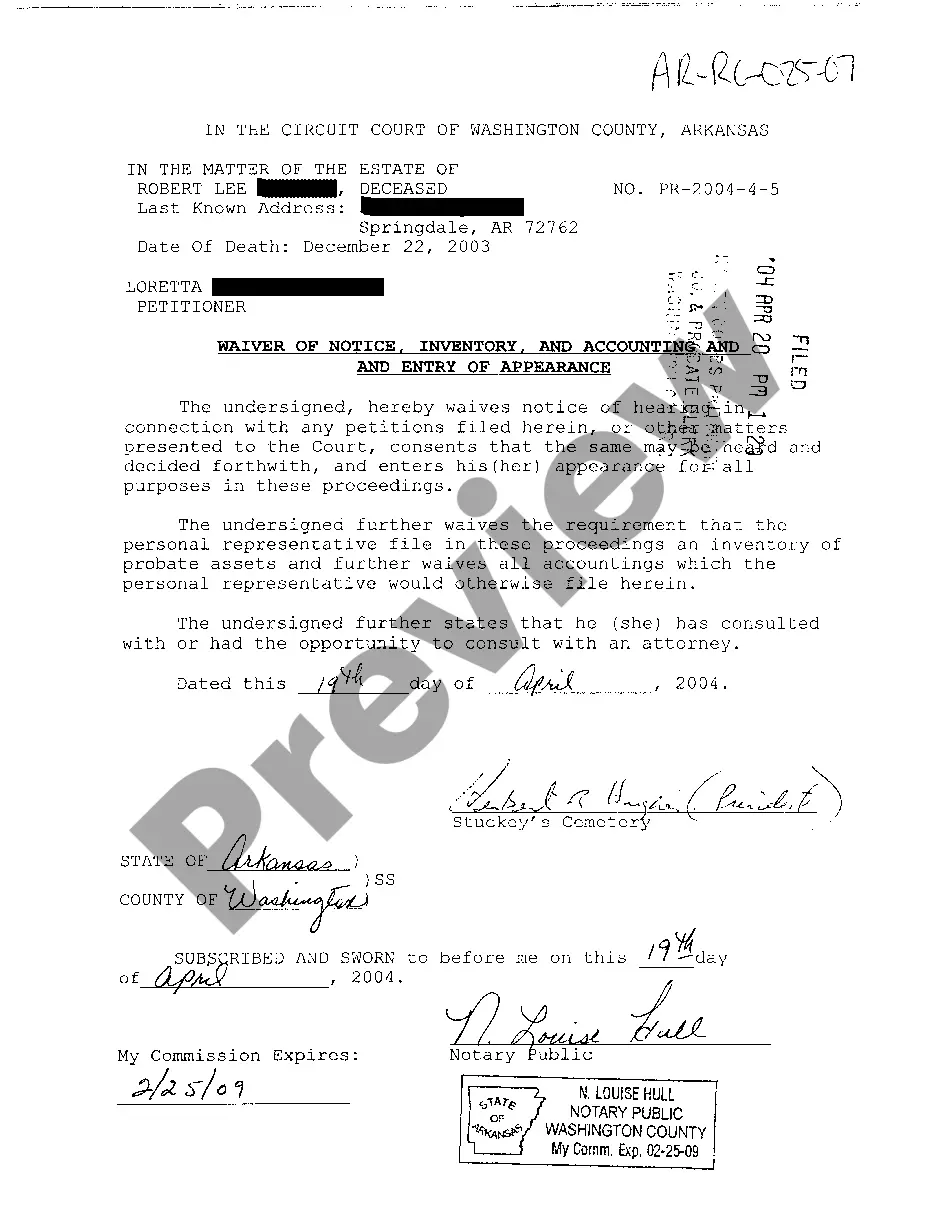
The purpose of a waiver is to relinquish a right or claim voluntarily. When someone signs a waiver, they essentially agree not to hold another party responsible under certain conditions. This is especially relevant in liability protections and health-related scenarios. Utilizing the Waiver of accounting form for covid-19 vaccine Philippines can help clarify such agreements.
A blanket waiver is a provision that prevents an insurer from pursuing a third party to recover costs after paying a claim. This means the insurer accepts that it cannot seek reimbursement from other parties involved, which helps in smoother transactions. Businesses often utilize blanket waivers to reduce liability. For related documentation, the Waiver of accounting form for covid-19 vaccine Philippines may offer the necessary legal framework.
The main difference lies in the scope of coverage. A scheduled waiver of subrogation applies to specific contracts or incidents, while a blanket waiver covers all agreements and potential future situations. Understanding this distinction is crucial for managing risks effectively. If you need to draft related documents, consider using the Waiver of accounting form for covid-19 vaccine Philippines.
Religious reasons for not being vaccinated can include beliefs that oppose medical intervention or the use of specific ingredients in vaccines. Individuals may cite their faith-based teachings that discourage or prohibit vaccination. If you seek a waiver, consider utilizing a waiver of accounting form for the COVID-19 vaccine in the Philippines to communicate your concerns effectively. Connecting with your religious leader can also be beneficial for support during this process.
To secure a religious exemption for vaccinations, you need to submit a waiver of accounting form for the COVID-19 vaccine in the Philippines to your relevant authority. The process generally involves writing a formal request that describes your religious beliefs opposing vaccination. It's important to check if your organization has specific criteria for accepting such exemptions. Stay informed and submit your request well in advance.
The Form I-693, which is essential for your green card application, requires a complete medical examination, including vaccinations. If you have concerns regarding the COVID-19 vaccine, you may consider filing a waiver of accounting form for the COVID-19 vaccine in the Philippines. Make sure you complete all sections of the form accurately and gather the necessary medical documentation. A trained civil surgeon will help guide you through the process.
If you lack vaccination records for your green card application, you may need to use a waiver of accounting form for the COVID-19 vaccine in the Philippines. This waiver allows you to explain your situation and possibly obtain a religious or medical exemption. Without records, the processing of your application could be delayed, so consult an immigration attorney for guidance. It's crucial to take proactive steps to resolve any documentation issues.
In Alabama, you can request a religious exemption by completing the waiver of accounting form for the COVID-19 vaccine. Reach out to your local health authorities or educational institution for their guidelines. You might need to provide a signed statement that clearly expresses your religious beliefs against vaccination. Always submit your exemption request as early as possible to avoid any repercussions.
