Beneficiary Deed Form Arkansas Format
Description
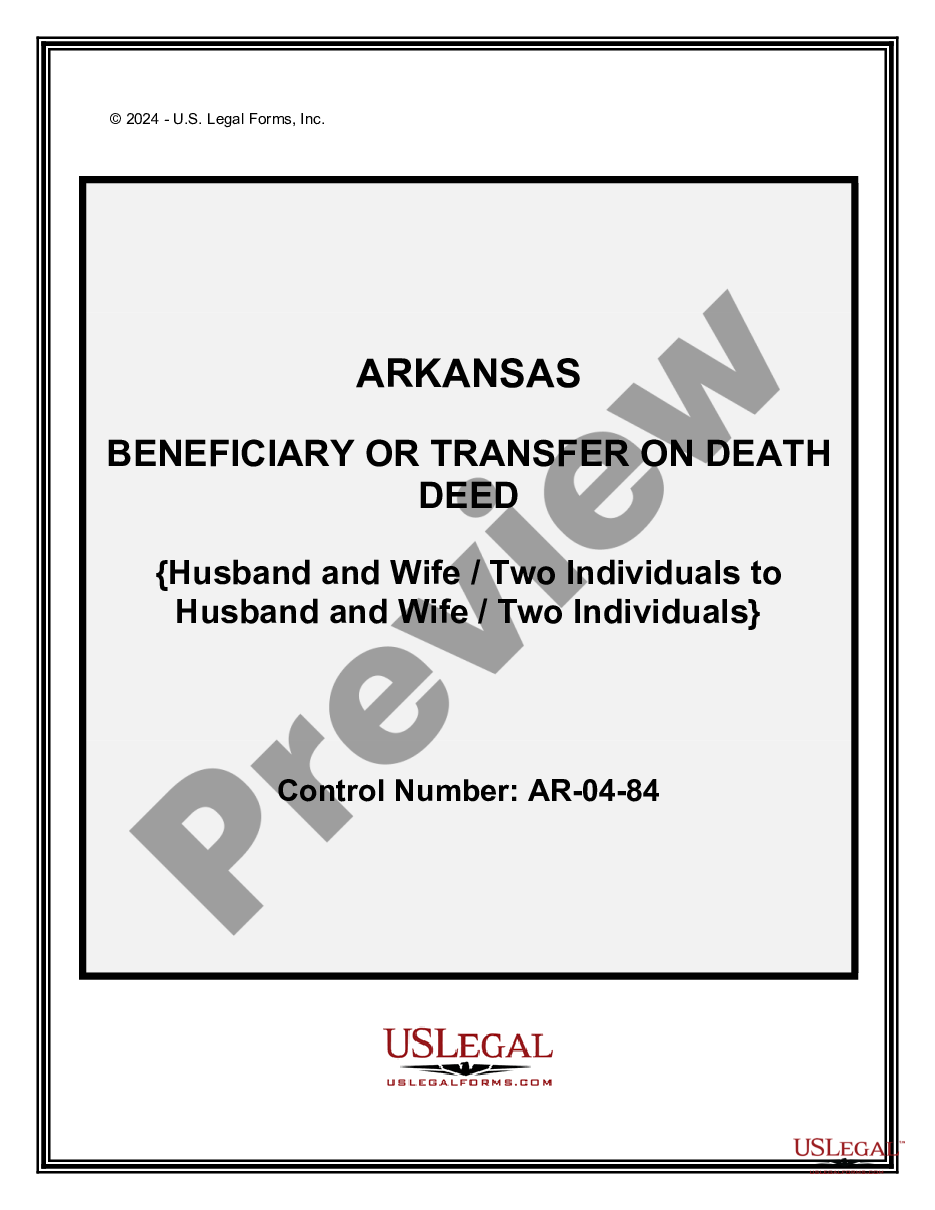
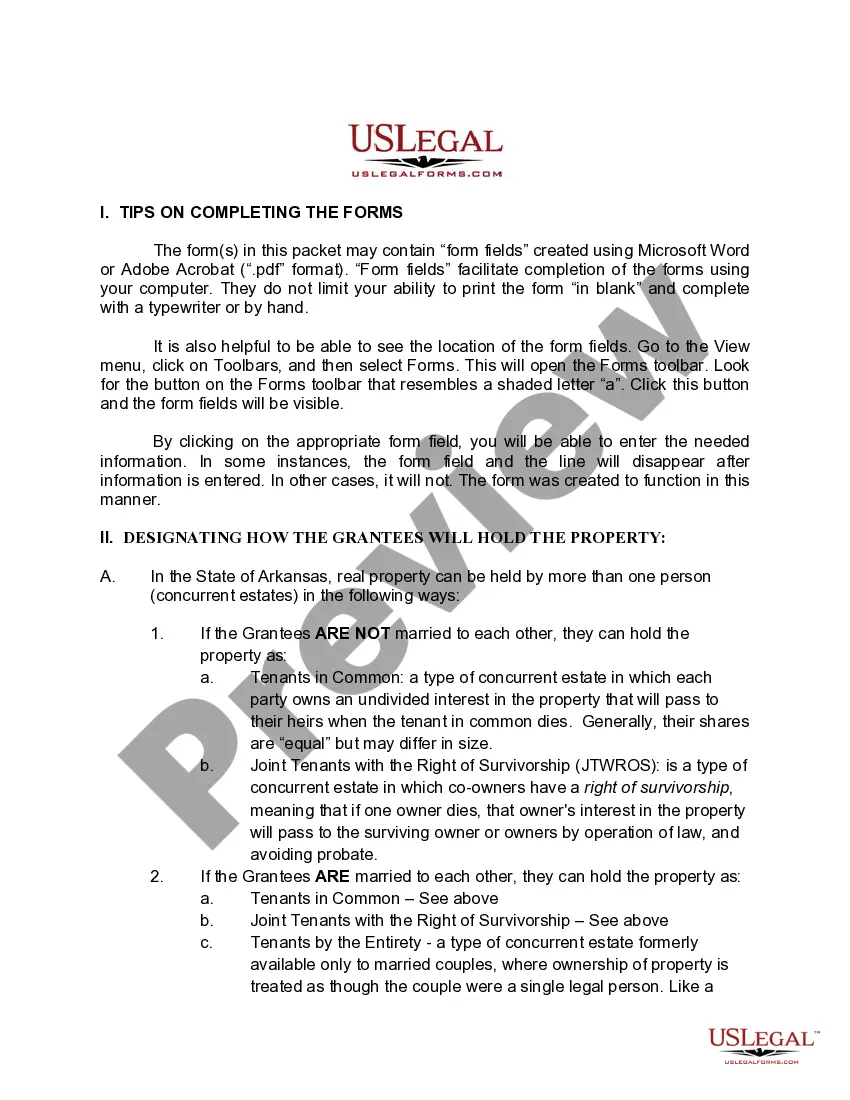
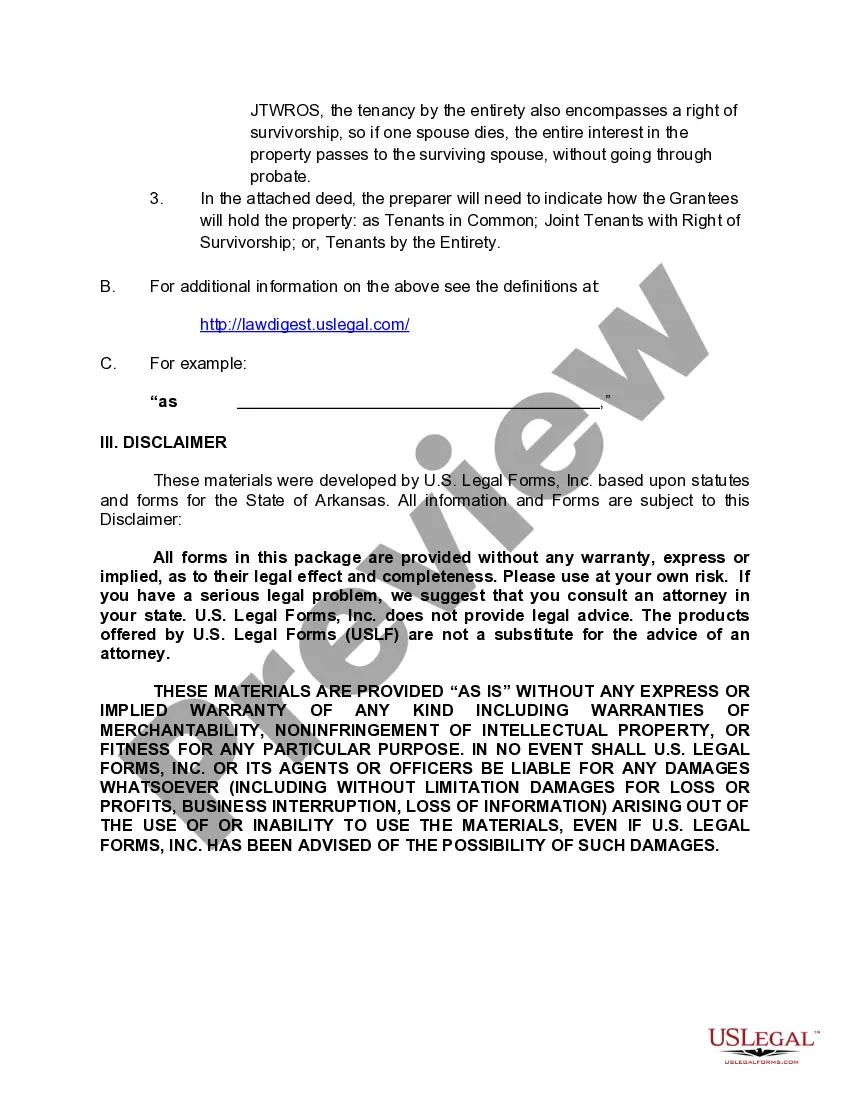
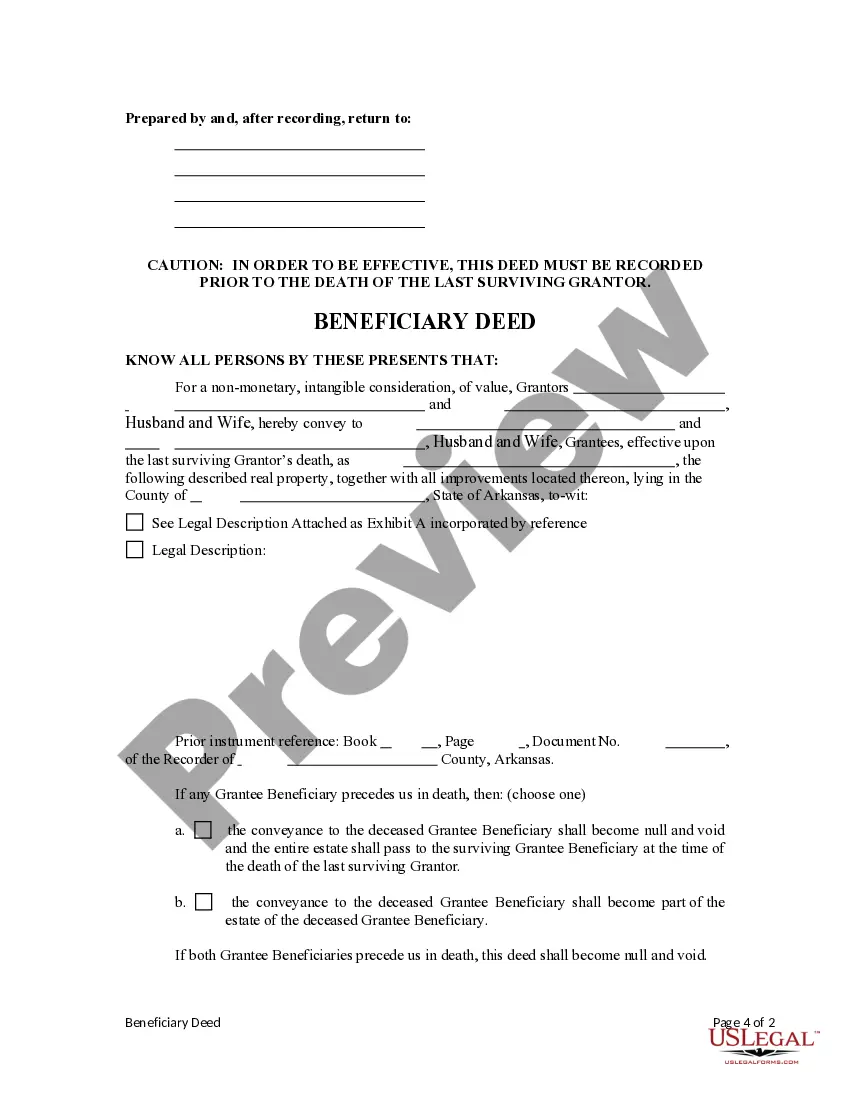

Get your form ready online
Our built-in tools help you complete, sign, share, and store your documents in one place.
Make edits, fill in missing information, and update formatting in US Legal Forms—just like you would in MS Word.
Download a copy, print it, send it by email, or mail it via USPS—whatever works best for your next step.
Sign and collect signatures with our SignNow integration. Send to multiple recipients, set reminders, and more. Go Premium to unlock E-Sign.
If this form requires notarization, complete it online through a secure video call—no need to meet a notary in person or wait for an appointment.
We protect your documents and personal data by following strict security and privacy standards.
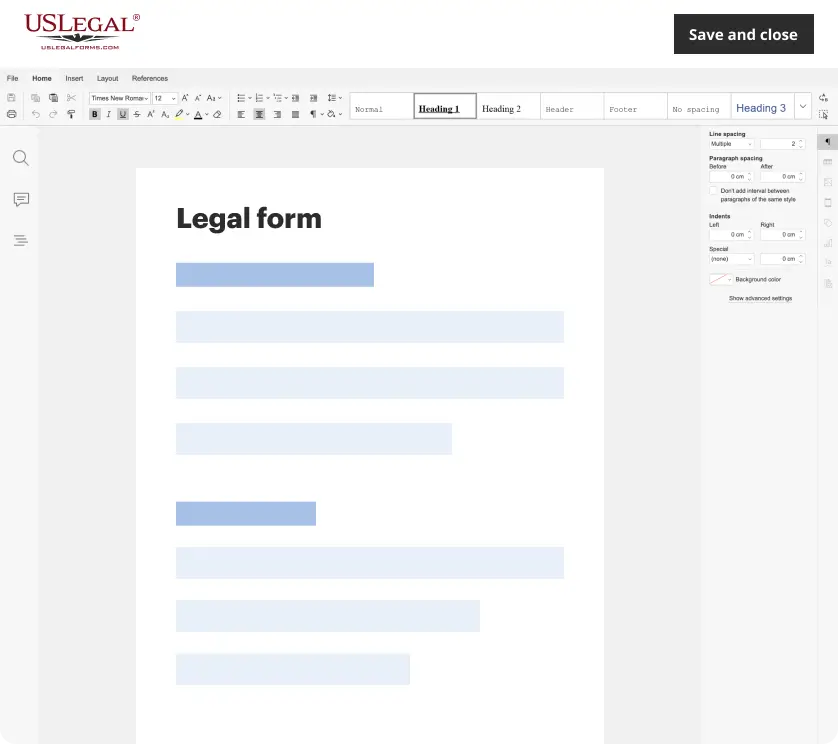
Make edits, fill in missing information, and update formatting in US Legal Forms—just like you would in MS Word.
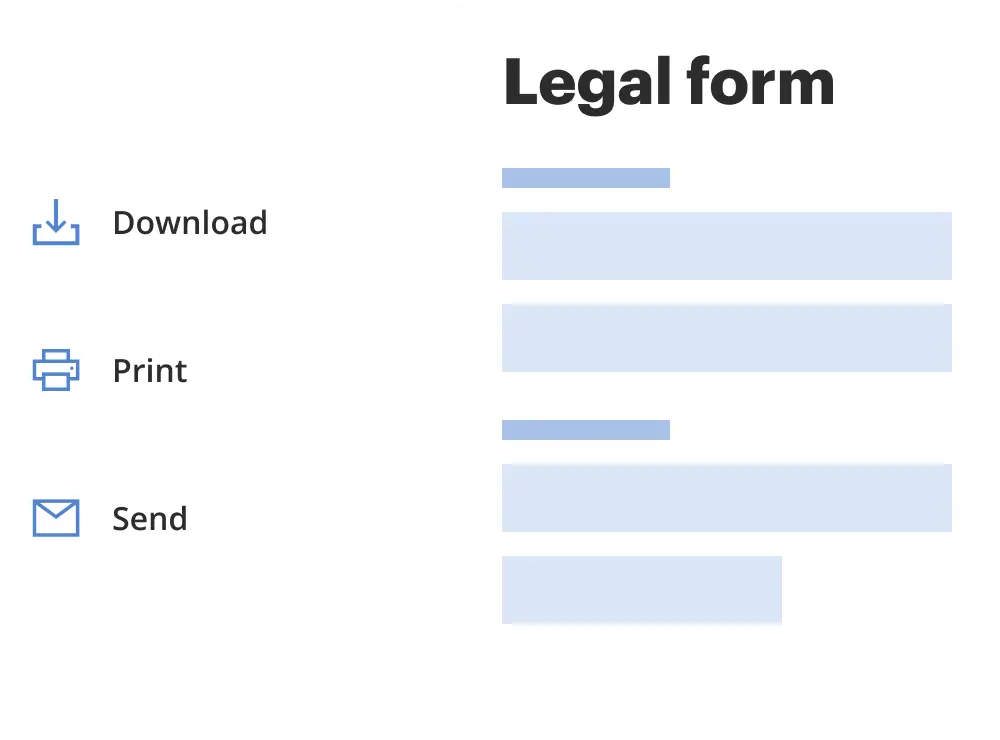
Download a copy, print it, send it by email, or mail it via USPS—whatever works best for your next step.
Sign and collect signatures with our SignNow integration. Send to multiple recipients, set reminders, and more. Go Premium to unlock E-Sign.

If this form requires notarization, complete it online through a secure video call—no need to meet a notary in person or wait for an appointment.

We protect your documents and personal data by following strict security and privacy standards.
Looking for another form?









How to fill out Arkansas Beneficiary Or Transfer On Death Deed Or TOD - Husband And Wife Or Two Individuals To Husband And Wife Or Two Individuals?
Whether for commercial reasons or personal issues, everyone must confront legal matters at some stage in their lives.
Filling out legal documents requires meticulous consideration, starting with selecting the proper form template. For instance, if you choose an incorrect version of a Beneficiary Deed Form Arkansas Format, it will be rejected upon submission.
With an extensive catalog from US Legal Forms available, you don’t have to waste time searching for the appropriate sample online. Utilize the library’s user-friendly navigation to find the correct form for any occasion.
- Obtain the necessary template by using the search box or the catalog browsing.
- Review the information on the form to ensure it matches your circumstances, state, and county.
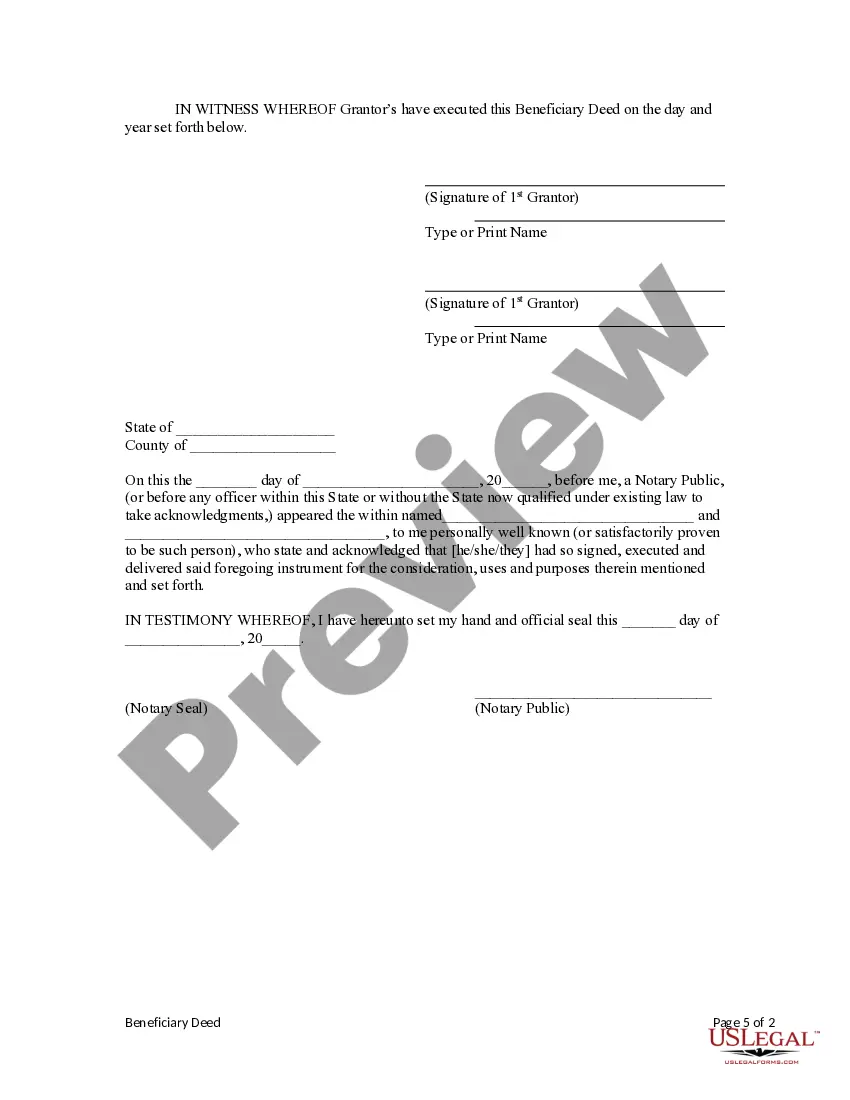
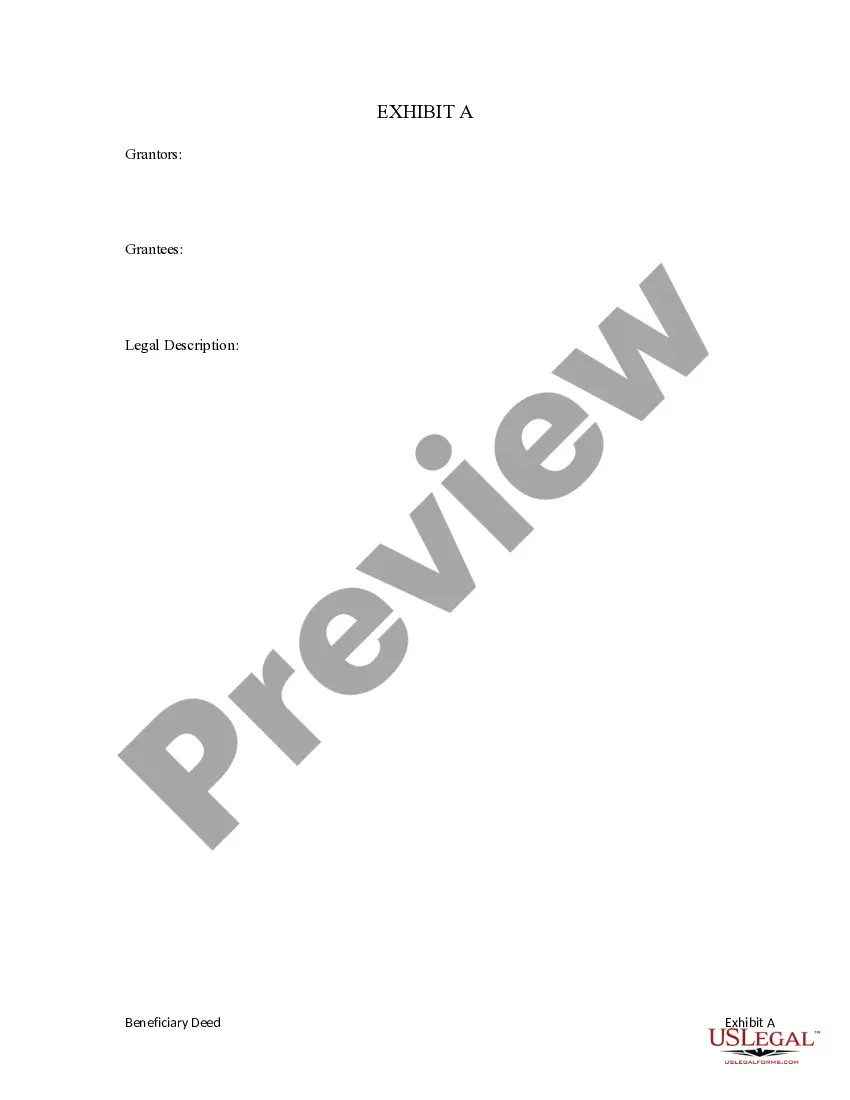
- Click on the form’s preview to inspect it.
- If it is the wrong form, return to the search tool to locate the Beneficiary Deed Form Arkansas Format sample you need.
- Download the template once it satisfies your criteria.
- If you have a US Legal Forms account, simply click Log in to access previously stored templates in My documents.
- If you haven’t created an account yet, you can acquire the form by clicking Buy now.
- Select the appropriate pricing option.
- Complete the profile registration form.
- Choose your payment method: utilize a credit card or PayPal account.
- Select the document format you prefer and download the Beneficiary Deed Form Arkansas Format.
- Once it is saved, you can complete the form using editing software or print it to fill it out manually.
Form popularity
FAQ
Filling out a beneficiary deed form Arkansas format requires clear steps. Start by entering the owner's information and a detailed description of the property. Next, specify the beneficiary's name and relation to the owner, ensuring accuracy to avoid any legal issues. Finally, sign and notarize the document before recording it with the county clerk to make the transfer valid.
A beneficiary deed form Arkansas format may have some drawbacks. For instance, if the property owner faces financial troubles, creditors could potentially access the property, despite the beneficiary designation. Moreover, the transfer does not allow for immediate access to the property for the beneficiary until the owner passes away. It is also important to consider the implications of tax liabilities and probate issues that can arise.
You can get a beneficiary deed form through various channels, such as local law libraries, legal aid offices, and online platforms like USLegalForms. They offer comprehensive access to a beneficiary deed form Arkansas format that is ready for use. Consider downloading your form online for convenience.
While it is not mandatory to hire a lawyer to file a transfer on death deed in Arkansas, consulting with one can be beneficial. A lawyer can provide guidance to ensure that you complete the beneficiary deed form Arkansas format correctly and adhere to all legal requirements. This extra layer of support can help prevent potential issues down the line.
Yes, Arkansas does allow beneficiary deeds, which provide an efficient way to transfer real estate upon death without the need for probate. This legal tool can simplify the transfer process and help you avoid the complexities often associated with inheritance. Ensure you adhere to the Arkansas laws while preparing a beneficiary deed.
To get a beneficiary deed in Arkansas, you should start by accessing a beneficiary deed form Arkansas format. Complete the form with accurate details, sign it, and then have it notarized. Once completed, file the deed with the county clerk's office to ensure it is officially recorded.
You can get a copy of a deed in Arkansas by visiting the county clerk’s office where the property is located. Most counties also provide online access to property records, allowing you to request deeds conveniently through their websites. Ensure you have the necessary property details to facilitate your search.
Many banks do provide beneficiary forms; however, these forms can vary by institution. While banks may offer their version of a beneficiary deed form Arkansas format for accounts and financial assets, it's important to verify that it meets the specific requirements for property transfers in Arkansas. Always check with your bank for their available options.
You can obtain a beneficiary deed form Arkansas format from various sources, including online legal service providers like USLegalForms. They offer easy access to downloadable and editable forms specifically tailored for Arkansas residents. Alternatively, you can obtain forms from local county clerks' offices.
To write a beneficiary deed, you need to follow the specific requirements set by Arkansas law. Start by obtaining a beneficiary deed form Arkansas format, which includes sections for your name, the property description, and the beneficiary's details. Clearly identify the transfer conditions, sign the document, and have it notarized to ensure validity.