Transfer On Death Deed For Illinois
Description



Get your form ready online
Our built-in tools help you complete, sign, share, and store your documents in one place.
Make edits, fill in missing information, and update formatting in US Legal Forms—just like you would in MS Word.
Download a copy, print it, send it by email, or mail it via USPS—whatever works best for your next step.
Sign and collect signatures with our SignNow integration. Send to multiple recipients, set reminders, and more. Go Premium to unlock E-Sign.
If this form requires notarization, complete it online through a secure video call—no need to meet a notary in person or wait for an appointment.
We protect your documents and personal data by following strict security and privacy standards.

Make edits, fill in missing information, and update formatting in US Legal Forms—just like you would in MS Word.

Download a copy, print it, send it by email, or mail it via USPS—whatever works best for your next step.

Sign and collect signatures with our SignNow integration. Send to multiple recipients, set reminders, and more. Go Premium to unlock E-Sign.

If this form requires notarization, complete it online through a secure video call—no need to meet a notary in person or wait for an appointment.

We protect your documents and personal data by following strict security and privacy standards.
Looking for another form?
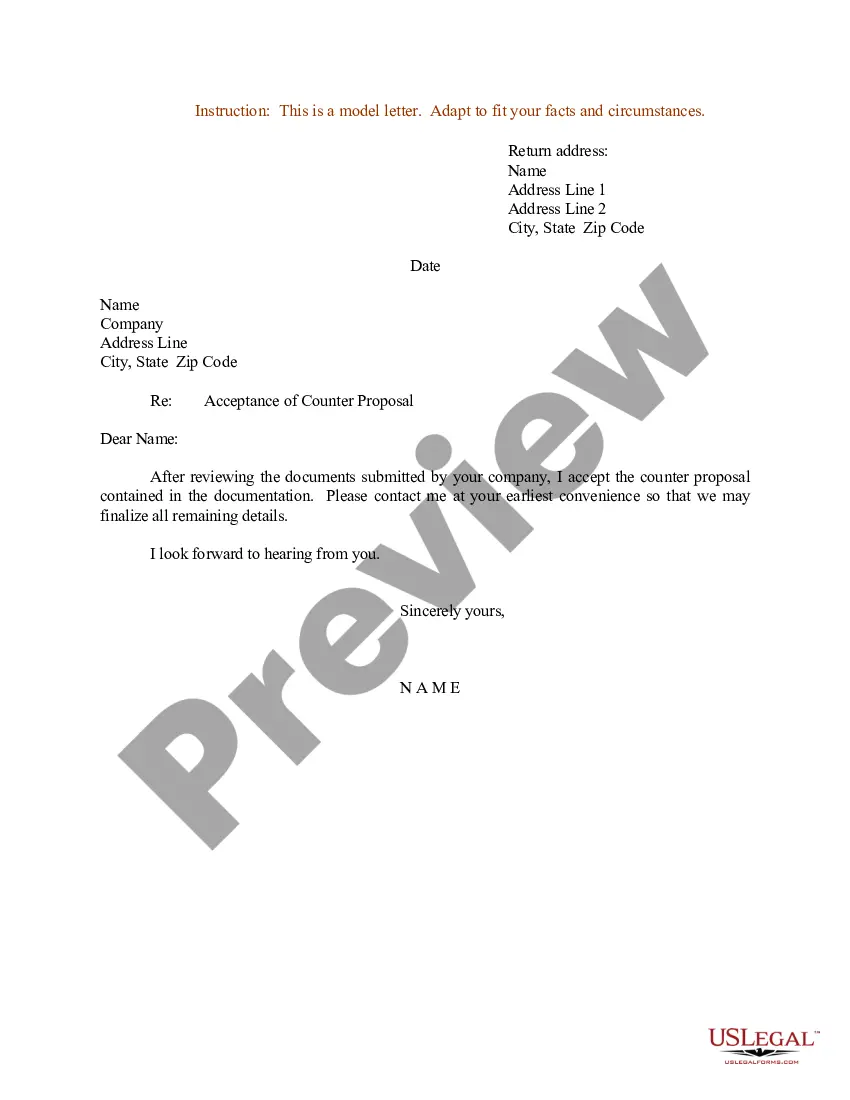




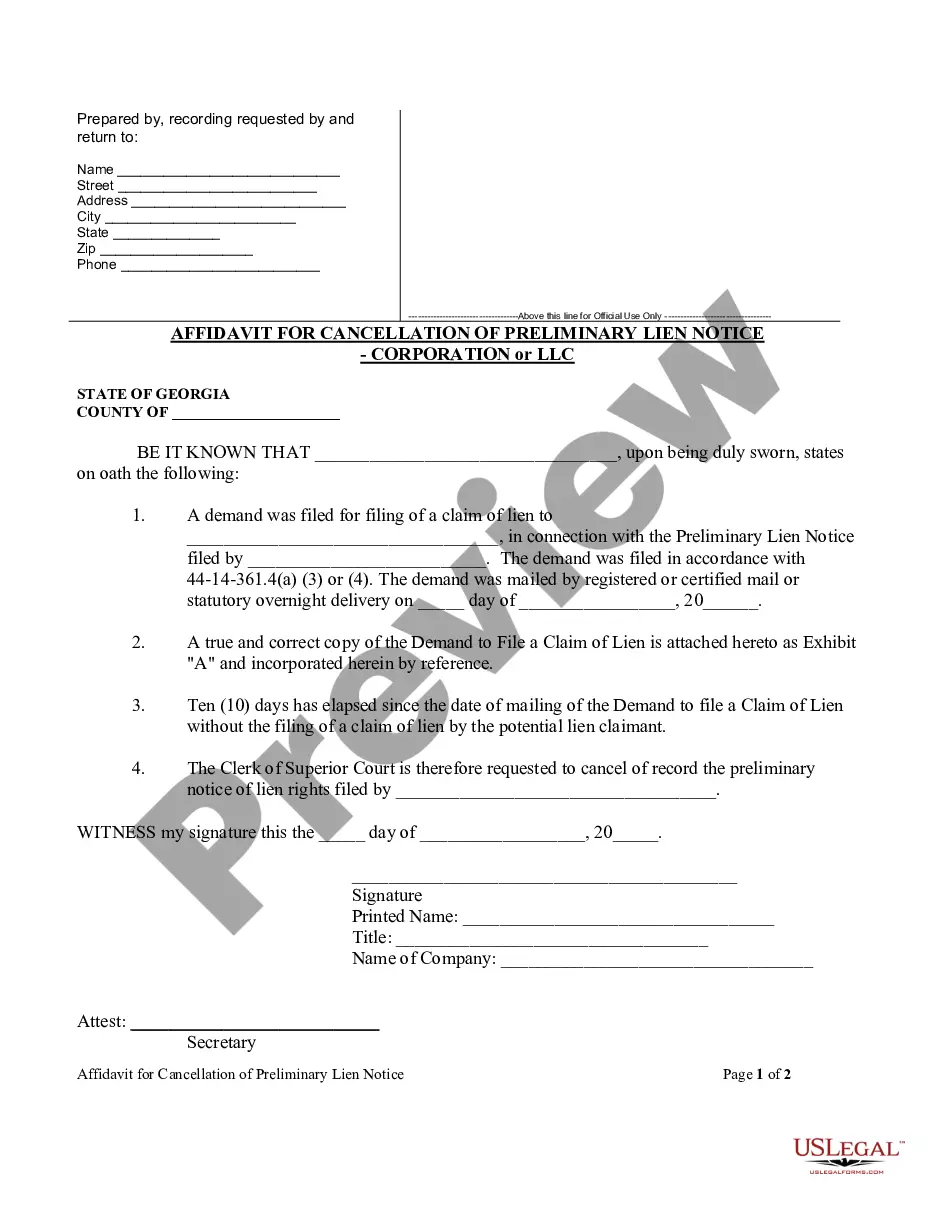




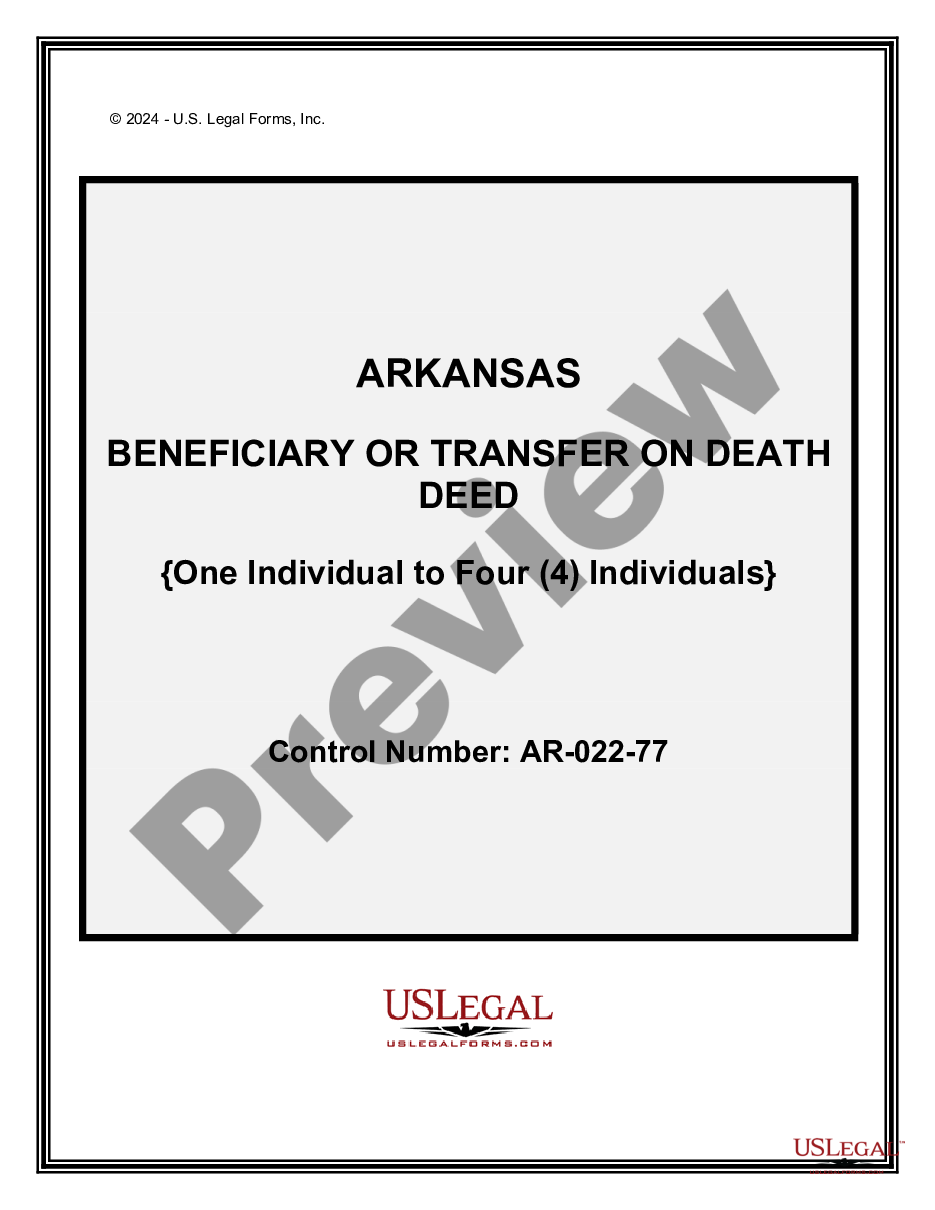
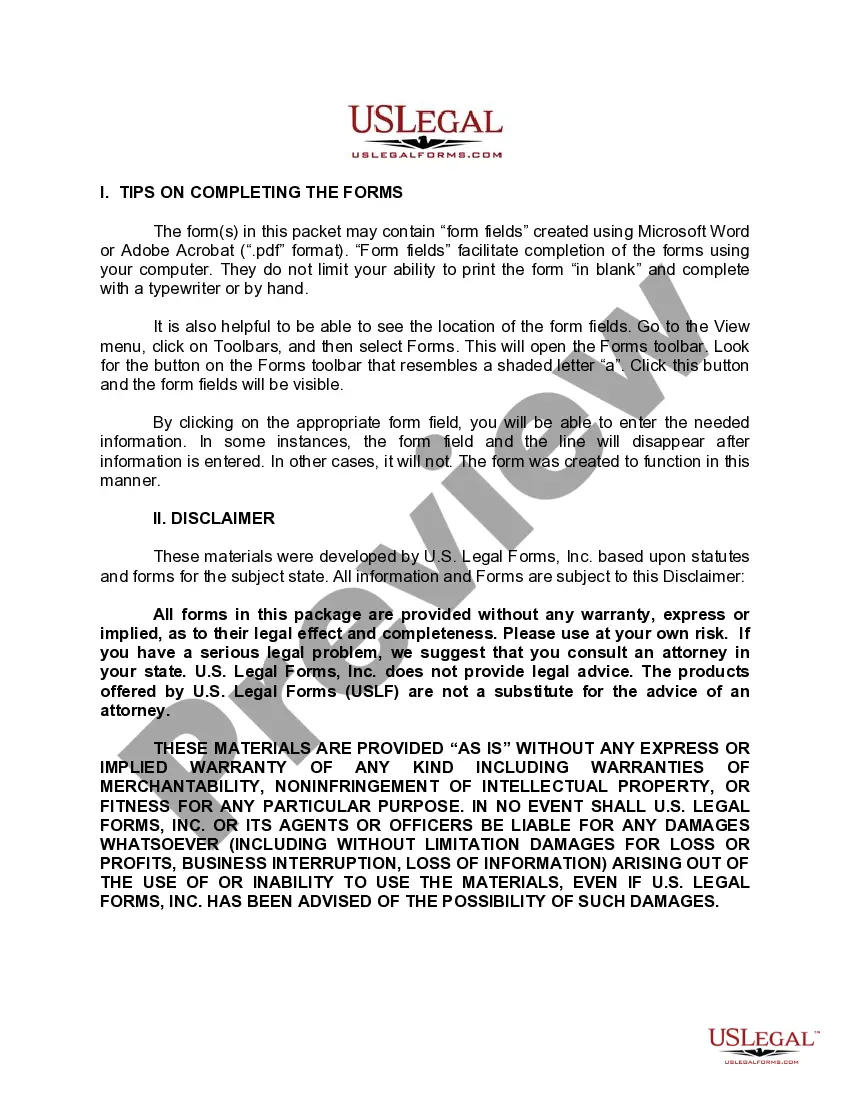
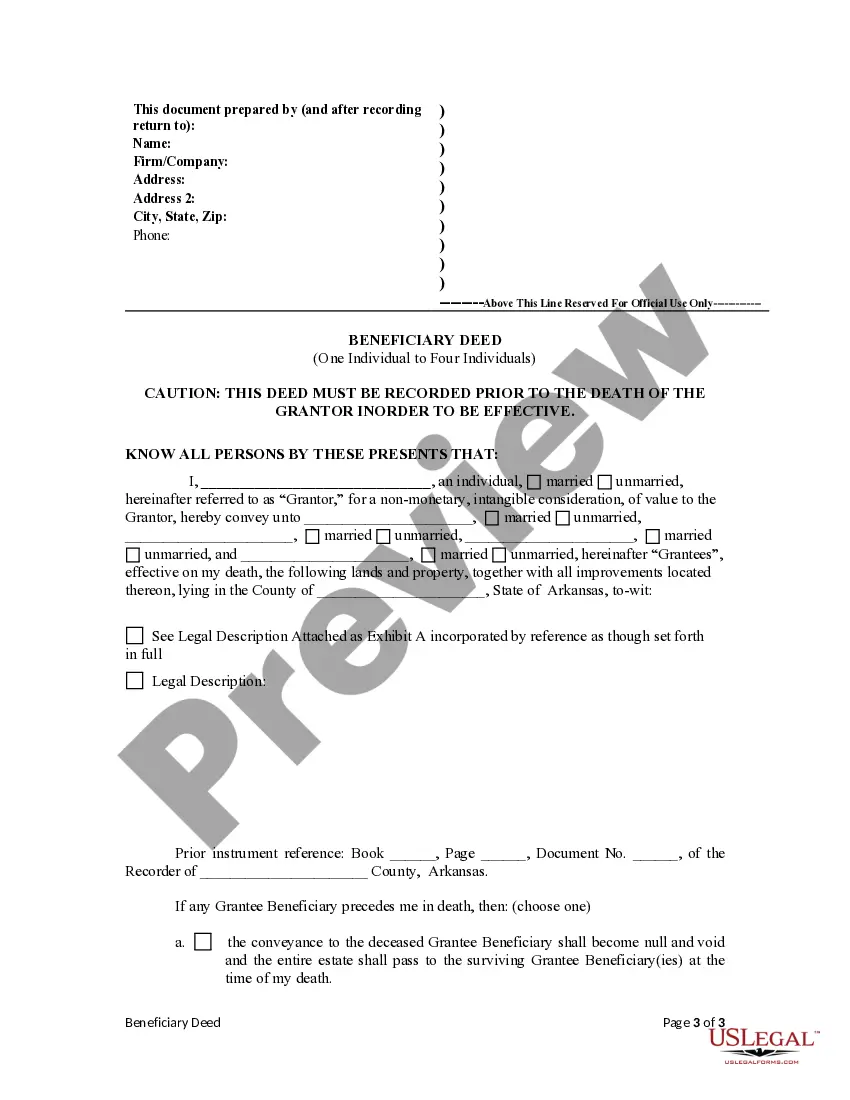
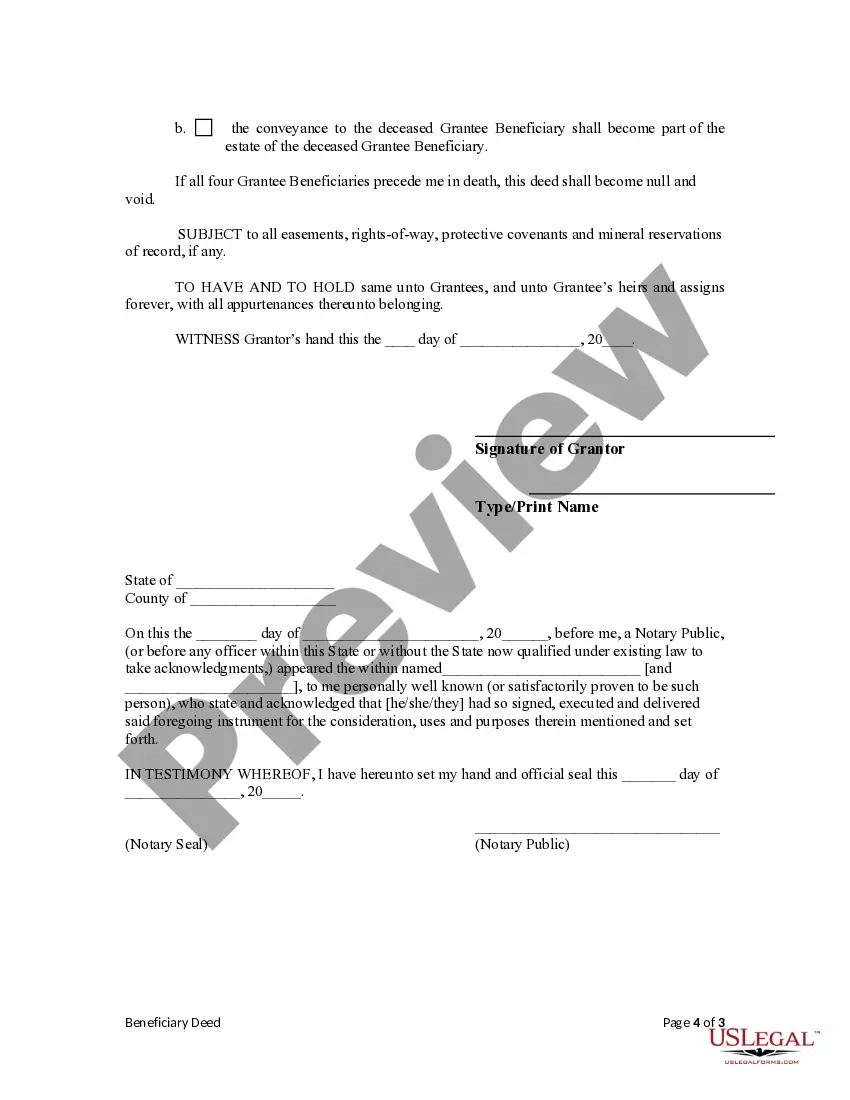
How to fill out Arkansas Transfer On Death Deed Or TOD - Beneficiary Deed For One Individual To Four Individuals?
- If you're a returning user, log in to your account and download the required form by clicking the Download button. Ensure your subscription is active; renew as needed.
- For first-time users, begin by checking the form preview and description to confirm it meets your needs and complies with Illinois law.
- If there are discrepancies or you need a different document, utilize the Search feature to find the suitable template.
- Once you find the correct form, click 'Buy Now' and select a subscription plan that fits your requirements; account registration will be necessary.
- Finalize your purchase by entering your credit card information or by using your PayPal account.
- After payment, download your form and store it on your device. You can access it anytime from the My Forms section of your profile.
US Legal Forms provides a robust collection of over 85,000 customizable legal forms, empowering both individuals and attorneys to swiftly execute essential documents. With access to premium experts, you're ensured of precisely crafted and legally compliant drafts.
Start your estate planning today by utilizing US Legal Forms for your Transfer on Death Deed needs. Don't wait—take control of your legacy now!
Form popularity
FAQ
Yes, a transfer on death deed for Illinois does indeed avoid probate. This type of deed allows your designated beneficiary to receive the property directly without the lengthy court procedures associated with probate. It is an efficient way to ensure your wishes are honored while minimizing stress for your loved ones. Using a transfer on death deed can streamline the property transfer process significantly.
In Illinois, an executor generally has a reasonable amount of time to distribute assets, typically up to 12 months from the date of death. However, if you have filed a transfer on death deed for Illinois, the property can be directly transferred to the beneficiary, simplifying and speeding up asset distribution. It's crucial for executors to communicate effectively with beneficiaries during this period. Proper guidance can help ensure all legal obligations are met.
To transfer a house title after death in Illinois, you will need to file the necessary documents with the county recorder’s office. If you created a transfer on death deed for Illinois prior to your passing, the title transfer can occur without probate. Be sure to gather the death certificate and any related paperwork to complete this process smoothly. Consulting a professional can also expedite your title transfer.
Yes, you can transfer property without probate in Illinois by using a transfer on death deed. This legal tool allows you to designate a beneficiary who will inherit the property directly upon your death. This method circumvents the lengthy probate process, allowing for a smoother transition. Consider exploring how a transfer on death deed for Illinois might benefit you and your heirs.
In Illinois, you can transfer a deed after death through a transfer on death deed without any strict time limit. However, it is essential to handle this promptly to ensure the property is correctly distributed according to your wishes. Processing the transfer often requires the death certificate and may depend on estate management decisions. Utilizing a transfer on death deed for Illinois can simplify this process significantly.
Choosing between a transfer on death deed and naming a beneficiary depends on your specific needs. A transfer on death deed for Illinois allows you to transfer property while still retaining control during your lifetime. Conversely, naming a beneficiary may directly pass assets without delays. Evaluating both options and their respective advantages can help you make the best choice for your estate planning.
Although you can create a transfer on death deed without a lawyer, consulting legal expertise is advisable. A lawyer can ensure that the deed complies with state laws and covers all necessary details to prevent potential disputes in the future. They can also provide insights tailored to your unique situation. Accessing services from platforms like US Legal Forms can simplify this process, providing templates and guidance.
While a transfer on death deed can be beneficial, it comes with certain disadvantages. For instance, it may not provide full protection against creditors or might lead to disputes if multiple parties have claims on the property. Additionally, if the deed is not executed correctly, it may become ineffective. Therefore, understanding the potential disadvantages of a transfer on death deed for Illinois is crucial for comprehensive estate planning.
Yes, a transfer on death deed does allow property to bypass probate in Illinois. This benefit can help your loved ones avoid the time-consuming and often costly probate process. However, it is essential to structure the deed correctly to ensure it fulfills its purpose. Utilizing a reliable platform like US Legal Forms can provide guidance on creating a transfer on death deed for Illinois that meets all legal requirements.
Some people may view a transfer on death deed as problematic because it does not cover all aspects of estate planning. For example, it does not address potential debts of the deceased or determine how remaining assets will be handled. Moreover, if a property is not adequately managed during the owner's life, the transfer could lead to complications. Hence, exploring the complete benefits of a transfer on death deed for Illinois helps users make informed decisions.