Signing A Transfer Deed
Description
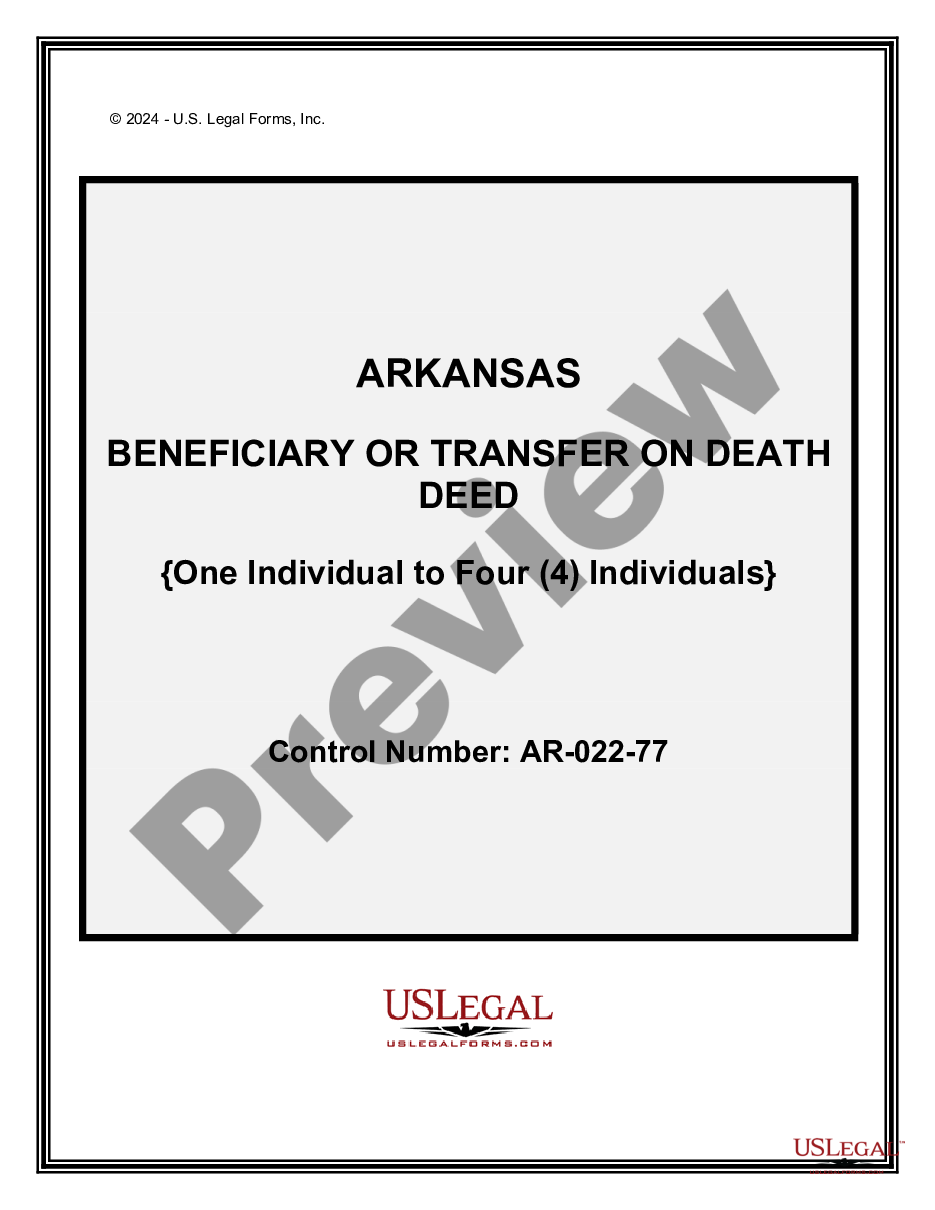
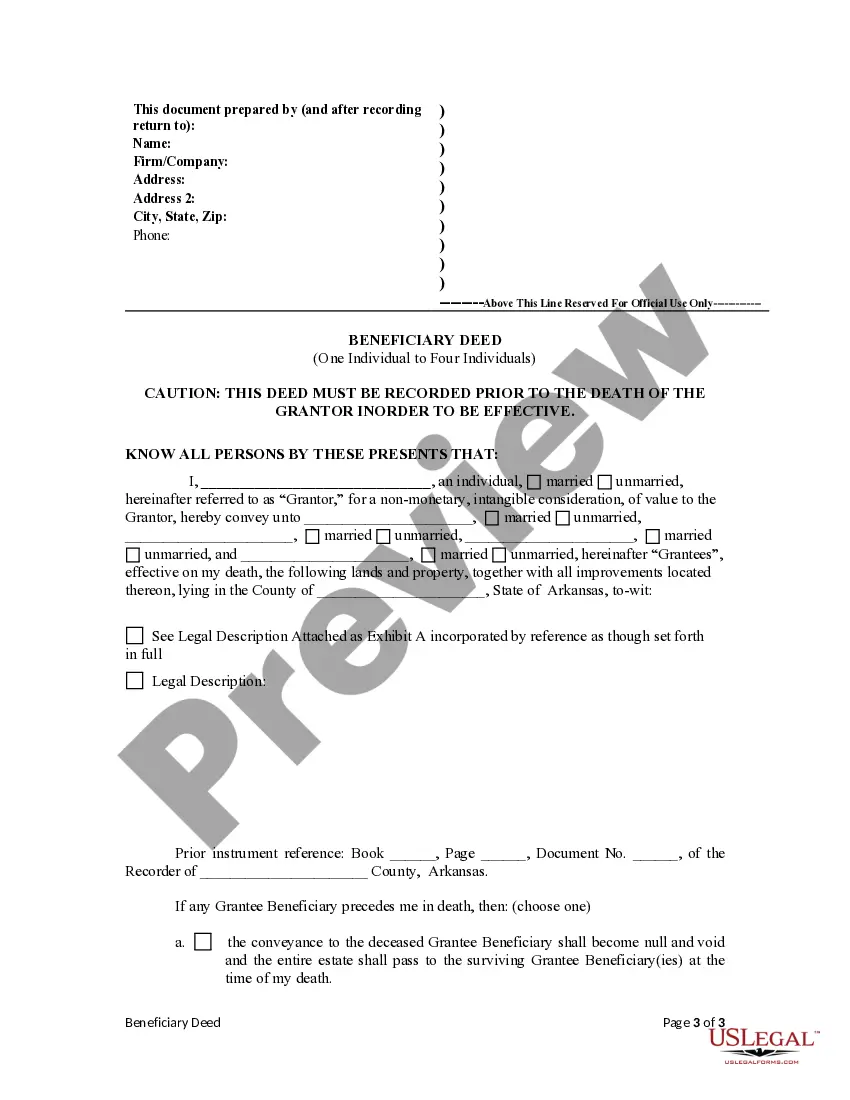
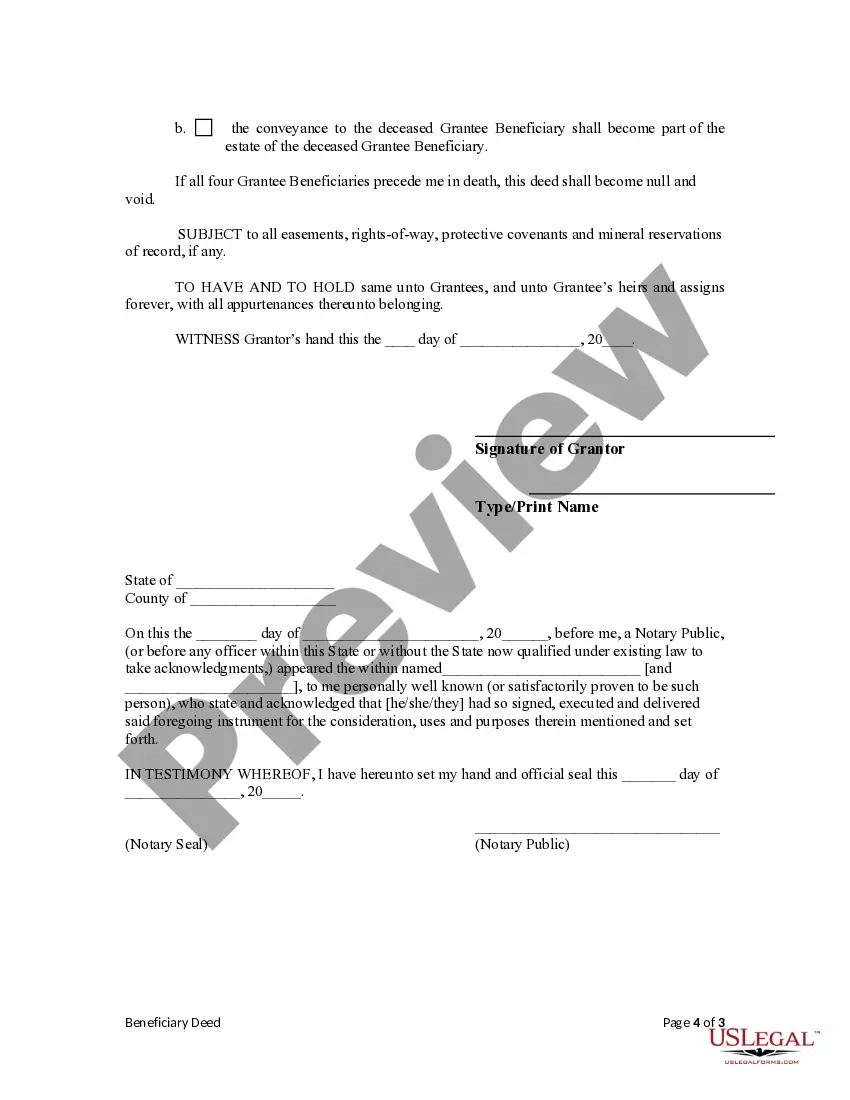



Get your form ready online
Our built-in tools help you complete, sign, share, and store your documents in one place.
Make edits, fill in missing information, and update formatting in US Legal Forms—just like you would in MS Word.
Download a copy, print it, send it by email, or mail it via USPS—whatever works best for your next step.
Sign and collect signatures with our SignNow integration. Send to multiple recipients, set reminders, and more. Go Premium to unlock E-Sign.
If this form requires notarization, complete it online through a secure video call—no need to meet a notary in person or wait for an appointment.
We protect your documents and personal data by following strict security and privacy standards.

Make edits, fill in missing information, and update formatting in US Legal Forms—just like you would in MS Word.

Download a copy, print it, send it by email, or mail it via USPS—whatever works best for your next step.

Sign and collect signatures with our SignNow integration. Send to multiple recipients, set reminders, and more. Go Premium to unlock E-Sign.

If this form requires notarization, complete it online through a secure video call—no need to meet a notary in person or wait for an appointment.

We protect your documents and personal data by following strict security and privacy standards.
Looking for another form?







How to fill out Arkansas Transfer On Death Deed Or TOD - Beneficiary Deed For One Individual To Four Individuals?
It’s clear that you cannot instantly become a legal expert, nor can you rapidly learn how to draft a Signing A Transfer Deed without a specialized education.
Drafting legal documents is a lengthy process that necessitates particular education and expertise. Therefore, why not leave the drafting of the Signing A Transfer Deed to the professionals.
With US Legal Forms, which is one of the most extensive legal template collections, you can locate everything from litigation documents to templates for internal communication.
You can access your documents again from the My documents section at any time. If you are a current client, you can just Log In and find and download the template from the same section.
Regardless of the reason for your forms—whether they are for financial, legal, or personal use—our platform has everything you need. Experience US Legal Forms today!
- Utilize the search bar at the top of the page to find the document you need.
- Preview it (if this option is available) and check the accompanying description to see if Signing A Transfer Deed is what you’re looking for.
- If you require another template, start your search again.
- Create a free account and select a subscription plan to acquire the form.
- Click Buy now. After the transaction is finalized, you can download the Signing A Transfer Deed, fill it out, print it, and send or forward it by mail to the designated recipients or organizations.
Form popularity
FAQ
How to Transfer a Real Estate Title Write and Review the Deed. The next step is drafting the deed. ... Signing the Deed. Once all parties agree to the contents of the deed, you can move on to signing. ... Register the Deed. The final step is filing the deed with the county records office.
When adding someone to a title, or changing names on a title, people will generally record a conveyance document/deed. You can get blank legal documents at a stationery or office supply store. It needs to be completed and notarized. The Recorder's Office cannot help with filling out your deed.
The most common way to transfer property is through a general warranty deed (sometimes called a "grant deed"). A general warranty deed guarantees good title from the beginning of time. A special warranty deed only guarantees good title during the seller's time of ownership.
All deeds are to be signed in front of a Notary Public (just the grantor) and the grantee is to also sign the Certificate of Residency. Afterward, the deed may be filed with the Recorder's Office in the jurisdiction of the property.
The most common and reliable way to transfer title of property to someone is through a deed. There are a variety of different deeds, however, when buying or selling you'll typically want a Warranty Deed or Grant Deed.