Company Car For Personal Use
Description
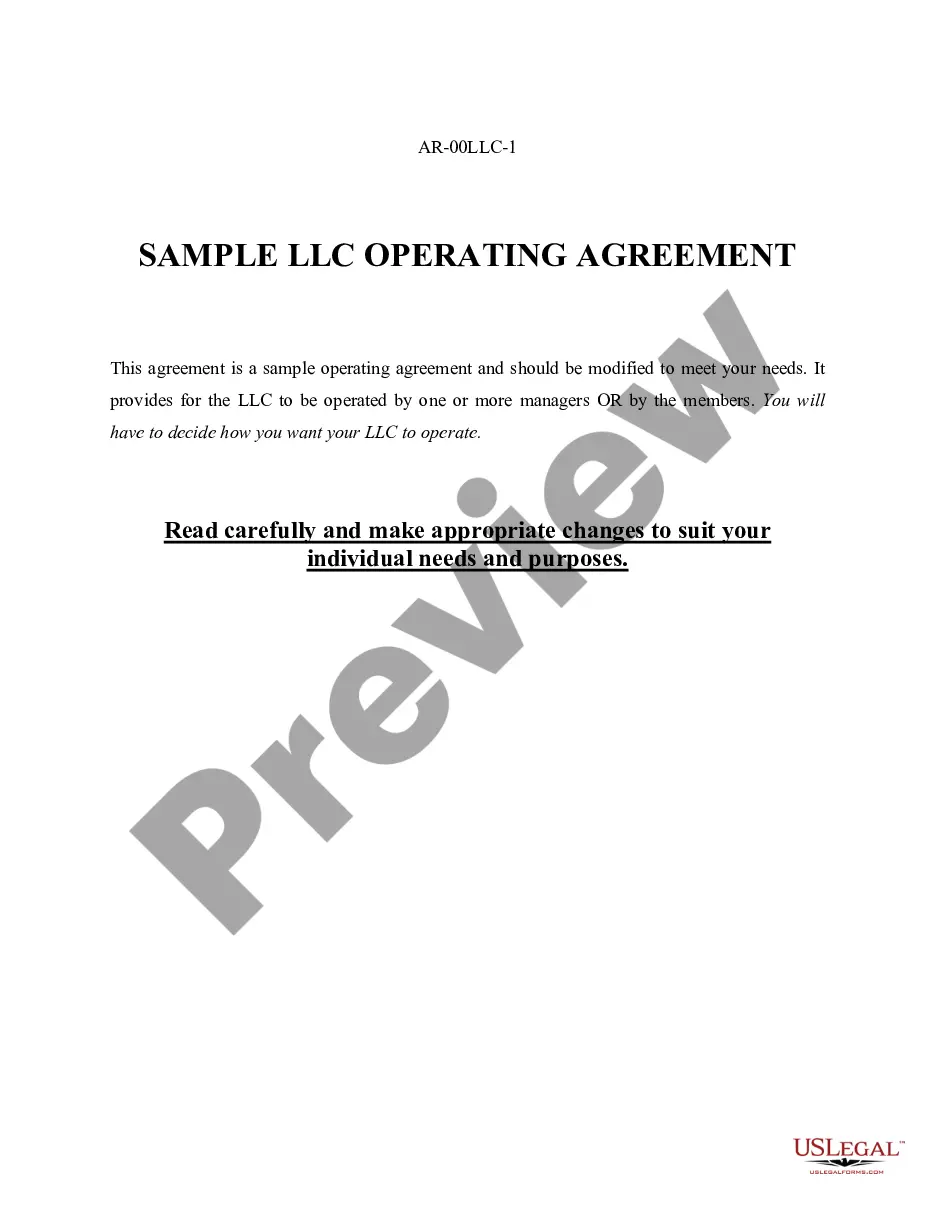
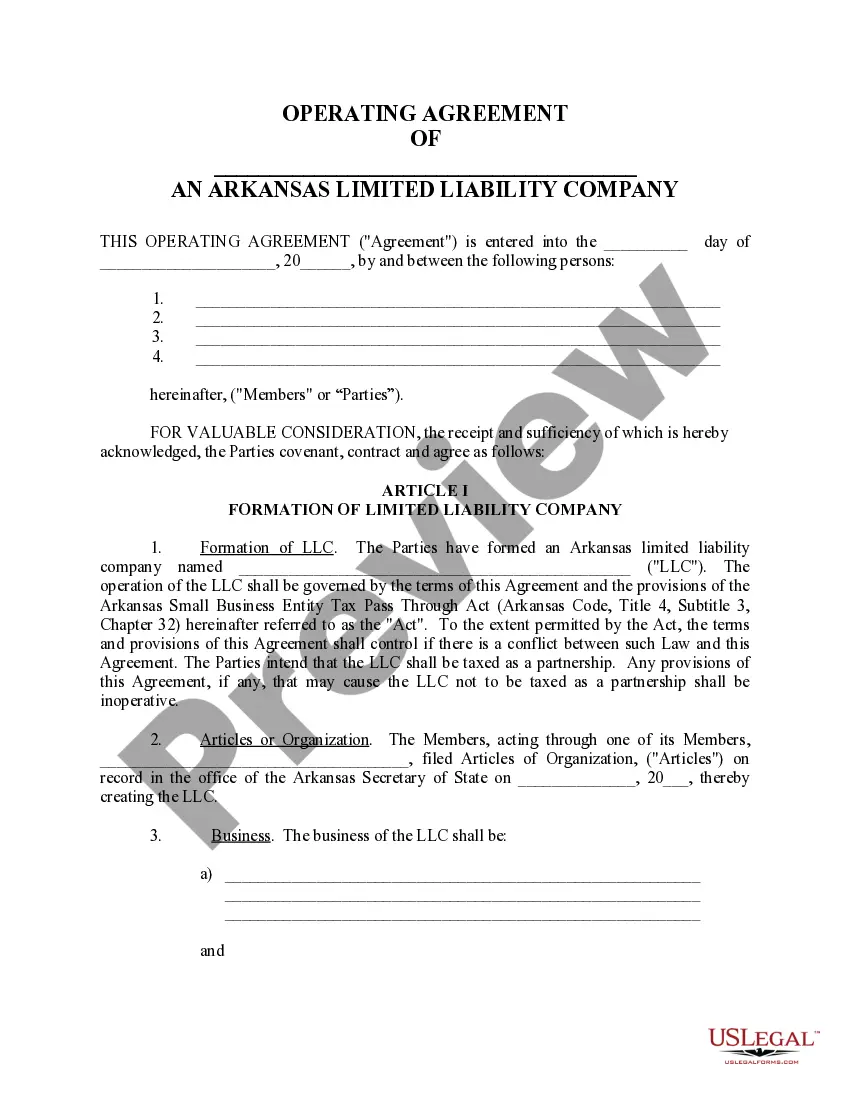
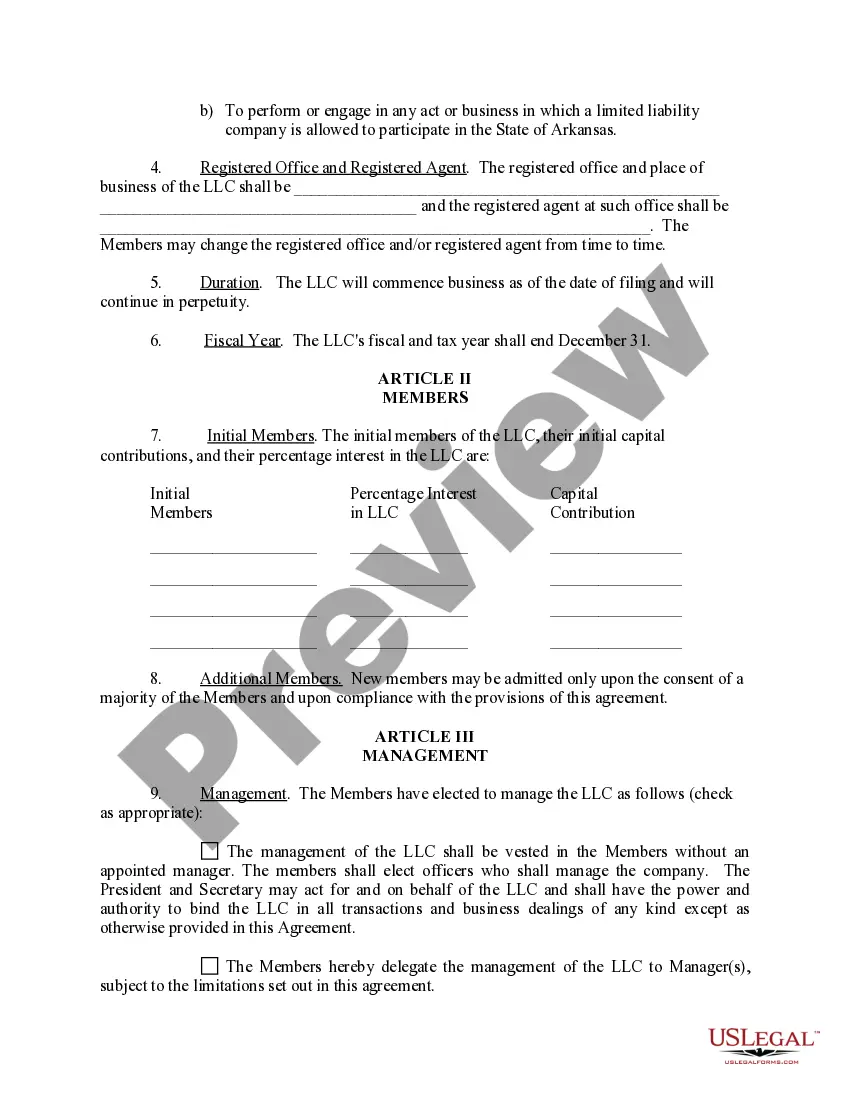
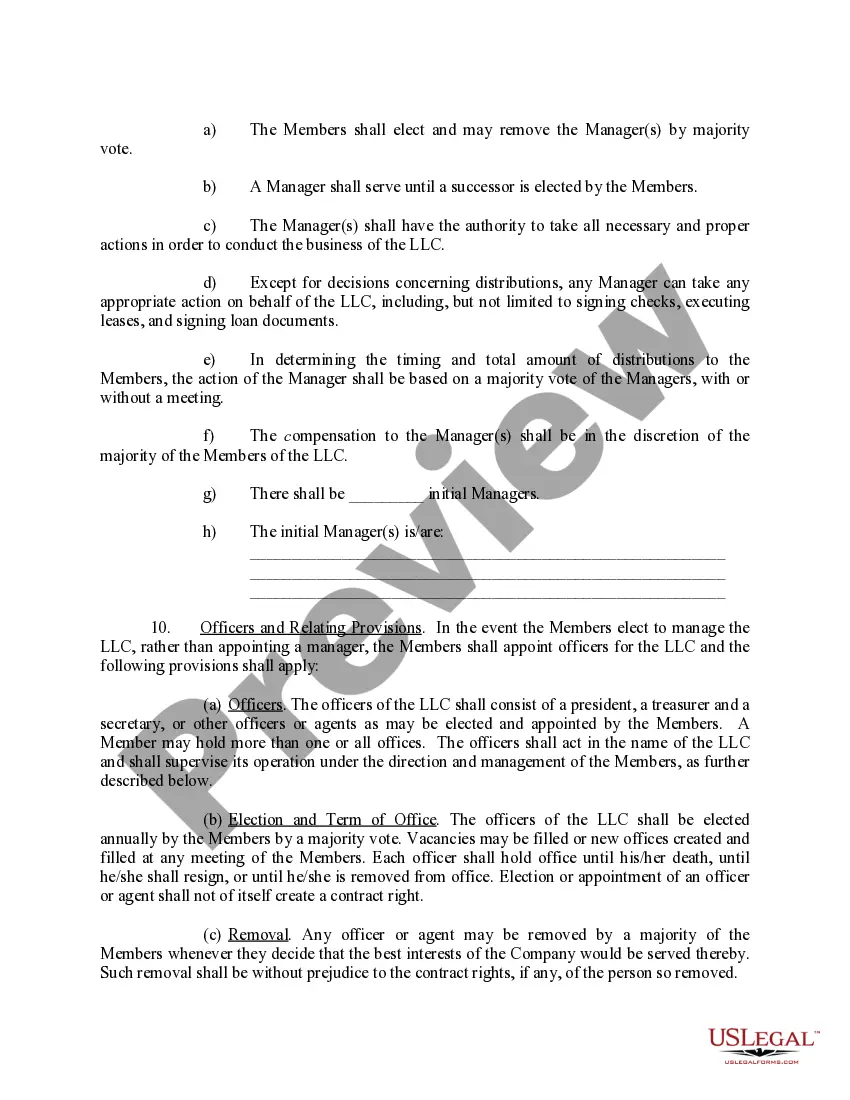

Get your form ready online
Our built-in tools help you complete, sign, share, and store your documents in one place.
Make edits, fill in missing information, and update formatting in US Legal Forms—just like you would in MS Word.
Download a copy, print it, send it by email, or mail it via USPS—whatever works best for your next step.
Sign and collect signatures with our SignNow integration. Send to multiple recipients, set reminders, and more. Go Premium to unlock E-Sign.
If this form requires notarization, complete it online through a secure video call—no need to meet a notary in person or wait for an appointment.
We protect your documents and personal data by following strict security and privacy standards.

Make edits, fill in missing information, and update formatting in US Legal Forms—just like you would in MS Word.

Download a copy, print it, send it by email, or mail it via USPS—whatever works best for your next step.

Sign and collect signatures with our SignNow integration. Send to multiple recipients, set reminders, and more. Go Premium to unlock E-Sign.

If this form requires notarization, complete it online through a secure video call—no need to meet a notary in person or wait for an appointment.

We protect your documents and personal data by following strict security and privacy standards.
Looking for another form?



How to fill out Arkansas Limited Liability Company LLC Operating Agreement?
Utilizing legal document examples that adhere to federal and local regulations is crucial, and the internet provides numerous options to choose from.
However, what is the benefit of spending time searching for the properly drafted Company Car For Personal Use template online when the US Legal Forms digital library already has such documents compiled in one location.
US Legal Forms is the largest online legal directory featuring over 85,000 fillable documents created by attorneys for any professional and personal situation.
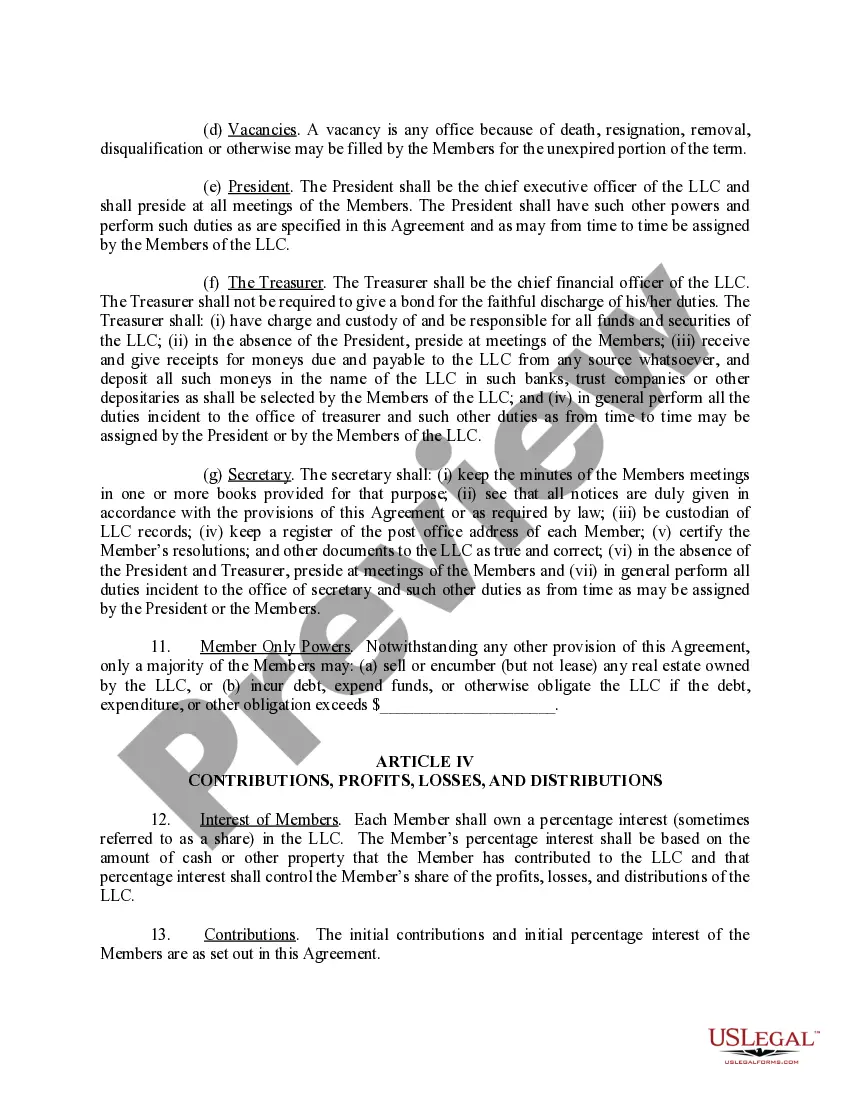
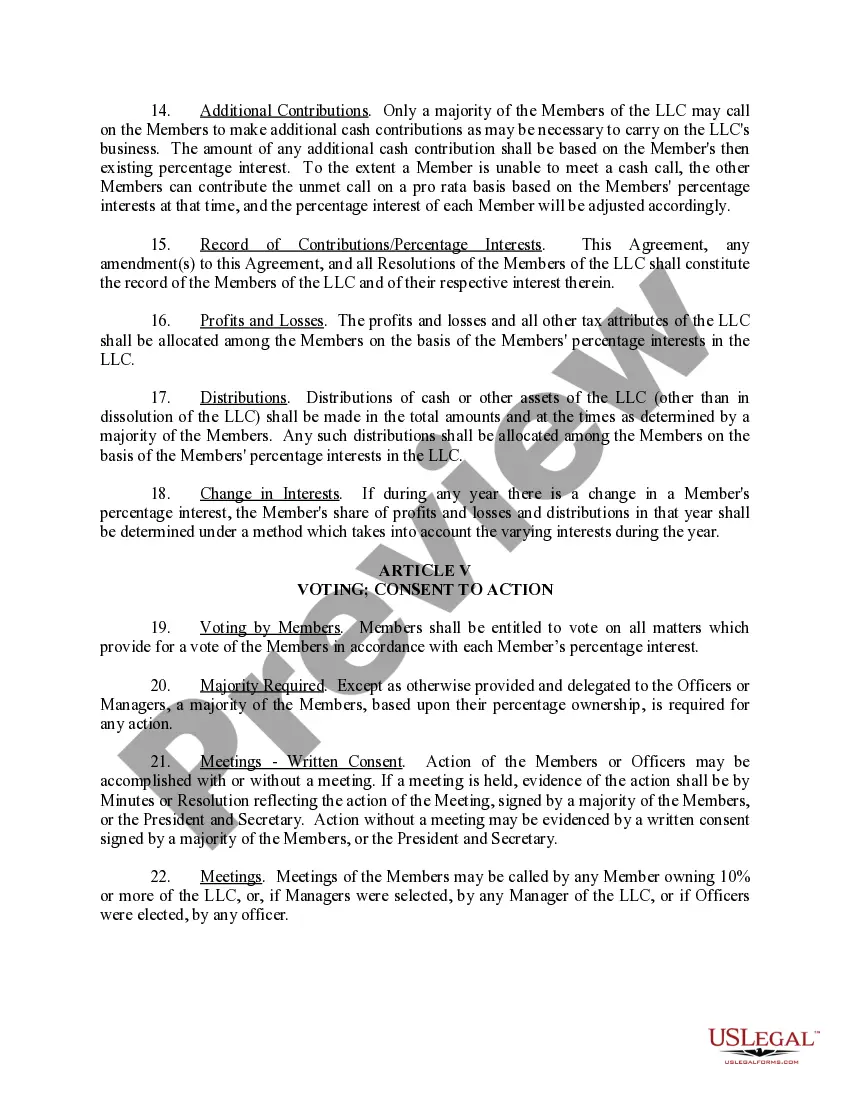
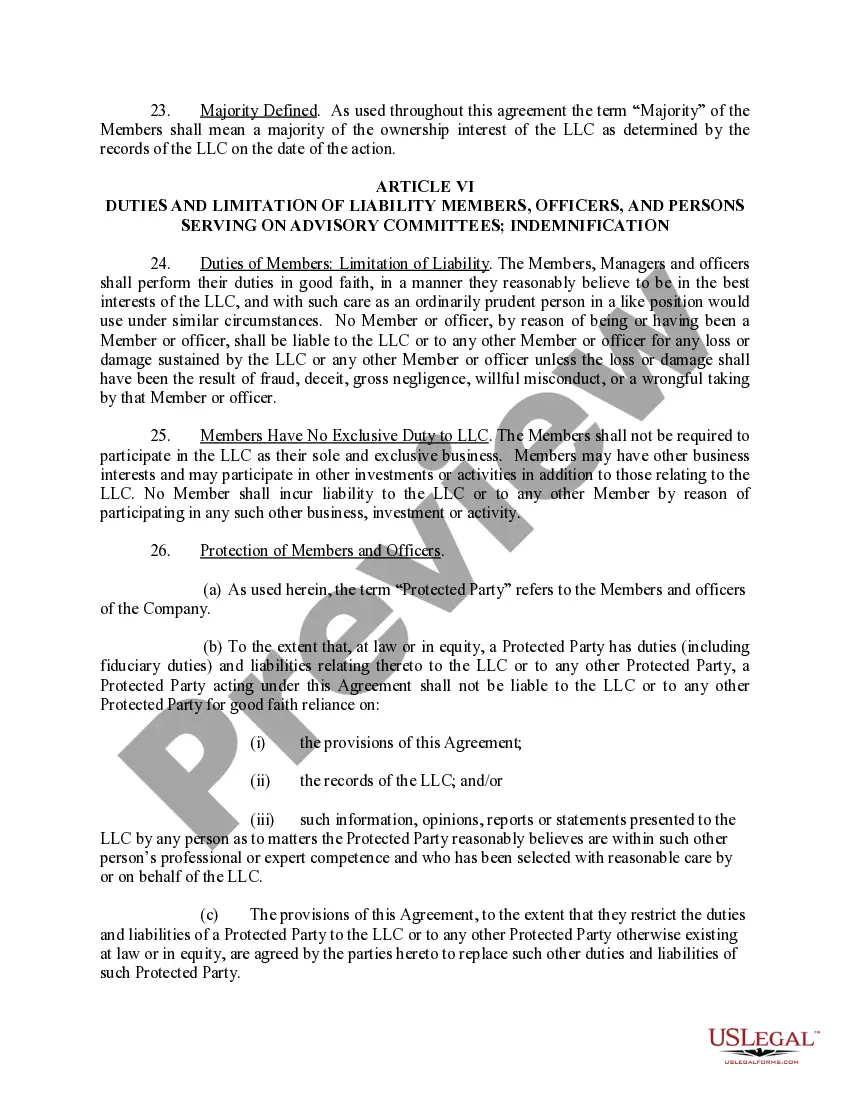
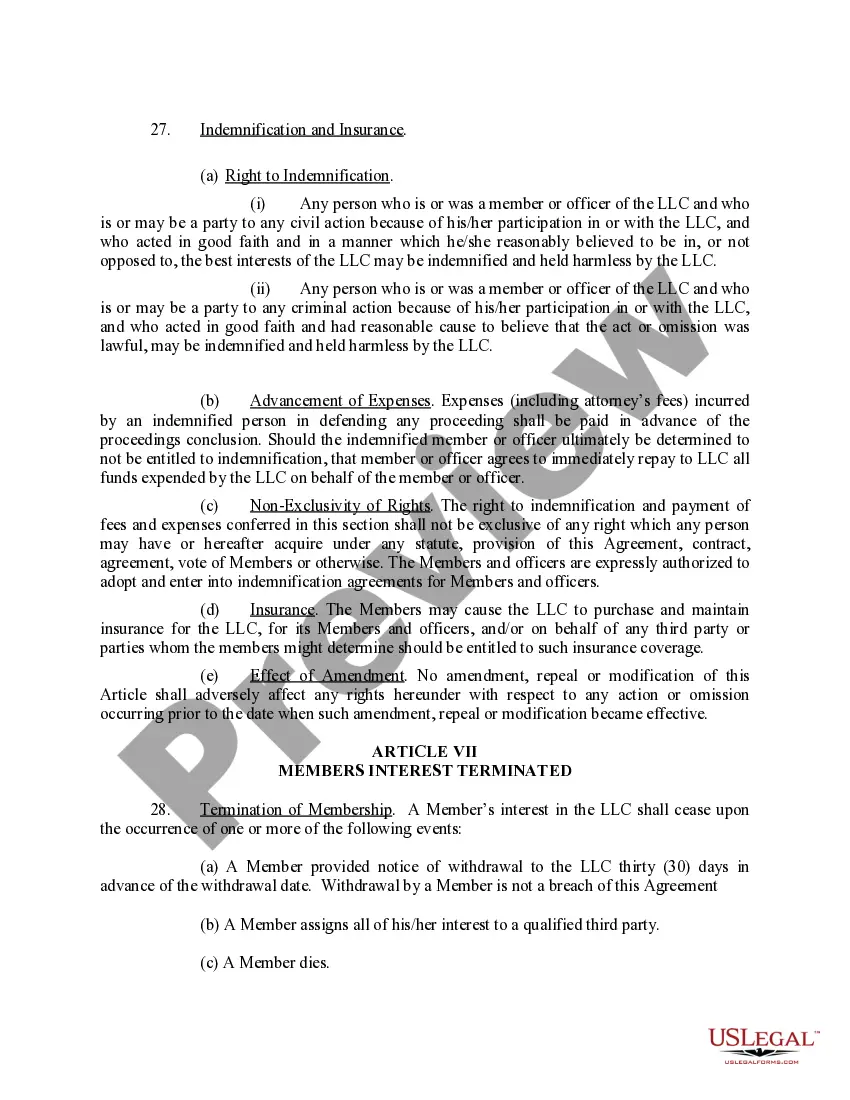
Review the template using the Preview feature or through the text outline to ensure it satisfies your needs.
- They are easy to navigate with all papers organized by state and intended use.
- Our experts stay updated with legislative modifications, ensuring your form is current and compliant when obtaining a Company Car For Personal Use from our site.
- Acquiring a Company Car For Personal Use is straightforward and swift for both existing and new users.
- If you already possess an account with an active subscription, Log In and save the document template you need in the correct format.
- If you are a newcomer to our platform, follow the steps below.
Form popularity
FAQ
Personal use of a company vehicle typically qualifies as a taxable fringe benefit. The IRS requires employers to report the value of personal use as part of your income. This means that if you use a company car for personal reasons, you may need to account for that usage when filing taxes. Consulting with a tax professional or using resources from US Legal Forms can help you navigate the tax implications of a company car for personal use.
Yes, company vehicles can be used for personal use, but this often depends on your employer's policies. It's beneficial to check your company's rules regarding personal use of a company car. Clear communication with your employer can prevent misunderstandings. Always ensure that personal use complies with any guidelines set forth in your employment agreement.
To record personal use of a company vehicle, keep a detailed log of your trips. Note the date, destination, purpose, and mileage for each personal use. This documentation helps clarify the distinction between business and personal use of the car. Utilizing our platform at US Legal Forms can provide templates and tools to make tracking this information easy and efficient.
If you get pulled over in a company vehicle, the officer may ask for your driver's license, registration, and proof of insurance. It's important to ensure that the company car for personal use is properly insured and registered. Additionally, be prepared to explain your business purpose for using the vehicle. If you were using the car for personal reasons, it might lead to complications regarding company policies.
Cents-per-mile rule. The business mileage rate for 2023 is 65.5 cents per mile. You may use this rate to reimburse an employee for business use of a personal vehicle, and under certain conditions, you may use the rate under the cents-per-mile rule to value the personal use of a vehicle you provide to an employee.
Put simply, the answer is yes. There are no restrictions in law on the use of your company vehicle for personal journeys. However, there is a caveat here. If your employer has told you that you may use your car for business journeys only, you must abide by this rule.
Under IRS general rules, all use of a company car is considered personal use unless the employee documents the business use of the car. Personal use of a company vehicle generally results in taxable wages for the employee.
Basically, the heavier the vehicle, the more you can deduct. Light Section 179 vehicles. This is a vehicle with the manufacturer's gross vehicle weight rating (GVWR) listed at under 6,000 pounds (3 tons). This includes most passenger cars, crossover SUVs, and small utility trucks.
Per the IRS, most fringe benefits are taxable and must be recorded by both the employer and employee. Currently, the average personal use charge is $132 per recording period. Recording periods are typically monthly, however the time period is up to the employer.