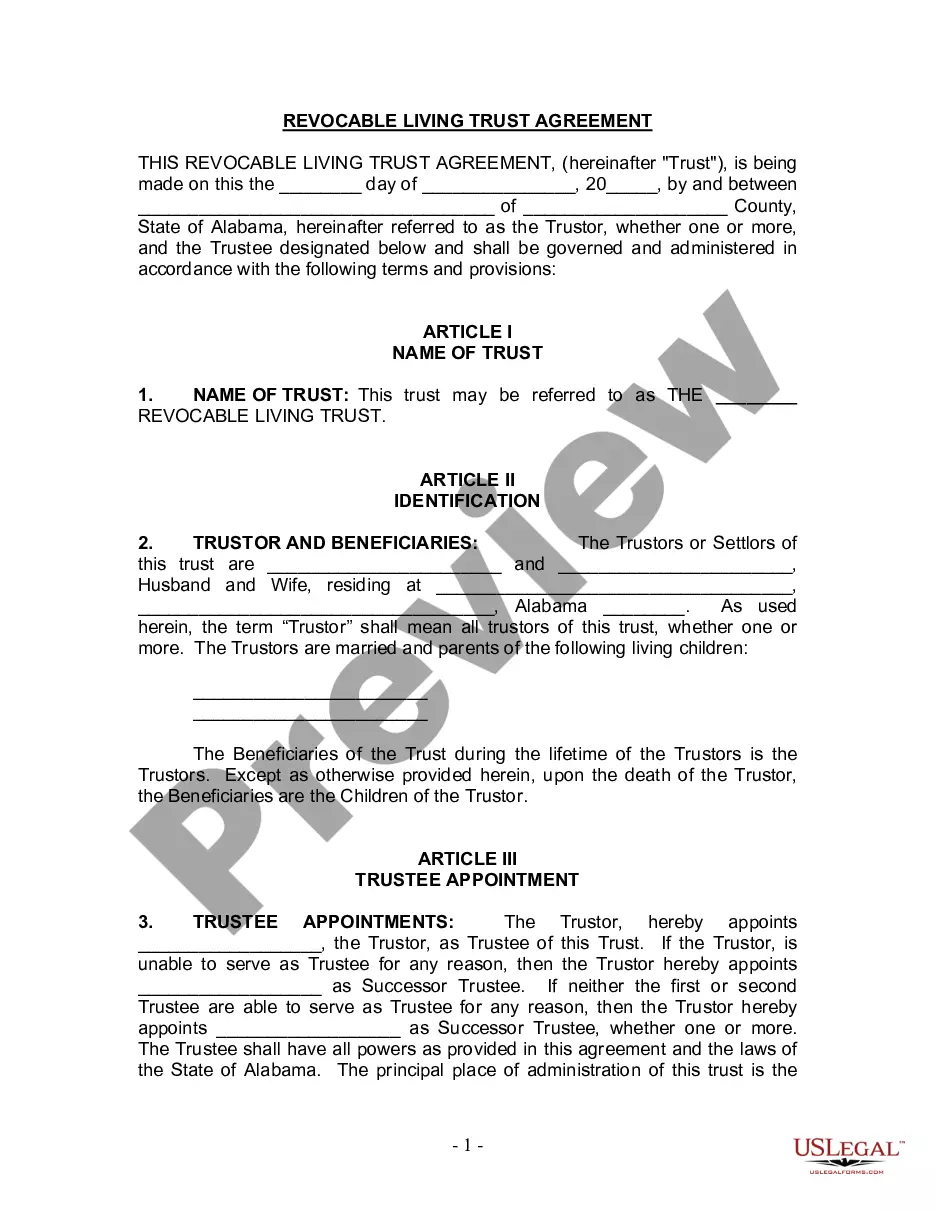
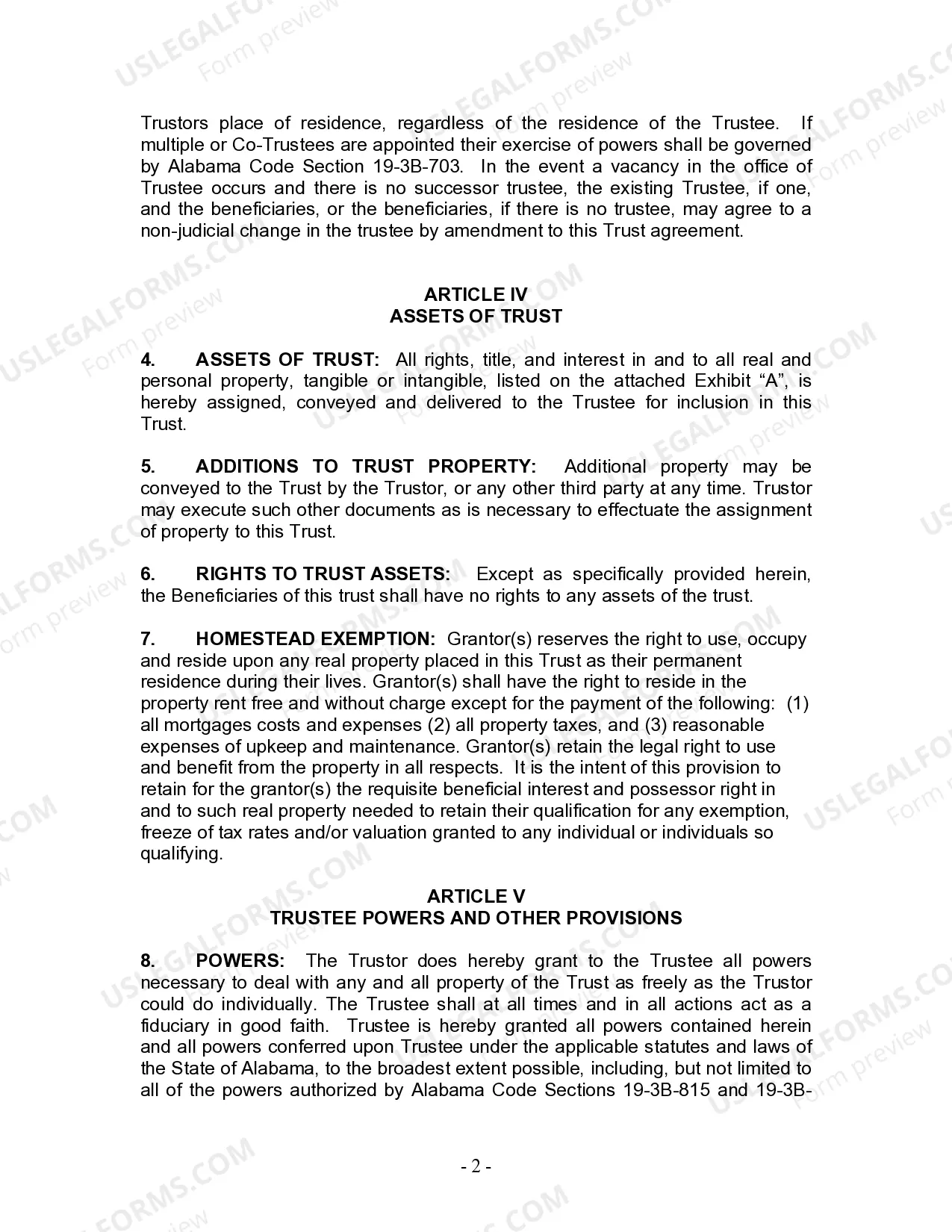
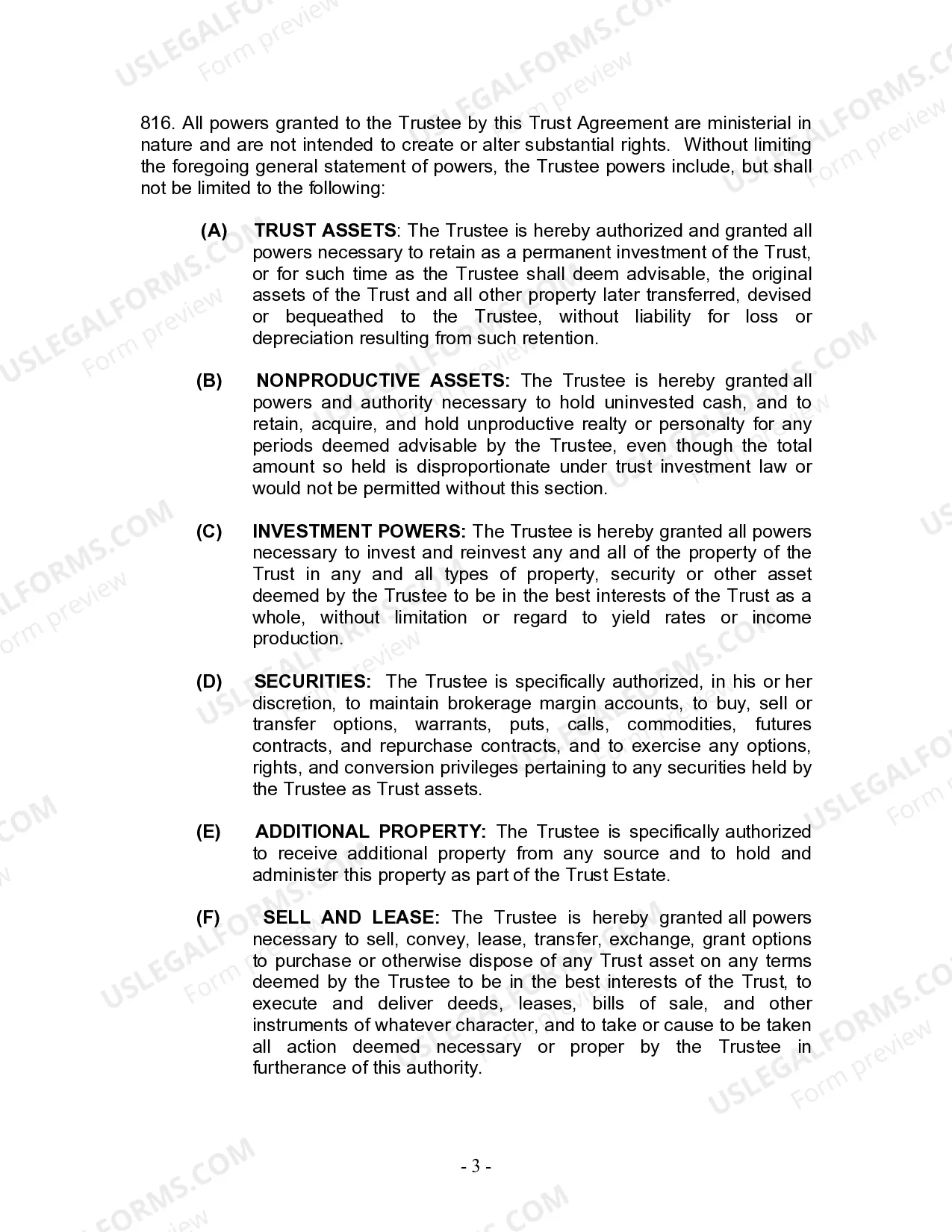
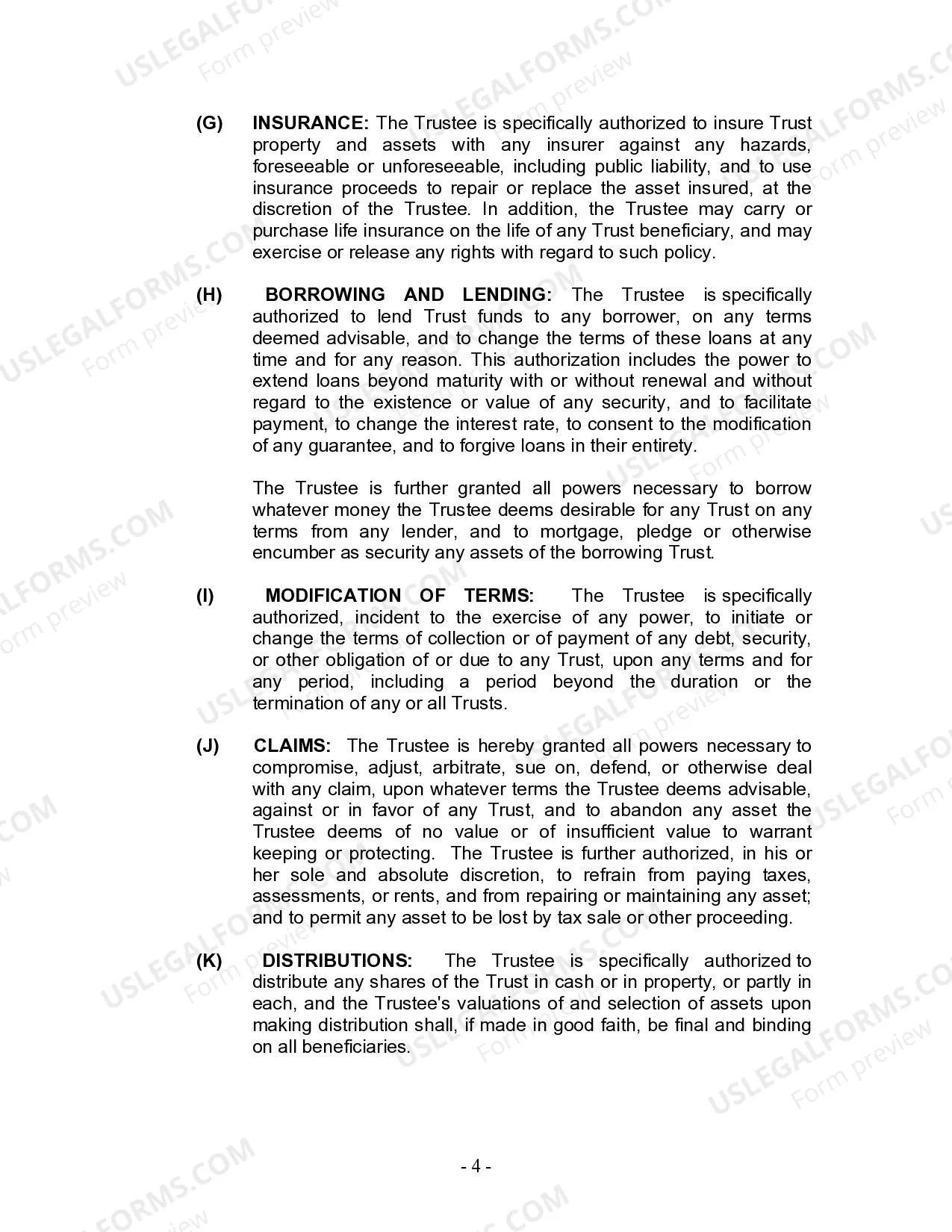
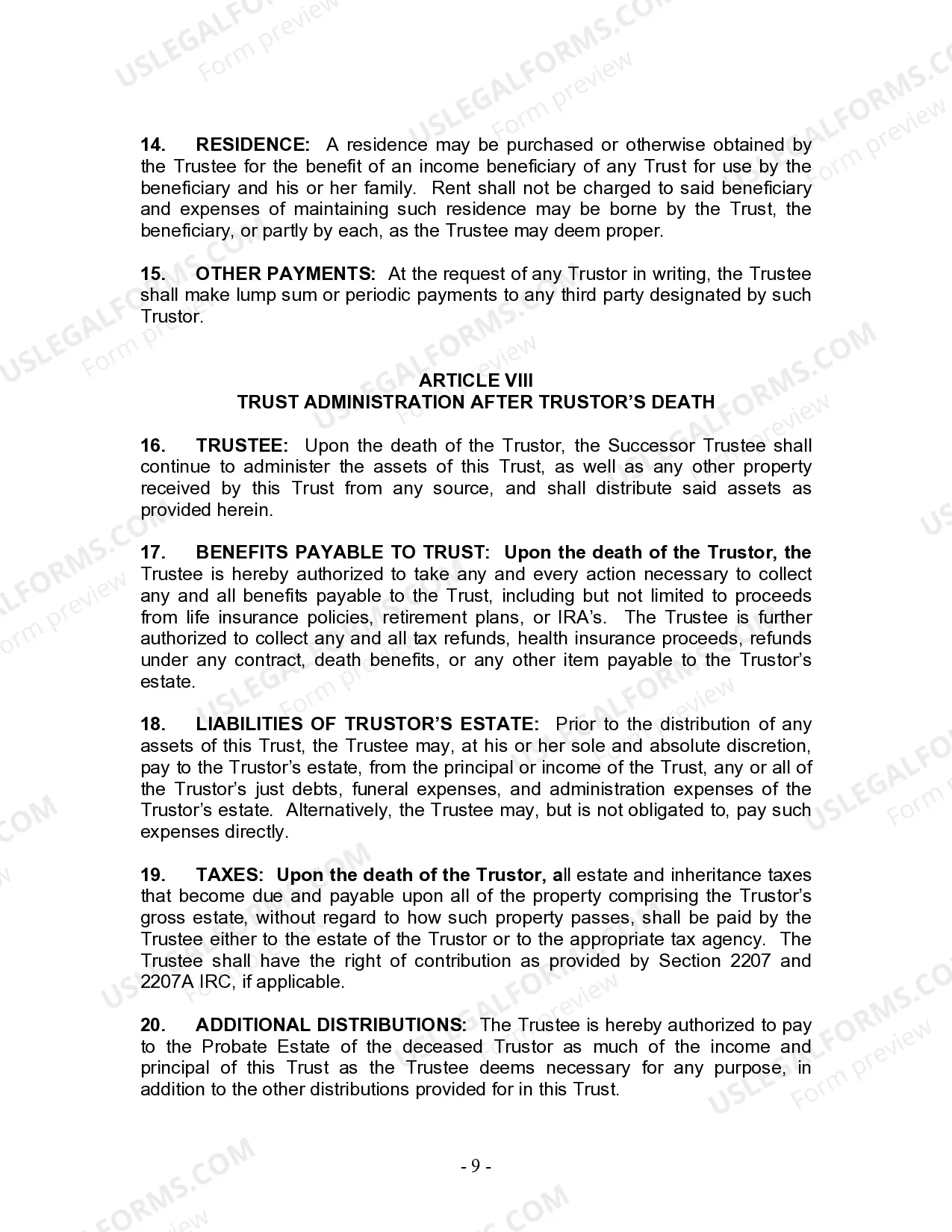
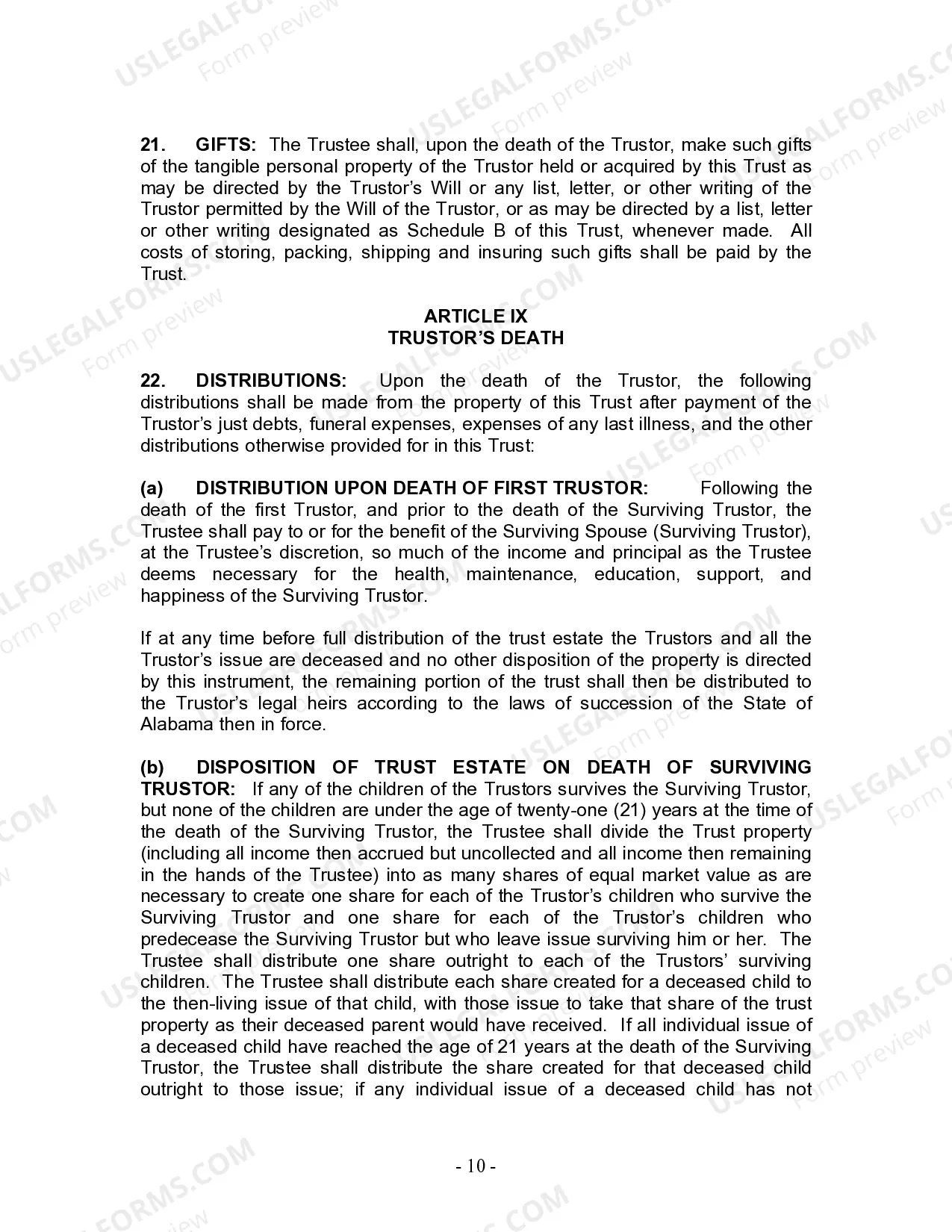
Alabama Trust Withdrawal
Description



Get your form ready online
Our built-in tools help you complete, sign, share, and store your documents in one place.
Make edits, fill in missing information, and update formatting in US Legal Forms—just like you would in MS Word.
Download a copy, print it, send it by email, or mail it via USPS—whatever works best for your next step.
Sign and collect signatures with our SignNow integration. Send to multiple recipients, set reminders, and more. Go Premium to unlock E-Sign.
If this form requires notarization, complete it online through a secure video call—no need to meet a notary in person or wait for an appointment.
We protect your documents and personal data by following strict security and privacy standards.

Make edits, fill in missing information, and update formatting in US Legal Forms—just like you would in MS Word.

Download a copy, print it, send it by email, or mail it via USPS—whatever works best for your next step.

Sign and collect signatures with our SignNow integration. Send to multiple recipients, set reminders, and more. Go Premium to unlock E-Sign.

If this form requires notarization, complete it online through a secure video call—no need to meet a notary in person or wait for an appointment.

We protect your documents and personal data by following strict security and privacy standards.
Looking for another form?









Form popularity
FAQ
Withdrawal timelines from Alabama University usually depend on the academic calendar, so it's vital to check the specific dates for your enrolled semester. Often, students can withdraw during the first half of the semester without penalty. If you're considering withdrawal related to your financial plan or Alabama trust withdrawal, consulting with academic advisors can provide insights into the process and any potential impacts.
In Alabama, certain pensions are not taxable, including those received from the federal government and military retirement benefits. Understanding which pensions are exempt can help you manage your finances better, especially in relation to withdrawals. If you are considering Alabama trust withdrawal, it's advisable to explore how different pension types can affect your overall financial strategy.
To officially unenroll from college, you should first contact your registrar’s office for guidance on their specific process. Typically, you'll need to submit a formal withdrawal request and complete any necessary paperwork. If your unenrollment relates to financial reasons tied to Alabama trust withdrawal, it may also be beneficial to engage with a financial aid officer for assistance.
Yes, Alabama typically taxes early retirement withdrawals, which can be a significant factor in your financial planning. It's important to understand how these taxes apply to your situation, especially concerning Alabama trust withdrawal strategies. Consulting with a tax professional can provide clarity and help you minimize any potential tax implications.
A certificate of compliance is a document that indicates that you have met specific legal or regulatory requirements in Alabama. This certificate may be needed in various situations, including those involving trusts or withdrawals. When dealing with Alabama trust withdrawal, having a certificate of compliance can help ensure that you are following all necessary protocols and regulations.
Withdrawing from a course typically does not impact your GPA directly, as it is not counted as a grade. However, too many withdrawals can raise concerns among academic advisors and may affect your academic standing in relation to Alabama trust withdrawal policies. It’s important to balance your course load and consider the long-term effects on your academic record before deciding to withdraw.
Withdrawing can be a better option than failing when it comes to financial aid. A withdrawal may affect your academic record less negatively than a failing grade. However, keep in mind that a withdrawal could impact your eligibility for future financial aid, especially if you pursue a withdrawal related to Alabama trust withdrawal. Always explore your options and consult with your school's financial aid advisor to make the best decision.
The 40NR form is the Alabama Nonresident Income Tax Return. You will need this form if you earn income in Alabama but reside in another state. Completing the 40NR helps you report any Alabama trust withdrawals correctly, ensuring compliance with state tax laws. For assistance in navigating this process, consider using the uslegalforms platform for guidance.
Several states do not impose taxes on retirement withdrawals, making them attractive for retirees. States like Florida, Texas, and Nevada do not tax income, including retirement withdrawals. If you are considering relocating, researching states with no tax on retirement income can benefit your financial planning. This allows for more strategic decisions related to your Alabama trust withdrawals.
In Alabama, certain types of retirement income are exempt from state taxes. For instance, pensions from the federal government, state government, and some local governments are not subject to Alabama income tax. Additionally, Social Security benefits are excluded from state taxation. Understanding which retirement incomes are exempt can greatly assist in managing your Alabama trust withdrawal strategy.
